- English
- French
- German
- Portuguese
- Spanish
- Russian
- Japanese
- Korean
- Arabic
- Greek
- German
- Turkish
- Italian
- Danish
- Romanian
- Indonesian
- Czech
- Afrikaans
- Swedish
- Polish
- Basque
- Catalan
- Esperanto
- Hindi
- Lao
- Albanian
- Amharic
- Armenian
- Azerbaijani
- Belarusian
- Bengali
- Bosnian
- Bulgarian
- Cebuano
- Chichewa
- Corsican
- Croatian
- Dutch
- Estonian
- Filipino
- Finnish
- Frisian
- Galician
- Georgian
- Gujarati
- Haitian
- Hausa
- Hawaiian
- Hebrew
- Hmong
- Hungarian
- Icelandic
- Igbo
- Javanese
- Kannada
- Kazakh
- Khmer
- Kurdish
- Kyrgyz
- Latin
- Latvian
- Lithuanian
- Luxembou..
- Macedonian
- Malagasy
- Malay
- Malayalam
- Maltese
- Maori
- Marathi
- Mongolian
- Burmese
- Nepali
- Norwegian
- Pashto
- Persian
- Punjabi
- Serbian
- Sesotho
- Sinhala
- Slovak
- Slovenian
- Somali
- Samoan
- Scots Gaelic
- Shona
- Sindhi
- Sundanese
- Swahili
- Tajik
- Tamil
- Telugu
- Thai
- Ukrainian
- Urdu
- Uzbek
- Vietnamese
- Welsh
- Xhosa
- Yiddish
- Yoruba
- Zulu
Best SCR Dosing System for Euro 6 Diesel Engine Applications
If you're sourcing or engineering diesel aftertreatment solutions, choosing the right SCR dosing system matters more than ever. Euro 6 standards demand NOx reductions of up to 77% compared to Euro 5 — that's not a margin for guesswork. A well-matched urea injection setup protects your engine platform, keeps your fleet road-legal, and directly affects your total operating cost. In this guide, I'll walk through how these systems work, how to compare them, what to look for when buying, and how to keep them running reliably in the field.
Understanding SCR Dosing Systems for Euro 6 Diesel Engines
How the System Works
An SCR aftertreatment system adds the right amount of Diesel Exhaust Fluid (DEF, also called AdBlue) to the hot exhaust stream before the catalytic converter. The urea solution turns into ammonia when it breaks down. NOx on the catalyst material is changed into nitrogen and water gas by ammonia. None of these things are dangerous. This chemical process changes with temperature and needs precise injection control to always work well, no matter how much load there is.
Core Components You Need to Know
The system is made up of four important parts: a DEF storage tank with monitors for level, temperature, and quality; a dosing pump that presses the fluid; a urea dosing injector that sprays DEF into the exhaust pipe; and an ECU, or Dosing Control Unit, that controls the whole thing. The sensor for urea pressure is put in the middle of the pump and injector. It tells the control unit about the hydraulic pressure in real time. If the DCU doesn't get accurate pressure feedback, it can't fix issues like needle drift, clogs, or temps below freezing.
Why DEF Quality Directly Affects Performance
ISO 22241 says that AdBlue must have 32.5% urea in it. If the value goes above or below this range, it hurts the catalyst and makes the NOx conversion less effective. The ECU is always told by the urea tank system about the quality of the fluid, its temperature, and how full it is. Because of this, the sensors inside the tank are just as important as the injector itself.
Comparing SCR Dosing Systems: Market Solutions and Technologies
SCR vs. EGR — Understanding the Trade-Off
The temperature of burning drops when Exhaust Gas Recirculation (EGR) is used. This lowers NOx. It does, however, use more fuel and make more particulate matter when the load is high. Controlling NOx further down the line with SCR-based doses doesn't hurt the efficiency of burning. Because of this, SCR is often chosen as the main NOx control method for Euro 6 heavy-duty uses. EGR is used when the load is low, and SCR is used when the load is high in many up-to-date engines.
What the Major System Suppliers Offer
Many global suppliers provide products for Euro 6 applications of the SCR dosing system. Dosing units manufactured by Bosch are widely adopted on European truck platforms thanks to their compatibility with common-rail ECUs. Continental supplies compact dosing units suitable for off-road machinery and generator equipment. For cold-region markets, Denso develops thermally insulated products to prevent freezing.
The engine ECUs that Cummins makes have dosing units built right in. Integrators that work with systems for aftertreatment, such as the flexible sensor-compatible interfaces from Delphi Technologies. There are pros and cons to each provider. The best one for you will depend on your engine platform, control architecture, and supply chain needs.
The Role of the Urea Pressure Sensor in System Selection
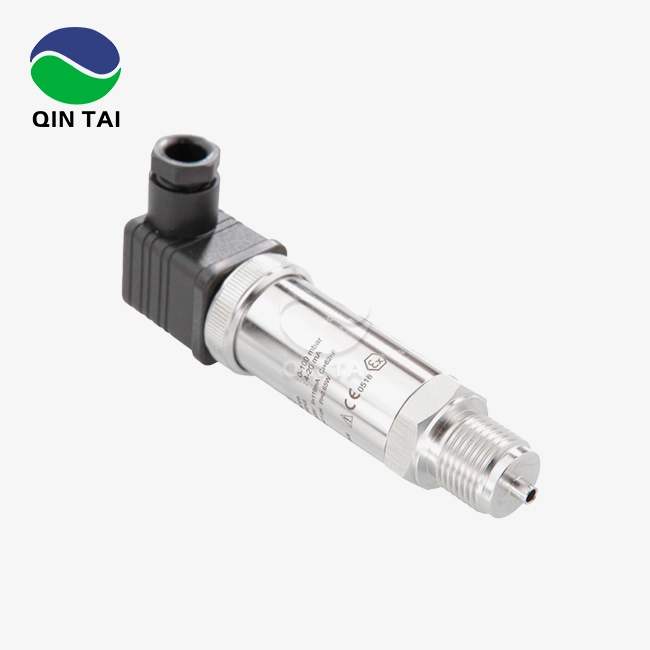
An important part of the control loop that engineers often forget to look at when they compare dosing modules is the pressure sensor. Drops in line pressure (which could mean leaks, blockages, or air getting in) are picked up by a precise urea dosing pressure sensor.
It also picks up overpressure events caused by frozen AdBlue and constant input for checking pump performance. The P204B trouble code for an SCR is one of the most common ones seen in field service. It means that the pressure sensor circuit range or performance deviation. Most of the time, this code is caused by a sensor signal drift or a dirty connector connection.
How to Choose the Best SCR Dosing System for Your Fleet
Define Your Compliance and Technical Baseline First
It is important to make sure that any system you are interested in has the right Euro 6 type-approval papers before you compare sellers. OEMs that want to sell in both China and Europe should look for systems that have been approved by both the China VI and Euro VI protocols. This is because each one has a different calibration and OBD level. Make sure the working pressure range fits the design of your pump module and check the injection accuracy specs. The range should be ±2% volumetric error or better.
Balance Upfront Cost Against Long-Term Operating Risk
Non-compliance will bring far higher costs on maintenance, downtime and fines compared with a well-specified SCR dosing system. A low-cost dosing module that triggers frequent fault codes is not truly economical. Industry data shows that unplanned SCR-related breakdown on a Class 8 truck incurs expenses ranging from $800 to $1,200 covering spare parts, towing and diagnostic labor. Selecting sensors with gold-plated terminals, freeze-expansion buffer design and rated service life of 15,000 to 20,000 hours will greatly reduce such risks.
These are the main things that procurement teams should think about before making a choice:
- Emission certification coverage: Confirm Euro 6 and applicable regional type-approval markings on all components.
- Sensor output compatibility: Match pressure sensor signal output (0.5V–4.5V analog or SENT protocol) to your DCU/ECU calibration to avoid integration issues.
- Freeze-protection design: The sensor must tolerate AdBlue's 9% volume expansion during freezing without diaphragm damage.
- Connector and thread standardization: Common thread sizes (M10×1 or M12×1.5) reduce integration time for OEM production lines.

SCR Dosing System Maintenance & Troubleshooting Best Practices
Routine Maintenance That Prevents Most Failures
Most problems with SCRs happen because they aren't maintained well enough. Flushing the DEF lines at regular repair times will keep the urea from crystallizing. The internal flow path design of a good pressure sensor cuts down on dead volume. Dead volume refers to the still areas where crystallization usually begins. The outside lines still get clogged up over time, though. While the engine is being worked on, the sensors should be adjusted, and DEF should be thrown away if it has been kept for more than 12 months, since old fluid speeds up catalyst fouling.
How to Diagnose Dosing Errors Step by Step
Check the DEF level and quality first, and then compare the pipeline pressure at idle to the normal output range of your SCR dosing system. This will help you identify dosing faults. If the pressure reading is low, it is likely that the pump is worn out or the pipeline is clogged. The pressure gauge should indicate a high value.
If so, inspect for a stuck return valve or frozen AdBlue during cold starts. Cleaning connector pins can generally resolve sensor signal faults (P204B range code). Gold-plated terminals deliver much better calibration stability thanks to their corrosion resistance.
After-Sales Support and Warranty Considerations
Make sure the seller of the parts you need has a written guarantee and can get you help right away. During production ramp-up, how quickly a dosing problem is fixed depends on how well the seller can help with application engineering, not just new parts, for heavy OEM production. Sensor calibration checks that are part of maintenance contracts help teams stay in line with the rules and reduce the number of sudden breaks.
Procurement Guide: Buying and Sourcing SCR Dosing Systems in 2026
How to Verify Supplier Credentials
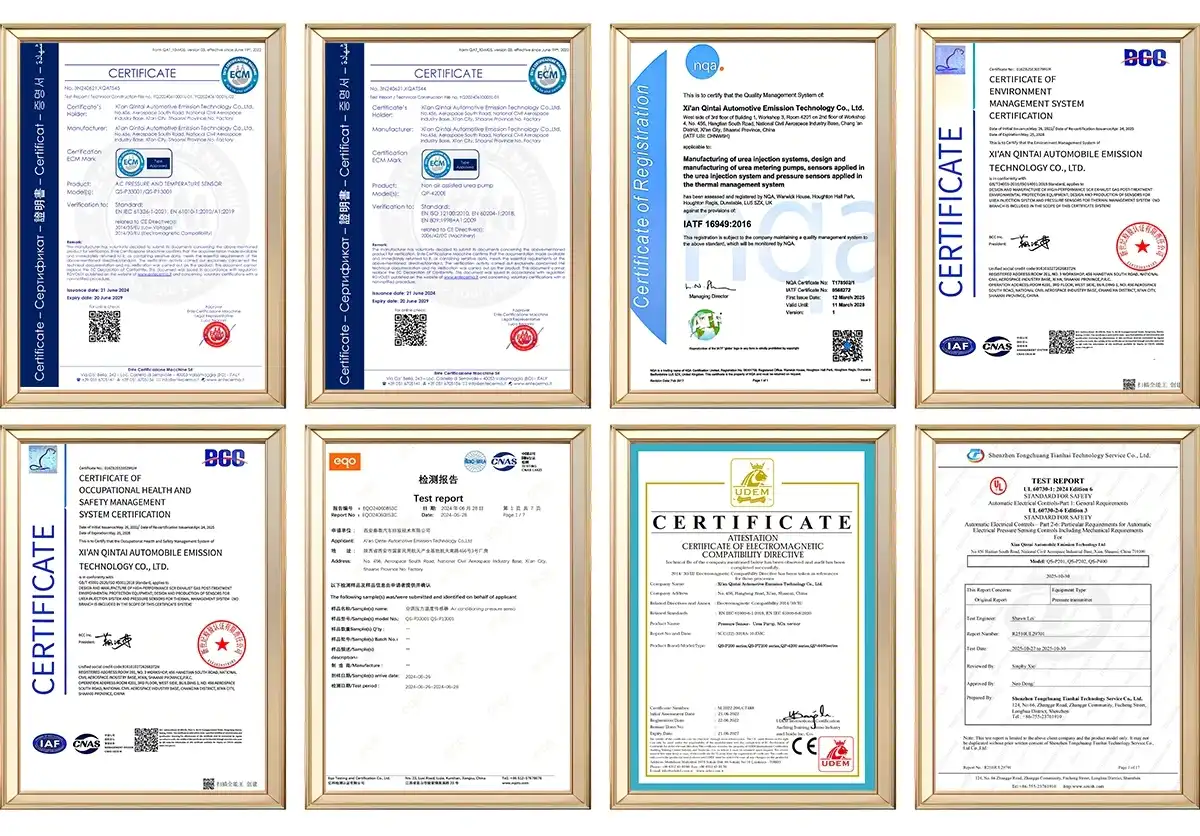
Ask for ISO 9001 and IATF 16949 certifications as a first step. Make sure that any sensors that are used in mines, power plants, or other places where explosions are likely have Ex (explosion-proof) stamps on them. UL rating and CE/REACH/RoHS compliance are two more ways to find out how well a provider manages quality for things that will be sold in North America. Firms that have put in for large idea patents show that they are still investing in engineering and not just rebranding goods.
Where to Source OEM-Grade Components
It is much less likely that fake goods will be sold when there are authorized OEM distribution channels and direct factory partnerships. You can be sure that the things you buy in bulk are of good quality if you work directly with a maker like Weichai Power or Yuchai Power that has OEM supply relationships with major engine platforms. Blanket order deals and wholesale pricing help keep budgets stable even though part prices change all year long.
Key Questions to Ask Before Finalizing a Supplier
Make sure that the wait times don't interfere with your production plan. Also, ask for written information on the failure rate in the field and examples of how similar engines have been used. As a buyer, your team needs to be able to trust a provider that has already been used in heavy shipping, construction equipment, and marine SCR applications.
Conclusion
It is not enough merely to match a part number to select the proper DEF input component for Euro 6 diesel engines and the SCR dosing system. You need certified products, precise sensor feedback, freeze-resistant engineering, and a supplier capable of handling large order volumes reliably. The urea pressure monitor is an often-overlooked component; it enables proper closed-loop system operation. Sourcing accurately specified components from a reputable manufacturer reduces total cost of ownership over the equipment lifespan, ensures regulatory compliance, and cuts field failure rates.
FAQ
What does a urea dosing pressure sensor actually do?
It sends real-time data about the hydraulic pressure in the DEF line to the DCU or ECU. The control unit can decide how much AdBlue to inject, find blockages or leaks, and record overpressure events that happen when the AdBlue freezes or the return valves stop working.
Can I use the same pressure sensor across different SCR system brands?
The most common thread sizes are M10×1 and M12×1.5. But the type of signal output (analog 0.5V–4.5V vs. SENT protocol) needs to match how your ECU is tuned. As always, make sure that the signs will work together before you compare part numbers.
How long do these sensors typically last?
In normal business car settings, a well-made urea dose pressure indicator can last for 15,000 to 20,000 hours of normal use.
What causes the P204B fault code?
Most of the time, this fault happens when the sensor signal drifts because the pins on the connector are old or dirty. Sensors with gold-plated terminals are less likely to fail in this way, and their calibration stays stable for longer when they are out in the field.
How does a quality sensor handle AdBlue freezing?
Urea's volume grows by about 9% when it freezes. If the sensor is built right, it has a flexible internal buffer structure that can deal with this. This keeps the sensing diaphragm from getting hurt when the engine is cold-started.
Partner with Qintai for Your SCR Dosing System Needs
OEM-grade SCR aftertreatment monitors from Qintai have been sent to engine systems all over the world since 2001. The business is certified by ISO 9001, IATF 16949, CE, UL, Ex, REACH, and RoHS. It has also applied for 58 idea patents. Qintai makes more SCR dosing system sensors than any other company in China. Weichai Power, Yuchai Power, and Quanchai Power are its main OEM customers. As well as OEM production lines, aftertreatment technicians, and aftermarket sellers in more than 60 countries can use it. Send an email to info@qt-sensor.com or go to qt-sensor.com to talk to our tech team about your needs.
References
1. European Commission. Regulation (EU) No 582/2011 — Heavy-Duty Vehicle Emissions (Euro VI). Official Journal of the European Union, 2011.
2. SAE International. SAE J2981: Diesel Exhaust Fluid (DEF) Quality and Handling Practices. SAE International, 2018.
3. ISO. ISO 22241-1: Diesel Engines — NOx Reduction Agent AUS 32 — Quality Requirements. International Organization for Standardization, 2019.
4. Johnson, T., & Joshi, A. Review of Vehicle Engine Efficiency and Emissions. SAE International Journal of Engines, 2018.
5. Dieselnet. Emission Standards: Europe — Heavy-Duty Diesel Truck and Bus Engines. Dieselnet Technology Guide, 2022.
6. Majewski, W. A., & Khair, M. K. Diesel Emissions and Their Control. SAE International, 2006.
 Sensors.webp)

Our customers’ satisfaction speaks for our quality — contact us to experience the same reliable service.