- English
- French
- German
- Portuguese
- Spanish
- Russian
- Japanese
- Korean
- Arabic
- Greek
- German
- Turkish
- Italian
- Danish
- Romanian
- Indonesian
- Czech
- Afrikaans
- Swedish
- Polish
- Basque
- Catalan
- Esperanto
- Hindi
- Lao
- Albanian
- Amharic
- Armenian
- Azerbaijani
- Belarusian
- Bengali
- Bosnian
- Bulgarian
- Cebuano
- Chichewa
- Corsican
- Croatian
- Dutch
- Estonian
- Filipino
- Finnish
- Frisian
- Galician
- Georgian
- Gujarati
- Haitian
- Hausa
- Hawaiian
- Hebrew
- Hmong
- Hungarian
- Icelandic
- Igbo
- Javanese
- Kannada
- Kazakh
- Khmer
- Kurdish
- Kyrgyz
- Latin
- Latvian
- Lithuanian
- Luxembou..
- Macedonian
- Malagasy
- Malay
- Malayalam
- Maltese
- Maori
- Marathi
- Mongolian
- Burmese
- Nepali
- Norwegian
- Pashto
- Persian
- Punjabi
- Serbian
- Sesotho
- Sinhala
- Slovak
- Slovenian
- Somali
- Samoan
- Scots Gaelic
- Shona
- Sindhi
- Sundanese
- Swahili
- Tajik
- Tamil
- Telugu
- Thai
- Ukrainian
- Urdu
- Uzbek
- Vietnamese
- Welsh
- Xhosa
- Yiddish
- Yoruba
- Zulu
Which SCR Dosing System Components Require the Most Replacements?
When running diesel-powered equipment — whether heavy trucks, construction machinery, or generator sets — the SCR dosing system is what keeps your NOx emissions within legal limits. But like any precision system, certain components wear out faster than others. From my experience working with OEM procurement teams and aftertreatment integrators, the parts that need the most frequent replacement are the urea injector/nozzle, urea dosing pressure sensor, DEF pump, and electrical connectors. Knowing which parts fail first gives you a real advantage in planning maintenance budgets and keeping operations running without costly surprises.


Understanding SCR Dosing System Components
You should know how the whole AdBlue dosing system works before you try to figure out what breaks down the most. Each part does its own thing to make sure that the urea is injected correctly into the exhaust stream.
Urea Injector (DEF Nozzle)
The injector breaks up the urea solution into tiny particles and sprays them precisely into the exhaust pipe before the SCR catalyst. The accuracy of dosing has a direct effect on how well NOx is converted. Even a small blockage can cause pollution to be higher than what is allowed.
Dosing Control Unit (DCU)
In this case, the DCU is like the system's brain. It gets information from many sensors and figures out how much urea to inject based on the temperature of the exhaust, the load on the engine, and the amount of NOx in the air. If the DCU isn't working right, it could lead to wrong doses, fault codes, and even limp mode.
Urea Dosing Pressure Sensor
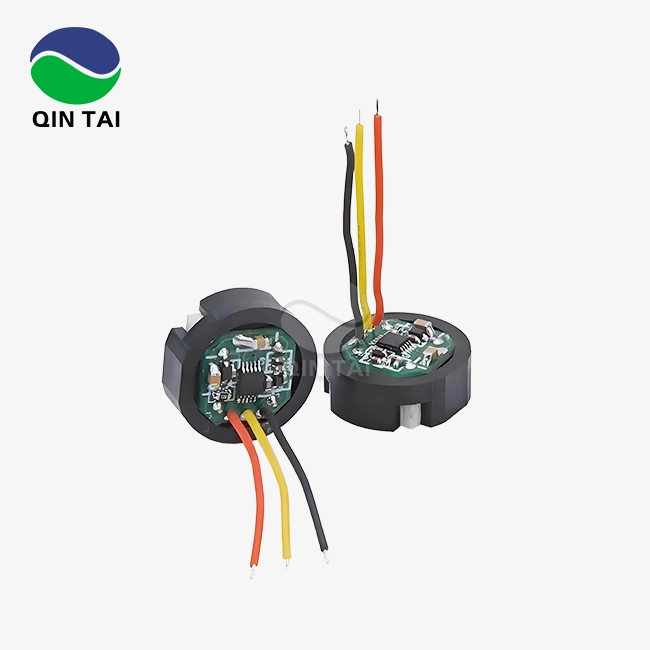
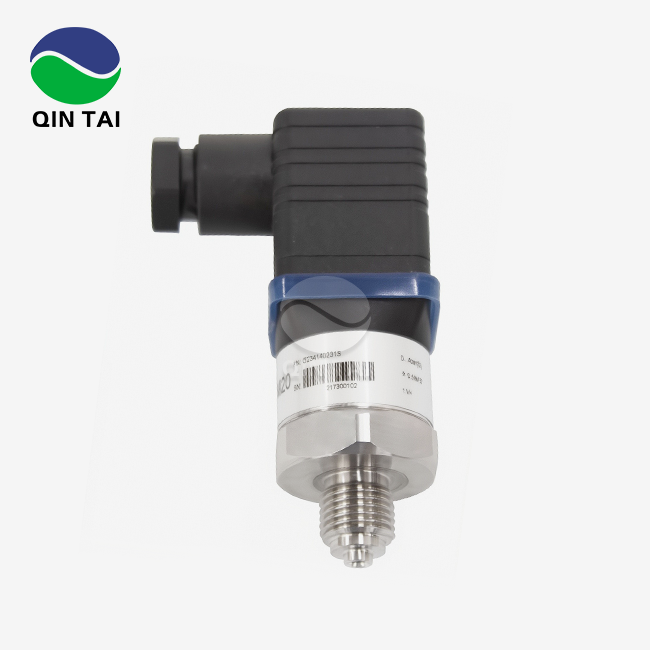
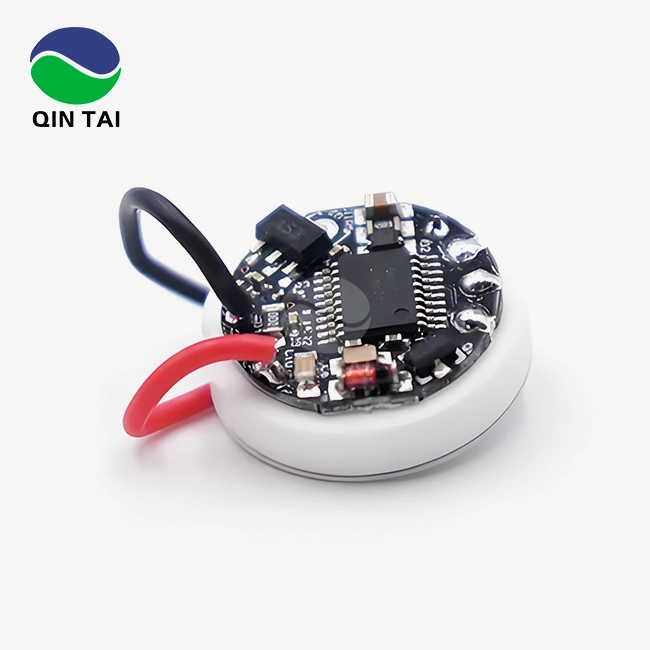
This sensor sends real-time information to the DCU about the hydraulic pressure in the DEF lines. According to Qintai's product specifications, a urea dosing pressure sensor that works properly can find pressure drops caused by leaks or blockages, overpressure from frozen AdBlue, and help figure out what's wrong with the pump or injector. It is a part that wears out quickly because it is constantly used in settings with changing temperatures and a lot of shaking.
DEF Tank, Pump, and Lines
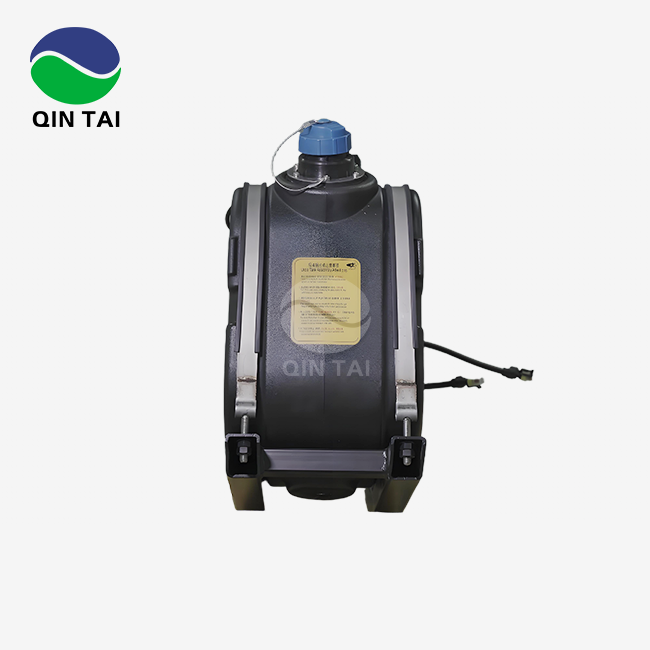
The DEF tank of the SCR dosing system stores AdBlue and integrates sensors for level, temperature, and quality monitoring. The pump delivers the urea solution through the whole circuit. All wetted components are linked by pipelines that are continuously exposed to extreme temperatures and chemical media.
Components Most Prone to Replacement and Reasons
A pattern can be seen in field data from heavy-duty truck fleets and industrial equipment: most SCR-related maintenance calls are for certain parts.
Here are the four parts that need to be replaced most often, along with the main reasons why they need to be replaced:
- Urea Injector/Nozzle: Urea crystallization is the single biggest cause of injector failure. AdBlue leaves behind solid deposits when it contacts hot surfaces or sits idle. These deposits clog the nozzle tip, reducing spray quality and throwing dosing accuracy off. Injectors in long-haul trucks operating over 500,000 km often need replacement or professional cleaning at regular intervals.
- Urea Dosing Pressure Sensor: This sensor lives in a harsh environment — constant pressure fluctuations, temperature swings between -40°C and 120°C, and exposure to urea chemistry. Signal drift caused by sensor aging or connector pin contamination is a common trigger for fault code P204B. Qintai's sensors address this with gold-plated terminals and a flexible internal buffering structure that accommodates the 9% volume expansion of freezing urea. Typical design service life is 15,000 to 20,000 operating hours.
- DEF Pump: Mechanical wear, abrasive particles in low-quality AdBlue, and air ingestion all degrade pump performance over time. Pressure output drops gradually, which is often misdiagnosed as a sensor issue before the pump itself is identified as the source.
- Electrical Connectors and Wiring Harnesses: Moisture ingress, road vibration, and thermal cycling cause connector pins to corrode or loosen. These failures are intermittent and notoriously difficult to diagnose, often requiring full harness replacement.
When procurement teams identify these failure patterns for the SCR dosing system at an early stage, they can maintain accurate inventory records and prevent unplanned emergency downtime.

Maintenance Best Practices to Minimize Component Replacement
Reactive fix costs a lot more than preventative upkeep. A study by the American Transportation Research Institute found that business fleets lose $760 per truck per day on average because of unplanned damage. The following actions greatly lower the number of replacements needed.
Regular Injector Cleaning
Urea crystals don't build up when you run a cleaning cycle after long times of inactivity. Many OEM service schedules say that heavy-duty trucks should have their injectors checked every 100,000 to 150,000 km.
Sensor Calibration and Diagnostic Checks
During regular service, pressure and temperature sensors should be checked against known standards. Early drift recognition lets you switch out sensors before a full fault code shows up. Misreadings caused by compatibility can be avoided by using sensors whose output signals match your ECU's calibration (0.5V–4.5V or SENT protocol).
Pump and Line Inspection
Look for tiny cracks in the DEF lines, especially where fittings and bends are likely to be exposed to freeze-thaw cycles. Make sure that the pump's pressure output fits what the DCU expects. It's much cheaper to replace the pump before it breaks down than to fix the catalyst after it's been underdosed for a long time.
When you buy OEM-certified spare parts from providers with IATF16949 certification, you can be sure that the dimensions and materials will be the same. This has a direct effect on how long new parts last in service.
Comparison: SCR Dosing Systems vs. EGR and Manual vs. Automatic Dosing
SCR vs. EGR Maintenance Demands
Exhaust Gas Recirculation (EGR) systems send some of the exhaust gasses back into the engine intake. This makes the intake components more prone to soot accumulation and requires more frequent maintenance for EGR valves and coolers. SCR dosing system works after combustion and keeps the intake clean, yet it demands rigorous fluid management. For compliance with Euro VI and EPA Tier 4 Final standards, SCR stands out as the optimal technology; it reduces NOx rapidly without sacrificing fuel efficiency as seen with heavy EGR implementation.
Manual vs. Automatic SCR Dosing
Automatic dosing systems with closed-loop pressure feedback work much more consistently than open-loop or human systems because they are managed by a DCU that uses real-time sensor data. Systems that are operated by hand depend on set dosing maps and can't fix themselves. Automatic methods cut down on both over- and under-dosing of AdBlue, which can lead to noncompliance issues in mining or fixed generator settings where load cycles change a lot.
Procurement and Cost Implications of SCR Dosing System Replacements
Typical Replacement Cost Benchmarks
Replacement costs depend on the level of the part and the seller. Depending on how well they work with OEM parts, urea injectors usually cost between $80 and $250 each. The prices of pressure sensors range from $30 to $120. The most expensive part on the fluid side is the DEF pump, which can cost anywhere from $200 to $600 for heavy-duty uses. Fixing an electrical circuit takes a lot of work and can cost more than the parts themselves.
Reactive vs. Proactive Procurement
When you need parts quickly after your car breaks down, emergency procurement usually costs 30–50% more than planned procurement because you have less negotiating power and have to ship the parts faster. This premium is taken away when you sign a long-term inventory agreement with a qualified SCR dosing system supplier.
Supplier Selection Criteria
When looking at suppliers, the ones with emission system certifications (ISO9001, IATF16949), a history of OEM supply, and the ability to support customization for specific DCU interfaces should be given the most weight. Structures for wholesale pricing and technical help after the sale are also good signs of a seller that is worth a long-term deal.

Conclusion
The urea injector, pressure monitor, DEF pump, and electrical connections are the parts of an SCR dosing system that need to be replaced the most often. Crystallization, thermal stress, mechanical wear, and contact to wetness are all known to cause each one to fail. Seeing these patterns early, keeping a strategic parts inventory, and picking certified suppliers with OEM production credentials all lower the total cost of ownership and downtime. This information directly leads to better budget management and long-term compliance with emissions standards for anyone who runs a fleet, works as an OEM engineer, or integrates aftertreatment systems.
FAQ
How often should the urea pressure sensor be replaced?
A good urea dosing pressure sensor is made to work for 15,000 to 20,000 hours in standard commercial vehicle settings. In places with a lot of vibration, like mines or construction sites, inspections should be done every 10,000 hours.
Do aftermarket sensors affect SCR system performance?
Because they can if the output signal protocol doesn't match how the ECU was set up. Before installing the sensor, make sure that its output (0.5V–4.5V ratiometric or SENT digital) works with your dosing control unit.
What is the most common cause of injector failure?
The main cause is the formation of urea from AdBlue crystals. This risk is greatly lowered by using AdBlue that is ISO 22241-compliant and running injector purge cycles after the system has been turned off.
Can one sensor failure trigger a full system fault?
Yes. Depending on how the vehicle's OBD is set up, a broken pressure sensor that sends out-of-range signals to the DCU can put the system into a problem state, stop dosing, and start a NOx-related limp mode.
How do I prevent DEF line blockages in cold climates?
At -11°C, AdBlue freezes. OEM-spec DEF systems have heaters in the tank and lines. Make sure your heating circuit works before you use it in the winter.
Partner with Qintai for SCR Dosing System Components
In more than 60 countries since 2001, Qintai has sold urea dosing pressure sensors and SCR aftertreatment parts to OEM customers. Qintai has 58 idea patents and is the No. 1 market-share SCR dosing system seller in China. It is a key OEM partner for Weichai Power, Yuchai Power, and Quanchai Power. It is certified by ISO9001, IATF16949, CE, UL, and Ex.
Qintai provides OEM/ODM services from the planning stage to mass production, whether you need standard stock sensors or solutions that are specially designed to work with certain DCU interfaces. You can talk to our expert team about your SCR dosing system component needs and get a price quote by emailing info@qt-sensor.com or visiting qt-sensor.com.
References
1. American Transportation Research Institute (ATRI). An Analysis of the Operational Costs of Trucking: 2023 Update. ATRI, 2023.
2. Johnson, T.V. "Diesel Emissions in Review." SAE International Journal of Engines, 2016.
3. DieselNet Technology Guide. Selective Catalytic Reduction (SCR). Ecopoint Inc., 2022.
4. International Organization for Standardization. ISO 22241: Diesel Engines — NOx Reduction Agent AUS 32. ISO, 2019.
5. European Automobile Manufacturers' Association (ACEA). Euro VI Heavy-Duty Emissions Standards Technical Overview. ACEA, 2021.
6. U.S. Environmental Protection Agency (EPA). Diesel Exhaust Fluid (DEF) and SCR Technology for Heavy-Duty Trucks. EPA Office of Transportation and Air Quality, 2020.

Our customers’ satisfaction speaks for our quality — contact us to experience the same reliable service.