- English
- French
- German
- Portuguese
- Spanish
- Russian
- Japanese
- Korean
- Arabic
- Greek
- German
- Turkish
- Italian
- Danish
- Romanian
- Indonesian
- Czech
- Afrikaans
- Swedish
- Polish
- Basque
- Catalan
- Esperanto
- Hindi
- Lao
- Albanian
- Amharic
- Armenian
- Azerbaijani
- Belarusian
- Bengali
- Bosnian
- Bulgarian
- Cebuano
- Chichewa
- Corsican
- Croatian
- Dutch
- Estonian
- Filipino
- Finnish
- Frisian
- Galician
- Georgian
- Gujarati
- Haitian
- Hausa
- Hawaiian
- Hebrew
- Hmong
- Hungarian
- Icelandic
- Igbo
- Javanese
- Kannada
- Kazakh
- Khmer
- Kurdish
- Kyrgyz
- Latin
- Latvian
- Lithuanian
- Luxembou..
- Macedonian
- Malagasy
- Malay
- Malayalam
- Maltese
- Maori
- Marathi
- Mongolian
- Burmese
- Nepali
- Norwegian
- Pashto
- Persian
- Punjabi
- Serbian
- Sesotho
- Sinhala
- Slovak
- Slovenian
- Somali
- Samoan
- Scots Gaelic
- Shona
- Sindhi
- Sundanese
- Swahili
- Tajik
- Tamil
- Telugu
- Thai
- Ukrainian
- Urdu
- Uzbek
- Vietnamese
- Welsh
- Xhosa
- Yiddish
- Yoruba
- Zulu
Best Urea Injection System for Commercial Vehicle Applications
For lowering dangerous NOx emissions via diesel engines, a properly designed urea injection system is considered the best available approach today. These systems pump Diesel Exhaust Fluid (DEF) or Ad Blue into the exhaust stream, causing a chemical process within the Selective Catalytic Reduction (SCR) catalyst that transforms nitrogen oxides into a harmless nitrogen gas and water vapour. For OEMs, fleet operators, and aftermarket integrators, the selection of the proper system directly impacts regulatory compliance, engine life, and overall operating costs. This book helps B2B buyers make educated choices based on technical clarity and genuine procurement expertise.
Understanding Urea Injection Systems and Their Role in Commercial Vehicles
How the Chemistry Works
The SCR process follows a two-step reaction. First, urea solution (typically AUS32, also known as AdBlue or DEF under ISO 22241) hydrolyzes into ammonia and carbon dioxide:
CO(NH₂)₂ + H₂O → 2NH₃ + CO₂
Then ammonia reacts with NOx in the catalytic converter:
4NO + 4NH₃ + O₂ → 4N₂ + 6H₂O
This process can reduce NOx emissions by over 90%, which is why it sits at the heart of every Euro VI and EPA Tier 4 compliant diesel aftertreatment setup.
Core Components You Need to Know
The whole dosing system consists of a DEF tank (with level and temperature sensors), a dosing hose, a urea injector nozzle, and a standard SCR catalyst. Each element has to operate in concert. The urea injection nozzle is a high precision magnetic metering actuator that atomises the fluid.
The atomisation occurs at pressures between 5 and 9 bar depending on the design of the urea injection system from the manufacturer. Avoiding urea crystallisation at the exhaust port, a frequent failure spot causing expensive downtime, depends on fine atomisation at high exhaust velocities of the urea injection system.
Why Heating Elements Matter
AdBlue freezes at -11°C (12°F). In cold-climate commercial vehicle operations—think construction sites in Minnesota or overnight fleet parking in the Midwest—a frozen nozzle means a non-compliant engine. Quality systems include integrated heating elements that keep the nozzle and fluid lines at operating temperature, preventing freezing and ensuring consistent dosing accuracy from the first engine start.
How to Choose the Best Urea Injection System for Commercial Vehicles
Key Evaluation Criteria for B2B Buyers
Price alone is not enough to help you choose the right solution. When making good procurement decisions, keep the following in mind:
- Regulatory compatibility: Verify that the system meets China VI, Euro VI, or EPA Tier 4 Final standards, depending on your target market. Certification documentation—ISO 9001, IATF 16949—should be requested from every shortlisted supplier.
- OEM interface compatibility: The dosing control unit must integrate with your engine management system (EMS) without requiring custom firmware workarounds. Confirm CAN bus compatibility and check whether the supplier supports parameter customization.
- Total cost of ownership: A lower unit price rarely translates to lower fleet costs. Factor in nozzle replacement intervals, crystallization risk, and warranty coverage when comparing bids.
These factors help technical teams make a list of choices before sending the final list to the purchasing department to talk about prices.
Comparing System Types
The standard fluid for heavy trucks and on-road construction machinery worldwide for the urea injection system is AUS32, featuring a 32.5% urea concentration. AUS40 (40% urea per ISO 18611) is adopted for marine diesel engines and certain stationary generator sets, as it cuts fluid consumption and suits scenarios with limited refilling access. Most commercial vehicle OEMs in the U.S. market still deploy systems built around the AUS32 specification.
Customization and Scalability
An aftertreatment system integrator who works with more than one engine platform rarely finds a nozzle that fits all of them. Look for providers that offer injector interfaces that can be changed, dosing settings that can be changed, and bracket setups that can be tailored to a particular purpose. As a result, integration time is cut down and engineering change orders are kept to a minimum during the ramp-up to mass production.

Installation, Calibration, and Technical Support for Urea Injection Systems
Pre-Installation Checklist
Before installing any dosing part, techs should make sure that the diameter of the exhaust pipe matches the injector port specifications, that the DEF tank installation position keeps it away from direct heat, and that all electrical connections match the pinout on the vehicle harness. A lot of early field mistakes happen because this step wasn't taken.
Calibration and Dosing Accuracy
Through calibration, the dosing control unit is linked to the real-time NOx output of the engine. Diagnostic software is used by certified technicians to map injection pulses to engine load cycles. When calibration is off, there are two problems that are both very expensive: under-dosing causes NOx non-compliance, and over-dosing causes ammonia slip, which is the release of too much NH₃ into the air, which has its own regulatory penalties.
Cleaning and Maintenance Protocols
There are three standard ways to maintain a urea needle. Crystallized deposits can be removed by hand cleaning with special tools when the nozzle is reachable. A lot of new systems have automatic self-cleaning cycles that use heated DEF fluid to flush out the nozzle and get rid of buildup between service visits.
If neither of these methods works to fix the flow problem, replacing the valve is the right thing to do. Replacement times depend on the application, but for heavy-duty trucks on the highway, they are usually between 100,000 and 150,000 kilometers.
Procurement Strategies: How and Where to Buy Urea Injection Systems
Sourcing from Certified Suppliers
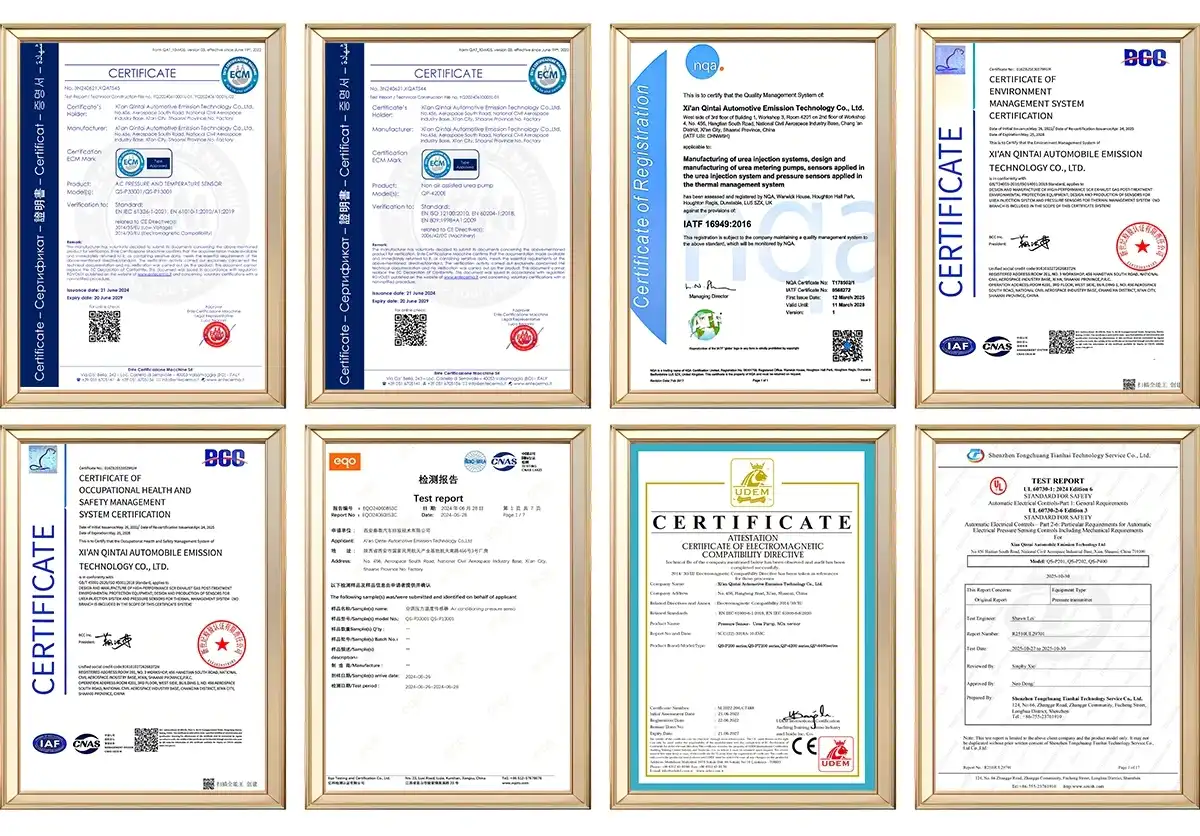
The procurement team should prioritize suppliers of the urea injection system holding both ISO 9001 and IATF 16949 certifications. These standards define quality management systems tailored to automotive components. OEM-certified suppliers retain batch traceability records, protecting buyers during emission audits. Avoid unverified marketplace vendors unable to provide test reports or calibration certificates.
Bulk Purchasing and Cost Control
Long-term supply deals lock in stable prices and make sure that inventory is allocated for fleet managers and parts dealers who handle large orders. Suppliers who have a history of mass production lower the risk of line stops due to lack of parts. In every RFQ, the supplier should agree to a certain annual production volume and lead time.
Why Qintai Is a Strong Option for B2B Buyers
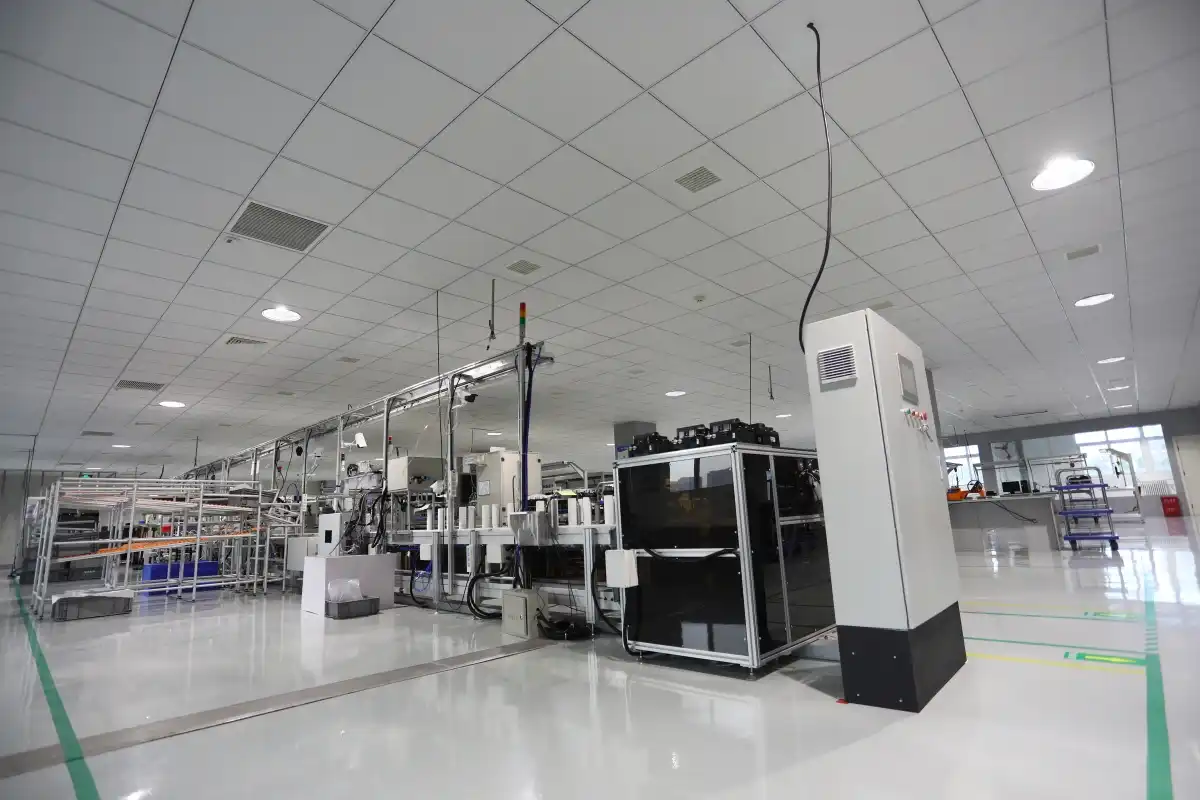
Since 2001, Xi'an Qintai Automotive Emission Technology Co., Ltd. has been making parts for diesel engine SCR aftertreatment. Qintai is a national high-tech company and the biggest original equipment manufacturer (OEM) seller of SCR sensors in China. It is a main provider to Weichai Power, Yuchai Power, and Quanchai Power.
The business is certified by ISO 9001, IATF 16949, CE, UL, and REACH, and it has filed 58 invention patents. Qintai can make products for OEM/ODM customers, let you change the parameters, and send products to more than 60 countries. With these credentials, it is a reliable and audit-ready choice for purchasing teams that need competitive pricing and supplier documentation.
Future Trends in Urea Injection Technology
Smarter Dosing Through Telematics Integration
With real-time NOx sensor feedback linked to fleet telematics, dosing units can now change injection rates based on the chemistry of the exhaust rather than set engine plans. This cuts down on the amount of reagents needed without lowering the compliance margins.
Tighter Regulations Ahead
Heavy-duty NOx standards are being changed by the EPA so that they are 90% lower than they are now by 2027. This means that systems that were built to meet the minimum current standards may need to be replaced sooner than buyers think. That risk is lower when you buy from providers who have busy R&D pipelines.
Sustainability and Material Recyclability
Newer injector designs use fewer rare materials and are made to be easy to take apart when they're no longer needed. As fleet operators are put under more pressure to meet ESG reporting requirements, the ability of parts to be recycled is changing from just being an environmental checkbox to an important part of the buying process.
Conclusion
To choose the best DEF dosing solution of the urea injection system for commercial vehicles, you need to complete technical research, audit suppliers and carefully evaluate total cost of ownership. Every design detail, from the working principle inside the SCR catalyst to heating components preventing AdBlue freezing at −11°C, affects real-world performance.
When buyers make purchases that are in line with both current standards and regulatory requirements that will be needed soon, they can avoid expensive retrofits. Qintai is a reliable urea injection system seller for B2B buyers in heavy trucks, building equipment, and generator sets thanks to its certified manufacturing, long-term OEM partnerships, and global supply network.
FAQ
What is a urea injection system used for?
It adds AdBlue (DEF) to the exhaust stream of a diesel engine.
How often should a urea nozzle be cleaned or replaced?
It changes into ammonia, which mixes with NOx inside the SCR catalyst to cut dangerous emissions by over 90% to meet Euro VI and EPA Tier 4 Final standards.
What pressure does a urea injection nozzle operate at?
The normal working pressure is between 5 and 9 bars, but this can change depending on how the system is built and what the manufacturer says. This pressure level makes sure that the DEF fluid is finely divided in the fast-moving exhaust stream.
What happens if AdBlue freezes in the nozzle?
At -11°C (12°F), AdBlue freezes. If the heater parts aren't built in, a frozen nozzle stops dosing completely, which is against NOx rules. To stop this from happening, good systems have electric heaters for both the tip and the supply lines.
Can urea injection systems be customized for different engine platforms?
Yes. For heavy trucks, farm equipment, generator sets, and industrial exhaust treatment equipment, suppliers like Qintai offer OEM/ODM services with dosing settings that can be changed, custom injector interfaces, and setups that are best for the job.
Partner with Qintai for Your Urea Injection System Supply
Qintai has delivered certified SCR aftertreatment components to OEMs and system integrators across more than 60 countries since 2001. As a verified urea injection system manufacturer holding IATF 16949 and ISO 9001 certifications, we support full OEM/ODM customization, mass production scheduling, and technical documentation for compliance audits. Contact our team today via info@qt-sensor.com to request a product specification sheet, discuss your application requirements, or get a bulk pricing quote.
References
1. European Commission — Euro VI Heavy-Duty Vehicle Emission Standards, 2019.
2. U.S. Environmental Protection Agency — Diesel Exhaust Fluid (DEF) and SCR Technology for Heavy-Duty Vehicles, 2021.
3. ISO — ISO 22241: Diesel Engines — NOx Reduction Agent AUS 32, 2019.
4. SAE International — SCR System Design and NOx Reduction Performance in Heavy-Duty Diesel Engines, SAE Technical Paper Series, 2020.
5. Transport & Environment — How Clean Are Trucks in Europe? Euro VI Compliance Testing Results, 2022.
6. Engine Technology International — Advances in Selective Catalytic Reduction Systems for Commercial Vehicles, 2023.
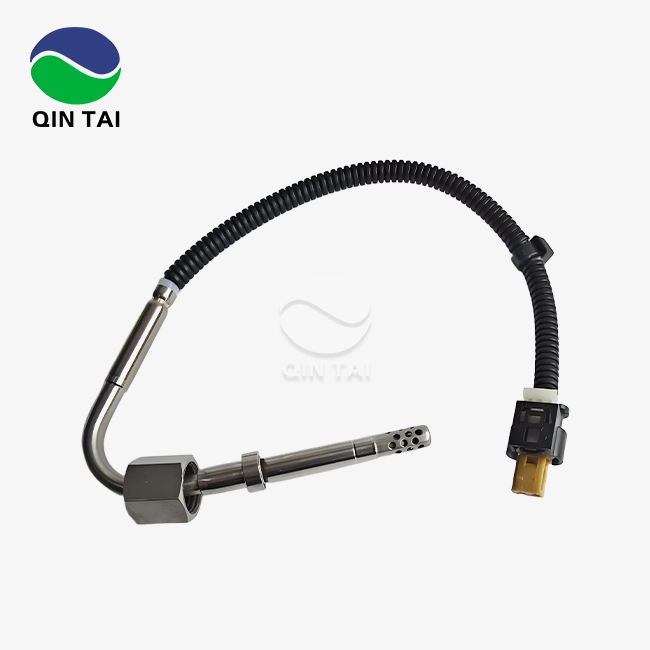
 Sensors.webp)

Our customers’ satisfaction speaks for our quality — contact us to experience the same reliable service.