- English
- French
- German
- Portuguese
- Spanish
- Russian
- Japanese
- Korean
- Arabic
- Greek
- German
- Turkish
- Italian
- Danish
- Romanian
- Indonesian
- Czech
- Afrikaans
- Swedish
- Polish
- Basque
- Catalan
- Esperanto
- Hindi
- Lao
- Albanian
- Amharic
- Armenian
- Azerbaijani
- Belarusian
- Bengali
- Bosnian
- Bulgarian
- Cebuano
- Chichewa
- Corsican
- Croatian
- Dutch
- Estonian
- Filipino
- Finnish
- Frisian
- Galician
- Georgian
- Gujarati
- Haitian
- Hausa
- Hawaiian
- Hebrew
- Hmong
- Hungarian
- Icelandic
- Igbo
- Javanese
- Kannada
- Kazakh
- Khmer
- Kurdish
- Kyrgyz
- Latin
- Latvian
- Lithuanian
- Luxembou..
- Macedonian
- Malagasy
- Malay
- Malayalam
- Maltese
- Maori
- Marathi
- Mongolian
- Burmese
- Nepali
- Norwegian
- Pashto
- Persian
- Punjabi
- Serbian
- Sesotho
- Sinhala
- Slovak
- Slovenian
- Somali
- Samoan
- Scots Gaelic
- Shona
- Sindhi
- Sundanese
- Swahili
- Tajik
- Tamil
- Telugu
- Thai
- Ukrainian
- Urdu
- Uzbek
- Vietnamese
- Welsh
- Xhosa
- Yiddish
- Yoruba
- Zulu
Can a Capacitive Pressure Sensor Measure Low Pressure Accurately?
Yes, a capacitive pressure sensor can measure low pressure accurately when properly designed, calibrated, and matched to the application requirements. These sensors leverage capacitance changes within a deformable diaphragm structure to detect minimal pressure variations, often outperforming alternative technologies in sensitivity and stability. Their low drift characteristics and exceptional responsiveness make them particularly suited for applications requiring precise detection in ranges from near-vacuum conditions up to several bars, especially when environmental compensation and careful signal conditioning are integrated into the system design.
Understanding Capacitive Pressure Sensors and Their Principle
How Capacitive Sensors Detect Pressure Changes?
Capacitive pressure monitors work by measuring changes in electrical capacitance that happen when pressure makes a bendable diaphragm bend. A moveable electrode is connected to the diaphragm, and a fixed electrode is placed on a hard base. There is a dielectric layer between them, which is usually made of air, silicone, or ceramic. When pressure from outside the diaphragm acts on it, the space between the electrodes gets smaller. This makes the capacitance go up by the same amount as the pressure, which is given by C = ε₀εၣA/d. As the distance between the sensor and the object being measured decreases, it sends out an electrical signal that accurately measures the pressure.
Differential capacitance arrangements use two capacitors working together to improve linearity and get rid of common-mode noise in more advanced designs. This arrangement is very helpful when there is low pressure and signal quality is very important. The sensor is naturally sensitive because the capacitance increases exponentially with electrode spacing. This means that it can pick up on tiny changes in pressure that cause the diaphragm to bend.
Advantages Over Piezoresistive and Piezoelectric Technologies
Capacitive sensors are more sensitive at low pressures than piezoresistive sensors, and they use a lot less power, which is important for uses that run on batteries or have limited energy. Changes in resistance inside strain gages are what make piezoresistive devices work. These changes cause more thermal noise and higher temperature drift. Piezoelectric sensors are great for measuring changing pressures, but they can't pick up on static or slowly changing pressures, which makes them less useful in many industrial control situations.
Capacitive sensors are very stable over long periods of time and don't drift much from their baseline. This is a feature that is highly valued in diesel engine emission control systems where accurate readings directly affect compliance with regulations. They work reliably in high temperature ranges—often from -40°C to 135°C—and don't get messed up by electromagnetic waves. This makes them essential in harsh car and industrial settings.
Applications in Critical Industrial and Medical Settings
Capacitive sensors keep an eye on very low breathing pressures with great accuracy in medical respiratory equipment like ventilators and CPAP machines to keep patients safe. In the same way, their small size and tolerance to shaking make them useful for HVAC systems and tire pressure tracking systems in cars. In industrial process control, these sensors give accurate readings in dangerous areas by using designs that are intrinsically safe and reduce the risk of ignition. This is especially true in chemical processing and oil and gas operations.

Challenges of Measuring Low Pressure Accurately with Capacitive Sensors
Inherent Noise and Resolution Constraints
Getting accurate readings of low pressure comes with a number of technical challenges. Sensor noise gets relatively worse as the signal strength goes down, which could make it hard to see small changes in pressure. Uncertainty in measurements is caused by a number of things, including electronic noise from signal conditioning circuits, changes in temperature inside components, and mechanical movements. When the change in capacitance caused by low pressure is below the electronics' detection threshold, resolution is limited, which is a fundamental limitation for any capacitive pressure sensor that relies on tiny deflection measurements. This means that the front-end amplifiers must be very sensitive and the filtering algorithms must be very complex.
Environmental Interference and Drift Factors
Changes in temperature can affect both the dielectric constant of insulating materials and the diaphragm's mechanical properties, which can lead to output drift if it is not properly fixed. Humidity can change the dielectric properties and cause leakage currents to flow in units that aren't hermetically sealed. In diesel engine aftertreatment systems, pressure sensors have to deal with temperature changes caused by exhaust gasses and signal noise caused by vibrations. This means they need to be packaged well and have temperature adjustment circuits built in.
These problems can be solved by choosing the right materials, making sure they are sealed properly, and using modern data processing. Modern devices have temperature monitors built right into the chip and application-specific integrated circuits that use real-time correction methods to keep the accuracy even in harsh circumstances.
Comparative Performance Trade-offs
Capacitive sensors are very sensitive and stable, but they usually need more complicated signal processing than piezoresistive sensors. There is also the matter of cost, since high-precision capacitive units with lots of compensation features cost a lot. Understanding these trade-offs helps procurement managers and R&D engineers balance the need for performance with budget constraints and supply chain issues. This is especially important when choosing sensors for heavy trucks, construction equipment, or farming tools that will be used by a lot of people.
Calibration and Sensitivity Optimization for Precise Low Pressure Measurement
Essential Calibration Procedures for Accuracy
To get an accurate reading of low pressure, the measuring device has to be carefully calibrated throughout the whole manufacturing process. The sensor's transfer function, which connects changes in capacitance to pressure values, is set by multi-point testing over the desired pressure range. Changing the temperature during calibration shows the thermal coefficients, which lets correction methods fix drift. Offset mistakes can be fixed with zero-point adjustment, and full-scale output precision is guarantyd by span calibration.
Calibration that can be traced back to national standards is needed for applications that need to meet China VI or Euro VI emission standards. Certification groups need recorded calibration methods with uncertainty analysis. For diesel engine makers, this means that source qualification processes are very important. Long-term measurement accuracy is kept up by recalibration intervals that are set on a regular basis—usually once a year for important purposes.
Design Strategies to Enhance Sensitivity
Designing the diaphragm is the first step in improving sensitivity. When pressure is applied, thinner diaphragms bend more easily, which raises the capacitance change per unit of pressure. Structures with corrugations make deflection stronger without losing their mechanical strength. Increasing the surface area of an electrode raises its baseline capacitance, which makes signal-to-noise ratios better. The choice of material strikes a balance between sensitivity and longevity. Ceramic diaphragms are very resistant to corrosion and still flexible enough for low pressure sensing.
New developments in signal processing make performance even better. Differential measurement methods get rid of common-mode interference and drift caused by temperature. Noise is separated from the pressure information by synchronous demodulation. Digital filtering techniques make data smooth without adding too much delay, which is important for real-time control applications, especially when the capacitive pressure sensor is used in dynamic systems that require fast and stable response to small pressure variations.
Critical Datasheet Parameters for Procurement
When procurement experts look at sensor specifications, they should pay close attention to a few key factors. Values below 0.5% full scale are considered excellent, like the 0.3% standard found in high-performance models. Non-linearity shows how far away from the ideal reaction the response is. When pressure goes up and down, hysteresis measures how repeatable something is. Lower numbers mean more stability. Zero temperature drift measures the output shift in degrees Celsius, and specifications below 0.03% FS/°C allow operation over a wide range of temperatures without having to re-calibrate the device often.
Full accuracy specs blend linearity, hysteresis, and temperature effects into a single worst-case number, which makes it easier to compare sensors. The sensitivity, which is measured in millivolts per volt (mV/V), tells you how much the output voltage changes per unit of supply voltage. Signal levels between 2 and 4 mV/V are good for most instruments.
Selecting the Best Capacitive Pressure Sensor for Low Pressure Applications
Evaluating Market Options and Supplier Capabilities
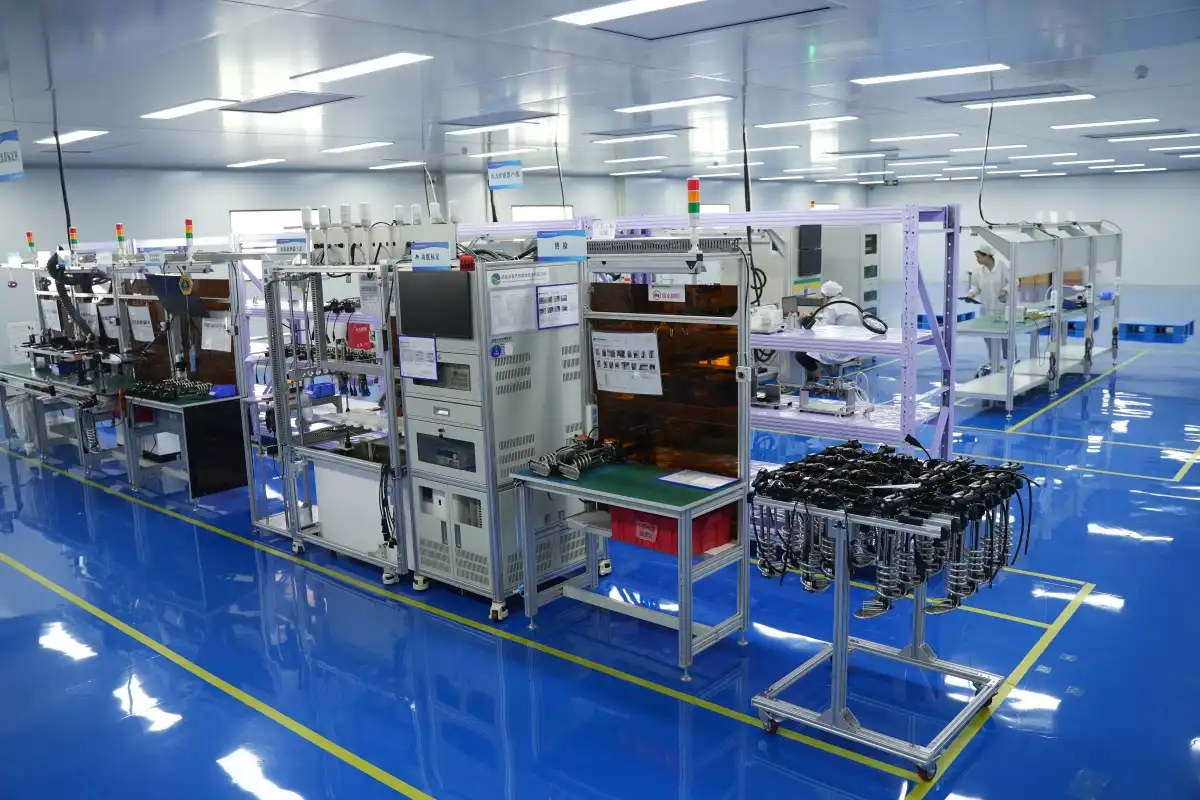
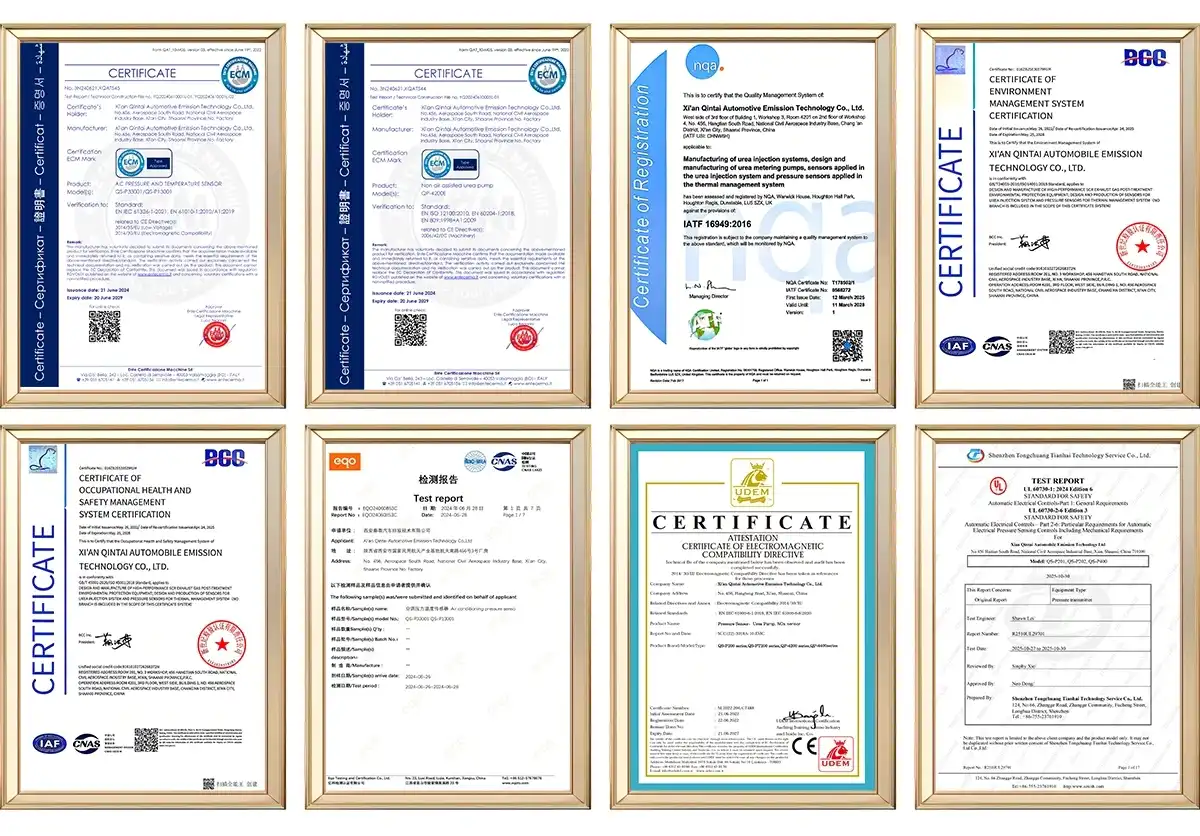
There are well-known companies in the global pressure sensor market that make products that work best in low-pressure situations. Diesel engine OEMs look for suppliers with ISO9001 and IATF16949 certification when choosing sensors for emission aftertreatment systems. This makes sure that the quality control systems meet standards in the car industry. When yearly numbers hit tens of thousands of units, mass production capacity becomes very important. This means that providers need to have manufacturing facilities that can be expanded.
Both technical standards and supply chain security are important. Long-term relationships with key providers lower the risks of parts becoming obsolete and make sure that the quality of the product stays the same from one production run to the next. Customization services providers change standard platforms to meet specific interface needs, power levels, and mounting setups. This makes it easier to integrate into complicated systems.
Key Selection Criteria for Industrial Applications
Accuracy in measurements is the most important thing, and full scale accuracy specifications of ±0.5% or better meet the strictest needs. Environmental robustness determines whether a sensor can work in harsh conditions. Temperature ranges of -40°C to 135°C can accommodate temperatures in diesel exhaust, and safety overload ratings of 200% full scale protect against pressure spikes during engine transients.
The total cost of ownership is another cost that needs to be thought about along with the unit price. When sensors fail less often, warranty claims and repair costs go down. Easy-to-install parts cut down on assembly time, which is especially helpful for aftermarket applications where technicians have different levels of skill. Having enough inventory affects when things get made, so suppliers with stocking programs and short lead times are important from a business point of view.
Introducing the Qintai QS-P105 for Diverse Pressure Ranges
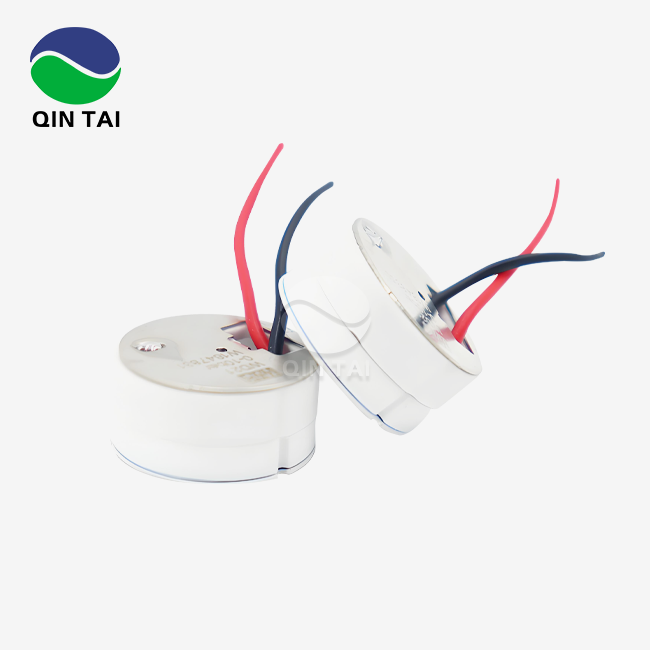
The Qintai QS-P105 ceramic pressure sensor is one of the choices that can be used for both low and high pressure situations. It is best for high pressure situations up to 600 bar, but its wide pressure range, which starts at -1/0 bar, lets you record vacuum and low pressure as well. The sensor has a 96% Al2O3 ceramic diaphragm that is very resistant to rust and wear, which is important for keeping it stable over time in diesel exhaust settings.
The technical specs show the parts of the design that help with accurate measurements. With non-linearity of 0.3% full scale, results are accurate across the whole working range. When the sensitivity is between 2 and 4 mV/V, the output signals are strong and can be used with standard instruments. Specifications for zero temperature drift—less than 0.03% FS/°C for ranges up to 50 bar—allow operation at both room temperature and high temperatures without losing much accuracy. Emission monitoring systems must meet strict standards for accuracy, with a full scale error of ±0.5%.
A supply voltage range of 2 to 30 VDC gives the device a lot of operating freedom. It can work with different car electrical architectures and still use very little power, making it ideal for battery-powered uses. The 200% full scale safety overload grade keeps things from breaking when pressure levels rise, which can happen in hydraulic and gas systems. A bridge resistance of 11±30% kΩ makes the electrical properties stable for signal filtering circuits.
With these features, the QS-P105, a robust capacitive pressure sensor, is a flexible choice for OEMs working on emission aftertreatment systems, building machinery hydraulics, generator set monitoring, and other uses where accurate measurements and long-lasting performance in harsh environments are important. The easy mounting features make integration easier, and the customization options let you adapt to different types of connectors, pressure ports, and electrical interfaces.
Procurement Strategies for Optimal Sourcing
For sourcing to work, the technical needs must be clearly stated and written down on specification sheets that are then sent to possible providers. By asking for evaluation samples, you can try them on a bench in real-world operating settings and make sure they work before placing a production order. By negotiating framework agreements with preferred suppliers, you can get good prices for expected volumes while still being able to adapt to changes in demand.
Checking a supplier's dependability means looking at quality certifications, calling past customers for references, and, if possible, visiting the factory to see how things are made. Full technical support from suppliers helps with choosing sensors, figuring out how to integrate them, and responding quickly to problems in the field. These are especially helpful during the development phase of a product and while troubleshooting production issues.
Future Trends and Innovations in Capacitive Pressure Sensing for Low Pressure
Emerging Technologies Enhancing Performance
As technology keeps getting better, low pressure measurements can be made better. With carefully controlled diaphragm shapes and built-in signal conditioning on single silicon substrates, MEMS manufacturing methods make it possible for sensors to be smaller while still being more sensitive. New clay materials are better at keeping their shape at high temperatures and resisting chemicals, which means that sensors can last longer in harsh settings. Digital calibration methods use complex adjustment algorithms that take into account many external factors at the same time to store correction coefficients in memory that doesn't lose its data when the power goes out.
Wireless sensor networks combine radio connection with pressure measurement, which gets rid of the need for wiring and makes system designs more flexible. Energy harvesting technologies use vibrations or differences in temperature to power sensors. This makes it possible for monitoring systems to work completely on their own, which is great for distributed applications.
Growing Application Sectors Driving Demand
As people get older, they need more breathing support tools, home healthcare monitors, and pressure sensors that can be implanted. Regulations for HVAC system efficiency require accurate airflow monitoring, which means that more sensors are being used in both business and private buildings. As worries about air quality drive demand for distributed sensing infrastructure, more and more environmental monitoring networks are being set up. Industrial IoT projects link pressure sensors to cloud analytics platforms. This lets maintenance plans be planned ahead of time, which cuts down on downtime and improves the efficiency of the process.
Tougher emission rules around the world speed up the use of advanced aftertreatment systems that need more than one pressure sensor to keep an eye on SCR and DPF. Heavy truck makers are looking for sensors that meet China VI and Euro VI standards, work with diagnostic routines, and last a long time in harsh working conditions. More and more, agricultural equipment uses precise hydraulics with closed-loop pressure control, which calls for sensors that are fast and have good accuracy.
Supplier Adaptations to Market Evolution
In response to these trends, major manufacturers are adding application-specific versions to their product lines, providing digital output options such as I2C and SPI interfaces, and creating modular platforms that allow for quick customization. Delivery times are cut down by global distribution networks, which also offer expert help in key markets. Collaborative engineering services help customers get the most out of sensor integration by solving problems with mounting, sealing, and electrical connections while the product is being made.
Getting certified for medical, hazardous area, and vehicle uses shows that the provider cares about quality and following the rules. Investing in research and development (R&D) skills, as shown by patent portfolios and membership in industry standards groups, shows that a company will be around for a long time and be a technology star.
Conclusion
When designed correctly, capacitive pressure sensors can measure low pressure accurately as long as the sensitivity is optimized, the environment is taken into account, and the signal is well-conditioned. They work better in tough industrial and medical settings because they have built-in benefits like using less power, not drifting much, and being very stable. To choose the best sensors, you have to compare their technical specs to the needs of the application while also taking into account the qualifications of the seller, their ability to make changes, and the stability of their supply chain. As rules on emissions get stricter and automation in factories gets better, capacitive sensors will become more important in systems where accuracy of measurements affects safety, efficiency, and following the rules.
FAQ
Q1: Can capacitive sensors measure vacuum and near-vacuum pressures effectively?
A: Capacitive designs work well for measuring vacuums, and some types can even find exact pressures below 1 bar. When measuring against sealed reference chambers, differential setups give exact readings in conditions close to vacuum. Accuracy is kept over time with good seals and outgassing control.
Q2: What environmental factors most significantly affect low pressure measurement accuracy?
A: Changes in temperature can change the properties of a material, which can affect both its ability to bend mechanically and its ability to conduct electricity. In non-hermetic sensors, humidity changes the dielectric constants. Vibration makes noise from moving parts. These effects are lessened in modern sensors by having compensation circuits, hermetic sealing, and mounting that doesn't move around.
Q3: How often should capacitive pressure sensors be recalibrated in critical applications?
A: Most industrial uses can be met with a yearly recalibration that keeps the accuracy within certain limits. Depending on the rules, medical devices and systems that check for emissions may need to be checked more often. Shorter intervals are better for sensors that are working in harsh conditions. Monitoring drift through regular checks finds units that need to be re-calibrated sooner.
Partner with Qintai for High-Performance Pressure Sensing Solutions
The success of a project depends on choosing the right capacitive pressure sensor supplier in terms of product quality, expert help, and the dependability of the supply chain. Qintai Automotive Emission Technology Co., Ltd. has been making pressure sensors for over 20 years and works with diesel engine OEMs, aftertreatment system installers, and industrial equipment manufacturers all over the world. Our QS-P105 series has the accuracy and durability needed for emission-critical applications, and it can also be customized to meet specific needs. We produce products that meet the highest quality standards because we have ISO9001, IATF16949, and other foreign certifications. Contact our engineering team at info@qt-sensor.com to talk about your application needs, get technical specs, or get quotes for capacitive pressure sensor options that are made just for your project. Learn more about our wide range of products at qt-sensor.com, and find out why top manufacturers trust Qintai as their pressure sensor supplier.
References
1. Webster, J.G. (2017). The Measurement, Instrumentation and Sensors Handbook: Spatial, Mechanical, Thermal and Radiation Measurement. CRC Press.
2. Bao, M. (2019). Analysis and Design Principles of MEMS Devices. Elsevier Science.
3. Fraden, J. (2016). Handbook of Modern Sensors: Physics, Designs, and Applications (5th ed.). Springer International Publishing.
4. Norton, H.N. (2018). Sensor and Analyzer Handbook. Prentice Hall PTR.
5. Keil, S. (2020). Technology and Practical Use of Strain Gages. Wilhelm Ernst & Sohn.
6. Tian, B., Zhao, Y., Jiang, Z., & Hu, B. (2021). Advances in capacitive pressure sensors for automotive and industrial applications. Journal of Sensor Technology and Applications, 15(3), 142-158.
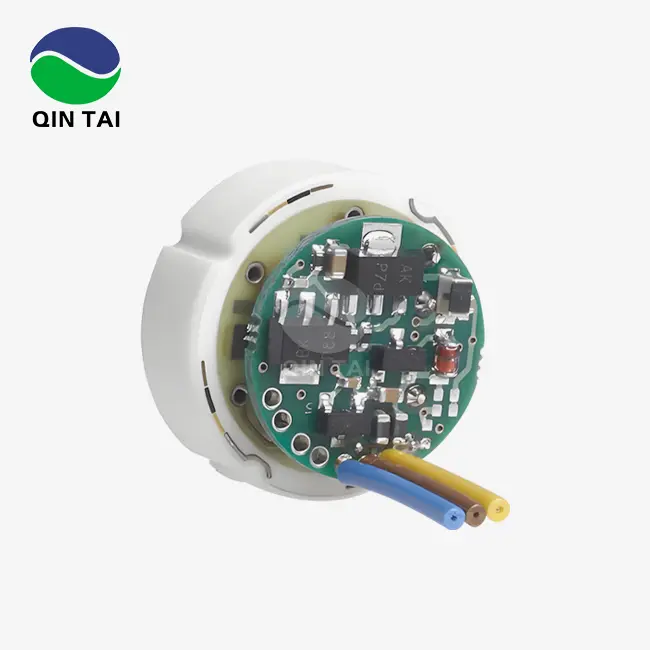
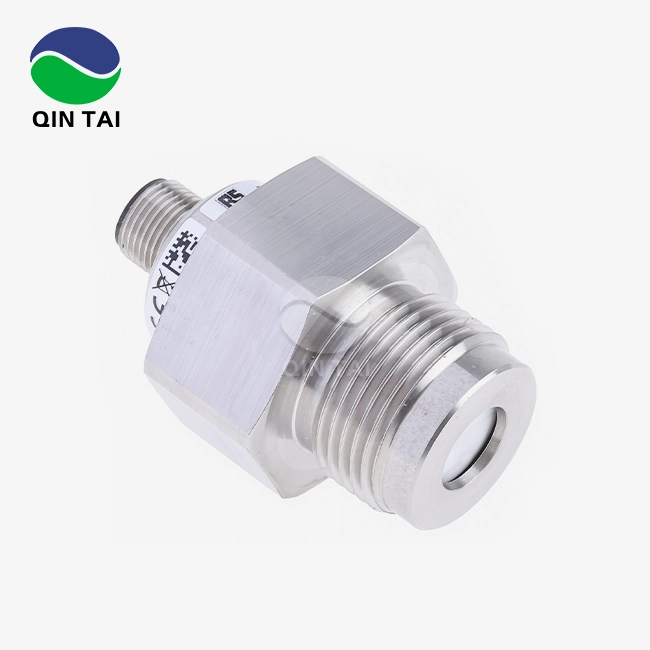
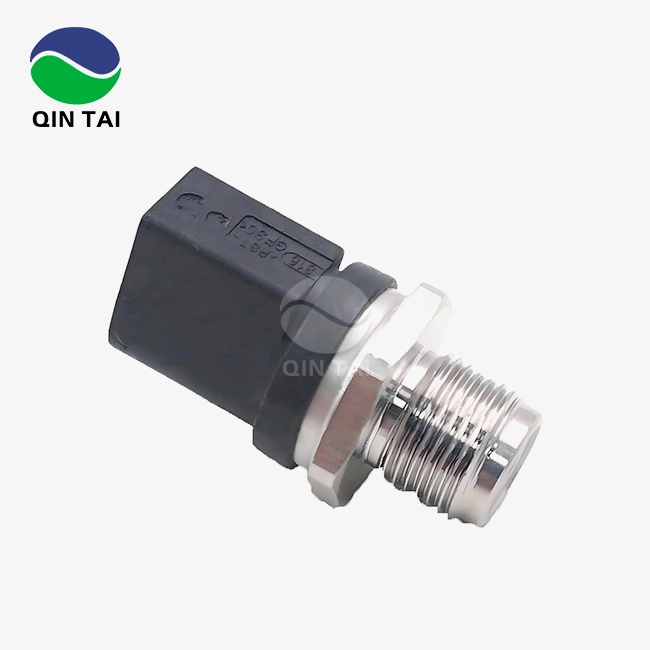

Our customers’ satisfaction speaks for our quality — contact us to experience the same reliable service.