- English
- French
- German
- Portuguese
- Spanish
- Russian
- Japanese
- Korean
- Arabic
- Greek
- German
- Turkish
- Italian
- Danish
- Romanian
- Indonesian
- Czech
- Afrikaans
- Swedish
- Polish
- Basque
- Catalan
- Esperanto
- Hindi
- Lao
- Albanian
- Amharic
- Armenian
- Azerbaijani
- Belarusian
- Bengali
- Bosnian
- Bulgarian
- Cebuano
- Chichewa
- Corsican
- Croatian
- Dutch
- Estonian
- Filipino
- Finnish
- Frisian
- Galician
- Georgian
- Gujarati
- Haitian
- Hausa
- Hawaiian
- Hebrew
- Hmong
- Hungarian
- Icelandic
- Igbo
- Javanese
- Kannada
- Kazakh
- Khmer
- Kurdish
- Kyrgyz
- Latin
- Latvian
- Lithuanian
- Luxembou..
- Macedonian
- Malagasy
- Malay
- Malayalam
- Maltese
- Maori
- Marathi
- Mongolian
- Burmese
- Nepali
- Norwegian
- Pashto
- Persian
- Punjabi
- Serbian
- Sesotho
- Sinhala
- Slovak
- Slovenian
- Somali
- Samoan
- Scots Gaelic
- Shona
- Sindhi
- Sundanese
- Swahili
- Tajik
- Tamil
- Telugu
- Thai
- Ukrainian
- Urdu
- Uzbek
- Vietnamese
- Welsh
- Xhosa
- Yiddish
- Yoruba
- Zulu
Top 5 SCR Dosing Pump Features for Reliable Diesel Emissions
Selecting the right SCR dosing pump can mean the difference between seamless regulatory compliance and costly operational disruptions. An SCR dosing pump delivers AdBlue or Diesel Exhaust Fluid from storage tanks to emission control systems at precisely calibrated pressures and flow rates. These pumps ensure that NOx reduction catalysts receive the exact amount of urea solution needed to convert harmful nitrogen oxides into harmless nitrogen and water vapor, maintaining compliance with EPA standards and international emission regulations while preserving engine performance across heavy-duty applications.
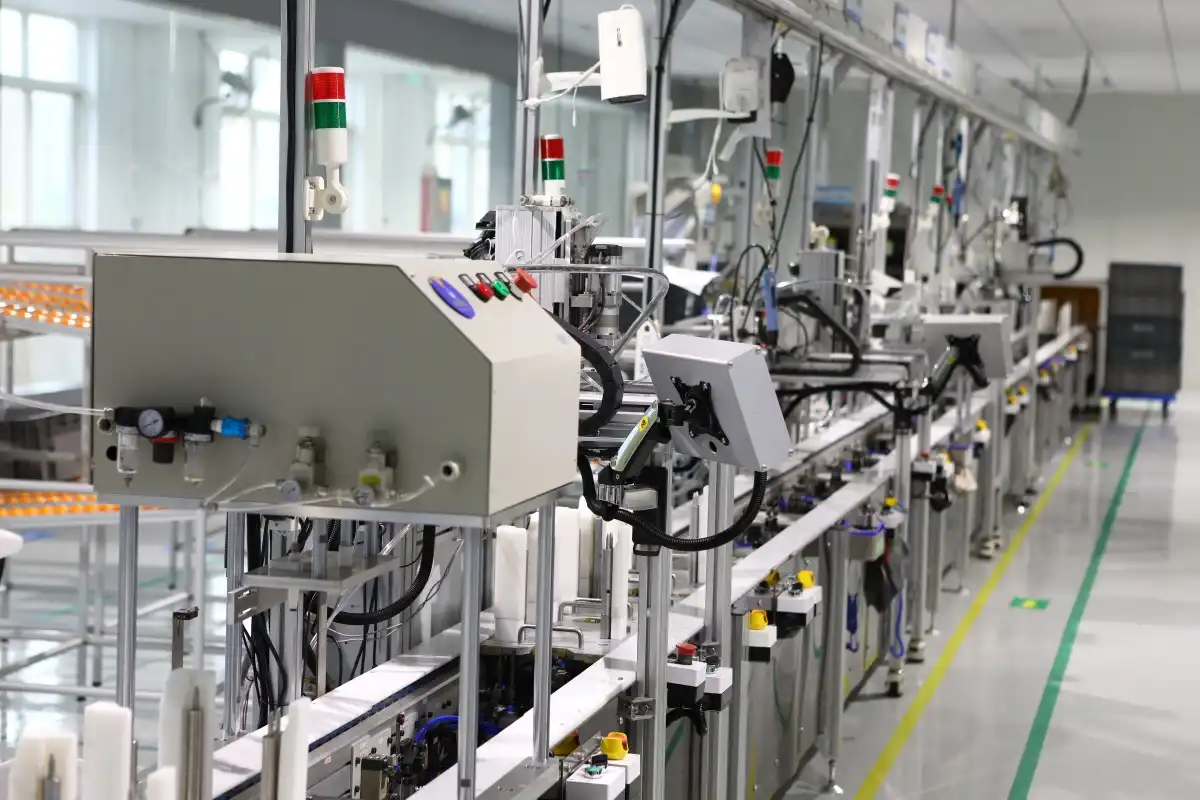
Precision and Accuracy in SCR Dosing Pumps
Why Precision Matters in Emission Control Systems?
Dosing urea correctly has a direct effect on both meeting emission standards and running the business efficiently. When dosing systems give engines the wrong amount of AdBlue, they either fail pollution tests or lose the expensive solution. The costs go beyond the cost of the fluid; too much dosing leads to ammonia slip and damage to the catalyst, while too little dosing causes diagnostic trouble codes and poor engine performance that can stop operations.
These days, SCR Dosing Pumps have electronic control units built in that talk to the Engine Control Unit all the time. This ongoing conversation controls the amount of dosing based on the engine's load, exhaust flow rates, and feedback from the NOx sensor. Digital flow meters and closed-loop feedback systems in more advanced models allow delivery rates to be changed within milliseconds, keeping accuracy even when working conditions change.
How Precision Technology Reduces Operational Costs?
Through algorithmic optimization, precisely designed urea dosing machines cut down on waste. Manufacturers of emission control equipment have found that high-accuracy pumps use 8–12% less DEF than normal models. This means that fleet owners who are in charge of hundreds of cars can save a lot of money. The technology also keeps crystals from building up inside dosing units, which cuts down on upkeep times and makes parts last longer. When purchasing managers are thinking about how to keep costs down in the long term, they should look for pumps that have clear accuracy requirements, usually within ±2% of the expected range of temperatures.

Robust Construction and Materials Compatibility
Material Selection for Chemical Resistance
Diesel Exhaust Fluid has high levels of urea, which speeds up corrosion in materials that don't react well with it. Pumps made with housings made of stainless steel, PVDF seals, and ceramic valve parts are much more resistant to chemical breakdown. These decisions about materials stop early wear that leads to changes in pressure and incorrect doses. When used in harsh conditions like mines, on farm equipment that gets dusty and wet, or on marine generator sets that get salt spray, the quality of the materials determines how long the pumps will last, which is why a reliable SCR Dosing Pump must be built with these corrosion-resistant components to maintain accurate fluid delivery over its entire service life.
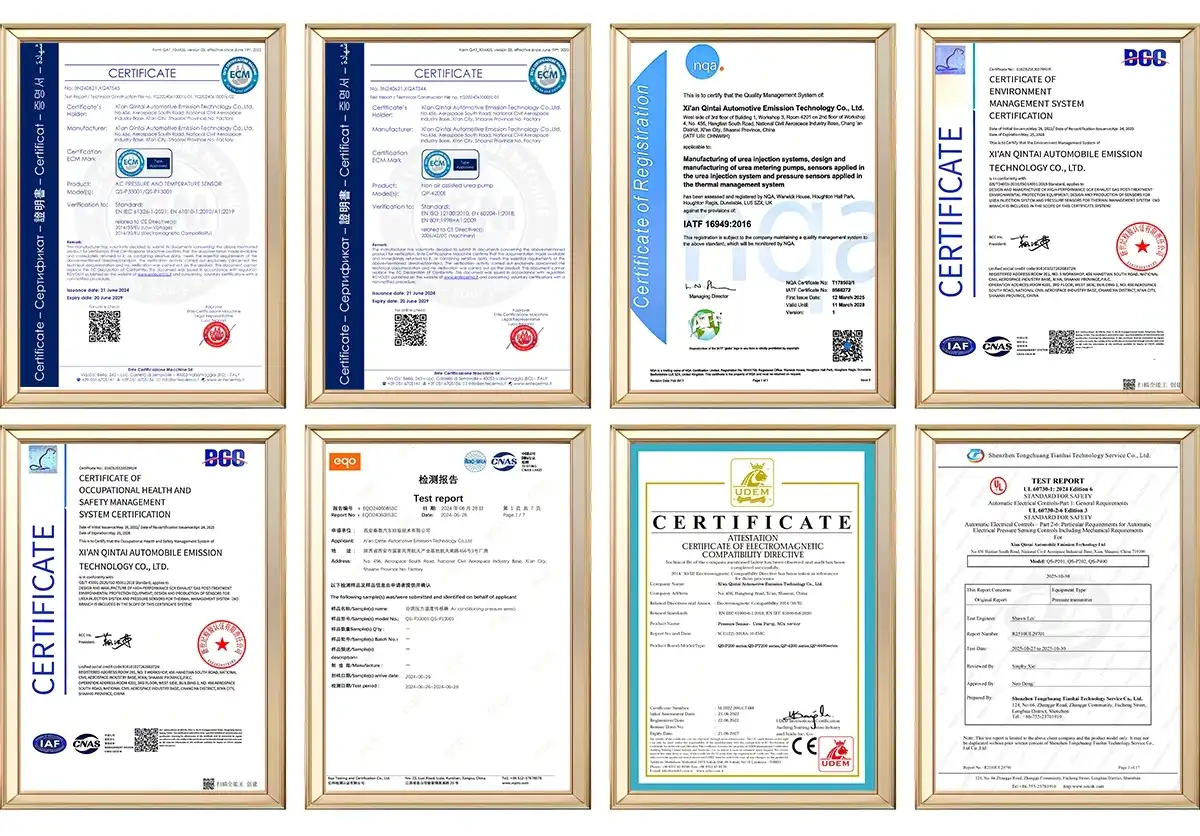
When manufacturers use ISO9001 and IATF16949 quality standards, they make sure that strict material requirements are met throughout the production process. Chemical compatibility certifications must be given by component providers, and finished assemblies must go through pressure cycle tests that mimic years of use. When evaluating a supplier, people who work in procurement should ask about the specifications of the materials and the methods used for corrosion testing.
Durability in Extreme Operating Conditions
Heavy trucks and construction equipment work in temperatures that are very hot or very cold, which can damage parts that control emissions. Good urea pumps have built-in heating and logic that stops them from freezing, which makes sure that AdBlue melts before delivery attempts start. dose doesn't start until the solution temperature goes above the freezing point. This keeps ice crystals from damaging precise dose valves.
It turns out that thermal cycling resistance is just as important. When engines go from being idle to fully loaded, the temperature changes quickly, putting stress on the pumps as they expand and contract. During these cycles, the pressure stays the same because the parts are stuck together with high-temperature gaskets and thermally resistant adhesives. R&D engineers should look at thermal performance data that covers the whole operating range their applications need, which for heavy-duty applications in North America is usually -40°F to 185°F.
Energy Efficiency and Operational Cost Savings
Understanding Power Consumption in Dosing Systems
Urea pump diesel systems that use less energy have variable speed drives and low-power motors that change how much energy they use based on how much urea is being dosed. In order to keep these clever systems from constantly running at full capacity, they only turn on when pollution control needs to be done. This method cuts down on parasitic power draw, which is very important for battery-powered extras in generator sets and construction equipment where every watt counts for runtime.
More efficiency gains are made possible by small, combined designs that combine the pump, filter, and heater units. These unified assemblies get rid of unnecessary parts and improve thermal management, which means less energy is needed to keep the operating temperature steady. Another sign of an efficient design is low noise operation, which means that there is less mechanical friction and energy waste in the pump systems.
Calculating Total Cost of Ownership
When technical managers look at SCR solutions, they should look at the costs that come up over the course of the solution's life. A full cost model includes how much fluid is used, how often it needs to be maintained, how often parts need to be replaced, and how much energy will cost over the expected service life. Overall, energy-efficient pumps with proven durability always have a lower total cost of ownership, even if they cost more to buy at first, and this holds especially true for the SCR Dosing Pump, where reliability directly affects fluid consumption and maintenance frequency.
Leading manufacturers offer detailed operational cost calculators that take into account pricing for fluids, duty cycles, and energy rates in different areas. By showing how much money will be saved over time, these tools help procurement departments convince management of the value of more expensive options. Ask for case studies from providers that show how they cut costs in situations similar to yours when you are reviewing them.
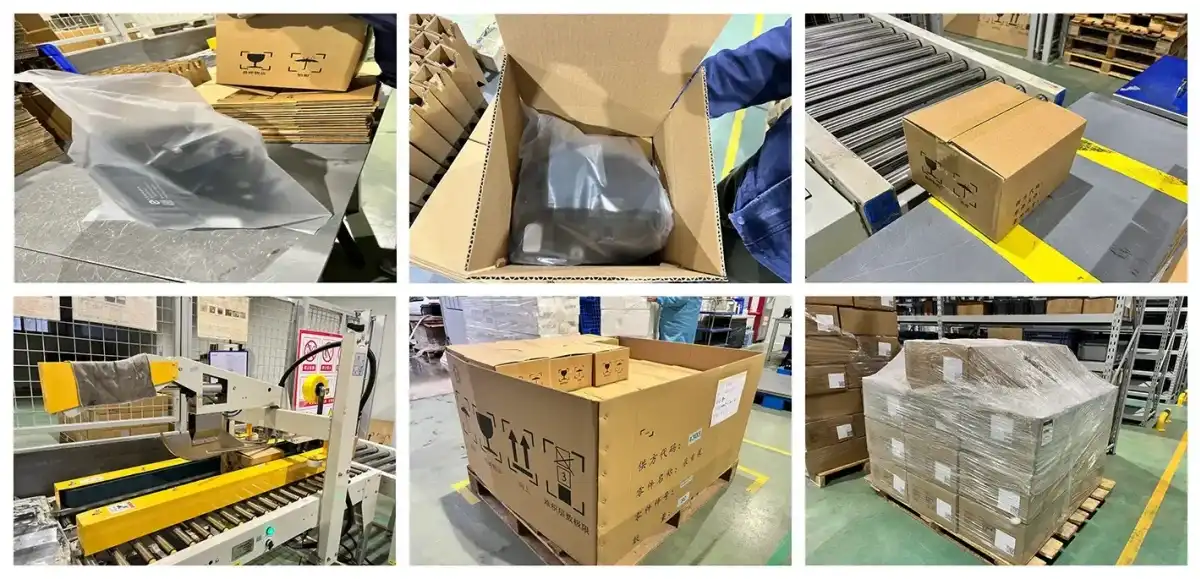
Ease of Installation and Integration with Existing Systems
Modular Design Accelerates Implementation
Timelines and staff costs are directly affected by how hard the installation is. Installing urea dosing pumps with modular designs and plug-and-play electrical connections takes 30–40% less time than installing systems that need to be custom made. When retrofitting old vehicles or adding aftertreatment systems to new equipment, flexible mounting configurations make the most of limited space.
Standardized communication methods make it possible for different Engine Control Units to work together without any problems. When pumps support CANbus, J1939, and other industry-standard protocols, they don't need special software development, which lowers the risks of integration. To avoid expensive interface engineering, technical managers should check for protocol compatibility while specifications are being made.
Support Services That Minimize Installation Challenges
Professional suppliers are different from component vendors because they offer full installation instructions, training materials, and expert support. Technicians can safely finish installations with the help of detailed instructions that include torque specs, wiring diagrams, and troubleshooting tips. Some manufacturers offer installation help through remote video support or, for more complicated jobs, on-site commissioning services.
Parts availability affects how to plan an installation and how well it will work in the long run. Suppliers who keep replacement parts in regional distribution centers make sure they get to you within days, not weeks, which is critical for keeping an SCR Dosing Pump operational with minimal downtime. As part of qualifying a supplier, supply chain managers should look at the seller's distributor networks and stock amounts. This is especially important for aftermarket uses where downtime costs add up quickly.
Maintenance Accessibility and Troubleshooting Features
Built-In Diagnostics Simplify Service Operations
Modern urea doser pump models have self-diagnostic features that keep an eye on performance parameters all the time. These systems find problems with pressure, flow rate, electricity, and temperature before they become problems. Automated self-checks during key-on sequences make sure the system is working properly, and dashboard warning systems let operators know when problems start to appear.
Maintenance workers can check the accuracy of doses without using external test tools because flow rate calibration features let them do this. By keeping track of performance trends over time, pumps that store operational data make predictive maintenance strategies possible. When strange patterns like gradually longer activation times or changes in pressure show up, maintenance teams can plan to fix things during planned downtime instead of having to react to failures that happen out of the blue.
Reducing Maintenance Burden Through Design
Service time is cut down by modular replaceable parts, easy-to-reach filter cartridges, and fluid lines that can be quickly disconnected. Technicians can do regular repair on systems that are well-designed in less than 30 minutes without having to use special tools. This makes it very useful in remote situations where complicated fixes are hard to make. For example, farming equipment that needs to be serviced on farms or generator sets that need to be fixed at mines.
Manufacturers that offer full after-sales support offer technical hotlines, maintenance training, and warranty programs that cover more than the standard terms. These services show that the seller wants to build long-term partnerships instead of just making sales. When comparing technical specs that are otherwise identical, procurement managers should put a lot of weight on the after-sales skills. This is because responsive help keeps small problems from turning into operational crises.
Conclusion
When choosing a reliable urea dosing pump technology, you need to find a balance between precise engineering, sturdiness, efficiency, ease of integration, and ease of upkeep. The five features listed—accurate dosage, strong materials, low energy use, easy installation, and the ability to diagnose problems—directly address the practical problems that diesel engine makers, aftertreatment installers, and equipment users face. When purchasing managers put these traits at the top of their list when evaluating suppliers, they can be sure that the solutions they get will meet regulatory requirements, have low lifecycle costs, and allow demanding applications to run without interruption, especially when the SCR Dosing Pump is the core component that ties all these performance factors together. Technical specifications are important, but so are the qualifications of the supplier, the infrastructure for support, and the company's track record of investing in research and development to make things better all the time.
FAQ
Q1: What is the primary function of an SCR dosing pump?
A: At carefully set pressures, the urea pump moves AdBlue from storage tanks to dosing units. It makes sure that the right amount of NOx is added to SCR catalyst systems and that the right flow rates and pressure levels are kept at all times so that the catalytic conversion works well. It talks to the engine's control systems to change the amount of fluid delivered based on current operating conditions.
Q2: How should buyers select appropriate urea dosing pumps for their applications?
A: As part of the selection process, the material must be compatible with DEF solutions and have a flow rate capacity that matches the engine's displacement and emission levels. The pressure specifications must also match the needs of the dosing module. Buyers should also look at the controls that allow for exact adjustments, how easy it is to do upkeep, how well the product meets regional emission standards, and the supplier's support services, such as expert help and spare parts availability.
Q3: What advantages do high-quality urea pumps provide?
Premium dose systems are very reliable because they are well-built, made of materials that don't rust, and have small, combined designs that combine the functions of a pump, filter, and heater. Because they have built-in freeze protection and purge functions, they keep dosing accurate at all temperatures while using less energy and making less noise than normal options.
Partner with a Trusted SCR Dosing Pump Manufacturer
Since 2001, Xi'an Qintai Automotive pollution Technology Co. Ltd. has worked with Weichai Power, Yuchai Power, and Quanchai Power as a key partner to provide pollution control solutions to their vehicles. Our self-made urea dosing pumps are backed by 58 invention patents and a wide range of certifications, such as IATF16949, ISO9001, and UL. They combine precise engineering with industrial-grade reliability. We can make changes that are flexible to fit your needs, whether you need a small installation for construction equipment or a heavy-duty generator set. Get in touch with our technical team at info@qt-sensor.com to talk about how our SCR Dosing Pump solutions can improve your emission control while lowering your operational costs by being more reliable and efficient.
References
1. Johnson, M.R., & Patterson, K.L. (2021). Diesel Emission Control Technologies: SCR System Performance and Optimization. Society of Automotive Engineers International.
2. Environmental Protection Agency. (2022). Heavy-Duty Engine and Vehicle Standards: Compliance and Testing Procedures. EPA Office of Transportation and Air Quality.
3. Zhang, W., & Liu, H. (2023). Advanced Materials for Automotive Emission Control Systems. Journal of Chemical Engineering and Materials Science, 15(3), 234-249.
4. International Organization for Standardization. (2020). ISO 22241: Diesel Engines - NOx Reduction Agent AUS 32 - Part 4: Refilling Interface. ISO Technical Committee.
5. Anderson, T.P. (2022). Total Cost of Ownership Analysis for Commercial Vehicle Emission Control Systems. Fleet Management Quarterly, 28(2), 112-127.
6. European Automobile Manufacturers Association. (2023). SCR Technology Implementation Guidelines for Heavy-Duty Applications. ACEA Technical Standards Department.
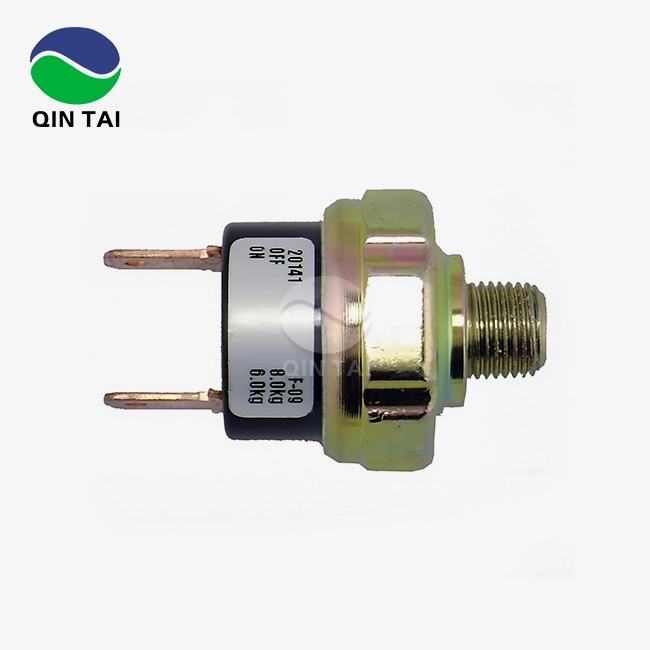
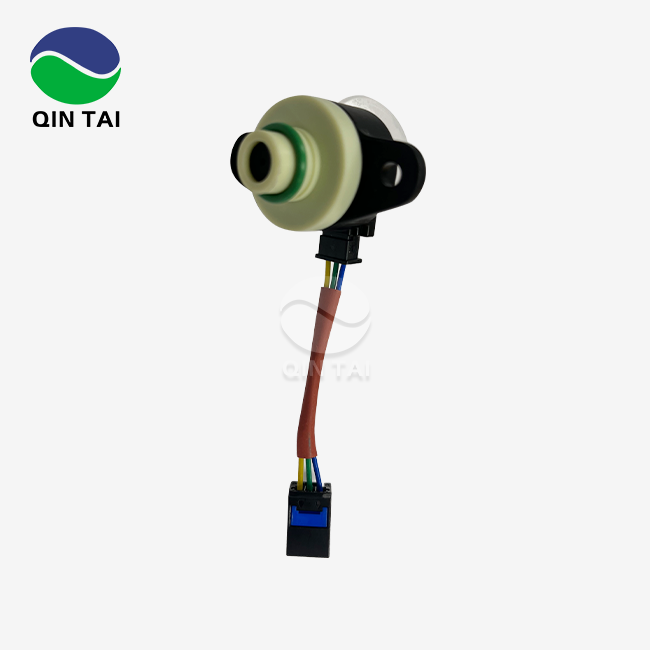
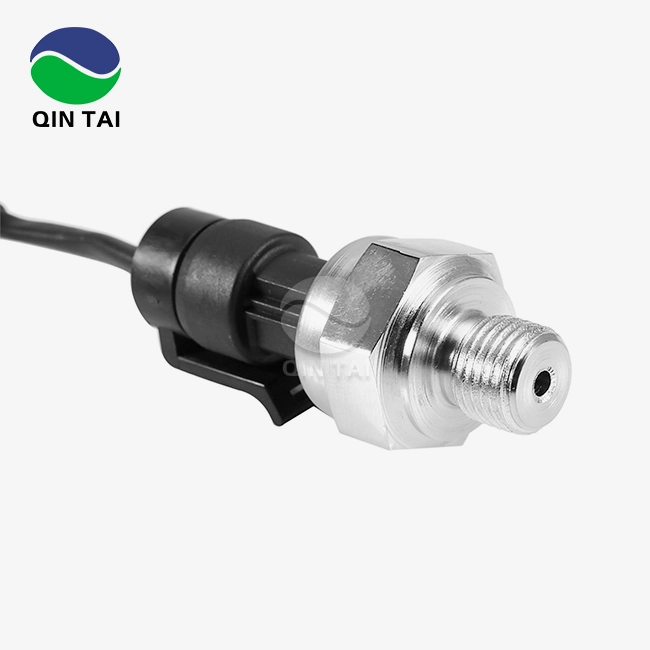
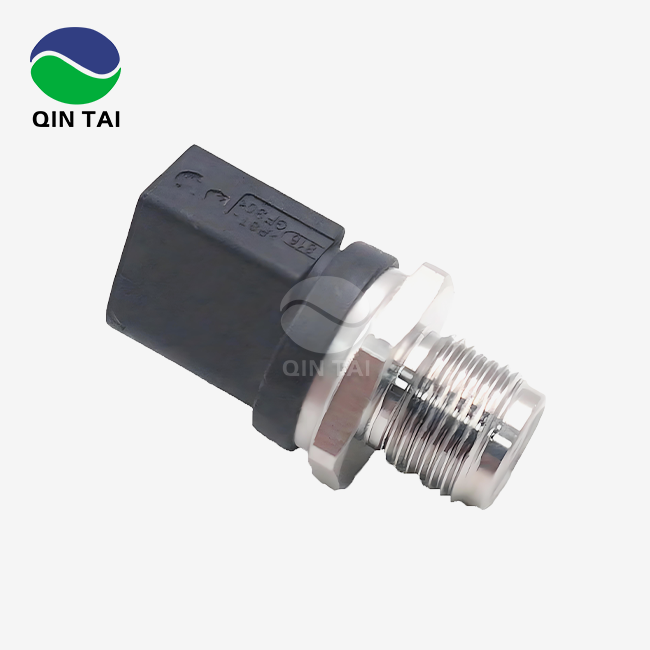

Our customers’ satisfaction speaks for our quality — contact us to experience the same reliable service.