- English
- French
- German
- Portuguese
- Spanish
- Russian
- Japanese
- Korean
- Arabic
- Greek
- German
- Turkish
- Italian
- Danish
- Romanian
- Indonesian
- Czech
- Afrikaans
- Swedish
- Polish
- Basque
- Catalan
- Esperanto
- Hindi
- Lao
- Albanian
- Amharic
- Armenian
- Azerbaijani
- Belarusian
- Bengali
- Bosnian
- Bulgarian
- Cebuano
- Chichewa
- Corsican
- Croatian
- Dutch
- Estonian
- Filipino
- Finnish
- Frisian
- Galician
- Georgian
- Gujarati
- Haitian
- Hausa
- Hawaiian
- Hebrew
- Hmong
- Hungarian
- Icelandic
- Igbo
- Javanese
- Kannada
- Kazakh
- Khmer
- Kurdish
- Kyrgyz
- Latin
- Latvian
- Lithuanian
- Luxembou..
- Macedonian
- Malagasy
- Malay
- Malayalam
- Maltese
- Maori
- Marathi
- Mongolian
- Burmese
- Nepali
- Norwegian
- Pashto
- Persian
- Punjabi
- Serbian
- Sesotho
- Sinhala
- Slovak
- Slovenian
- Somali
- Samoan
- Scots Gaelic
- Shona
- Sindhi
- Sundanese
- Swahili
- Tajik
- Tamil
- Telugu
- Thai
- Ukrainian
- Urdu
- Uzbek
- Vietnamese
- Welsh
- Xhosa
- Yiddish
- Yoruba
- Zulu
What Is the Best AdBlue Dosing System for Modern Heavy-Duty Trucks?
The best AdBlue dosing system for modern heavy-duty trucks combines precision injection technology, robust sensor integration, and proven durability under demanding operational conditions. Leading systems feature electronic control units capable of accurate urea delivery across varying engine loads, temperature-resistant components that withstand -40°C to +85°C extremes, and ISO 22241-compliant filtration to protect delicate SCR catalysts. Optimal solutions balance emission reduction efficiency with total cost of ownership, delivering consistent NOx conversion rates above 95% while supporting EPA Tier 4 and Euro VI compliance. Advanced dosing systems integrate seamlessly with existing engine management platforms, offering real-time diagnostics and predictive maintenance capabilities essential for fleet operators seeking maximum uptime.
Introduction
Today's diesel engines are under a lot of pressure to meet strict environmental standards while still running efficiently. The AdBlue Dosing System is an important part of the Selective Catalytic Reduction (SCR) system, which has become the most popular way to reduce nitrogen oxide pollution. Picking the right dosing design has a direct effect on following the rules, getting the best gas mileage, and lowering the cost of long-term upkeep.
When buying diesel engines, procurement managers and research and development engineers have to make tough choices that balance technical performance with budget constraints and the ability to make more engines. To meet the needs of their projects, aftertreatment system installers need sensors that can work with a variety of systems and quick delivery times. This in-depth study looks at these stakeholders' top goals and gives evidence-based advice on how to choose dosing systems that give heavy-duty uses real operational benefits.
Understanding AdBlue Dosing Systems and Their Importance
Core Components and System Architecture
The AdBlue Dosing System is made up of five parts that are all linked and work together perfectly. The storage tank keeps the fluid's integrity by having heating elements that stop crystallization when it's cold outside. A special pump raises the pressure of the urea solution to 5–10 bar, which lets the injection tip atomize the solution. Several sensors, such as temperature, pressure, and NOx detectors, constantly check the system's settings and the make-up of the exhaust gas.
The electrical control unit takes in data from the sensors and figures out the best dose amounts based on the engine's load, speed, and exhaust temperature. In modern systems, there is a urea filter adblue between the tank and the pump. This filter gets rid of tiny particles that could affect how well the injector works. Partially because of its 5–10 micron synthetic media made to work with 32.5% urea solutions, this filter part stops particulate-induced clogging, which is known as the "silent killer" of SCR systems.
Why Precision Dosing Matters?
To meet emission goals and keep system damage from being too expensive, accurate urea delivery is a must. Under-dosing causes not enough NOx to be converted, which causes the engine to lose power and leads to fines from regulators for not following the rules. When you use too much, ammonia slip—unburned ammonia going through the catalyst—happens. This makes dangerous secondary emissions and speeds up the breakdown of the catalyst.
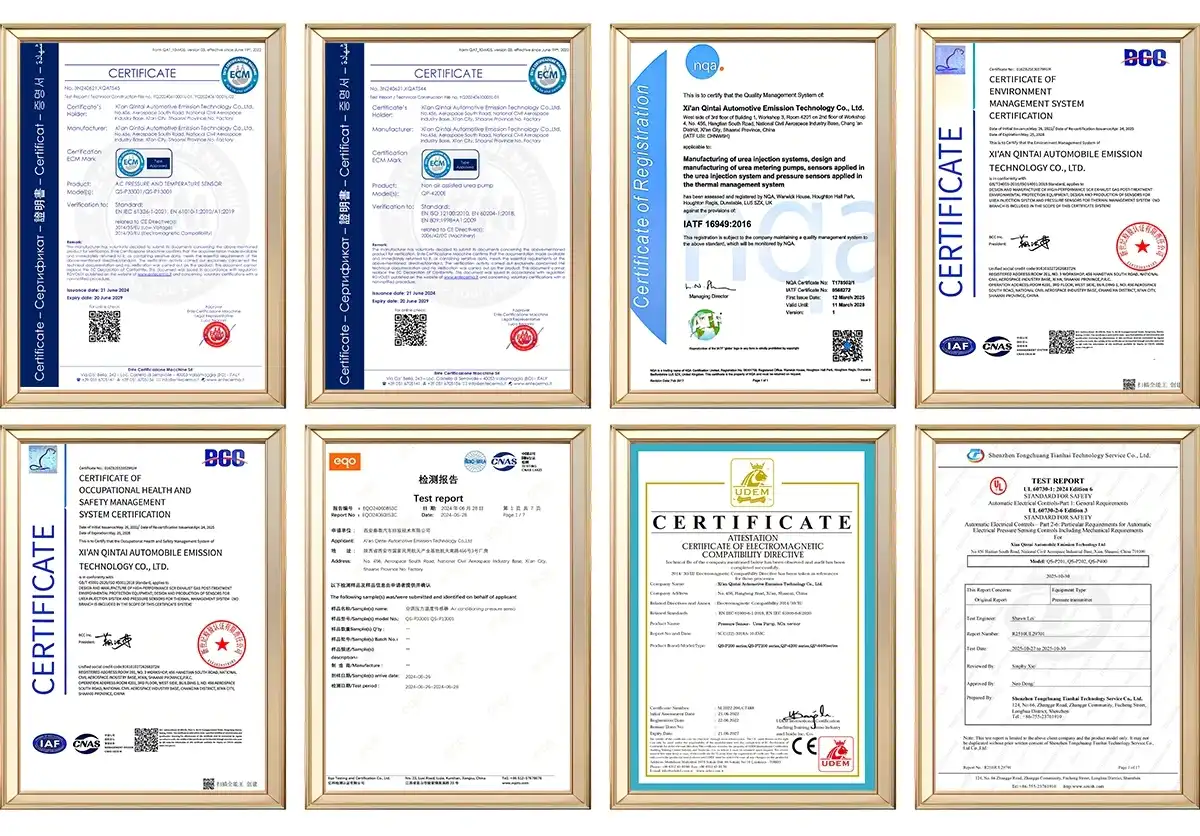
According to research by the Diesel Technology Forum, accurate dosing within ±3% keeps the SCR working at its best across the entire operational range of the engine, which is precisely what a well-calibrated AdBlue Dosing System must deliver. Reputable makers use quality control methods like bubble point testing to make sure the pores are intact and multipass testing according to ISO 19438 standards to make sure the filter works well enough for precise dosing pumps. Purchasing managers should give more weight to providers who have IATF 16949 approval, which ensures stability from batch to batch, which is important for OEM mass production needs.
Impact on Operational Economics
In addition to compliance, the choice of dosing system affects the total cost of running the fleet in a number of ways. Compared to entry-level options, efficient systems cut AdBlue use by 2 to 4 percent, which saves a lot of money for big companies. Reliable parts increase the time between service visits, which lowers the cost of upkeep work and cuts down on unplanned downtime. The technical features of high-grade filter elements, such as their ability to withstand urea's corrosive effects and their mechanical strength under steady vibration, directly affect how long a component lasts. Premium filters with special melt-blown media can hold 40% more dirt than regular filters, which means they only need to be replaced every 120,000 to 200,000 km instead of every 80,000 km like cheaper filters.
Comparing Leading AdBlue Dosing System Technologies for Heavy-Duty Trucks
Electronic Versus Mechanical Control Systems
In the heavy-duty market, there are two main architectures, and each has its own benefits for different uses. Electronic systems use pulse-width modulation to control how long the injector valve opens for. This lets them achieve dosing accuracy of within ±2% even when the exhaust flow conditions change. These setups work perfectly with CAN bus networks, which lets engine control units and telematics systems talk to each other in real time. The closed-loop feedback from NOx sensors lets the dose be changed all the time, which improves performance during changing load conditions that happen a lot in construction and public transit.
Mechanical systems use pressure differentials and flow control valves, which make them naturally simple and less complicated than electrical systems. Even though they aren't as accurate as their electronic peers (usually within ±5%), these setups are very reliable in harsh settings with big changes in temperature or electrical interference. Off-highway equipment makers often choose mechanical designs for farming and mining activities that are far away and may not have easy access to electronic parts.
The performance gap keeps getting smaller as better hydraulic controls are added to mechanical systems, but electronic setups are still the most popular choice for tasks that need complex diagnostics and regulatory paperwork. Fleet operators who are in charge of a variety of applications can benefit from consulting technical managers. These managers can match the features of a system to the duty cycles and maintenance infrastructure that are available.
Key Performance Indicators
To judge the quality of a dosing system, you have to look at more than just basic emission compliance. Response time, or the amount of time between the control signal and the real input, has a big impact on how much NOx is reduced during acceleration events. Response times for the best systems are less than 200 milliseconds, which means that dosing can be changed right away when exhaust conditions change quickly. Thermal cycle from -40°C to +85°C should be part of the durability testing process. This is done to simulate cold starts in the Arctic and exposure to high temperatures in the engine area. According to ISO 16750 standards, vibration resistance testing makes sure that pump seals, electrical connections, and filter housings stay solid even when they are under a lot of stress.
Cross-compatibility with different diesel engines is another important thing to think about, especially for companies that build aftertreatment systems for a lot of different OEMs. Single system architectures can handle different engine displacements and application needs thanks to their adaptable mounting options, customizable interfaces, and programmable dosing maps. This flexibility makes inventory simpler for suppliers of parts and speeds up the time it takes for equipment manufacturers to get their products to market.
Brand Evaluation Insights
Well-known companies like Bosch, Denso, Continental, and Delphi have put together complete SCR packages that have been thoroughly tested in the field. Bosch systems are known for their complex electronic control methods and reliable sensor integration, which makes them the best choice for long-haul trucking uses that need to be very precise. Denso architectures focus on small packaging and minimizing weight, which makes them appealing to automakers who have to follow strict rules about vehicle weight. Continental's products are great for aftermarket support because they have a wide range of parts available and clear diagnostic protocols that repair shop networks like, particularly when servicing an AdBlue Dosing System that requires compatible components and straightforward fault identification.
When looking at new suppliers, people who buy things should check third-party testing records to make sure they follow ISO 22241 and ask for validation reports from independent emission testing facilities. Extractables, like adhesives or materials that dissolve in urea solution, are a major cause of failure that can harm SCR catalysts. This is why chemical compatibility testing is an important part of the supplier approval process.

How to Choose the Best AdBlue Dosing System for Your Truck Fleet?
Defining Procurement Parameters
A thorough mapping of requirements that is tailored to specific operating situations is the first step in choosing the right system. The size of the fleet has a direct effect on how to store extra parts and how to work with suppliers. Operators who are in charge of more than 500 vehicles need dedicated technical support teams and regional distribution networks that make sure parts are available within 24 to 48 hours. For smaller fleets, universal-fit parts that work with more applications may be more important, which lowers the cost of keeping inventory on hand.
The best system specifications are based on how the vehicle is used. Long-haul operations that cover more than 100,000 miles a year need industrial-grade dependability and longer service intervals. Higher component costs are justified by lower maintenance costs over the life of the vehicle. Regional delivery teams with regular job cycles may be able to get good results from standard systems that are cheaper to buy at first. Off-highway uses in building and farming need better contamination resistance because the system is often refilled, which lets outside waste enter through the tank caps.
Due to limited funds, the total cost of ownership must be taken into account instead of just the purchase price. Costs of parts, labor for installation, expected upkeep costs, AdBlue use rates, and possible downtime costs from system failures are all part of a full study. Industry data shows that systems in the lowest cost range have 20–30% higher upkeep costs over their 500,000 km useful life. This means that more parts need to be replaced and more work hours are needed, which cancels out any savings made at the start.
Evaluation Framework for Technical Specifications
A structured assessment method makes it possible to compare systems objectively across a number of performance factors. Independent testing should prove that the emission reduction works by showing that NOx conversion rates are higher than 90% across the engine's operational map. The mean time between failures (MTBF) for pump assemblies is more than 300,000 km, and for control modules it is more than 500,000 km. Maintenance needs should be compared to the service infrastructure that is available. For example, systems that need specialized diagnostic tools might not be suitable for remote operations that don't have dealer networks.
Checking the trustworthiness of a supplier with current users who use similar applications is a good way to do this. Ask for information on failure rates for specific groups of parts and the average number of warranty claims per thousand units used. Manufacturing standards like IATF 16949 and ISO 9001 give people basic faith in quality management systems, while approvals from big OEMs show that the systems have worked well in the past. Conditions of warranties change a lot from one seller to the next. Depending on the application and type of component, normal coverage can last anywhere from 12 to 36 months. For premium markets, there may be extended warranty plans that shift risk from operators to makers during the crucial early rollout time.
Application-Specific Matching
In different operational situations, the system needs to have features that are specifically designed to deal with the difficulties of the environment and job cycle. High-precision electronic systems with advanced diagnostic tools help long-haul trucking and make predictive maintenance possible. These setups allow for IoT integration, sending real-time performance data to fleet management systems so that service can be scheduled ahead of time. Monitoring trends in dose accuracy helps maintenance teams find parts that are wearing out before they cause the engine to derate.
When construction and mining equipment works in places with a lot of dust, it needs better filtering protection. During field refilling, when outside debris often gets into tank systems, the urea filter adblue element becomes the first line of defense against contamination. In these tough conditions, choosing filters with burst pressure rates higher than 10 bar and housings with drainage ports for built-up sediment increases their service life.
In generator set uses, long-term stability under constant load situations is very important. Systems made for stationary power generation have features like temperature sensors with a wider range and materials that don't rust, so they can be installed outside in coastal or industrial settings. The technical benefits of special coatings and stainless steel housings make the higher prices worth it in situations where maintenance is hard to get to and costs a lot of time and money, especially when the entire AdBlue Dosing System must remain reliable over extended service intervals without frequent servicing.
Maintenance and Troubleshooting for Optimal System Performance
Routine Maintenance Protocols
Following the service intervals set by the maker makes the system last longer and reduces the chance of unexpected breakdowns. Under normal conditions, the urea filter adblue needs to be replaced every 120,000 to 200,000 km. However, places with a lot of dust may need shorter rounds to keep the pump from getting too tired. When you try to clean and reuse filters, you damage synthetic media strands that are meant to be used only once. This causes injector problems that cost more than the cost of a new filter. During filter service, technicians should look for urea leaks in the pump seals and make sure the electrical connectors are still solid, since fluid exposure can cause corrosion that lowers signal quality.
Regularly checking the NOx detector elements for carbon buildup and making sure the temperature sensor is accurate with calibrated reference instruments are both parts of maintaining sensors. Drift from measured readings of more than ±5°C means that the sensor is wearing out and needs to be replaced to keep the dose accurate. When inspecting an injector, the tip atomization patterns are looked at visually using special diagnostic tools. Spray patterns that aren't straight can mean that there is internal wear or salt buildup. When you store AdBlue fluid in sealed cases out of the sun and high temperatures, you keep it from getting contaminated, which speeds up the wear on your parts.
When a system part is replaced, calibration steps should be run to make sure the control unit knows about the new parts and changes the dosing formulas to match. Diagnostic scan tools can start automated learn processes in newer systems, but older setups may need parameters to be entered by hand in newer systems.
Identifying and Resolving Common Failures
Early detection of symptoms allows for cost-effective fixes before small problems get worse and cause major system crashes. The warning lights on the dashboard that show NOx sensor errors are often caused by a clogged filter that stops fluid flow. This causes changes in pressure that the control module sees as sensor errors. If you use more DEF without the engine load going up at the same time, it could mean that the injector valves are leaking or the dose calibration is off. Engine derating, also known as "limp mode" action, is what the control system does when emission levels stay too high for too long. This is usually caused by crystallization blocking dose lines or failed pump assemblies.
Systematic diagnostic workflows should be used for root cause analysis. By testing for pressure, leaks in the supply lines between the tank and the injector can be found. Electrical testing makes sure that the sensor signals are good and that the control module works. Fluid quality tests with a refractometer shows that the AdBlue content stays within the required 32.5% ±0.7% urea range. This is important because diluted or contaminated fluid doesn't reduce NOx as well as it should. System makers give techs detailed troubleshooting steps that they can follow to figure out logical fault separation processes.
When tests show that the control module isn't working right, the pump is broken, or the catalyst is contaminated from poor filtration, it's time for professional service. For these situations, you need specialized tools and trained technicians who know the rules for emission systems. If you try to fix something that isn't broken, you might end up with changes that aren't documented and that could void your warranty or break emission compliance rules.
Procurement and After-Sales Support: How to Source the Best AdBlue Dosing System?
Supplier Selection and Verification
There are more factors to consider than just price comparison when looking for reliable suppliers. Authorized distributors for major brands can get you real parts that come with manufacturer warranties and technical support networks. These outlets make sure that the product is real, which is very important because there are so many fake parts in the aftermarket. Even though online wholesalers may have good prices, procurement managers need to make sure the vendors are legitimate by checking their business registration and asking for product certifications that show the products are in line with regulations, especially for critical components like an AdBlue Dosing System where counterfeits can lead to emission non-compliance and costly engine damage.
Not only should unit prices be clear, but so should shipping terms, bulk discounts, and payment terms. Just-in-time delivery models can be used by suppliers with consignment inventory plans. This lowers the cost of storing for OEM relationships with high volumes. Another important selection factor is how quickly technical support teams can respond. This is because complex integration problems need to be solved by working together between supplier engineering teams and customer development groups.
Long-term parts availability and lifecycle support costs are affected by the availability of replacement parts, especially wear items like filters, seals, and sensors. When suppliers keep large stocks of spare parts at regional shipping centers, machine downtime during service events is kept to a minimum. This infrastructure is especially helpful for companies that make generator sets and support sites that are far away and where delays in delivering parts directly affect the stability of the power.
Installation and Commissioning Best Practices
Professional installation makes sure that systems work as well as they're supposed to and stay in line with emission standards. When the pump is mounted correctly, air doesn't get trapped in the supply lines. This stops doses from being uneven and speeds up pump wear. To keep moisture out of electrical connections, you need to use sealed plugs and route the wiring away from heat sources. The code for the control module has to exactly match the engine's specs, with dosing maps that are set up to match the engine's displacement, turbocharger setup, and emission certification standards.
It's important to pay close attention to how aftermarket installations work with current engine control systems. It's important to make sure that the CAN bus communication protocols work with the car's network architecture, and diagnostic trouble codes should be set up correctly so that they only send useful alerts to the dashboard. Technicians should do confirmation testing after installation, which includes checking for leaks, making sure the pressure is correct, and measuring emissions to make sure the NOx decrease meets government standards.
Warranty coverage depends on how well the product was installed. Manufacturer guaranties are often only valid if they were put together by a trained expert. As part of the documentation requirements, installation checklists, commissioning test results, and photos showing where components should be placed must be included. If there are warranty claims during the coverage period, these records are very important.
Conclusion
To choose the best AdBlue Dosing System, you have to weigh the needs of the program against technical performance, operational dependability, and total cost of ownership. For complex fleet management tasks, electronic systems offer more accuracy and diagnostic tools, while mechanical configurations are more straightforward and suitable for harsh environments. Thoroughly checking suppliers, paying special attention to quality certifications, technical support infrastructure, and the availability of parts, protects purchases and makes sure the system will work for a long time. Disciplined maintenance and early detection of symptoms help parts last longer and avoid costly fails. As emission rules get stricter around the world, choosing the right strategic dosing system is becoming more and more important for staying ahead of the competition through operating efficiency and following the rules. Partnering with well-known providers that have a history of success in heavy-duty uses sets fleet owners and OEMs up for long-term success as environmental standards change.
FAQ
Q1: How often should I replace the urea filter in my dosing system?
A: Under normal operating conditions, replacements are usually done every 120,000 to 200,000 km. However, places with a lot of dust need to be changed more often. The filter keeps tiny particles from getting into the pumps and injectors. If you don't change it, the pressure will drop, which will make dosing inaccurate. Maintenance plans should match up with major service times. Technicians should check the outside of filter housings for damage and make sure that supply lines don't have any crystallization.
Q2: What are the differences between electronic and mechanical dosing systems?
A: Electronic systems feature precise injector control that achieves ±2% dosing accuracy and advanced diagnostics integration. This makes them perfect for uses that need advanced emission management. With an accuracy of ±5%, mechanical systems are easier to use and work well in tough settings where electronic systems may fail more often because they are more complicated. Your choice will rely on the needs of the application, the availability of support infrastructure, your budget, and the length of time that the application needs to be up and running.
Q3: Can I use aftermarket components with OEM dosing systems?
A: Quality aftermarket parts that meet ISO 22241 standards usually work well with OEM systems. However, procurement managers should check the documentation for compatibility and ask for the results of validation testing. If you use low-quality options made from the wrong materials, contaminants could get into the urea solution and poison the SCR catalysts, leading to catastrophic fails. Reliable aftermarket sellers offer full cross-reference guides and expert support to help choose the right parts.
Partner With Qintai for Reliable SCR Solutions
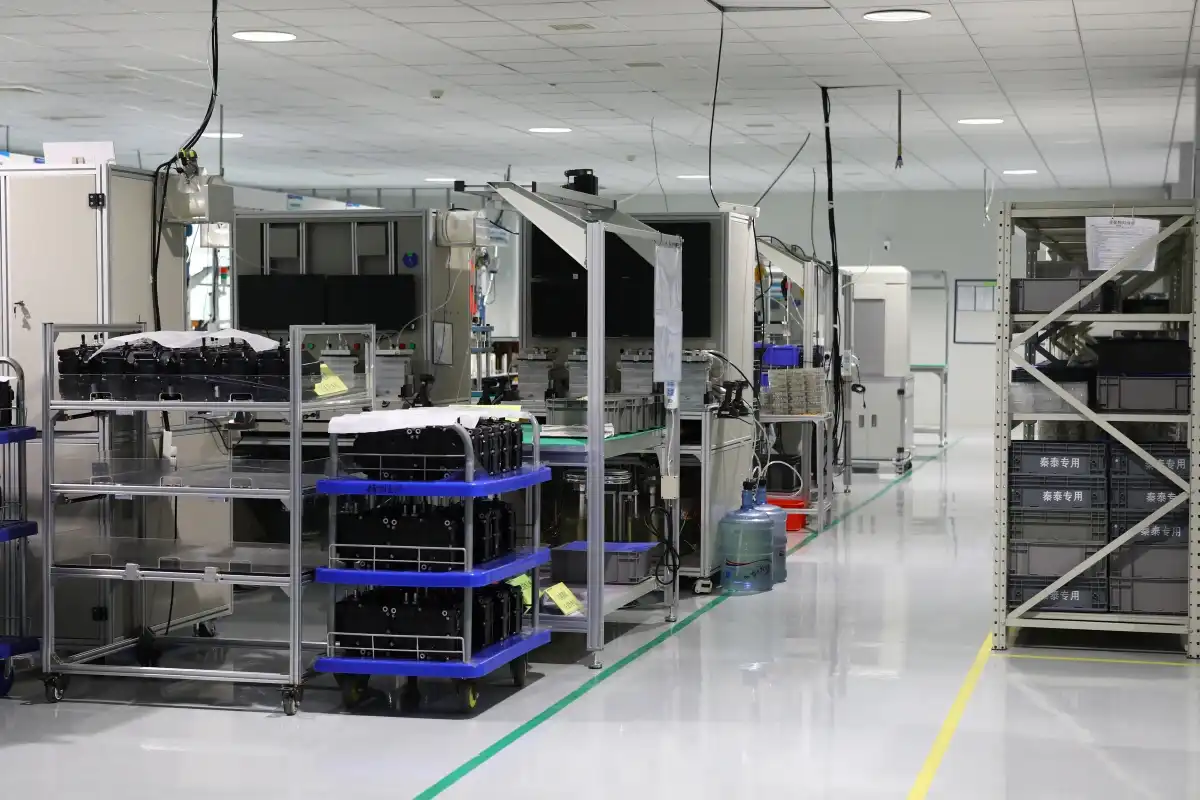
Qintai is the best AdBlue Dosing System maker in China. Weichai Power, Yuchai Power, and Quanchai Power all trust their precision-engineered emission control parts. Our production facilities are IATF 16949-certified and follow strict quality standards. These include bubble point testing and ISO 19438 multipass filtration verification to make sure that every part meets the exact requirements set by OEMs. We offer full OEM and ODM services for customization from the first design phase through mass production. We have 58 invention patents and more than 20 years of experience in diesel aftertreatment.
Our global distribution network reaches more than 60 countries and ensures quick technical help and easy access to parts, which are important for keeping fleet downtime to a minimum. Email our engineering team at info@qt-sensor.com to talk about your unique application needs and find out how our ability to integrate sensors and make products on a large scale can help you meet emission compliance standards. We promise to build long-term partnerships with you by providing consistent quality and new solutions as a trusted AdBlue Dosing System supplier.
References
1. Diesel Technology Forum (2022). "Selective Catalytic Reduction: Technology Assessment and Performance Benchmarks for Heavy-Duty Applications." Washington, D.C.: Diesel Technology Forum Publications.
2. Johnson, T. V. (2021). "Review of Selective Catalytic Reduction (SCR) and Related Technologies for Mobile Applications." SAE International Journal of Engines, 14(3), 405-435.
3. International Organization for Standardization (2019). "ISO 22241-1:2019 Diesel Engines — NOx Reduction Agent AUS 32 — Part 1: Quality Requirements." Geneva: ISO Standards Catalogue.
4. Environmental Protection Agency (2020). "Heavy-Duty Engine and Vehicle Standards and Highway Diesel Fuel Sulfur Control Requirements: Technical Analysis." EPA-420-R-20-008. Washington, D.C.: U.S. Environmental Protection Agency.
5. European Automobile Manufacturers Association (2021). "ACEA Position Paper: SCR System Performance and Maintenance Requirements for Euro VI Compliance." Brussels: ACEA Technical Publications.
6. Society of Automotive Engineers (2023). "SAE J2923: Recommended Practice for Heavy-Duty Diesel Engine Emission Control System Quality and Performance Verification." Warrendale, PA: SAE International Standards.
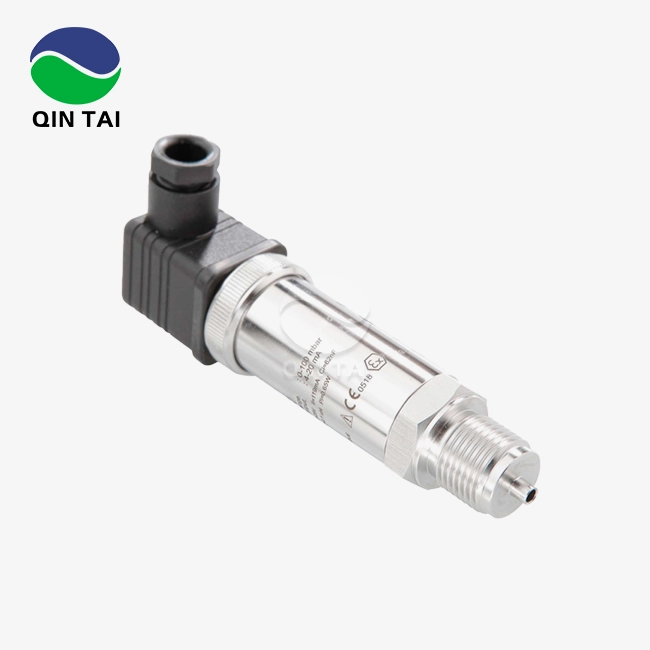
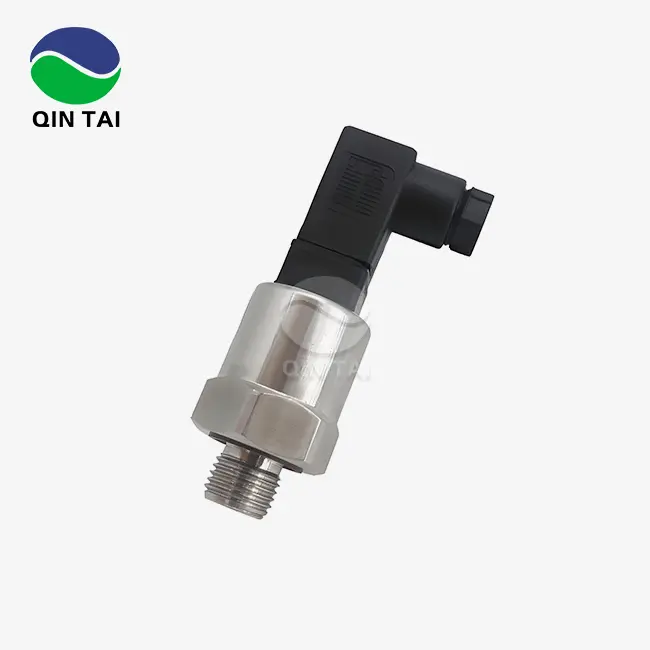

Our customers’ satisfaction speaks for our quality — contact us to experience the same reliable service.