- English
- French
- German
- Portuguese
- Spanish
- Russian
- Japanese
- Korean
- Arabic
- Greek
- German
- Turkish
- Italian
- Danish
- Romanian
- Indonesian
- Czech
- Afrikaans
- Swedish
- Polish
- Basque
- Catalan
- Esperanto
- Hindi
- Lao
- Albanian
- Amharic
- Armenian
- Azerbaijani
- Belarusian
- Bengali
- Bosnian
- Bulgarian
- Cebuano
- Chichewa
- Corsican
- Croatian
- Dutch
- Estonian
- Filipino
- Finnish
- Frisian
- Galician
- Georgian
- Gujarati
- Haitian
- Hausa
- Hawaiian
- Hebrew
- Hmong
- Hungarian
- Icelandic
- Igbo
- Javanese
- Kannada
- Kazakh
- Khmer
- Kurdish
- Kyrgyz
- Latin
- Latvian
- Lithuanian
- Luxembou..
- Macedonian
- Malagasy
- Malay
- Malayalam
- Maltese
- Maori
- Marathi
- Mongolian
- Burmese
- Nepali
- Norwegian
- Pashto
- Persian
- Punjabi
- Serbian
- Sesotho
- Sinhala
- Slovak
- Slovenian
- Somali
- Samoan
- Scots Gaelic
- Shona
- Sindhi
- Sundanese
- Swahili
- Tajik
- Tamil
- Telugu
- Thai
- Ukrainian
- Urdu
- Uzbek
- Vietnamese
- Welsh
- Xhosa
- Yiddish
- Yoruba
- Zulu
Can a Pressure Transmitter Supplier Provide Calibration Certificates?
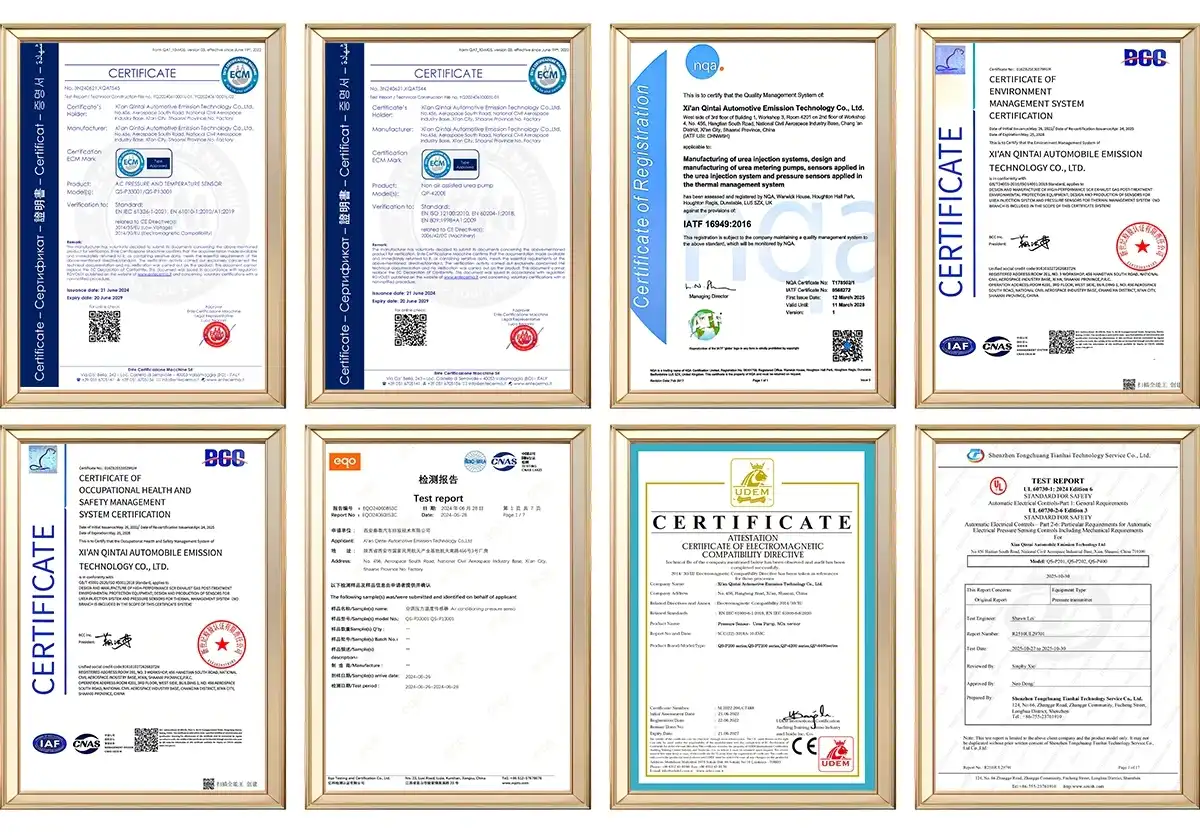
Yes, a reputable pressure transmitter supplier can and should provide calibration certificates. These documents confirm that each unit has been tested against traceable measurement standards, giving procurement teams documented proof of accuracy before the sensor enters service. At Qintai, every pressure transmitter ships with a factory calibration certificate tied to recognized quality frameworks, including ISO 9001 and IATF 16949. For OEM buyers in heavy trucks, construction machinery, and generator sets who must meet China VI or Euro VI emission standards, this paperwork is not optional — it is a procurement requirement.
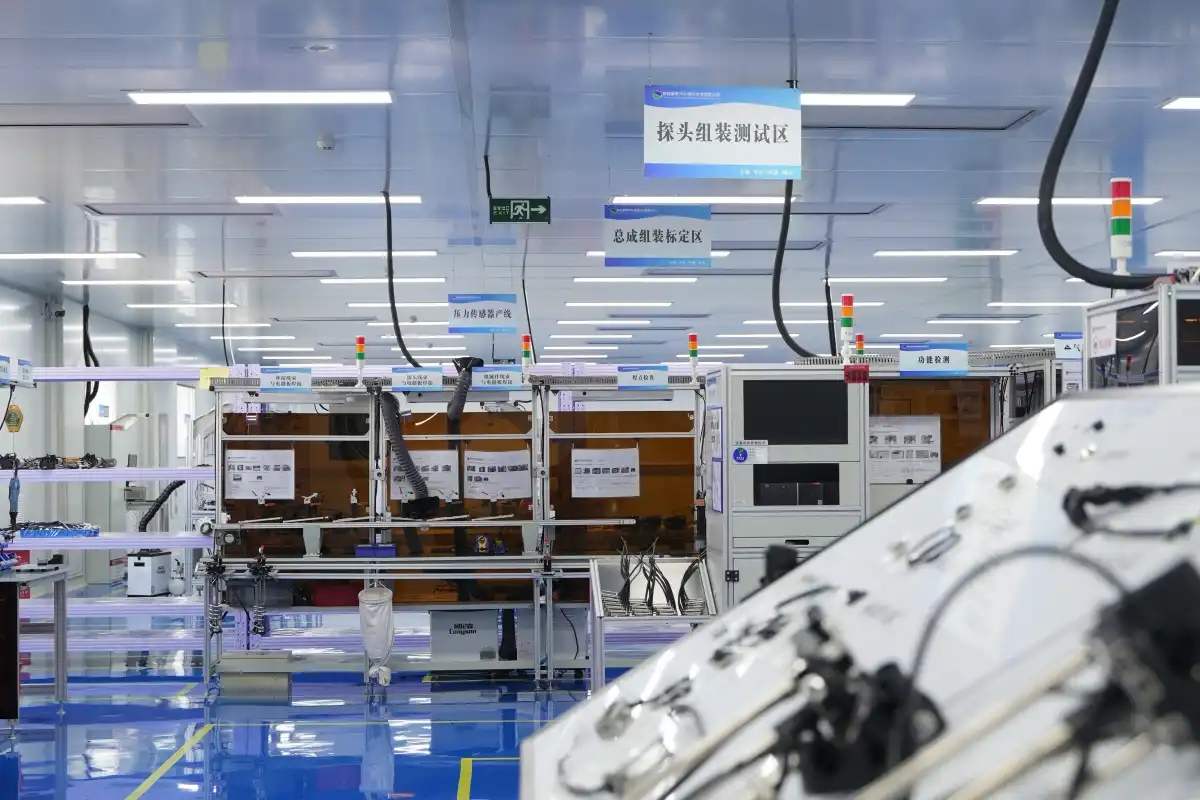
Understanding Calibration Certificates for Pressure Transmitters
What a Calibration Certificate Actually Contains
A calibration certificate is an official record that shows how well a monitor worked compared to a known standard. It has the date of calibration, the test pressures that were used, the output numbers that were measured, the acceptable ranges, and a link to a national or foreign standard, like NIST in the US. The information on the certificate is not legally or legally binding without this chain.
Factory Certificate vs. Third-Party Validation
The maker uses their own tools to give a factory calibration certificate. Any lab that is recognized by an organization, usually one with ISO/IEC 17025 approval, can give you a third-party document. When measuring errors could affect emission rules or the safety of the system, third-party validation gives the provider more trust during checks.
New Instruments vs. Recalibration Services
People who are buying things should know the difference between a certificate that was given when the product was made and one that was given after the sensor has been used. Most diesel engine OEMs and SCR/DPF integrators need both an initial factory certificate upon delivery and a clear recalibration schedule to help them plan maintenance and handle warranties.
Can Pressure Transmitter Suppliers Provide Calibration Certificates?
Industry-Standard Practice Among Major Suppliers
Most well-known pressure transmitter supplier and sensor makers include calibration paperwork as a normal part of their deliveries. The American Society for Quality says that for over 78% of industrial instrument buyers, calibration traceability is one of the top three things they look for when they buy something. Suppliers like ABB, Siemens, and Honeywell always include plant calibration papers with the goods they send.
What Suppliers Typically Offer
Different markets offer different types of calibration services. This is what buyers usually find from approved suppliers:
- Factory calibration certificates come free with standard orders, covering the full measurement range and output signal (4–20 mA), which are given out during the production process.
- ILAC-MRA traceable third-party certificates are available as an extra from a recognized outside lab for high-stakes uses like mine generator sets or power plant backup systems.
- Periodic recalibration services offered on a contract basis support stable operation over the long term and lower the total cost of ownership by finding drift before it causes system problems.
These choices give purchasing managers the freedom to match the level of certification with the importance of the application. This is true whether the buyer is an OEM building a new emission aftertreatment platform or a repair shop looking for replacement sensors.
Qintai's Certification Position
Qintai is certified by ISO 9001, IATF 16949, CMC (China Metrology Certification), CE, UL, and ATEX (Ex). The CMC certificate is very important because it comes from China's national measurement body and shows that Qintai's calibration tools and methods meet standards checked by the government. Before leaving Qintai's plant, every sensor that is made there goes through a detailed calibration process.

How to Verify and Request Calibration Certificates from Suppliers
Questions to Ask During the RFQ Process
Before making an order, buyers should ask the following questions of their first contact with a supplier:
- Can the calibration certificate be linked to NIST, PTB, or a national standard that is similar?
- Which accredited lab did the calibration or made sure it was correct?
- What is the measurement uncertainty that is given? Does it meet the tolerance needs of your application?
Getting these answers in writing during the RFQ stage keeps quality audits clean and stops disagreements during the incoming inspection.
Digital Verification Tools
Some pressure transmitter suppliers now let buyers access certificates online. With just a serial number, buyers can get the original calibration record right away. Blockchain-based certificate verification is becoming more popular in global supply chains because it creates an audit trail that can't be changed. Aftermarket distributors and dealers who need to quickly confirm that a sensor is real will find these tools very useful.
Aligning Certificates with Your QMS
Your internal quality control system needs to be able to connect to calibration records. Before you contact any pressure transmitter suppliers, talk to your quality control team about the lowest levels of uncertainty that are acceptable, the formats that certificates need to be in, and how long you need to keep records. Cross-functional alignment cuts down on the back-and-forth that makes buying cycles take longer.
Best Practices for Integrating Calibration Certificates in Procurement Processes
Cross-Functional Review Before Approval
Instead of just buying things, the engineering, sourcing, and quality control teams should all look over the calibration paperwork together. The technical department checks to see if the stated uncertainty is suitable for the application. The buying department confirms the price and terms of delivery, and management gives the go-ahead for the provider relationship. This three-level review is similar to the way decisions are usually made in OEM procurement.
Certificate Validity and Recalibration Scheduling
While ISO/IEC 17025 doesn't set a specific time for recalibration, a 12-month cycle is usually used in commercial settings. Include dates for recalibration in your maintenance planning calendar, and ask the company that makes the sensors to let you know ahead of time when the certificates are about to expire. If you miss the recalibration times for generator sets that are running in mines or power plants, you could be held responsible during regulatory checks.
Total Cost of Ownership Consideration
A calibration certificate does more than just show that you follow the rules; it also helps you keep track of your costs. In SCR systems, sensors that aren't working within their preset range use more reagent, cause fake trouble codes, and shorten the life of parts. When you choose a vendor that gives you detailed calibration data at delivery, it's easier for engineering teams to set the right alarm thresholds right away, which cuts down on unplanned downtime.
Pressure Transmitter Supplier Comparison: Calibration Certificate Availability and Benefits
Global Leaders vs. OEM-Focused Suppliers
ABB and Endress+Hauser are well-known pressure transmitter supplier with deep testing programs. Their documentation packages are very complete, which makes them perfect for process industries that need a paper trail for every measurement point. But their regular lines of products might not meet the exact pressure ranges, connection types, or communication methods that diesel engine OEMs building to China VI or Euro VI standards need.
OEM-focused suppliers, such as Qintai, do things in a different way. Qintai doesn't have a single catalog; instead, they allow ODM and OEM customization from the design stage all the way through mass production, and they give out calibration certificates for each unique configuration. This way of doing things works best for SCR/DPF integrators who need calibrated sensors with custom interfaces and for aftermarket parts suppliers who need consistent batch documentation to keep track of their inventory.
Wired vs. Wireless Transmitter Calibration Differences
When you want to calibrate a wired pressure sensor (4–20 mA or 0–5 V output), you just need to know the range of the output signal. Because wireless devices add more factors, like battery voltage effects and wireless protocol delay, their calibration certificates usually have more diagnostic data. People who are buying wireless units should make sure that the format of the certificate covers these extra parameters.
Conclusion
Calibration papers are an important part of buying pressure sensors responsibly for your pressure transmitter supplier. They make sure that systems are compliant, lower operational risk, and give technical teams the information they need to set up systems correctly. If you are an OEM making diesel engines that meet emission standards, an SCR system integrator looking for compatible sensors, or a parts supplier stocking repair shops' shelves, the first thing you should do is ask your sensor vendor for calibration documentation that can be tracked. If a supplier gives you clear, verifiable certificates, that means you can trust their quality control and manufacturing process.
FAQ
Are calibration certificates mandatory for pressure transmitters?
For example, calibration certificates are needed for power generation, industrial exhaust treatment, and systems that control emissions. They meet the requirements for audits under ISO 9001, IATF 16949, and environmental compliance frameworks. For lower-stakes situations, papers are still highly suggested as proof that the sensor is accurate.
How often should a pressure transmitter be recalibrated?
Most makers and quality standards say that workplace pressure transmitters should be calibrated every 12 months. Heavy construction equipment and other things that experience a lot of vibration or cycling may need to be checked more often. Always start with the manufacturer's written instructions.
What is the difference between a factory certificate and an ISO/IEC 17025 certificate?
A factory certificate is given out using the testing tools and methods that the maker has in-house. An ISO/IEC 17025 certificate is given by a lab that has been approved and passed independent tests of its skills. The second one is more trustworthy in regulatory audits and the process of becoming an international supplier.
Can I ask for a different testing range to be written on my certificate?
Yes. You can get a certificate from a lot of qualified sensor manufacturers, including custom OEM/ODM suppliers, that say they can calibrate a transmitter to a certain sub-range within its full-scale specification. This is especially helpful for people who put together SCR systems and need to adjust sensors to a very specific working window.
Source Your Next Pressure Transmitter Manufacturer Partner at Qintai
In 2001, Qintai started selling calibrated pressure sensors to OEM users in more than 60 countries. It now has the largest market share of any diesel engine SCR sensor provider in China. Each unit comes with testing paperwork that can be tracked and is backed by ISO 9001, IATF 16949, CMC, UL, CE, and ATEX certifications. To get a specification sheet and sample quote from a pressure transmitter supplier for mass production, custom development, or aftermarket stocking, email our technical team at info@qt-sensor.com or visit our website at qt-sensor.com right now.
References
1. American Society for Quality (ASQ). Calibration and Measurement Traceability in Industrial Procurement. Quality Progress, 2022.
2. International Organization for Standardization. ISO/IEC 17025: General Requirements for the Competence of Testing and Calibration Laboratories. ISO, 2017.
3. ILAC — International Laboratory Accreditation Cooperation. Guidelines on the Determination of Calibration Intervals. ILAC-G24, 2022.
4. National Institute of Standards and Technology (NIST). Measurement Uncertainty and Traceability for Pressure Instrumentation. NIST Technical Note 1297, 2021.
5. International Electrotechnical Commission. IEC 60770: Transmitters for Use in Industrial Process Control Systems — Part 1: Methods for Performance Evaluation. IEC, 2010.
6. Instrumentation, Systems, and Automation Society. ISA-51.1: Process Instrumentation Terminology — Calibration Definitions and Standards. ISA, 2019.
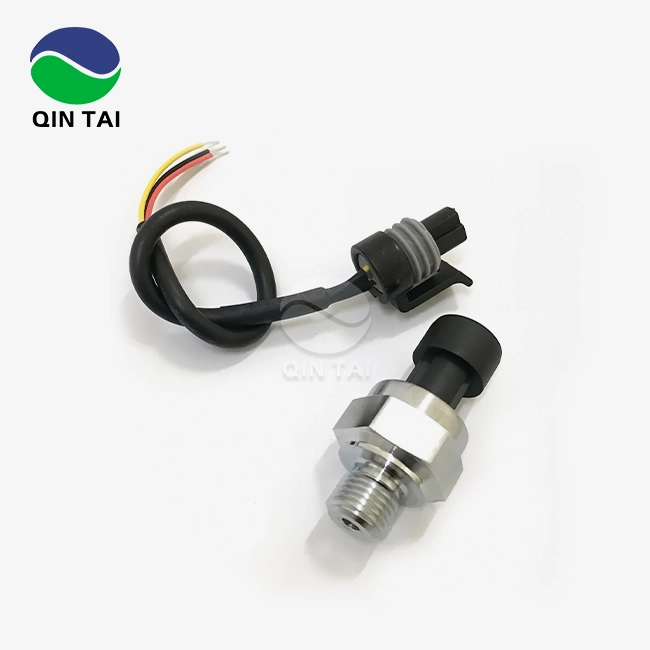
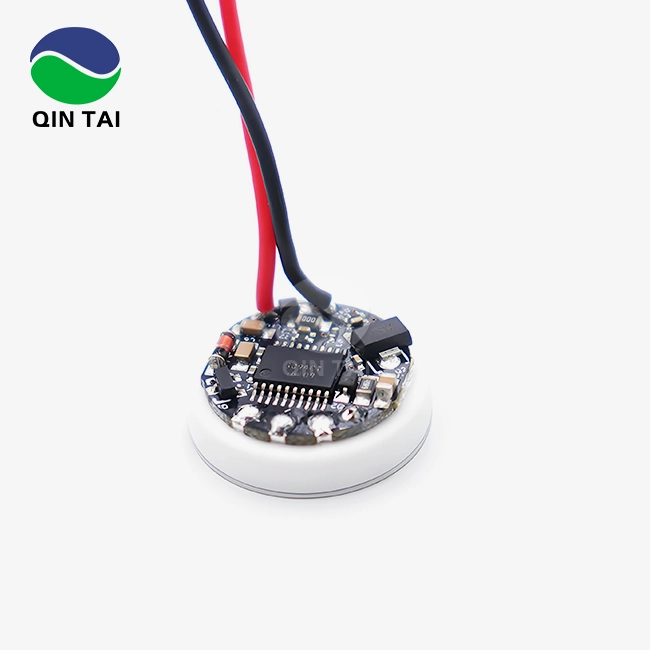
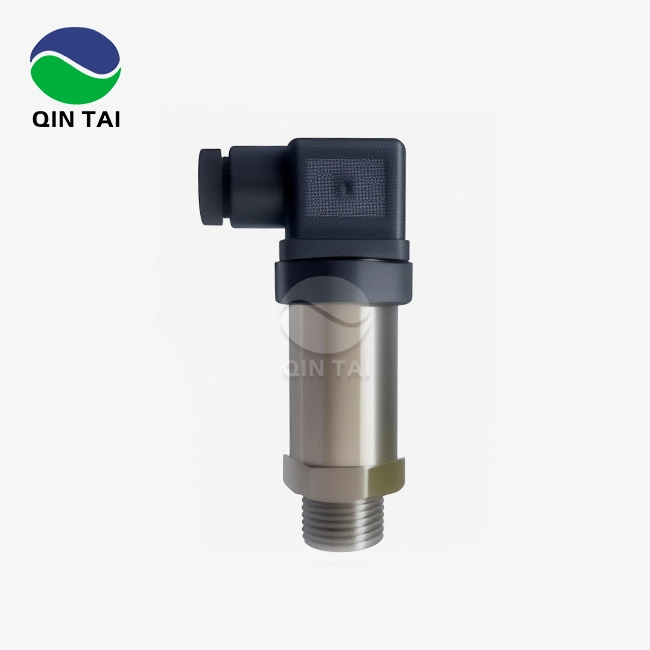
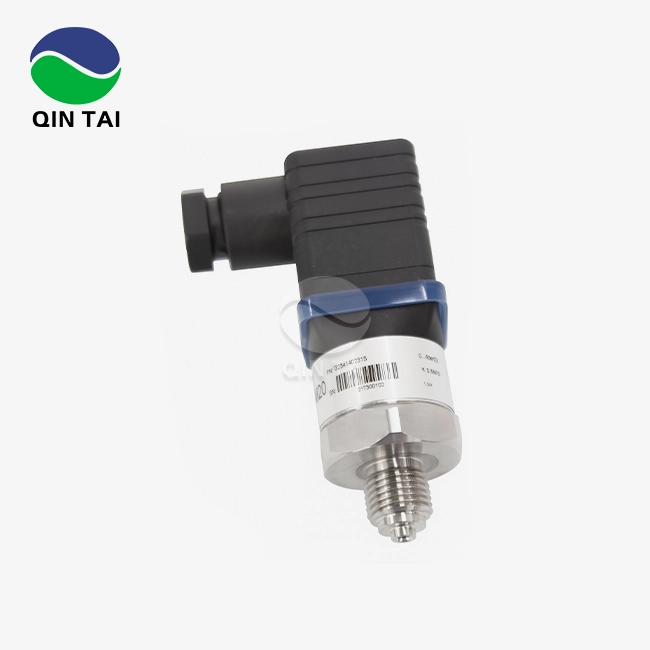

Our customers’ satisfaction speaks for our quality — contact us to experience the same reliable service.