- English
- French
- German
- Portuguese
- Spanish
- Russian
- Japanese
- Korean
- Arabic
- Greek
- German
- Turkish
- Italian
- Danish
- Romanian
- Indonesian
- Czech
- Afrikaans
- Swedish
- Polish
- Basque
- Catalan
- Esperanto
- Hindi
- Lao
- Albanian
- Amharic
- Armenian
- Azerbaijani
- Belarusian
- Bengali
- Bosnian
- Bulgarian
- Cebuano
- Chichewa
- Corsican
- Croatian
- Dutch
- Estonian
- Filipino
- Finnish
- Frisian
- Galician
- Georgian
- Gujarati
- Haitian
- Hausa
- Hawaiian
- Hebrew
- Hmong
- Hungarian
- Icelandic
- Igbo
- Javanese
- Kannada
- Kazakh
- Khmer
- Kurdish
- Kyrgyz
- Latin
- Latvian
- Lithuanian
- Luxembou..
- Macedonian
- Malagasy
- Malay
- Malayalam
- Maltese
- Maori
- Marathi
- Mongolian
- Burmese
- Nepali
- Norwegian
- Pashto
- Persian
- Punjabi
- Serbian
- Sesotho
- Sinhala
- Slovak
- Slovenian
- Somali
- Samoan
- Scots Gaelic
- Shona
- Sindhi
- Sundanese
- Swahili
- Tajik
- Tamil
- Telugu
- Thai
- Ukrainian
- Urdu
- Uzbek
- Vietnamese
- Welsh
- Xhosa
- Yiddish
- Yoruba
- Zulu
Guide to Choosing the Right Urea Dosing Pump
Choosing the correct Urea Dosing Pump is very important for following pollution rules and making sure the SCR system works properly. Whether you're an OEM engineer making a new heavy-duty diesel engine or a purchasing manager looking for parts for commercial vehicle aftertreatment systems, knowing the technical requirements, compatibility requirements, and supplier capabilities will help you make a decision that balances cost, reliability, and compliance. This guide gives you useful information about pump technologies, buying options, and the best ways to put them to help you make a choice.
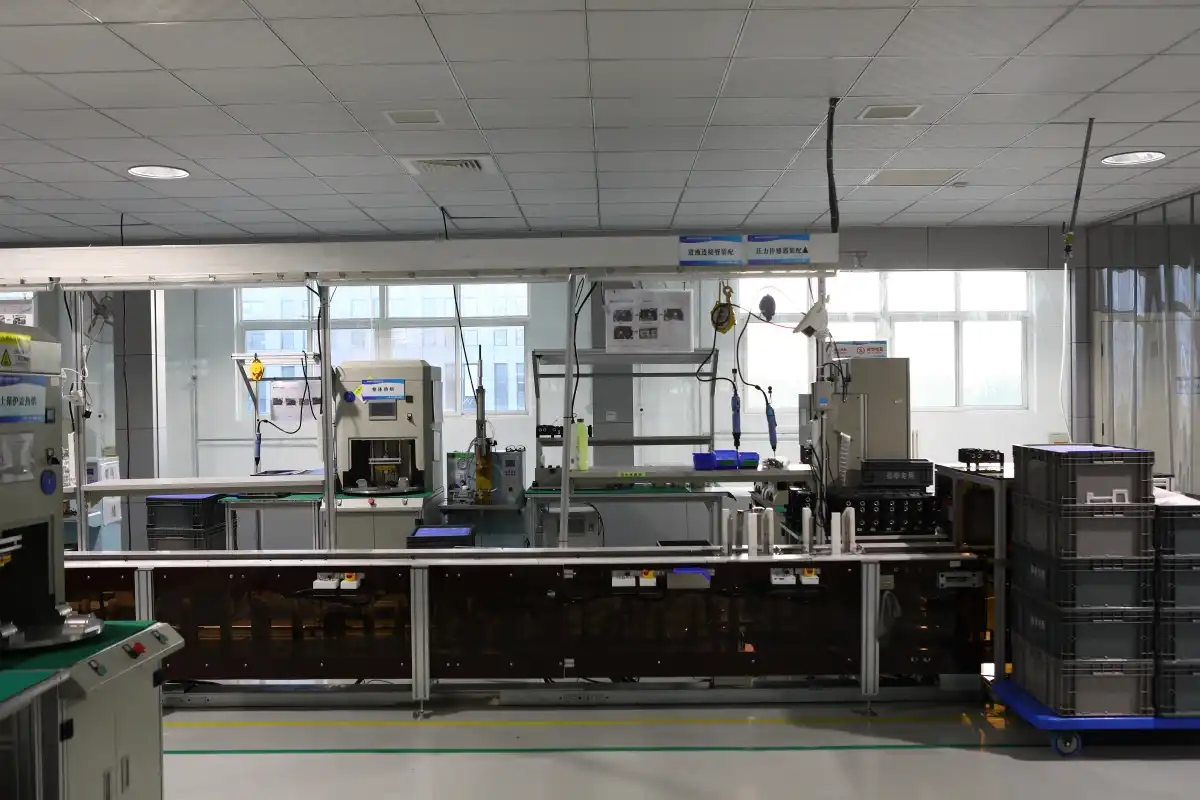
Understanding Urea Dosing Pumps: Principles, Types, and Applications
How Urea Dosing Pumps Work in SCR Systems
The urea pump moves AdBlue (diesel exhaust fluid) from the tank to the dosing module at the right pressure. This makes sure that NOx reduction in SCR systems is done accurately. This part keeps the right flow and pressure for the catalyst to work well, which has a direct effect on meeting emission standards and saving fuel. The pump talks to the Engine Control Unit using CAN bus standards to control the amount of dose based on the load on the engine, the flow of exhaust, and feedback from NOx sensors. Modern systems combine the pump, filter, and warmer into small units that work consistently in temperatures ranging from -40°C to +85°C.
Diaphragm vs. Piston Pump Technologies
Automotive and heavy equipment use diaphragm pumps because they last longer, dose more accurately, and are easier to maintain. These pumps keep the AdBlue solution away from the moving parts, which stops the crystallisation problems that happen with piston designs. The bendable diaphragm makes pulsating flow that lets you precisely control the amount, usually with a ±2% accuracy in dosing across all working ranges. Piston pumps can handle higher pressures, but they need to be serviced more often and their seals break down when they come into contact with urea crystallisation during heat cycles.
Electric vs. Pneumatic Drive Systems
Electric drive systems have become the standard for mobile uses because they are easier to install, offer more precise control, and are easier to connect to ECU systems. When they're working, these units use between 5 and 15 watts of power, and the dose rates can be changed from 0.5 to 15 litres per hour based on the engine's size and load. Pneumatic types are still useful for fixed uses like generator sets where compressed air is easy to get, but they don't have the fine control resolution that is needed for changing engine conditions.
Key Applications Across Industries
Heavy trucks and building equipment are the main types of equipment that use SCR technology with a Urea Dosing Pump. This is because the EPA mandated it for diesel engines with more than 75 horsepower in 2010 and later rules. When agricultural equipment isn't being used for a long time or when the temperature changes a lot, the makers face special problems that need strong freeze protection and purge functions. For generator set uses, long-term stability with little upkeep is most important, while aftermarket providers look for options that can be used with a wide range of OEM platforms with little modification.
Key Criteria for Selecting the Right Urea Dosing Pump
Defining Your Operational Requirements
The flow rate requirements must match the NOx generation curve of your engine. According to EPA rules, a normal 13-liter heavy-duty diesel engine needs 8–12 litres of AdBlue every 1,000 kilometres. This means that the pump can handle between 6 and 10 litres of fluid per hour at full load. Different types of injectors need different amounts of pressure, but most systems need between 4 and 9 bar. In addition to being able to handle urea, chemicals must also be able to withstand the additives and impurities that are found in industrial AdBlue products for a long time.
Evaluating Technical Parameters
Accuracy in dosing has a direct effect on emission compliance gaps and how efficiently AdBlue is used. Premium pumps are accurate to within ±2% of their working range, while cheaper types may vary by up to ±5%, which adds up over time. Response time is important when conditions are changing quickly. For example, when the load or speed changes, the pump needs to be adjusted within 100 to 300 milliseconds to avoid NOx spikes. The temperature range that works best depends on the market. For example, North American standards require steady operation down to -40°C without any extra warmth from elements built in.
Integration with Control Systems
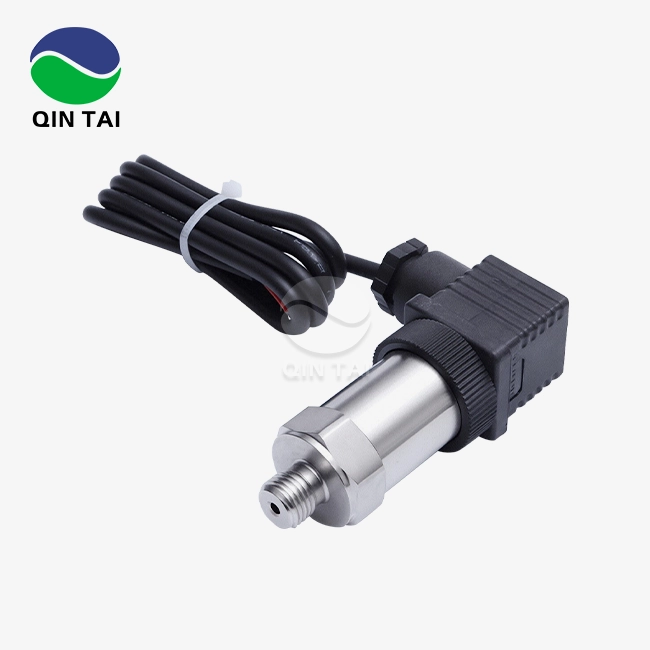
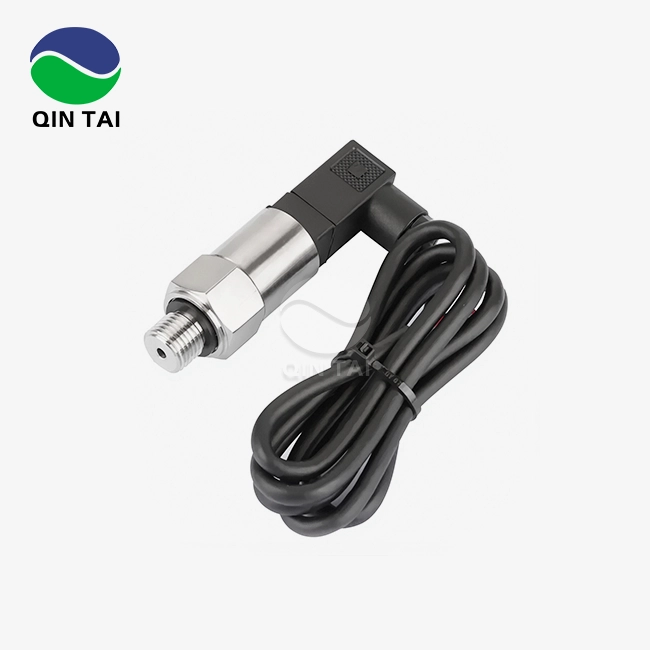
It is imperative that ECU compatibility is met for OEM uses. Qintai pumps work very well with Bosch ECUs for certain SCR control methods, and they support common diagnostic protocols like OBD-II and HD-OBD. The communication link usually uses the CAN 2.0B protocol at 250 or 500 kbaud, and there are standard groups of parameters for dosing instructions, reporting faults, and checking the health of components. The closed-loop control system is made up of NOx monitors, temperature probes, and pressure detectors. Sensor compatibility includes all of these.
Installation and Space Constraints
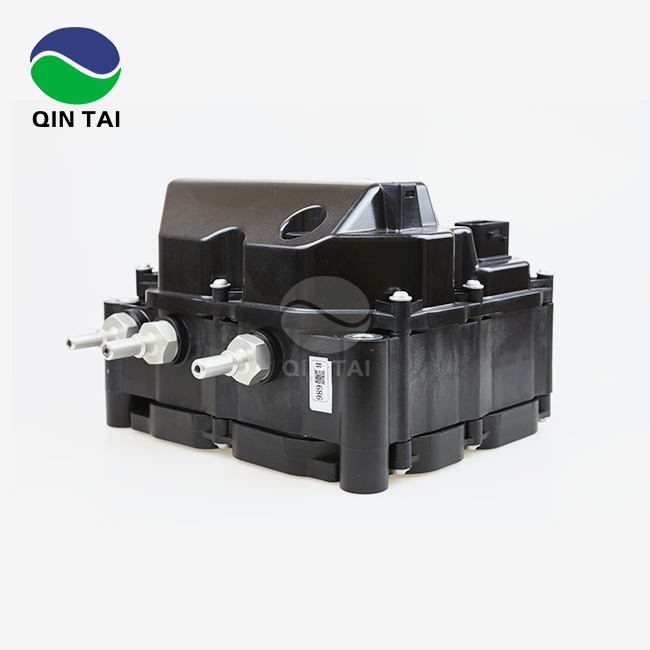
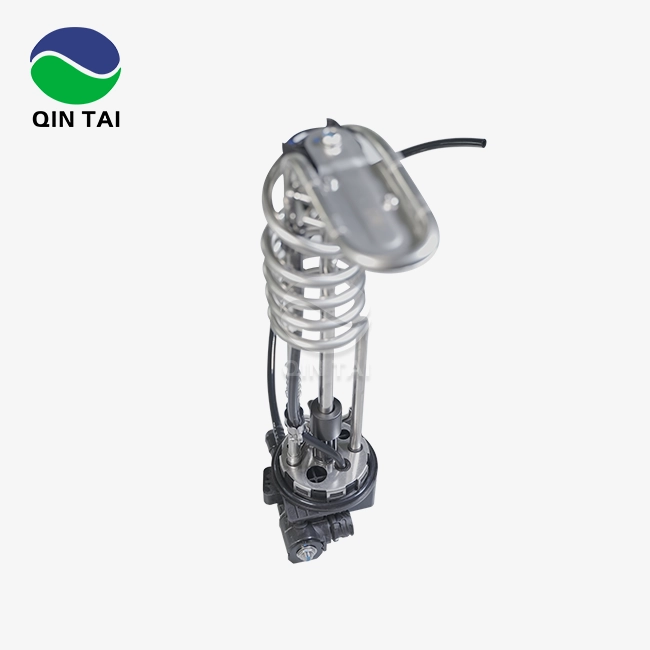
Small versions that combine the pump, filter, and heater make fitting easier and make it easier to pack in vehicles. Modern units are 150–200 mm long and 80–100 mm wide. They can be mounted directly to the AdBlue tank or on bracket systems with flexible line connections. For electrical connections, you need settings with at least IP67 ingress protection. For fluid connections, you need fittings made of stainless steel or strengthened polymer that can handle temperature changes and vibrations.
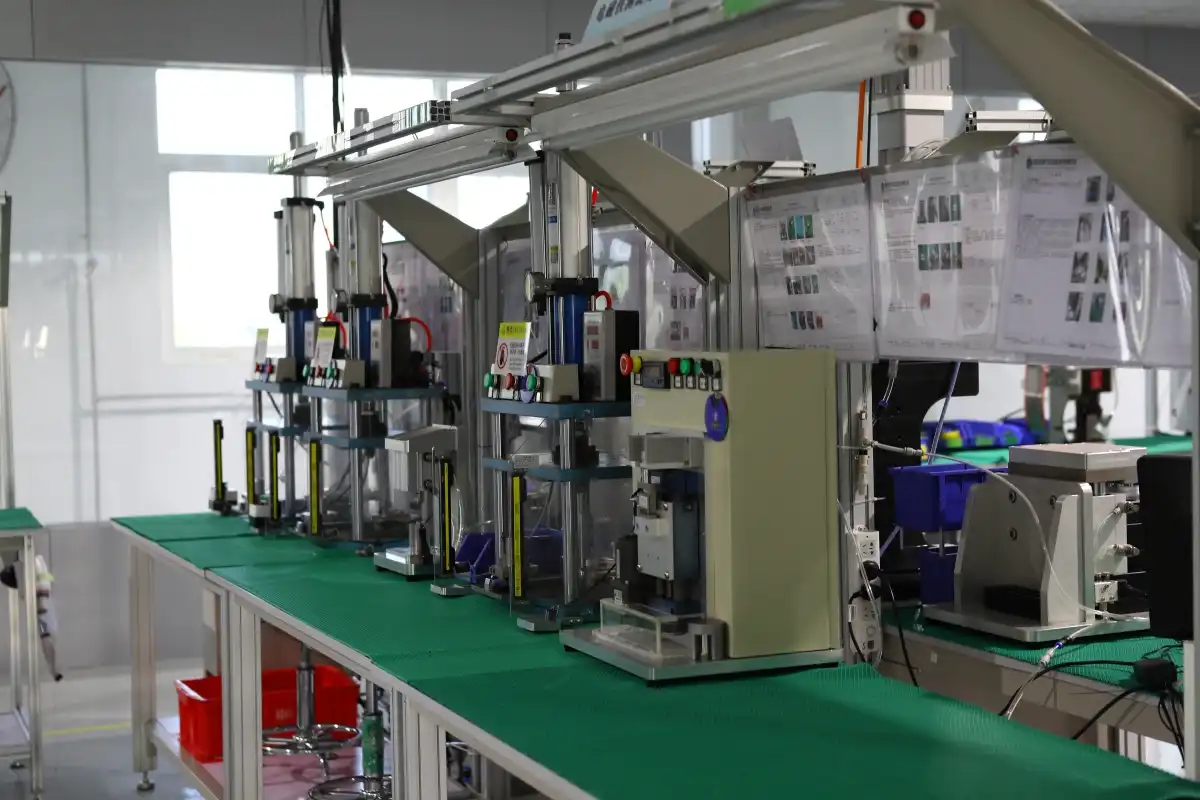
Procurement Insights: From Budgeting to Ordering and Aftercare
Understanding Market Pricing and Cost Drivers
Quality Urea Dosing Pumps in the aftermarket cost between $180 and $450 per unit, based on the brand and specs. However, OEMs can save 30 to 50 percent on costs through annual agreements and technical support partnerships. 40–45% of the cost of making something goes to the cost of materials, and another 25–30% goes to precise cutting and testing. The cost of certified parts is higher because of the research and development that goes into making sure they meet emission standards. However, this investment saves buyers from expensive recall risks and regulatory fines.
OEM Customization and Volume Advantages
When a manufacturing partner offers OEM and ODM services, they add a lot of value beyond just supplying parts. Customisation options include changing the mounting connections, the flow properties, the electrical plugs, and the coatings to make them work better in harsh settings. By committing to buy more than 5,000 units a year, you can get technical help for things like application-specific optimisation, joint testing programs, and figuring out who gets what when supplies are low. When compared to changing catalogue parts, these agreements cut time-to-market by three to six months.
Evaluating Supplier Credentials
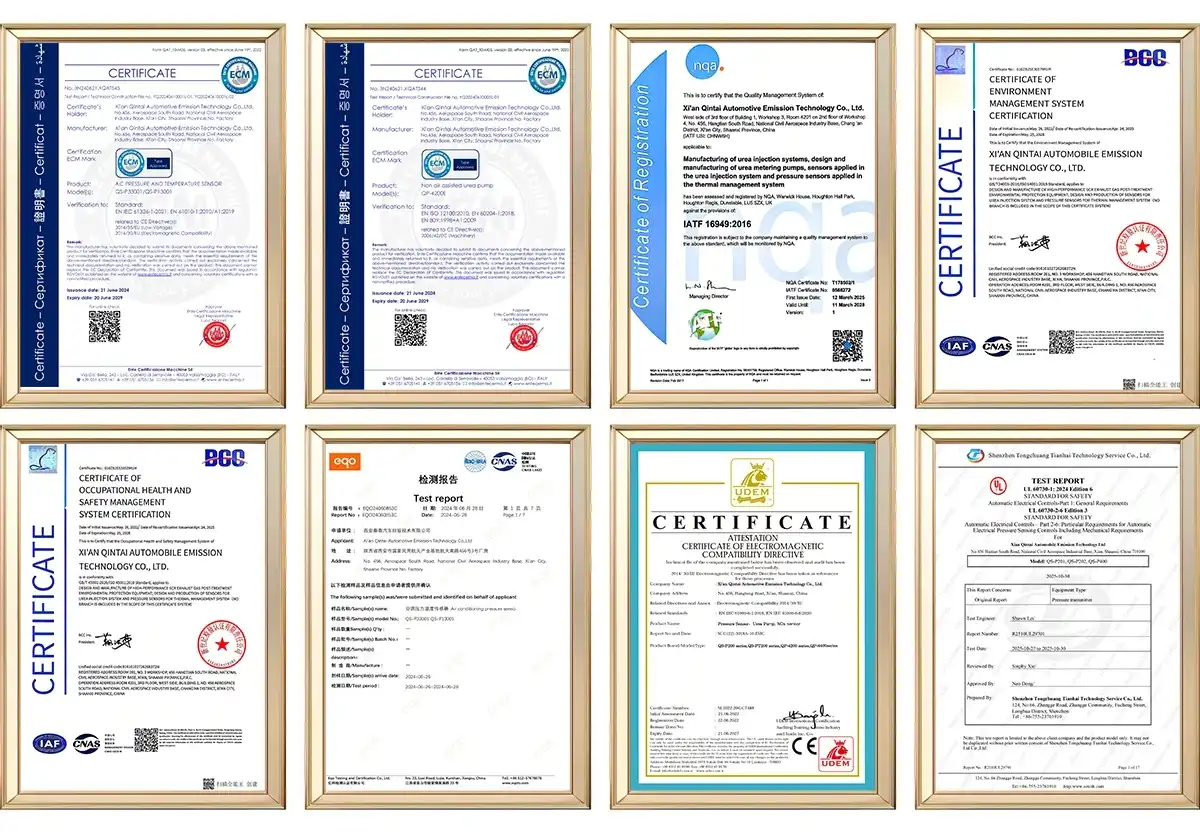
Certification requirements act as guards for purchases. ISO 9001 shows basic quality management, while IATF 16949 focuses on the needs of the car industry, covering things like advanced product quality planning and steps for approving production parts. Component-level approvals like CE, UL, and REACH compliance make sure that the product meets the rules for specific areas. Suppliers with established patent portfolios, like Qintai's 58 design patents, show that they can keep coming up with new ideas and lower intellectual property risks.
After-Sales Support Infrastructure
Industrial-grade pumps usually come with a warranty that lasts for 24 months or 2,500 hours of use, whichever comes first. Replacement units, expert repair help, and field failure analysis are all part of comprehensive programs. The long-term cost of ownership depends on how easy it is to get spare parts. Suppliers with regional distribution centers can send parts in 24 to 48 hours, while direct imports take two to three weeks. When there are problems with production, how quickly technical help responds is important. Top suppliers offer engineering advice within 4 to 8 working hours.
Rational Guide to Choosing Between Different Pump Types and Technologies
Comparing Technology Platforms
Dosing systems for urea, including the Urea Dosing Pump, are very different from systems used for injecting ammonia and general chemical measurement. Because AdBlue has special properties—a 32.5% urea content and a freezing point of -11°C—it needs special materials and ways to keep it from freezing. Systems that use ammonia work at higher temperatures and amounts, so they need different safety rules and control standards. General measuring pumps don't have the heating, purging, and troubleshooting features that are needed for mobile SCR uses.
Electric Drive Advantages for Mobile Applications
Electric pumps are popular in both the car and off-road markets because they can precisely control flow, are easy to install, and work well with electronic control units (ECUs). Based on how the engine is running, these units change the dose in real time to get the best NOx reduction while using the least amount of AdBlue. The energy use stays low at 8 to 12 watts constant draw, which is very little compared to other electrical loads in a car. Integrated heating elements thaw frozen AdBlue in 3 to 5 minutes, which improves cold-start performance.
When Pneumatic Systems Make Sense
Pneumatic control may be useful for stationary generator uses that have access to compressed air infrastructure. Concerns about electrical safety are taken away in explosive environments by these systems. They also work successfully in high temperatures without the need for complicated heat management. Pneumatic designs are less accurate at controlling things than electric ones, so they are not as good for situations where there needs to be a small emission cushion or where the load changes often. Installation prices go up because of the need to route air lines and control pressure.
Diaphragm Pump Reliability Benefits
The diaphragm pump separates the hydraulic fluid from the AdBlue solution. This stops crystallisation harm that shortens the life of the piston pump. In normal job cycles, this design lasts 8,000 to 12,000 hours, while similar piston units only last 4,000 to 6,000 hours. Maintenance times go up to 2,000 hours or yearly service, which mostly includes changing the filters and giving the machine an eye check. Failure modes tend to lead to slow loss of performance rather than total failure, giving warning signs before failure happens.
Installation and Calibration: Ensuring Optimal Pump Performance
Pre-Installation Inspection and Preparation
Make sure that all of the parts of your DEF Urea Dosing Pump are clean before you place it. Pollution is the main reason why things break down early. Particles bigger than 50 microns damage valve seats and slow down flow. Check the inside of the tanks for leftovers from the making process and flush the lines with clean AdBlue solution. Make sure the voltage of the power source fits the pump's requirements. The nominal voltage is usually 12V or 24V, but the vehicle's electrical system can vary between 9V and 32V.
Mounting Configuration and Line Routing
If you can, put the pump unit below the level of the liquid in the AdBlue tank. This will make sure that there is positive suction pressure and no starting delays. Secure attachment stops connection failures caused by shaking, and the torque requirements for bracket nuts are usually between 8 and 12 Nm. Supply lines should have gradual turns with a radius of more than 50 mm to keep the flow going, and drain-back lines should be placed so that they drop continuously downward to the tank. As long as service access is kept, electrical wire wiring should stay away from heat sources, sharp edges, and pinch points.
Calibration Procedures for Dosing Accuracy
Factory calibration gives you a standard of performance, but installation proof makes sure that the whole system is accurate. For calibration, the pump has to be run at certain duty cycles while the real AdBlue delivery amount is measured. At three different working points—25% duty cycle, 50% duty cycle, and 100% duty cycle—compare the measured numbers to the predicted delivery that was calculated. The acceptable range of variation stays between ±3% and the nominal numbers. Modern ECUs have built-in tuning processes that change the pulse width mapping based on what the measurements show.
Chemical Compatibility and Material Selection
Because AdBlue is acidic, it is important to choose the right materials for the fluid flow. For wet metal parts, stainless steel types 316L or 304 are good enough at resisting rust. For seals, you need PTFE, EPDM, or a special kind of fluoroelastomer. Copper, brass, and aluminium metals break down quickly in urea liquids, so stay away from them. Protective coats on pump housings keep the outside from rusting from road salt and the environment, which makes them last longer in tough conditions.
Conclusion
To pick the best Urea Dosing Pump, you need to think about the technical specs, the supplier's skills, and the overall cost of ownership. For most diesel engine uses, diaphragm pumps that are powered by electricity are the best choice because they are accurate, reliable, and easy to integrate. When buying something, it's best to go with providers who have a track record of knowing how to meet emission standards, offer strong customer service after the sale, and have factory quality certifications. If you install and calibrate your chosen pump correctly, it should work for years without any problems and meet the increasingly strict emission rules.
FAQ
Q1: What factors most significantly impact dosing accuracy?
A: The accuracy of dosing rests on how well the pump is designed, how stable the fluid temperature is, how stable the feed pressure is, and how well the ECU is calibrated. AdBlue's viscosity and density change with temperature, so the control system needs to have methods to make up for this. Changes in supply pressure caused by changes in tank level or line limits can affect how well pumps work, especially in systems that don't have pressure control. As parts wear down naturally, regular calibration checks every 12 to 18 months keep the accuracy within the specifications.
Q2: How often should maintenance be performed on urea pumps?
A: Maintenance should be done on industrial uses every 2,000 hours of use or once a year, whichever comes first. As part of maintenance, you may need to change filters, check electrical connections, confirm line integrity, and try the purge feature. Heavy-duty cycles or AdBlue sources that are dirty may require more frequent repair times. Predictive maintenance plans that stop sudden breakdowns are possible by keeping an eye on diagnostic codes and dose performance trends.
Q3: Can urea dosing pumps be customized for specialized applications?
A: There are many ways to customise, including different mounting choices, power connections, flow rate ranges, and levels of environmental protection. Suppliers that work with OEMs usually can make changes that are needed for particular applications, like adding special coatings or using different materials in harsh conditions, or changing the control methods. Depending on how complicated the change is, the minimum order quantity for custom versions is usually between 500 and 1,000 units. This means that this method can be used for medium to large production rates.
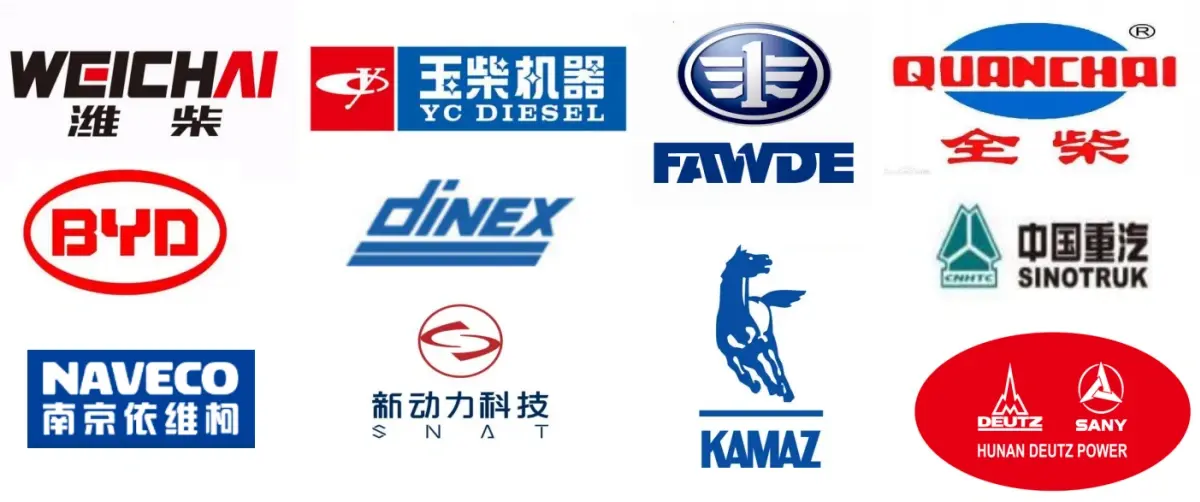
Partner with Qintai for Reliable Urea Dosing Pump Solutions
Qintai Automotive Emission Technology can help you with your buying needs because they have over twenty years of experience in diesel engine SCR aftertreatment systems. We are the biggest Urea Dosing Pump seller in China's OEM market. Our main customers are Weichai Power, Yuchai Power, and Quanchai Power, and our goods are certified to ISO9001, IATF16949, and other foreign standards. Our combined pump units are small and have built-in freeze protection. They do accurate dosing at all temperatures and have been shown to work with Bosch ECU systems. You can talk to our engineering team at info@qt-sensor.com about your individual application needs, ask for volume rates for OEM partnerships. We offer fast after-sales service in more than 60 countries around the world and allow for flexible customisation backed by 58 idea patents.
References
1. Society of Automotive Engineers. (2021). "Diesel Exhaust Fluid Quality Standards and SCR System Performance." SAE Technical Paper Series J2912.
2. Environmental Protection Agency. (2020). "Heavy-Duty Engine and Vehicle Standards and Highway Diesel Fuel Sulfur Control Requirements." Federal Register, Volume 66, Number 12.
3. International Council on Clean Transportation. (2022). "NOx Emissions Control Technologies for Heavy-Duty Diesel Vehicles: Market Assessment and Technology Roadmap."
4. German Association of the Automotive Industry. (2019). "AdBlue Technical Information and Handling Recommendations for Commercial Vehicle Applications."
5. American Petroleum Institute. (2021). "Diesel Exhaust Fluid Certification Program: Quality Assurance Guidelines for Manufacturers and Distributors."
6. National Institute of Standards and Technology. (2023). "Precision Dosing Systems: Calibration Methods and Accuracy Verification Protocols for Industrial Applications."

Our customers’ satisfaction speaks for our quality — contact us to experience the same reliable service.