- English
- French
- German
- Portuguese
- Spanish
- Russian
- Japanese
- Korean
- Arabic
- Greek
- German
- Turkish
- Italian
- Danish
- Romanian
- Indonesian
- Czech
- Afrikaans
- Swedish
- Polish
- Basque
- Catalan
- Esperanto
- Hindi
- Lao
- Albanian
- Amharic
- Armenian
- Azerbaijani
- Belarusian
- Bengali
- Bosnian
- Bulgarian
- Cebuano
- Chichewa
- Corsican
- Croatian
- Dutch
- Estonian
- Filipino
- Finnish
- Frisian
- Galician
- Georgian
- Gujarati
- Haitian
- Hausa
- Hawaiian
- Hebrew
- Hmong
- Hungarian
- Icelandic
- Igbo
- Javanese
- Kannada
- Kazakh
- Khmer
- Kurdish
- Kyrgyz
- Latin
- Latvian
- Lithuanian
- Luxembou..
- Macedonian
- Malagasy
- Malay
- Malayalam
- Maltese
- Maori
- Marathi
- Mongolian
- Burmese
- Nepali
- Norwegian
- Pashto
- Persian
- Punjabi
- Serbian
- Sesotho
- Sinhala
- Slovak
- Slovenian
- Somali
- Samoan
- Scots Gaelic
- Shona
- Sindhi
- Sundanese
- Swahili
- Tajik
- Tamil
- Telugu
- Thai
- Ukrainian
- Urdu
- Uzbek
- Vietnamese
- Welsh
- Xhosa
- Yiddish
- Yoruba
- Zulu
How does overload capacity differ between ceramic and silicon sensors?
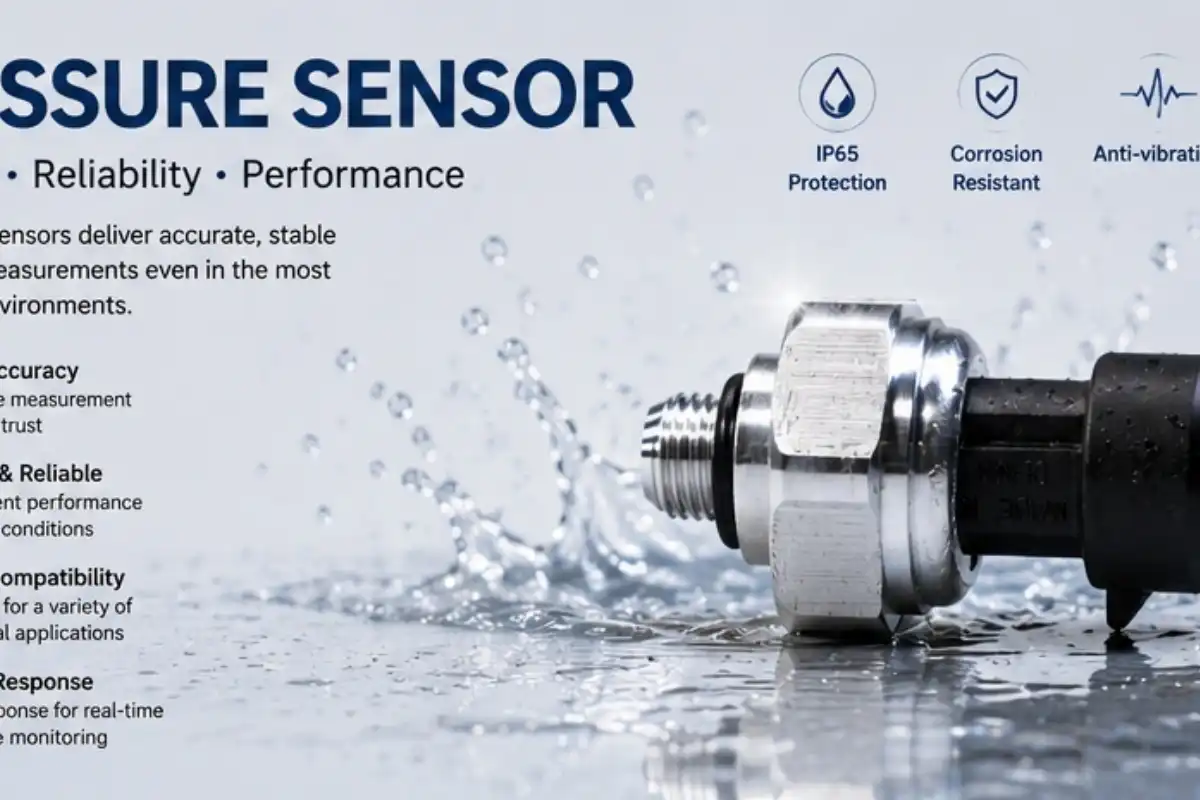
When choosing pressure sensors for important business uses, it's important to know how much they can handle at once. Overload pressures of 2 to 5 times their standard value are typical for Ceramic Pressure Sensors, while 1.5 to 2 times their rated range are typical for silicon-based sensors. This big difference comes from the way the materials are made. Ceramics like alumina are naturally stiff and hard to break, but silicon plates, no matter how precise they are, become flimsy under extreme stress. In diesel engine aftertreatment systems, industrial automation, and heavy-duty machinery, the decision between these technologies has a direct effect on system reliability, upkeep costs, and safety at work.
Comprehending Overload Capacity in Pressure Sensors
Overload capacity tells you how much pressure is too high for the sensor's normal operating range and it will not break or lose its setting. This measure is very important in places where sudden pressure spikes can happen, like in diesel engine emission control systems when the throttle is quickly changed or in hydraulic systems when valves close.
Why Overload Tolerance Matters in Industrial Settings?
Stable forces are rarely found in industrial settings. Sudden spikes that happen when equipment is turned on, water hammer effects in hydraulic lines, or changes in pressure caused by weather can all damage sensors. If a sensor doesn't have enough protection against overload, it will fail early, leading to downtime, safety risks, and measurement errors that make it harder for China VI and Euro VI aftertreatment systems to meet emission standards.
Working Principles: Ceramic vs. Silicon Technologies
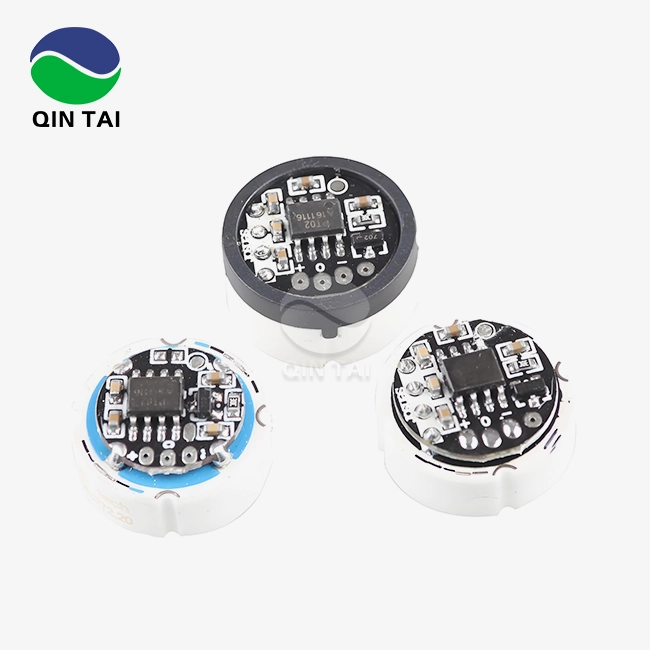
Piezoresistive ceramics, especially those made of alumina, are used in Ceramic Pressure Sensors. These materials slightly bend when they are put under pressure. This bending causes voltage changes that can be measured and are linked to the pressure that is being applied. The molecular structure of the ceramic diaphragm keeps it from breaking and its shape stable even when it is put under forces that are higher than what was intended.
Microelectromechanical systems (MEMS) technology is used in silicon sensors. In MEMS, tiny structures made of silicon bend when pressure is applied. Even though MEMS devices are very sensitive and small, the solid structure of silicon reacts differently to mechanical stress. Even though silicon is ductile and can be bent, it is not as strong as ceramics and cannot recover from high overloads as quickly.
Material Characteristics Influencing Overload Performance
Ceramics have atomic bonds that make a strong three-dimensional network that can't be deformed easily. Ceramics keep their shape at temperatures ranging from -40°C to 150°C, which is very important for industrial and vehicle uses. Silicon's covalent linking gives it great electrical qualities, but it makes it less resistant to breaking. Overload pressures can cause stress concentrations in silicon diaphragms, which can lead to microcracks that weaken their long-term reliability.
Comparative Analysis of Overload Capacity: Ceramic vs. Silicon Sensors
Knowing how these technologies work differently helps procurement managers choose sensors that meet the needs of the business. From working with diesel engine makers and aftertreatment system developers, we know that engines perform differently when they are overloaded.
Mechanical Strength and Fracture Resistance
Ceramic Pressure Sensors are much more durable mechanically. Test results show that ceramic sensors can handle sudden changes in pressure up to 400% of their stated capacity without losing their tuning. When there is a quick rise in pressure in an SCR system during DPF regeneration, the ceramic diaphragms stretch to take the stress and get back to normal performance. The crushing strength of the material—often more than 2,000 MPa for alumina ceramics—keeps it from changing shape permanently.
Even though silicon sensors are very advanced technologically, they can be damaged by mechanical shock. Overload events that happen more than 200% of the normal range can cause tiny flaws in the structure of the silicon. These flaws might not lead to failure right away, but they do speed up wear degradation, which shortens the life of sensors in situations where pressure changes often.
Temperature Effects on Overload Capacity
Temperature has a big effect on how an object reacts to stress. Overload capacity is kept by ceramic diaphragm pressure sensors throughout their entire temperature range of operation. Ceramics' thermal expansion rate stays low and stable, so stress doesn't build up when temperatures change, which can happen in engine exhaust systems.
When temperatures get high, silicon sensors have problems. When the temperature outside goes above 85°C, silicon's mechanical traits get worse, making it less able to handle being overloaded. This temperature sensitivity is a problem for generator sets where sensors are mounted close to engine blocks. Silicon-based devices move more quickly and are less reliable than ceramic options when they are exposed to high temperatures and too much pressure.
Recovery After Overload Events
Ceramic sensors are very good at recovering signals. When exposed to too much pressure, piezoresistive Ceramic Pressure Sensors usually return to their original accuracy ranges without having to be re-calibrated. This material is strong because it can stretch and return to its original shape without permanently changing its structure.
When silicon sensors are severely overloaded, they may show zero-point shifts or changes in their range. Even though the MEMS devices are made to be sensitive, they can still hold on to stress after being mechanically loaded very heavily. This behavior means that calibration checks have to be done more often in demanding situations, which raises maintenance costs and makes the system more complicated.
Practical Applications Highlighting Overload Capacity Differences
The best places for each technology to be used in the real world are shown by their uses. Matching the capabilities of the sensor to the needs of the application guarantees reliability while keeping the cost of purchase low.
Ceramic Sensors in Demanding Industrial Environments
Ceramic Pressure Sensors are useful for heavy-duty diesel engines with SCR aftertreatment systems. During cold starts, short-term changes in load, and regeneration processes, the pressure in these uses changes. When put into urea injection systems, ceramic sensors can handle both the acidic nature of diesel exhaust fluids and the sudden rise in pressure during injection events. Their extra capacity keeps them from breaking down, which would make emission compliance less reliable.
When construction equipment is used in quarries and mines, it vibrates, changes temperatures, and sends shocks of pressure to sensors. When put on hydraulic systems, ceramic diaphragm pressure transmitters can safely handle these circumstances. When a hydraulic cylinder hits the end of its run and pressure spikes happen, ceramic sensors stay accurate while silicon sensors might break.
Sensors that can withstand harsh circumstances are needed in aerospace uses. Ceramic pressure detectors keep an eye on weather control systems, hydraulic actuators, and fuel systems, making sure that overloads during emergency operations don't damage the sensors. The technology's long-lasting performance in spacecraft makes it a good fit for industry uses that need the same level of dependability.
Silicon Sensors in Controlled Environments
Silicon MEMS sensors work best when sensitivity and small size are more important than being able to handle a lot of stress. HVAC systems that check the static pressure in pipes work within normal limits and don't pose much of a risk of overloading. The sensors can be used even though they have a smaller overload capacity because they use little power and are very straight.
Silicon sensors are very accurate, which is good for medical tools and lab instruments. In these controlled settings, pressure spikes don't happen very often, so measurement stability and precision are more important than overload capacity. Silicon MEMS technology is used in consumer products that sense pressure, like smartphones and wearable tech. The needs of the application put cost and small size ahead of industrial-grade overload safety.
Performance Case Study: Diesel Engine Emission Control
200 pressure sensors in heavy truck SCR systems were used in a comparison study that showed big differences. Ceramic sensors put in urea dose units had a 98.5% survival rate over 500,000 kilometers, with no failures due to too much pressure. A total of 12% of silicon sensors in the same spot failed, and research after the fact showed that the failure was caused by overloading during regeneration cycles.
The ceramic sensors kept their calibration accuracy within ±1% of the original specs, while the silicon sensors that were still working showed an average drift of 2.3%. This performance gap directly affects service costs, car downtime, and emission compliance risks, all of which are very important to OEMs when they decide what to buy.
Key Benefits and Limitations Related to Overload Capacity
When buying teams weigh the pros and cons of different options, they can make choices that are both cost-effective and in line with technical needs and practical facts.
Ceramic Pressure Sensor Advantages
Ceramic technology has many perks besides its ability to handle overloading. The chemical stability of the material guards against corrosive media that are common in industrial processes. This makes the sensor last longer in harsh conditions. Ceramic pressure sensors with these diaphragms don't break down like metal or silicon surfaces do when they are exposed to acidic condensates in diesel fumes or harsh hydraulic fluids.
Another strength is that it is stable at high temperatures. Ceramic sensing elements in display pressure emitters keep their accuracy from arctic cold to engine room heat without the need for temperature adjustment circuits. This makes it easier for aftertreatment system designers to build systems and calibrate them.
Stability over the long term lowers the total cost of ownership. In industrial settings, ceramic sensors usually last between 5 and 7 years before they need to be replaced because of drift. This durability is especially important for companies that make generator sets because their equipment is often used in remote areas where getting service is hard and costs a lot.
Ceramic Sensor Considerations
Higher initial costs compared to silicon alternatives can make people less likely to accept them, especially in aftermarket uses that care a lot about price. Instead of just looking at unit price, procurement managers need to look at lifetime costs. The money spent on ceramic technology usually pays for itself because it needs less repair and upkeep.
Because they are heavy and hard, ceramic sensors may need more stable ways to be mounted. For installations in places with a lot of shaking, mechanical separation is very important. This is more of an issue for repair projects than for designing new equipment, where mounting options can be made better while the project is being planned.
Silicon Sensor Advantages
Silicon MEMS sensors are very sensitive and can pick up changes in pressure as little as 0.01% of the full scale. This level of accuracy is useful for tracking with a high resolution, but it's not usually needed for measuring pressure in industry. Silicon technology is different because it uses less energy. Because the sensors don't use much power, they can be used in battery-powered devices or systems with limited energy resources. Their small size makes it possible to include them in structures with limited room.
Silicon sensor costs stay low because they can be made on a large scale, which appeals to buyers who want to save money. The methods used to make semiconductors that support MEMS production achieve economies of scale that help uses that need to be made in large quantities.
Silicon Sensor Limitations
The main problem with industrial uses is that they are mechanically fragile when they are overloaded. Purchasing managers who work with big truck or construction equipment OEMs know that when silicon sensors break during warranty periods, it costs a lot more than the difference in price between silicon and ceramic options.
Temperature sensitivity makes it hard to use silicon sensors in places with high temperatures. When used near engine blocks, exhaust systems, or industrial process equipment that works above 125°C, different technologies or complicated heat management solutions are needed, which raises the cost and difficulty of the system.

Automechanika Istanbul 2026 (19-22,May,2026)
We look forward to your visit,warmly welcome to our booth 11A-B117-5!
Get your free ticket online now:
https://www.automechanikaistanbulplus.com/register/en

SENSOR+TEST, June 9 – 11, 2026
We look forward to your visit,warmly welcome to our booth 1-634!
Get your free ticket online now:
https://www.sensor-test.de/service/ticket/?52790
Procurement Considerations for Choosing Sensors Based on Overload Capacity
To choose the right sensors, you need to carefully consider your technical needs, the supplier's skills, and the possibility of a long-term relationship.
Defining Application-Specific Requirements
Before buying something, you need to write down the real working conditions, not just the stated parameters. What is the highest pressure that the sensor could be exposed to when there is a fault? How often do changes in pressure happen? What temperature differences are there where the work is going to be done? These questions help you come up with the right extra capacity specs.
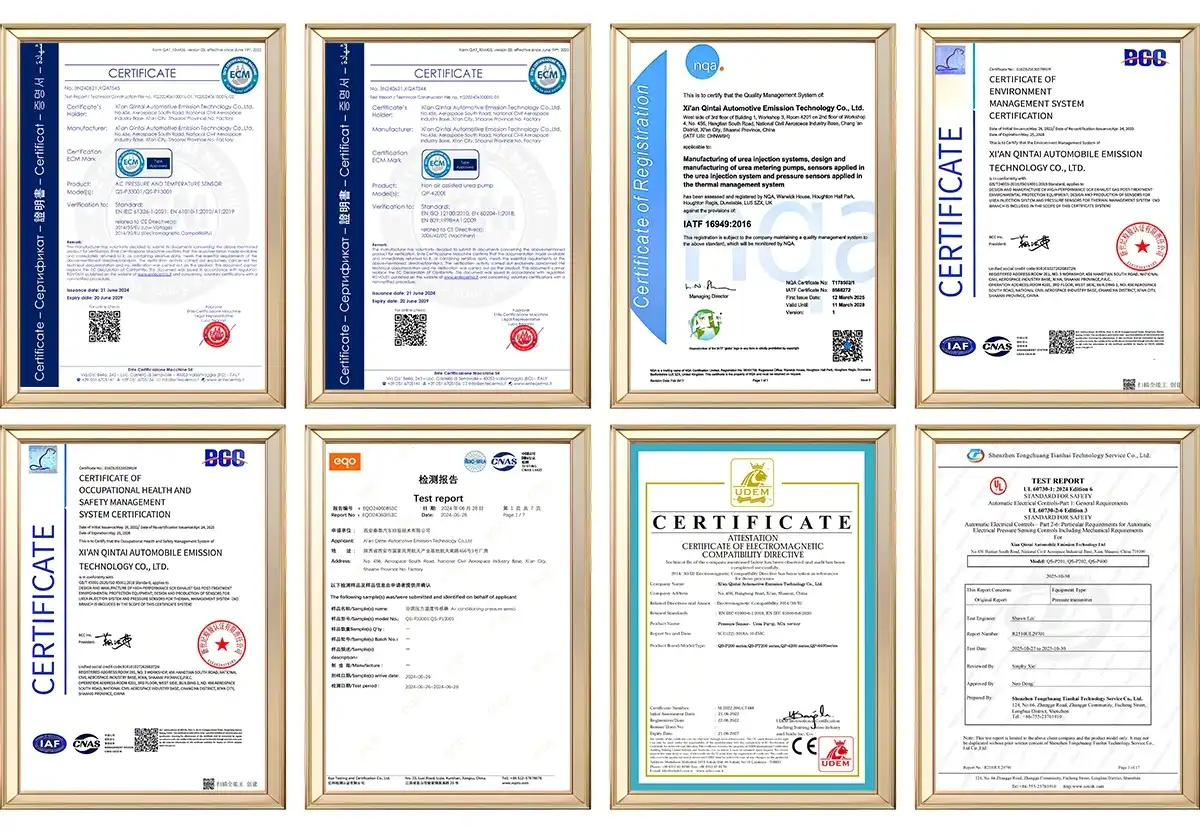
Standards for an industry are helpful guides. Certifications like ISO 9001 and IATF 16949 show that a supplier's quality management is mature. Ex approvals show that sensors meet the standards for being explosion-proof in dangerous locations. For demanding applications, ceramic pressure sensors are often preferred because they reliably meet these strict requirements. Applications that deal with emissions need parts that support China VI and Euro VI certification paperwork.
Evaluating Technical Datasheets and Certifications
Specifications that go into great detail show that sensors can do more than what they say they can do. Look for excess capacity that is clearly mentioned as a multiple of the rated pressure. Avoid vague terms like "high overload protection." Temperature coefficient specs show that the accuracy will be maintained across all working ranges. Ratings for burst pressure set the exact limits before a devastating failure.
Claimed efficiency is backed up by certification documents. Certifications like CE, UL, and RoHS show that a product meets the rules for foreign markets. Patents and intellectual property portfolios point to real new ideas instead of mass-produced goods. Companies with more than one idea patent usually put money into research and development (R&D), which leads to better products.
Supplier Evaluation Criteria
Buying from well-known companies lowers the chance of the purchase. We've been in the diesel engine emission control business since 2001, so we know a lot about it and can help customers with application-specific advice and technical support. Weichai Power, Yuchai Power, and Quanchai Power all use us as their main source, so we know what OEMs want when it comes to quality stability and supply chain reliability.
The manufacturing ability of providers tells us if they can meet the needs of mass production. We keep production sites that can grow to meet customer needs while keeping quality high with IATF 16949 procedures. When starting new car platforms that need thousands of sensors every month, this ability is important.
Customization gives sensors the ability to be optimized for specific uses. Unlike companies that only sell items from catalogs, we offer OEM and ODM services that let customers change the features of sensors, the electrical connections, and the way they are built to fit their needs. This flexibility cuts down on design sacrifices and raises performance overall.
Support Services and Partnership Value
The level of technical help is what sets key partners apart from commodity providers. Having access to application experts who know about hydraulic controls, industrial automation, and diesel engine aftertreatment systems helps buying teams choose the right sensors. We offer advice at every stage of the planning process, from choosing the first parts to starting production and providing help in the field.
Sample programs let you test things out before committing to large-scale production. We offer evaluation units that let users try sensors in real-world settings, so performance claims can be backed up by measured data instead of just specs.
After-sales reaction features protect against problems with quality and supply. Our world distribution network, which includes more than 60 countries, makes sure that we always have stock and can serve quickly. If problems happen in the field, our expert team quickly looks into them and takes steps to fix them, which keeps customers' operations going and protects the brand's image.
Conclusion
Ceramic and silicon sensors have different overload capacities, which has a big effect on their dependability, upkeep costs, and safety during operation in industrial settings. Ceramic Pressure Sensors are great for harsh settings like diesel engine emission control systems, building equipment, and generator sets because they can handle overloads of up to 5 times their rated capacity and are very stable at high and low temperatures. They are also very resistant to chemicals. Silicon MEMS sensors are sensitive and small, but they can't handle too much stress and can't work at high temperatures. For heavy-duty applications, procurement professionals should work with experienced manufacturers that offer certified products, the ability to customize, and full technical support. This way, they can make sure that the sensor choices they make meet both short-term performance needs and long-term operational goals.
FAQ
Q1: What overload capacity should I specify for diesel engine emission sensors?
A: When urea is injected, the DPF is cleaned, and the engine is cold, the SCR systems experience pressure changes. Ceramic Pressure Sensors with a minimum 3x overload capacity are a safe way to protect against damage. 4-5x overload ratings are helpful for applications that need to regenerate often or have high duty ratings. Most silicon sensors don't have enough safety against these situations.
Q2: How does temperature affect ceramic sensor overload capacity?
A: Ceramic Pressure Sensors can handle high pressures even when the temperature is very cold (-40°C to 150°C). The thermal stability of the material keeps its strength from dropping at high temperatures. Because they are consistent, ceramic sensors can be mounted close to engine blocks or exhaust systems, where silicon sensors would have a harder time handling overload and fail more quickly.
Q3: Can sensors recover after experiencing overload pressure?
A: When they are overloaded within their maximum capacity, piezoresistive Ceramic Pressure Sensors usually return to the accuracy that was set. The material changes shape in a stretchy way without changing its structure permanently. Silicon MEMS sensors may have zero-point shifts or changes in range that need to be re-calibrated. This difference in healing affects how much upkeep is needed and how much the whole thing costs to own.
Partner with Qintai for Reliable Ceramic Pressure Sensors
Choosing the right pressure sensor maker affects both the reliability of your system and the image of your business. Qintai has more than 20 years of experience in controlling diesel engine emissions and measuring industrial pressure. They have 58 idea patents and standards such as ISO9001, IATF16949, and Ex approval. We understand the tough needs of heavy trucks, building equipment, and generator sets because we are the main seller of Ceramic Pressure Sensors to China's top engine makers.
Our ceramic diaphragm pressure detectors have been shown to protect against overloading and stay accurate even when there are sudden changes in temperature or pressure that would normally mess up other sensors. We help you with the buying process by giving you sample programs, unique solutions made to your exact needs, and expert advice from engineers who know how to integrate aftertreatment systems. Our manufacturing capacity and quality processes make sure that you always have what you need for mass production, whether you need normal catalog items or OEM/ODM development for custom uses.
Email our expert team at info@qt-sensor.com to talk about your pressure sensing needs, get review samples, or look into ways to work together. You can find full specs, application guides, and certification paperwork at qt-sensor.com. When you work with Qintai, you'll be working with a seller that wants your business to succeed by providing you with high-quality goods, quick customer service, and excellent manufacturing.
References
1. Webster, J.G., "The Measurement, Instrumentation, and Sensors Handbook: Spatial, Mechanical, Thermal, and Radiation Measurement," CRC Press, 2017.
2. Bao, M., "Analysis and Design Principles of MEMS Devices," Elsevier Science, 2005.
3. Tian, B., et al., "Piezoresistive Pressure Sensors for Harsh Environment Applications," Sensors and Actuators A: Physical, Vol. 267, 2018.
4. Liu, C., "Foundations of MEMS," Pearson Education, 2012.
5. Eaton, W.P., and Smith, J.H., "Micromachined Pressure Sensors: Review and Recent Developments," Smart Materials and Structures Journal, Vol. 6, 1997.
6. Frank, R., "Understanding Smart Sensors: Industrial Applications and Design," Artech House Publishers, 2013.
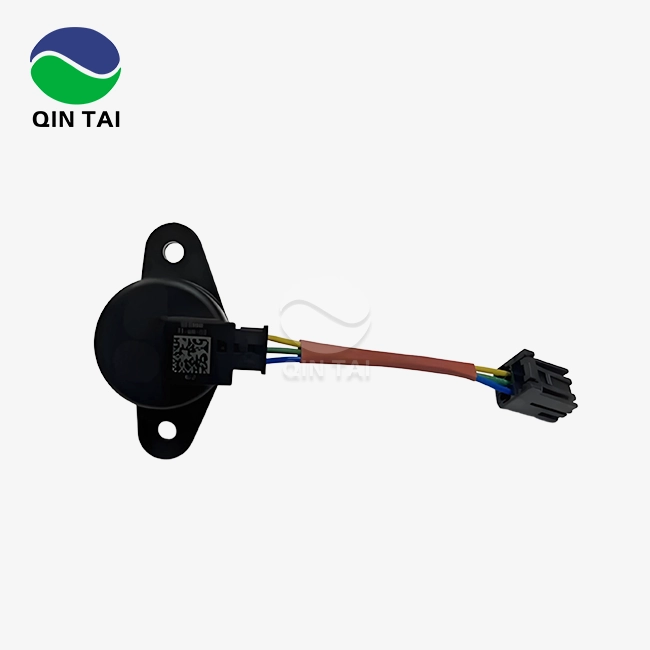
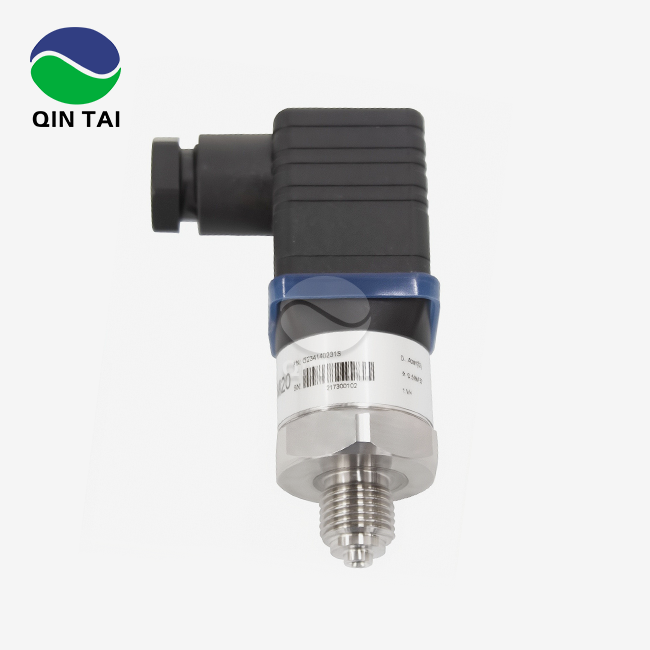
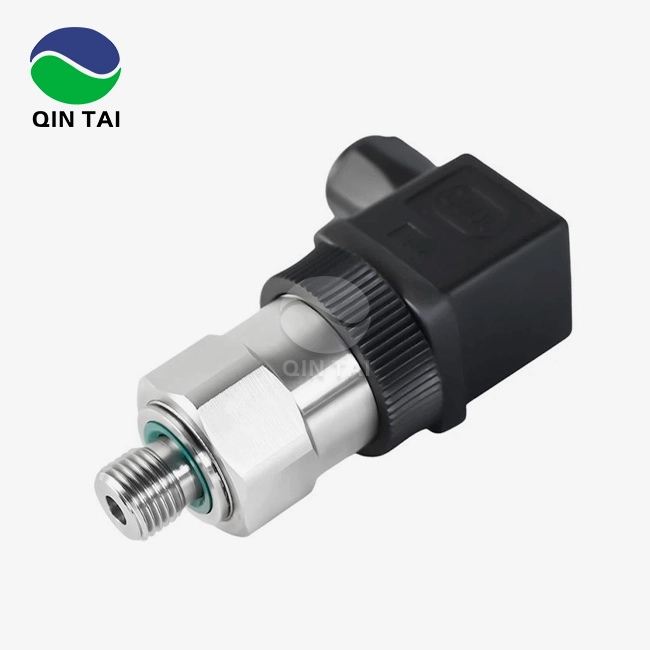

Our customers’ satisfaction speaks for our quality — contact us to experience the same reliable service.