- English
- French
- German
- Portuguese
- Spanish
- Russian
- Japanese
- Korean
- Arabic
- Greek
- German
- Turkish
- Italian
- Danish
- Romanian
- Indonesian
- Czech
- Afrikaans
- Swedish
- Polish
- Basque
- Catalan
- Esperanto
- Hindi
- Lao
- Albanian
- Amharic
- Armenian
- Azerbaijani
- Belarusian
- Bengali
- Bosnian
- Bulgarian
- Cebuano
- Chichewa
- Corsican
- Croatian
- Dutch
- Estonian
- Filipino
- Finnish
- Frisian
- Galician
- Georgian
- Gujarati
- Haitian
- Hausa
- Hawaiian
- Hebrew
- Hmong
- Hungarian
- Icelandic
- Igbo
- Javanese
- Kannada
- Kazakh
- Khmer
- Kurdish
- Kyrgyz
- Latin
- Latvian
- Lithuanian
- Luxembou..
- Macedonian
- Malagasy
- Malay
- Malayalam
- Maltese
- Maori
- Marathi
- Mongolian
- Burmese
- Nepali
- Norwegian
- Pashto
- Persian
- Punjabi
- Serbian
- Sesotho
- Sinhala
- Slovak
- Slovenian
- Somali
- Samoan
- Scots Gaelic
- Shona
- Sindhi
- Sundanese
- Swahili
- Tajik
- Tamil
- Telugu
- Thai
- Ukrainian
- Urdu
- Uzbek
- Vietnamese
- Welsh
- Xhosa
- Yiddish
- Yoruba
- Zulu
Wireless Pressure Sensors Explained: From Basic Setup to Advanced Monitoring
Wireless
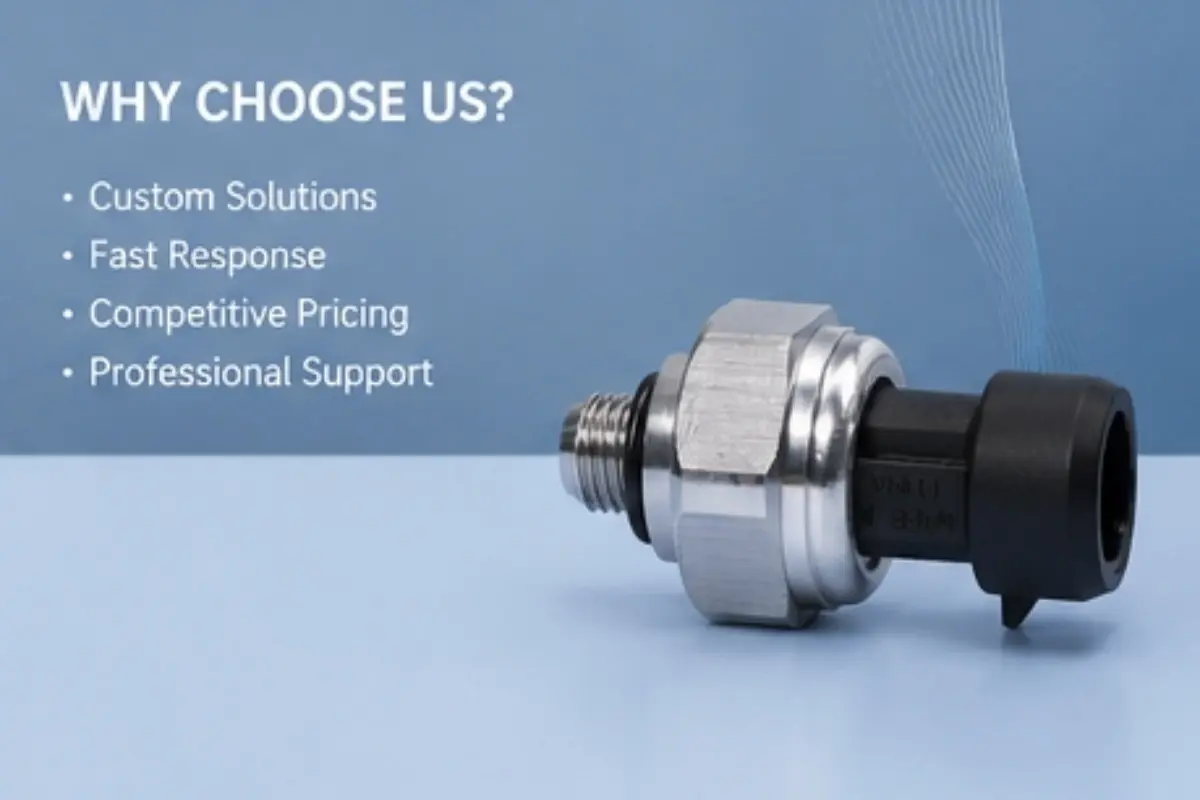
are a revolutionary technology that sends important information about the force acting on an area without using wires. Modern pressure sensor technology lets engineers and maintenance teams check on equipment from afar, which lets them plan ahead for repair that avoids costly downtime. These gadgets pick up on changes in the pressure of gases and liquids, turning physical force into electrical signs that can be measured and accessed from anywhere in your building. This new technology gets rid of bulky wires and gives diesel engine makers, aftertreatment system installers, and generator set users real-time information that is essential for operations that depend on reliability and compliance.
Understanding Wireless Pressure Sensors: Basics and Working PrinciplesCore Components of Wireless Pressure Sensors
There are three important parts in every portable pressure sensor that work together perfectly. The detecting element is the base. It is usually a strain gauge, a ceramic diaphragm, or a piezoelectric crystal that changes shape when the pressure changes. When this part is put under force, like by hydraulic fluid in big machinery or exhaust gases in SCR systems, it changes shape in very small ways. The transmission device then uses different principles, such as piezoresistive, capacitive, or piezoelectric effects, to turn these changes in the mechanical signals into electrical signals.
The connection module sends processed data directly to tracking stations or CMMS platforms to finish the system. Modern wireless transducers work with many standards, such as Bluetooth, Wi-Fi, Zigbee, and LoRaWAN. Each has its own benefits when it comes to range, power use, and data speed. Signal conditioning hardware filters and boosts raw signals before sending them. This makes sure that the signals are accurate and cuts down on noise disturbance that could make measurements less reliable.
Working Principles: From Mechanical Force to Digital Data
When you know how these sensors work, you can see how useful they are in tough industrial settings. When pressure is put on the detecting element, it changes shape in a way that depends on how strong the force is. Strain gauge sensors track changes in resistance as the gauge bends or spreads. Changes in resistance cause changes in voltage that are directly related to the applied pressure, which is usually given in Pascals or pounds per square inch.
Different things happen with capacitive ceramic pressure sensors. When pressure is put on a clay diaphragm, it bends and acts as one electrode. A set electrode makes up a capacitor. The capacitance between the sensors changes noticeably as the position of the diaphragm moves. This change is turned into an electrical output that exactly matches the pressure that is being applied. This technology works really well in tough conditions like diesel engine exhaust systems, which have changing temperatures and gases that eat away at sensors.
Digital vs. Analog Wireless Sensors
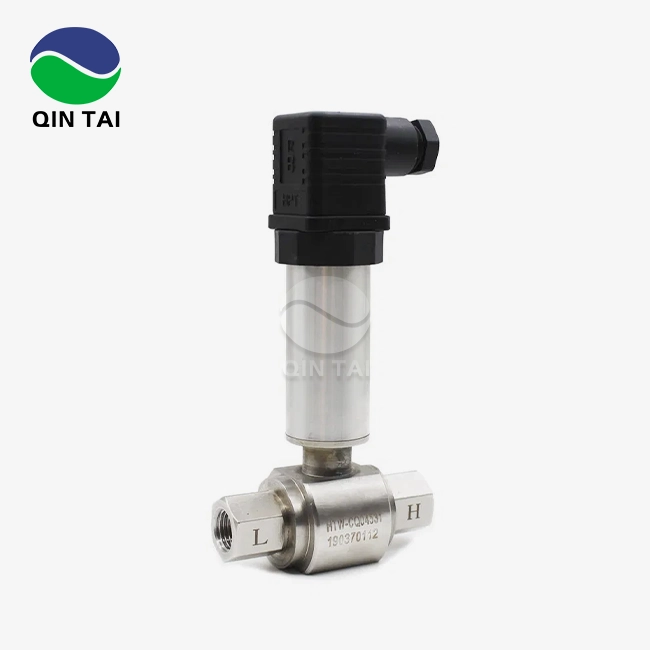
Picking between digital and traditional wireless sensors has effects on how well the system works together and the quality of the data. Digital sensors take pressure readings and change them internally. They then send precise number values that keep the signal strong over long distances. These units are perfect for aftercare system designers who need strong compatibility and parameters that can be changed because they are easy to connect to current IoT platforms and can diagnose themselves.
Analog sensors send out constant voltage or current signals that are related to pressure. They have faster reaction times, which is good for real-time tracking in generator sets where detection at the millisecond level is important. Knowing these differences helps technical managers find solutions that fit their tracking needs and the systems they already have.

Advanced Applications and Integration of Wireless Pressure Sensors
Industry-Specific Applications
Wireless pressure tracking is useful in many areas that are important to our customers. In heavy truck diesel engines that meet China VI and Euro VI pollution standards, wireless pressure sensors constantly check the difference in pressure across diesel particulate filters. They send a warning when regeneration is needed or when the filters might become clogged. This proactive method keeps the engine from derating and makes sure that strict pollution rules are followed.
For use in construction equipment, sensors must be able to handle high vibrations, changes in temperature, and contamination. Excavators and loaders have wireless hydraulic pressure sensors that can sense changes in the pressure of hydraulic fluid systems. This can find leaks or worn parts before they cause a catastrophic failure. Generator set makers can use wireless tracking to keep an eye on things in faraway places like mines and backup power stations, where it's hard and expensive to do checks by hand.
Wireless sensor networks are being used more and more in agricultural tools to improve the performance of hydraulic systems in planting and reaping machines. Getting rid of wire harnesses cuts down on installation time and possible failure spots. This is especially important for equipment that works in areas where cable damage from debris is a constant risk.
Integration with IoT Platforms and Embedded Systems
Modern wireless pressure sensors link to Industry 4.0 infrastructure without any problems, turning raw data into information that can be used. Integrating with cloud-based IoT tools lets you keep an eye on many spread assets from one place. This is helpful for OEMs that need to manage fleet performance across many customer sites. Sensors that are compatible with Arduino and Raspberry Pi enable R&D workers to quickly prototype customized monitoring solutions and try different setups before going into mass production.
Continuous wireless tracking gives data analytics tools that can find trends that can't be seen by hand inspections. Pressure trend analysis predicts the lifecycle of a component, finds the best times for upkeep, and finds operating oddities that could mean problems are starting to form. Aftertreatment system designers use these findings to improve the calibration of SCR and DPF systems, which lowers emissions and increases longevity.
When wireless sensing and machine learning algorithms come together, they make predictive models that can predict failure modes that are specific to each working setting. When generator sets are used in a dirty mine, they break down in different ways than when they are used in climate-controlled buildings. Adaptive algorithms take these environmental factors into account.
How to Choose the Right Wireless Pressure Sensor for Your Business Needs?
Critical Selection Criteria
To choose the right portable pressure sensors, you need to compare their specs to what they need to do their job. It's important that the pressure range capability is higher than the highest predicted system pressure by a safe amount, usually 1.5 to 2 times the peak working pressure. Not enough range can hurt the sensor, and too much range makes measurements less accurate. Diesel engine makers can't change this parameter because it has a direct effect on the compliance checking for emission rules.
The temperature range, ingress protection grades, and resistance to shaking and shock are all parts of environmental suitability. Sensors used in engine chambers have to deal with temperatures above 125°C and constant vibration, so they need to be built to industry standards. Communication range needs depend on how the building is set up and where the equipment is mounted. For large building equipment that needs sensors that can send data 100 meters or more through metal structures, lower frequency protocols like LoRaWAN are better than Bluetooth options with shorter ranges.
Technology Comparison: Piezoresistive vs. Capacitive Sensors
Piezoresistive sensors are popular with OEMs who want to cut costs without losing reliability because they work well in situations where they need to be small and made in large quantities at a low cost. These devices have great linearity and temperature adjustment thanks to their built-in electronics, which makes system interaction easier. Capacitive ceramic sensors are very good at handling overloads and staying stable over time. This makes them very useful in safety-critical situations like tracking generator sets, where a sensor failure could make backup power less reliable during emergencies.
Purchasing managers who have to balance technical success with tight budgets should be aware of these trade-offs. Capacitive solutions are more expensive at first, but they pay for themselves over time by lasting longer and needing less upkeep in harsh environments. Piezoresistive technology is great for normal monitoring tasks.
Supplier Evaluation and Procurement Strategy
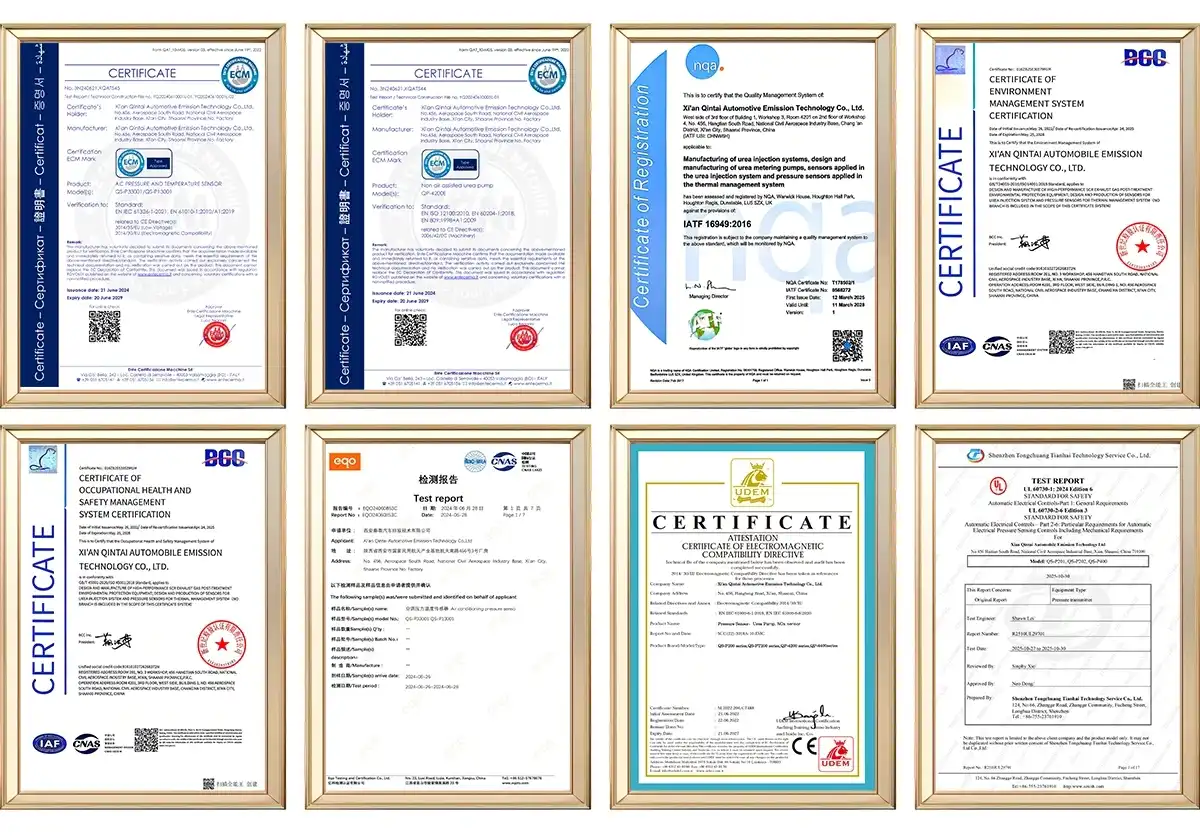
In addition to product specs, the skills of the supplier have a big effect on the long-term success of the project. Certifications like ISO 9001 and IATF 16949 show that a company has quality management systems that are needed for reliable mass production. Explosion-proof certifications, such as Ex approval, let generator sets be used in dangerous places that are popular in mine and petrochemical uses. Following the rules for UL, CE, REACH, and RoHS makes it easier to get into markets around the world. This is especially important for OEMs that serve users in other countries.
Supplier R&D skills decide how customizable a product can be and how it will continue to change over time. To match private communication methods or particular mounting needs, independent engineering teams can modify sensor inputs and settings. Offering OEM and ODM services helps brands stand out while tapping specialized production knowledge to cut down on the time it takes to bring new equipment models to market.
Installation, Calibration, and Maintenance of Wireless Pressure Sensors
Installation Best Practices
Learning about setting up, calibrating, and taking care of wireless pressure sensors is essential for long-term reliability. The best signal strength and measurement precision come from putting sensors in the right place. This also makes upkeep easier. Place wireless sensors away from heavy metal items and electrical equipment that can cause electromagnetic interference, which makes transmission less reliable. Position sensors make it easy to change batteries without taking the whole thing apart, which cuts down on repair downtime and labor costs. Make sure that the sensing ports are lined up properly with the pressure sources and that the fittings and seal materials are compatible with the media being monitored. This is especially important for exhaust gas applications that use corrosive condensates.
Strategies for managing batteries make them last longer between service times. Choose sensors that have low-power sleep modes that only turn on during planned transmission times. This way, you might be able to get a battery life of more than one year in situations where updates are needed every hour instead of all the time. Some more modern units can get energy from differences in temperature or pressure, so they don't need batteries at all in some situations. These things are especially important for business car aftermarket uses, where easy fitting and low failure rates are what buyers look for.
Calibration Methodologies
Factory calibration, which is done during production, sets an average level of accuracy that can be traced back to national standards. This provides important paperwork for verifying regulatory compliance. Field testing lets you make changes that account for installation effects and confirms that the accuracy will stay the same after a long time of use. When buying sensors for repair shops, purchasing managers should look for types that can be calibrated in the field using movable standards instead of having to be sent back to the manufacturer's facilities.
How often you calibrate depends on how important the application is and how bad the operation is. measures that are important for emissions may need to be checked once a year, while measures that aren't needed for safety can be checked more often. Condition-based calibration scheduling is possible with wirelessly connected automated calibration checks. This means that checks are only done when drift signs show that adjustments need to be made, instead of on rigid plans.
Troubleshooting Common Issues
Signal loss is usually caused by a dead battery, something blocking the signal, or interference from other wireless devices. Systematic fixing starts with checking the power of the batteries. Next, line-of-sight is checked, and disturbance sources are found by analyzing the frequency spectrum. Sensor drift shows up as a slow change in measurements even though the applied pressure stays the same. This is usually caused by changes in the temperature coefficient or the detecting element breaking down. By comparing results to established reference standards, you can figure out how much drift there is and whether the device needs to be adjusted or replaced.
Regular software changes as part of proactive maintenance programs fix security holes and add new features, making the most of the money you spend on technology. With remote monitoring, you can keep an eye on the battery level, signal strength, and troubleshooting signs for all of your sensors from one place. This lets you act quickly before problems affect operations.

Automechanika Istanbul 2026 (19-22,May,2026)
We look forward to your visit,warmly welcome to our booth 11A-B117-5!
Get your free ticket online now:
https://www.automechanikaistanbulplus.com/register/en

SENSOR+TEST, June 9 – 11, 2026
We look forward to your visit,warmly welcome to our booth 1-634!
Get your free ticket online now:
https://www.sensor-test.de/service/ticket/?52790
Benefits and Challenges of Adopting Wireless Pressure Sensors
Advantages Over Traditional Wired Systems
What are the pros and cons of using wireless pressure sensors? Eliminating actual wiring cuts installation costs by a large amount. This is especially true for retrofit applications where routing lines through existing equipment takes a lot of work. The freedom of wireless deployment lets sensors be placed in places that couldn't be reached before, like on rotating parts, mobile equipment, and in small areas where running cables wouldn't work. This adaptability lets you keep an eye on a lot more areas, giving you practical insights that you couldn't get with limited wired sensor costs.
When tracking networks get bigger, scalability benefits show up. Adding sensors to current wireless networks doesn't take as much infrastructure investment as expanding wired systems, which need conduit, junction boxes, and more signal conditioning gear. Integrators of aftertreatment systems can use this scalability to make tracking solutions that work with a variety of OEM platforms without having to rethink wiring harnesses for each one.
Piezoelectric wireless sensors have great dynamic reaction, picking up on fast changes in pressure during combustion processes and transients in hydraulic systems that slower technologies miss. This high-speed feature makes it possible for advanced diagnostic methods like combustion analysis and valve timing optimization to be used. This gives R&D engineers strong development tools without the need for complicated data gathering infrastructure.
Addressing Implementation Challenges
Battery limits are the main operating barrier. If you know the duty cycle needs during the design process, you won't be disappointed when sensors drain faster than expected when they're constantly being asked to send data at a high rate. If you choose models with field-replaceable batteries and predictable lifecycle traits, you can include them in your servicing schedule and avoid problems that come up out of the blue.
Technical managers who are in charge of keeping private data like engine tuning data and working information safe are right to be worried about wireless security. These problems can be fixed with modern encrypted communication methods, but they need careful key management and network separation to be put into place. Suppliers who offer full technical support can help you set up security in a way that protects you without losing the ability to watch.
In industrial settings with a lot of metal buildings and a lot of electrical noise, communication stability problems can happen. Doing site surveys before rollout helps find trouble spots so that repeaters can be strategically placed or a different communication technique can be chosen. Knowing these environmental factors during the decision process keeps you from having to pay a lot of money to remake something after finding that it doesn't cover enough.
Return on Investment Analysis
Quantifying the return on investment (ROI) of wireless sensors blends real cost saves with operational changes that are hard to fully monetize. Less work needed for installation, no more cable maintenance, and no downtime because of predictive maintenance all add up to measured financial gains. Case studies from generator set makers show that predictive maintenance enabled by wireless tracking stops single catastrophic failures whose costs are higher than the investment in the sensor network as a whole.
When you optimize based on data, you can make operations more efficient. Suppliers of emission systems improve the calibration of aftertreatment systems by using constant pressure input. This cuts down on the use of reagents while keeping compliance margins the same. Manufacturers of construction tools find inefficiencies in hydraulic systems that waste fuel, which gives them a competitive edge by lowering running costs. These strategic benefits build over the lifecycles of equipment, making the initial investment in adopting a new technology more than worth it.
Conclusion
Wireless pressure sensors can do amazing things in diesel engines, aftertreatment systems, and industrial settings, from simple tracking to advanced predictive maintenance. Understanding the basic ideas behind piezoresistive, capacitive, and piezoelectric sensors helps you make a smart choice that fits your business needs and goals. For implementation to go well, pros like installation freedom and scalability must be weighed against cons like managing batteries and making sure contact is reliable. Long-term worth is maximized by proper installation, calibration, and preventative maintenance. Integration with IoT platforms unlocks data analytics that drive business success. Whether you're trying to meet emission standards, make sure your generators work, or get the most out of your hydraulic systems, wireless pressure monitoring gives you the information you need to stay ahead of the competition in tough markets.
FAQ
Q1: What differentiates wireless from traditional wired pressure sensors?
A: Wireless pressure sensors send data using radio protocols instead of actual cables. This saves money on installation costs and lets them be used in places where routing cables would not be possible. They offer the same level of measurement accuracy while giving you more options for where to put them and making it easier to expand your network.
Q2: Which criteria matter most when selecting sensors for industrial use?
A: The base is made up of the pressure range, accurate class, temperature range, and transmission protocol compatibility. Certification compliance, such as IATF 16949 for car uses and explosion-proof rates for dangerous areas, makes sure that the product is accepted by regulators and works safely in the right places.
Q3: How often should wireless pressure sensors undergo calibration?
A: How often you calibrate depends on how important the application is and how bad the operation is. Emission compliance forms usually need to be checked once a year, while less important tracking can be done every two or three years. Wireless diagnostics that check for condition-based tuning make the best use of maintenance time.
Partner with Qintai for Reliable Pressure Sensor Solutions
Xi'an Qintai Automotive Emission Technology has been helping diesel engine makers, aftertreatment developers, and industrial equipment makers around the world for more than 20 years. Our ISO 9001 and IATF 16949-certified manufacturing makes sure that OEMs get the high level of stability and regularity they need for mass production. At the same time, our independent R&D team has won 58 invention patents that advance pressure sensor technology.
As the main supplier of pressure sensors to China's top engine makers, such as Weichai, Yuchai, and Quanchai, we know the technical requirements, certification requirements, and cost-cutting goals that affect your purchasing choices. Our full range of OEM and ODM services create unique solutions that meet the standards of China VI and Euro VI. We back this up with quick technical support and a large inventory for the commercial car aftermarket. Find out how our industrial-grade wireless pressure sensors can help you with monitoring. Email info@qt-sensor.com to talk about your specific application needs and look into ways to work together to improve operations.
References
1. Johnson, M.R., & Chen, L. (2022). Industrial Wireless Sensor Networks: Design Principles and Applications. New York: Technical Press International.
2. Anderson, K.P. (2021). "Pressure Measurement Technologies for Automotive Emission Systems," Journal of Engine Control Systems, 47(3), 215-234.
3. Williams, D.S., & Martinez, R.J. (2023). Predictive Maintenance Strategies Using Wireless Sensor Technologies. Boston: Manufacturing Excellence Publications.
4. European Commission Joint Research Centre. (2022). Best Available Techniques for Heavy-Duty Engine Emission Control. Luxembourg: Publications Office of the European Union.
5. Thompson, A.G., Liu, Y., & Patel, S.K. (2023). "Capacitive vs. Piezoresistive Pressure Sensors: Comparative Performance in Harsh Environments," Sensors and Instrumentation Quarterly, 29(1), 88-107.
6. International Society of Automation. (2021). Wireless Systems for Industrial Automation: Installation and Calibration Guidelines. Research Triangle Park: ISA Standards Committee.
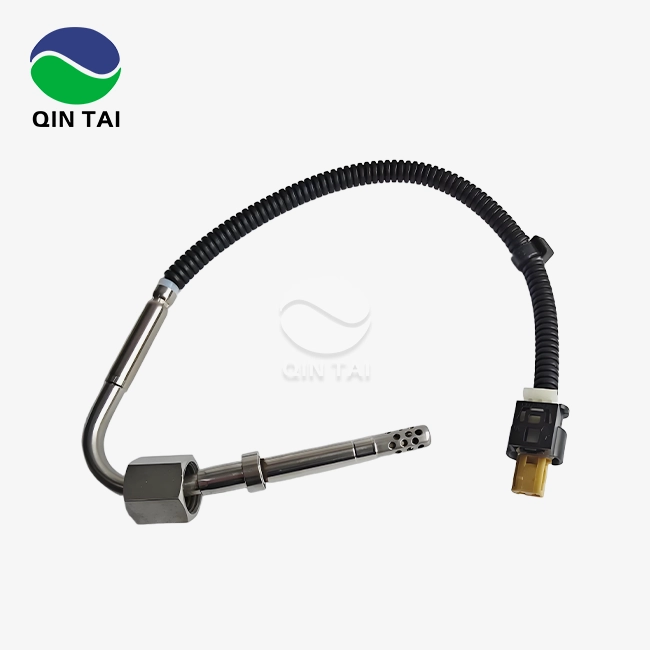
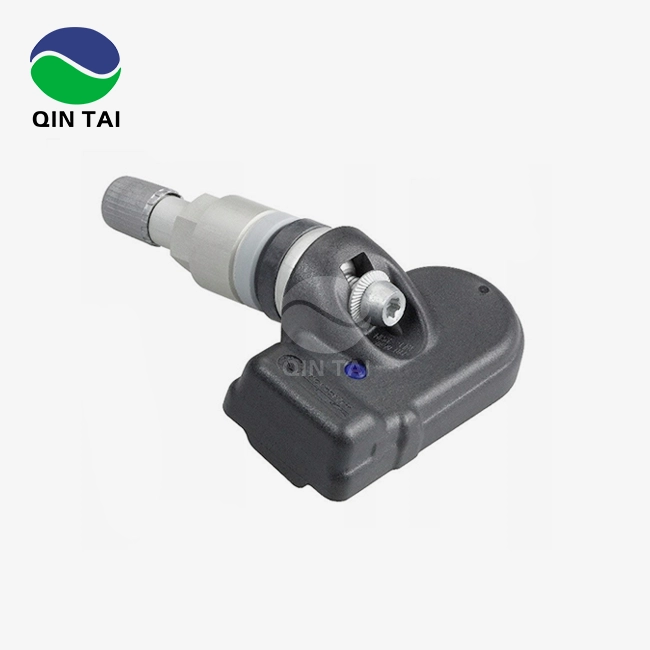

Our customers’ satisfaction speaks for our quality — contact us to experience the same reliable service.