- English
- French
- German
- Portuguese
- Spanish
- Russian
- Japanese
- Korean
- Arabic
- Greek
- German
- Turkish
- Italian
- Danish
- Romanian
- Indonesian
- Czech
- Afrikaans
- Swedish
- Polish
- Basque
- Catalan
- Esperanto
- Hindi
- Lao
- Albanian
- Amharic
- Armenian
- Azerbaijani
- Belarusian
- Bengali
- Bosnian
- Bulgarian
- Cebuano
- Chichewa
- Corsican
- Croatian
- Dutch
- Estonian
- Filipino
- Finnish
- Frisian
- Galician
- Georgian
- Gujarati
- Haitian
- Hausa
- Hawaiian
- Hebrew
- Hmong
- Hungarian
- Icelandic
- Igbo
- Javanese
- Kannada
- Kazakh
- Khmer
- Kurdish
- Kyrgyz
- Latin
- Latvian
- Lithuanian
- Luxembou..
- Macedonian
- Malagasy
- Malay
- Malayalam
- Maltese
- Maori
- Marathi
- Mongolian
- Burmese
- Nepali
- Norwegian
- Pashto
- Persian
- Punjabi
- Serbian
- Sesotho
- Sinhala
- Slovak
- Slovenian
- Somali
- Samoan
- Scots Gaelic
- Shona
- Sindhi
- Sundanese
- Swahili
- Tajik
- Tamil
- Telugu
- Thai
- Ukrainian
- Urdu
- Uzbek
- Vietnamese
- Welsh
- Xhosa
- Yiddish
- Yoruba
- Zulu
How Is an SCR Dosing System Installed in Modern Diesel Vehicles Today?
Installing an SCR dosing system in a modern diesel vehicle is a precise, multi-stage process that directly determines whether the vehicle meets today's stringent emission standards. At its core, the system injects a measured volume of Diesel Exhaust Fluid (DEF/AdBlue) into the exhaust stream, triggering a catalytic reaction that converts harmful nitrogen oxides (NOx) into harmless nitrogen and water vapor. From component placement to ECU calibration, every installation step shapes long-term system reliability, regulatory compliance, and total operating cost. This guide walks through that process in plain, practical terms for engineers, procurement managers, and aftertreatment integrators alike.

Understanding SCR Dosing Systems and Their Role in Diesel Engines
What Makes Up the System?
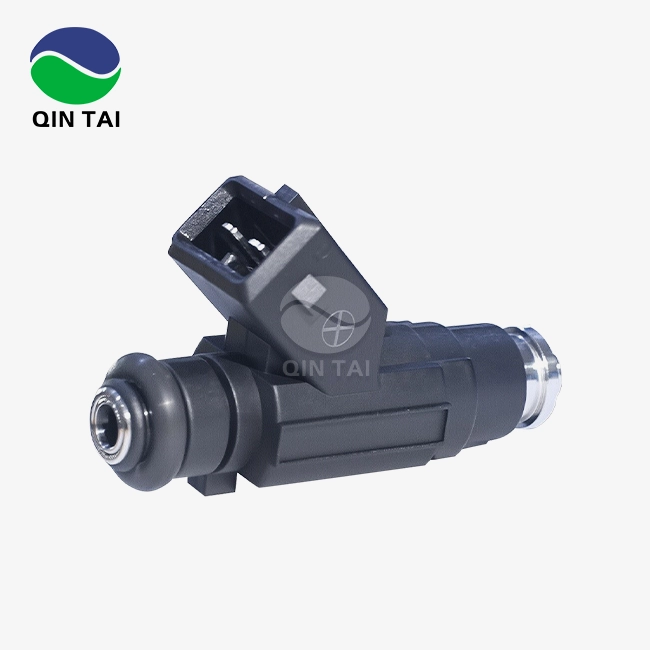
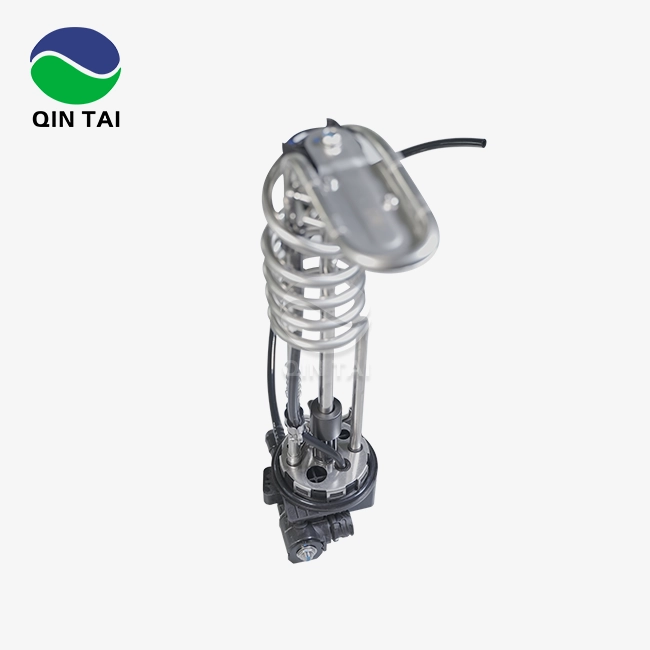
A full SCR aftertreatment assembly has a urea storage tank, a dosing pump, a urea injector, a dosing control unit (DCU), and a network of sensors, including the important urea dosing pressure sensor. All of these parts work together very well. Together, they allow closed-loop input in real time, which makes sure that the exact amount of DEF is delivered to the exhaust catalyst.
The urea tank talks to the SCR system directly through a level sensor that checks the amount of fluid in the tank, a temperature sensor that keeps AdBlue from freezing below -11°C, and a quality sensor that makes sure the urea concentration stays at the required 32.5%. If any of these readings aren't within the acceptable range, the DCU changes the dose or sets off a trouble code, which keeps the whole exhaust aftertreatment process within the legal limits.
Why the Pressure Sensor Is Non-Negotiable?
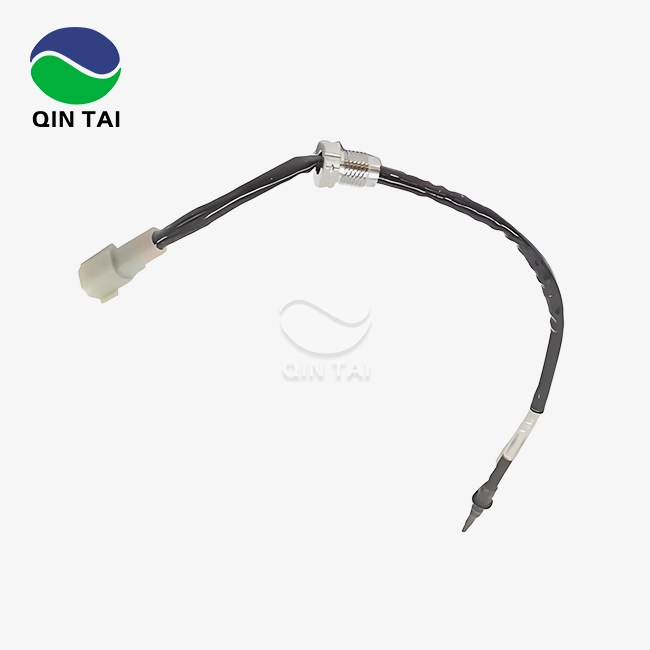
It is the urea dosing pressure monitor that has the most duty of all the detecting parts. It gives closed-loop feedback to make sure that the right amount of AdBlue is being injected, finds pressure drops that mean there are leaks, blockages, or air getting in, and warns of overpressure events that could be caused by frozen AdBlue or broken valves. It also helps figure out what's wrong with the injectors and how well the pump is working. If there isn't a good pressure monitor, the system pretty much works without knowing what's going on. This can cause NOx violations, the use of limp mode, and expensive downtime.
Step-by-Step Process of Installing an SCR Dosing System
Phase 1: Assessment and Component Selection
The installation team checks the car or engine base for mounting room, exhaust routing, and ECU compatibility before they start any actual work with the SCR dosing system. This check for compatibility is very important for heavy-duty trucks, construction equipment, and generator sets, because they have very different space requirements and vibration profiles. Choosing a sensor package with tested thread standards (M10×1 or M12×1.5) and a matched output signal format (0.5V–4.5V analog or SENT protocol) that fits the ECU calibration stops mistakes that cost a lot of money further down the line.
Phase 2: Physical Mounting and Fluid Routing
Once the parts are chosen, the urea tank is put in a safe place that is away from direct waste heat. The dosing injector goes into the exhaust pipe before the SCR catalyst. Its position makes sure that the DEF is completely mixed with the air before it hits the catalyst face. From the tank to the pump to the injector, there are fluid lines that make gentle bends to keep the pressure low and prevent urea crystallization in areas where the fluid doesn't move. Well-designed dosing pressure sensors have internal flow paths with little dead volume. This lowers the risk of crystallization even more inside the sensing chamber.
Phase 3: Electrical Integration and ECU Calibration
The dose control unit is linked to the engine control unit of the car through the CAN bus. Then, technicians use special software to set up dose maps, sensor limits, and fault-response parameters. This step decides how strongly the system reacts to short-term changes in load and how quickly it rebounds from changes in pressure. After the system has been calibrated, a bench-level pressure test makes sure that it stays at the target pressure without any drift. This checks the integrity of the pump and the accuracy of the sensor signal.
Phase 4: Validation and Emission Testing
In the last step of installation, the engine is put through a standard duty cycle while NOx output, DEF consumption, and DCU fault logs are watched. Before the car leaves the plant, its emissions must be below the Euro VI or EPA Tier 4 Final limits. Any change sets off a structured troubleshooting sequence that includes checking the pressure sensor signal, the flow of the injectors, and the quality of the urea.

Best Practices and Maintenance Tips for SCR Dosing Systems
Inspection and Cleaning Intervals
Based on data from the industry, commercial vehicles' SCR dosing system pressure sensors and injectors should be functionally checked every 100,000 km or 2,500 operating hours, whichever comes first. In places with a lot of dust, like mines or building yards, that time is cut down a lot. It is very important to keep the connector pins clean and dry. The sensor fault code P204B, which means there are problems with the circuit range or performance, is often caused by dirty or corroded connector pins instead of a broken sensor.
Hardware checks are important, but regular DEF quality checks are even more important. When AdBlue is contaminated or watered down, it changes the percentage of urea, which leads to mistakes in doses and catalyst degradation. This risk is taken care of at its source by using ISO 22241-compliant DEF and the right storage devices.
Managing Freezing and Crystallization
AdBlue freezes at -11°C and grows by about 9% in size. A well-made dosing pressure monitor has a flexible internal buffering structure that can handle this growth without the membrane breaking. At the system level, most modern SCR assemblies have a return-line heating circuit that empties the dosing module of fluid when the engine is turned off. This keeps the pump and injector from freezing over nite.
Choosing the Right SCR Dosing System for Your Fleet or Project
Diesel NOx reduction systems are bought based on more than just the unit price. The total cost includes labor for installation, how often sensors need to be replaced, how efficiently DEF is used, and warranty coverage. OEM-grade parts usually have a longer proven service life. For example, sensors designed for normal industrial use are made to last 15,000 to 20,000 hours of use. Aftermarket parts, on the other hand, vary a lot in quality and can be hard to track down.
When technical teams are looking at an SCR dosing system supplier, they should ask for proof of output signal compatibility, freeze-tolerance testing results, anti-crystallization design features, and certifications like ISO 9001 and IATF 16949. These credentials show that the supplier's quality management system meets standards for the car industry. This is very important when inspectors look at the supply chain to make sure it meets Euro VI or EPA requirements.
Ensuring Compliance and Safety in SCR Dosing System Installation
Compliance is not a one-time thing that needs to be checked; it is part of every installation choice. When technicians work with AdBlue, they need to wear the right PPE because high amounts of the fluid can be slightly irritating to the eyes and skin. There must be exact adherence to OEM wiring plans during electrical integration in order to avoid grounding problems that skew sensor readings.
Also, keeping records is very important. When regulators check up on fleet owners, they need a paper trail of things like installation reports, sensor calibration records, and source compliance certificates. For business-to-business buyers who need to buy parts from other countries, supplier certifications like CE, RoHS, REACH, and explosion-proof (Ex) ratings make sure that the products meet the safety standards of the importing country as well as the performance requirements of the end customer.

Conclusion
For a proper installation of an SCR dosing system, care must be taken at every step, from checking for compatibility to carefully mounting components to calibrating the ECU and checking for emissions after installation. The urea dosing pressure monitor is the most important part of the system's accuracy. The quality of its design directly impacts NOx compliance, preventing limp-mode, and long-term reliability. When you buy parts from a certified, experienced manufacturer, you lower your risk at every stage and help your compliance record stay strong for the life of the asset.
FAQ
Q1: How often should SCR systems be serviced in commercial diesel vehicles?
A: Usually, functional checks should be done every 100,000 km or 2,500 hours of operation. In places with a lot of shaking or dust, the gaps need to be shorter. Every checkup should include checks for the soundness of the connectors and the quality of the DEF.
Q2: Can older diesel engines be retrofitted with SCR technology?
A: Retrofitting is technically possible, but it needs to be carefully looked at to make sure that the ECUs will work together and that there is enough space. Some older systems don't have the CAN bus architecture that current dosing control units need. This makes integration harder and costs more.
Q3: What does fault code P204B indicate?
A: There is a problem with the urea pressure sensor circuit range or performance, as shown by P204B. Most of the time, it's caused by signal drift from an old sensor or dirty connector pins. This type of failure happens much less often with sensors that have gold-plated terminals.
Q4: What is the typical installation cost range?
A: The cost of installation varies by area and platform. Full SCR aftertreatment work for heavy-duty trucks, which includes tools and labor, usually costs between $1,500 and $4,000 USD, based on how complicated the system is and how much labor costs in the area.
Q5: How long do urea dosing pressure sensors last?
A: Sensors made to automotive standards are usually rated to work for 15,000 to 20,000 hours in normal commercial vehicle conditions.
Partner with Qintai — A Trusted SCR Dosing System Manufacturer
Since 2001, Qintai has been providing precise SCR aftertreatment sensors to OEM customers around the world. They are certified by IATF 16949, ISO 9001, CE, RoHS, and REACH. We are the top supplier of dosing pressure sensors in China to Weichai Power and Yuchai Power. We offer OEM, ODM, and custom configurations with fast delivery. Email our team at info@qt-sensor.com to get a price or a technical advice right away.
References
1. European Commission. Euro 6 Emission Standards for Heavy-Duty Vehicles Regulation (EC) No 595/2009. Official Journal of the European Union, 2009.
2. U.S. Environmental Protection Agency. EPA Tier 4 Final Emission Standards for Nonroad Diesel Engines. EPA Publication, 2008.
3. ISO. ISO 22241: Diesel Engines — NOx Reduction Agent AUS 32. International Organization for Standardization, 2019.
4. SAE International. SAE J2897: Measurement of Hydrogen Gas Emission from Battery-Powered Passenger Cars and Light Trucks During Battery Charging. SAE Technical Paper Series, 2011.
5. Majewski, W. A., & Khair, M. K. Diesel Emissions and Their Control. SAE International, 2006.
6. Johnson, T. V. "Diesel Emission Control in Review." SAE International Journal of Fuels and Lubricants, 2010.


Our customers’ satisfaction speaks for our quality — contact us to experience the same reliable service.