- English
- French
- German
- Portuguese
- Spanish
- Russian
- Japanese
- Korean
- Arabic
- Greek
- German
- Turkish
- Italian
- Danish
- Romanian
- Indonesian
- Czech
- Afrikaans
- Swedish
- Polish
- Basque
- Catalan
- Esperanto
- Hindi
- Lao
- Albanian
- Amharic
- Armenian
- Azerbaijani
- Belarusian
- Bengali
- Bosnian
- Bulgarian
- Cebuano
- Chichewa
- Corsican
- Croatian
- Dutch
- Estonian
- Filipino
- Finnish
- Frisian
- Galician
- Georgian
- Gujarati
- Haitian
- Hausa
- Hawaiian
- Hebrew
- Hmong
- Hungarian
- Icelandic
- Igbo
- Javanese
- Kannada
- Kazakh
- Khmer
- Kurdish
- Kyrgyz
- Latin
- Latvian
- Lithuanian
- Luxembou..
- Macedonian
- Malagasy
- Malay
- Malayalam
- Maltese
- Maori
- Marathi
- Mongolian
- Burmese
- Nepali
- Norwegian
- Pashto
- Persian
- Punjabi
- Serbian
- Sesotho
- Sinhala
- Slovak
- Slovenian
- Somali
- Samoan
- Scots Gaelic
- Shona
- Sindhi
- Sundanese
- Swahili
- Tajik
- Tamil
- Telugu
- Thai
- Ukrainian
- Urdu
- Uzbek
- Vietnamese
- Welsh
- Xhosa
- Yiddish
- Yoruba
- Zulu
How to Select a Pressure Sensor for Outdoor Use?
Selecting the right pressure sensor for outdoor applications demands careful evaluation of environmental challenges, technical specifications, and operational reliability.
These sensors convert physical pressure into electrical signals through advanced sealing technologies—including hermetic enclosures, protective gels, and corrosion-resistant materials—ensuring consistent performance where standard sensors would fail. Understanding how these devices balance durability with precision helps procurement managers and engineers make informed decisions that align with emission compliance, system integration, and long-term cost control.


Understanding Pressure Sensors: Basics and Working Principles
Core Functionality and Pressure Measurement Types
Pressure Sensors work by picking up the force that gases or liquids apply and turning it into a measurable electrical output. When pressure is put on the sensor, the diaphragm changes shape. Depending on the sensing technology used, this causes changes in resistance, capacitance, or voltage.
Gauge pressure monitors are great for hydraulic systems in building equipment because they measure pressure in relation to the air pressure. Absolute pressure monitors work with a tight vacuum and can be used to make generator sets more level. Sealed gauge sensors have the best qualities of both types, so they stay stable in a wide range of weather conditions that are common in farm equipment.
Advanced Technologies
Keeping moisture out requires a number of different technical techniques to work together. Saltwater and industrial chemicals can't damage stainless steel housings, especially 316L grade. O-rings and gaskets act as main barriers where cables enter and where they connect. Inside electronic parts, epoxy resins or silicone gels act as potting compounds, protecting them from mechanical shocks and keeping water out. In methods for isolating media, hydraulic oil gearbox chambers let pressure move to silicon sensing elements that are kept in holes that can't be opened. This multiple layer defence keeps sensors accurate even when they are underwater or hit with high-pressure water cleaning that is needed in emission aftertreatment systems.
Performance Metrics Critical for B2B Evaluation
Specifications for accuracy tell us if a sensor meets the measurement requirements for emission control systems that follow China VI or Euro VI rules. Response time is affected by sensitivity, which is especially important for diesel engines that use real-time SCR system adjustments. Durability includes things like resistance to thermal cycles, vibration tolerance, and diaphragm wear life. These all have a direct effect on guarantee claims and how often parts need to be replaced. Temperature compensation methods keep calibration accuracy across operating ranges, from cold starts in the Arctic to high temperatures in the desert. This is important for equipment used in a wide range of climate zones across the United States.
Key Factors to Consider When Selecting a Pressure Sensor for Outdoor Use
Environmental Operating Conditions and Material Compatibility
In heavy truck applications, outdoor sensors have to work in temperatures that range from -40°C to 125°C. This means that the materials used need to be able to keep their shape and flexibility over a wide range of temperatures. The choice of pressure range needs to take into account the highest working loads as well as safety margins. For example, a hydraulic system for building equipment might need a range of 0 to 600 bars of capacity with 150% overpressure protection.
When used in freshwater, there are more material options, but when used in saltwater, titanium or a special type of polymer covering is needed to stop galvanic rusting. Over time, UV radiation breaks down regular cable jackets, so sensors that are mounted on the outside of equipment need UV-stabilized materials. When sensors come into contact with diesel exhaust fluids, hydraulic oils, or cleaning solvents during maintenance cycles, chemical compatibility is very important.
Temperature adjustment methods range in how complicated they are and how much they cost. For mild conditions, passive compensation pairs materials with thermal factors that cancel each other out. Active compensation uses built-in temperature monitors and microprocessor correction algorithms to provide accuracy of ±0.1% across wide temperature changes. This is necessary for emission tracking systems that need accurate exhaust pressure readings to meet regulatory requirements. By knowing the worst-case scenario for your application, you can avoid defining too many expensive features or not enough protections, which can cause the system to fail too soon.
Certification Standards and Regulatory Compliance
Ingress protection levels are described by IP ratings. For example, IP67 guarantees a dust-tight seal and submersion resistance up to 1 metre for 30 minutes, which is enough for most outdoor installations. IP68 adds constant submersion to certain depths, which is needed to check the level of a fuel tank. The IP69K certification adds resistance to high-temperature and high-pressure sprays, which is very important for sensors that are in engine compartments that are cleaned with steam.
In addition to IP ratings, ATEX certification lets generators be used in explosive environments, which is common in mining applications. RoHS compliance limits dangerous chemicals, which is in line with rules about the environment in North America and Europe. CE marking means that the product meets EU safety standards, which makes it easier for OEM makers to sell their products across borders.
Instead of just believing what the maker says, procurement teams should ask for third-party test results that back up these certifications. Pressure Sensor performance is a critical factor in this verification process, as sensors that are part of emission aftertreatment systems need to have paperwork that shows they meet calibration standards that can be traced back to national metrology centers. This helps with audit requirements when new car models or engine variants are being certified.
Integration Requirements and System Compatibility
The types of output signals determine how well they work with current control systems. For older systems that use analogue voltage outputs (0-5V or 0-10V), shielded wiring is needed to keep electromagnetic interference from alternators and ignition systems to a minimum. Current loops (4-20mA) are better at blocking noise over longer wire runs that are typical in farm equipment. Digital protocols like CANbus, Modbus, and IO-Link allow two-way communication, which means that configuration and diagnostic changes can be made from afar without physical access. This lowers the cost of maintenance for distributed generator set installations.
Electrical connectors often break when they aren't sealed properly and water gets in at the sensor-cable junction. DIN 43650 connectors with IP67 grades make links that can be serviced reliably in the field. M12 circular connectors offer protection against dust and water (IP68/IP69K) and can withstand vibrations, making them ideal for mobile devices. Cable strain relief stops wear failures that happen when vibrations put a lot of stress on the body of the connection. Power usage is important for remote tracking apps that use batteries. Modern sensors draw less than 5mA of power, which means that lithium batteries can last for years.

Comparing Pressure Sensors: How to Choose the Best Fit
Technical Specifications Aligned with Operational Needs
When control systems already have signal processing hardware, analogue devices are easier to use and cost less. Digital sensors have amplification, temperature adjustment, and linearisation built right into the sensor body. This makes the system simpler and more accurate. This integration is helpful in systems that process wastewater and need to keep an eye on multiple pressure points. Also, using CANbus for centralised data processing cuts down on the cost of wiring harnesses when mass production is happening.
There is a mix between responsiveness and noise vulnerability in sensitivity parameters. High-sensitivity sensors pick up on very small changes in pressure that are necessary for controlling DPF regeneration. However, they might need extra filtering to stop vibrations from setting off false triggers. Models with less sensitivity give stable results in places with a lot of mechanical noise, like diesel engines. They give up some resolution for stability. Matching the sensitivity to the range of real pressure changes is the best way to get the best performance and lowest cost.
Evaluating Supplier Capabilities and Total Cost of Ownership
Leading makers have decades of experience with applications and strict quality control systems. However, niche experts can often offer better customisation options at lower prices. When judging suppliers, you need to look at more than just unit cost. Lead times and scale are affected by manufacturing capacity, which is very important when starting to make a lot of new engine types. How quickly integration problems are fixed during prototype development depends on how good the technical help is. Warranty terms of one to five years show that the maker is confident in the product's dependability. This has a direct effect on lifetime costs when the cost of new labour is higher than the cost of the component.
When you negotiate a bulk purchase, you should talk about volume commitments, price breaks at certain quantities, and consignment inventory arrangements that cut down on working capital while still ensuring just-in-time delivery. Setting up dual-source methods reduces disruptions in the supply chain, but keeping two approved sources requires spending money on validation. With long-term partnership deals, suppliers' goals are tied to the success of their customers. This makes it easier for everyone to work together to solve problems in the field.

Installation Best Practices and Maintenance Tips for Outdoor Pressure Sensors
Strategic Mounting and Environmental Protection
The first step in a proper installation is choosing a mounting position that keeps external stresses to a minimum and guarantees accurate measurement. Putting sensors away from direct water spray paths cuts down on unnecessary exposure, even if the IP rating allows it. Mounting positions that let water drain away from electrical connections stop pooling, which speeds up the breakdown of seals. In mobile equipment settings where constant mechanical stress leads to failures due to fatigue, vibration isolation through rubber grommets or flexible mounting brackets makes sensors last longer.
When arranging cables, it's important to keep them from getting damaged by sharp edges, heat from exhaust parts, and stress from moving equipment. Service loops can handle changes in temperature without putting stress on the links. At regular intervals, cable ties hold the route in place, stopping resonance vibration modes that cause wear and tear. For a Pressure Sensor, special attention must be paid to sealing its cable entry points, and it keeps moisture out of the signal line from the sensor to the controller by protecting splices and fix points with heat-shrink tubing.
Calibration Protocols and Preventive Maintenance
Calibration checks the accuracy of sensors against reference standards on a regular basis. This finds drift before it affects system performance or compliance with regulations. Calibration times rely on how hard the application is. Once a year checks are enough for stable environments, while every three months checks are best for harsh environments with temperature changes and vibrations. For field calibration, dead-weight testers provide traceable pressure standards, and master gauges are a practical alternative when it comes to moving equipment around.
Visual checks find problems early on, before they become major problems. Corrosion in connectors shows up as discolouration or crystalline deposits around the pins. If the cable jacket starts to crack, it means that it has been exposed to UV light or chemicals and needs to be replaced before water gets in. When mounting hardware comes loose, vibrations can be sent through, which speeds up mechanical failures. Keeping track of what was found during inspections builds up data on reliability that can be used to support predictive maintenance strategies that plan replacements for planned breaks instead of waiting for problems to happen.
Troubleshooting Common Field Issues
Signal drift shows up as small changes in readings even though the pressure stays the same. It's usually caused by diaphragm wear, temperature adjustment drift, or electronics getting wet. By comparing suspect sensors to known-good ones, the broken unit can be found. Erratic readings that jump around a lot could mean that the links are loose, there is electromagnetic interference, or the sensing elements are harmed.
Systematic elimination, like checking connections, switching cables, and testing with shielded leads, finds the causes. Complete signal loss means that the power source has failed, wires have been cut, or the sensor has been severely damaged. Sensor failures can be told apart from power delivery problems by checking the voltage at the sensor terminals.
When repair teams know these troubleshooting trends, they can quickly fix problems and keep equipment running as much as possible. Keeping important spare sensors on hand for places where they fail often ensures quick repair when analysis shows that replacement is needed. By keeping track of failure modes and frequencies, you can find long-lasting issues that need design reviews or discussions about supplier quality.
Procurement Insights: How to Effectively Buy Pressure Sensors for Outdoor Projects
Defining Technical Requirements and Application Specifications
A successful buying process starts with detailed recording of all the requirements that includes all the important factors. When the load changes, a hydraulic system that is supposed to work at 200 bar might experience 350 bar spikes. This is why the pressure range needs to include the minimum and highest values as well as the expected transients. The level of accuracy needed depends on the application. For example, ±0.5% accuracy is needed for emission monitoring to meet regulatory requirements, while ±2% tolerances are fine for general equipment monitoring. The operating temperature range takes into account both the outside temperature and heat sources. For example, sensors close to turbochargers are much hotter than sensors in fuel systems.
The right IP number is chosen based on the environmental exposure grade. Chemical compatibility lists all the fluids that the sensor comes in contact with, such as diesel fuel, urea solution, hydraulic oil, and coolant. This lets you choose materials that won't break down. Output signal type and electrical interface specifications guarantee compatibility with current control systems, avoiding costly adapter circuits or controller modifications. Mounting compatibility is based on the mechanical interface dimensions. Standard threads (G1/4, NPT1/4) make installation easier, while custom fittings make it possible to add on to existing ports.
Supplier Qualification and Quality Assurance
Finding trustworthy suppliers can help you avoid quality problems that slow down production and hurt your relationships with customers. Certifications like ISO9001 and IATF16949 show that you are dedicated to managing quality in a structured way. IATF16949 is all about the needs of the vehicle supply chain, which is very important for OEM suppliers to heavy truck makers. Industry-specific certifications, like UL for sales in North America and CE for sales in Europe, make it easier for customers to approve products during the qualification process.
The supplier must be able to meet your number needs while still leaving room for growth. Site checks show how well a company can make things, how it controls quality, and how deep its technical knowledge goes. Looking at the money spent on research and development shows how much innovation is possible, which will help products change in the future as pollution standards get stricter or new uses come up. Patent portfolios show real technical knowledge, not just the ability to put things together. However, in speciality sensor markets, real-world application experience often counts more than patent counts, and this is especially true for a Pressure Sensor, where proven durability in harsh environments outweighs theoretical filings.
Negotiating Terms and Managing Supplier Relationships
During negotiations over prices, the unit cost and the total value delivered are weighed. For quantity rates, you need to make a volume promise. Depending on the complexity of the product, the cutoff could be anywhere from 1,000 to 10,000 units per year. A contract that lasts for more than one year gives both parties stability in prices, which helps suppliers accurately figure out how much a product costs, and insight into production, which lets them invest in specific tools or inventory. The terms of payment affect the amount of working capital needed. For example, net-60 terms make cash flow easier than advance payment demands.
For lead time estimates to be reasonable, the complexity of production must be taken into account. Standard catalogue items usually ship within a few weeks, but items made to order may take 8 to 12 weeks, which includes design validation and tooling. Setting up forecasting rules with moving forecasts for the next six months helps providers make the best use of their supplies and production schedules, which lowers the cost of expedite fees when demand goes up. After-sales support agreements that spell out how long it will take to answer technical questions and handle insurance claims keep fights from going on for a long time when problems happen in the field.
There are perks beyond price that come from building collaborative ties with suppliers instead of transactional ones. Suppliers can see your product roadmap, which lets them help with engineering for next-generation designs before they even happen. You can use the supplier's knowledge and new technologies before they're available to the public. Being honest with each other about cost structures and expected margins helps solve problems when changes in tariffs or product prices affect the economy. This keeps the relationship stable during market shocks.

Conclusion
When choosing Pressure Sensors for outdoor use, technical performance must be balanced against environmental challenges and lifecycle economics. To be successful at procurement, you need to fully understand what the application needs, compare the capabilities of the sensors to those needs, and work with providers who can provide both high-quality products and quick support. A well-informed choice is based on things like IP ratings, material compatibility, accuracy specifications, and certification portfolios.
Best practices for installation and preventative maintenance make sensors last longer, and knowing how to fix problems quickly cuts down on downtime. Long-term value goes beyond initial unit pricing when strategic supplier relationships are built on clear communication and mutual benefit. These relationships support emission compliance goals, production scalability, and market competitiveness in the heavy truck, construction machinery, agricultural equipment, and power generation sectors.
FAQ
How can accuracy and reliability be verified before purchasing?
Ask for testing certificates that can be linked to national standards and show that the measurements are accurate. Test records from a third party back up IP scores and claims about environmental performance. Before placing large orders, connectivity problems are found by trying samples in real-world settings. Quality standards for suppliers, such as ISO9001 and IATF16949, show that the manufacturing process is controlled in a way that ensures regular product quality. Referrals from customers who have used similar products give real-world feedback on how reliable they are.
Which certifications matter most during procurement?
IP grades describe the amounts of moisture protection that are needed for outdoor uses. ATEX approval lets you use it in places where explosions could happen. RoHS compliance is required by environmental laws in developed markets. CE marking makes it easier to sell goods in Europe. UL listing helps with approvals in North America. Standards specific to the car industry, like IATF16949, show how strict the quality system is. How important certification is depends on the application environment and the market you want to reach.
Partner with Qintai for Reliable Waterproof Pressure Sensor Solutions
Qintai has been a leader in the field of Waterproof Pressure Sensors for over 20 years, with a focus on diesel engine emission systems and other tough industrial uses. Our ISO9001 and IATF16949 certifications show that we handle quality in a planned way, and our CE, RoHS, and UL approvals make it easier for companies around the world to follow the rules. As China's top OEM Waterproof Pressure Sensor supplier, we work with major engine makers like Weichai Power, Yuchai Power, and Quanchai Power to make sensors that work in harsh environments for SCR aftertreatment systems, exhaust monitoring, and hydraulic control. Our independent research and development team has 58 invention patents that allow for customisation from the first idea to mass production.
Qintai provides flexible OEM and ODM services that are suited to your unique technical requirements and volume needs, whether you need Waterproof Pressure Sensors for heavy trucks, building equipment, farming equipment, or generator sets. We can make both prototypes and large quantities of products, and the standard of our work is always the same, and our wait times are competitive. Technical support teams help with application engineering to make sure that your equipment or systems for aftertreatment work well together. Find out how our knowledge of emission technology turns into dependable sensing solutions for your outdoor uses by contacting us at info@qt-sensor.com to discuss your Waterproof Pressure Sensor needs.
References
1. Chen, W., & Liu, H. (2023). "Waterproofing Technologies in Industrial Pressure Sensors: Materials and Design Strategies." Journal of Sensor Technology and Applications, 41(3), 234-251.
2. Anderson, K. R. (2024). "Pressure Measurement in Harsh Environments: Selection Criteria for Automotive and Industrial Applications." International Journal of Automotive Engineering, 15(2), 112-129.
3. Martinez, S., & Thompson, D. (2023). "Ingress Protection Standards and Their Impact on Sensor Reliability in Outdoor Applications." Sensors and Instrumentation Review, 38(4), 445-462.
4. Zhang, Q., Wang, L., & Kim, J. H. (2024). "Advances in Hermetic Sealing for Pressure Sensors in Diesel Emission Control Systems." Emission Technology Quarterly, 29(1), 67-84.
5. Roberts, M. J. (2023). "Total Cost of Ownership Analysis for Industrial Pressure Sensors: Beyond Initial Purchase Price." Procurement Management in Manufacturing, 22(3), 178-195.
6. European Committee for Standardization (2023). "Pressure Sensor Performance Requirements for Automotive Exhaust Aftertreatment Systems." Technical Report EN 45820:2023, Brussels, Belgium.
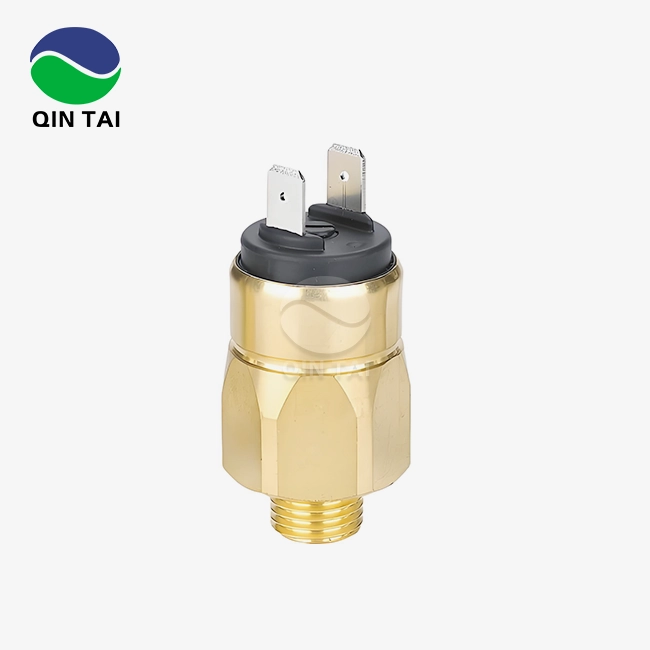
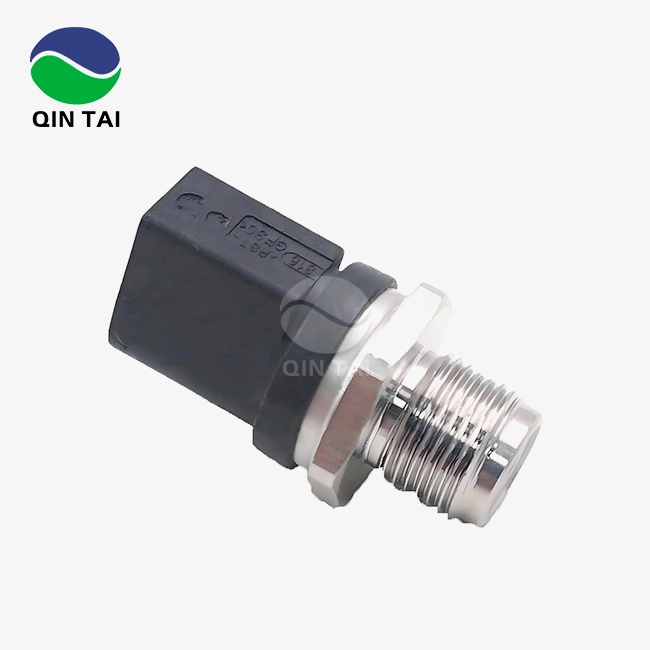
 Sensors.webp)
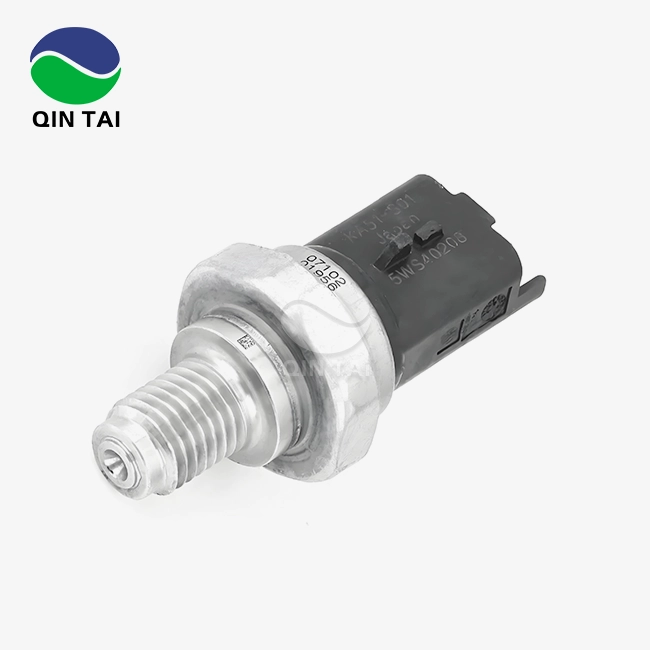

Our customers’ satisfaction speaks for our quality — contact us to experience the same reliable service.