- English
- French
- German
- Portuguese
- Spanish
- Russian
- Japanese
- Korean
- Arabic
- Greek
- German
- Turkish
- Italian
- Danish
- Romanian
- Indonesian
- Czech
- Afrikaans
- Swedish
- Polish
- Basque
- Catalan
- Esperanto
- Hindi
- Lao
- Albanian
- Amharic
- Armenian
- Azerbaijani
- Belarusian
- Bengali
- Bosnian
- Bulgarian
- Cebuano
- Chichewa
- Corsican
- Croatian
- Dutch
- Estonian
- Filipino
- Finnish
- Frisian
- Galician
- Georgian
- Gujarati
- Haitian
- Hausa
- Hawaiian
- Hebrew
- Hmong
- Hungarian
- Icelandic
- Igbo
- Javanese
- Kannada
- Kazakh
- Khmer
- Kurdish
- Kyrgyz
- Latin
- Latvian
- Lithuanian
- Luxembou..
- Macedonian
- Malagasy
- Malay
- Malayalam
- Maltese
- Maori
- Marathi
- Mongolian
- Burmese
- Nepali
- Norwegian
- Pashto
- Persian
- Punjabi
- Serbian
- Sesotho
- Sinhala
- Slovak
- Slovenian
- Somali
- Samoan
- Scots Gaelic
- Shona
- Sindhi
- Sundanese
- Swahili
- Tajik
- Tamil
- Telugu
- Thai
- Ukrainian
- Urdu
- Uzbek
- Vietnamese
- Welsh
- Xhosa
- Yiddish
- Yoruba
- Zulu
How to Select the Right Urea Dosing Pump for Trucks
To select the right urea dosing pump for trucks, start with what the SCR system needs: engine type, emissions standard, flow rate, pressure, voltage, and control protocol. Next, confirm the pump suits DEF or AdBlue, handles freezing weather, and communicates with the ECU. Compare pump types, supplier documents, and total cost, not price alone. A well-matched urea dosing pump delivers steady fluid to the dosing module and supports NOx conversion. It also helps you avoid fault codes, engine derating, and downtime. This guide walks through each step in plain terms.
Why the Correct Urea Dosing Pump Matters for Truck SCR Systems?
What a Urea Dosing Pump Does in an SCR System
Diesel exhaust fluid (DEF) is sold in some places as AdBlue. DEF is moved from the tank to the dosing section by a urea dosing pump. According to EN 22241, DEF is a good product since it contains 67.5% deionized water and 32.5% urea. The module sprays the fluid into the tailpipe. It turns into ammonia because of the heat there. The SCR catalyst then changes the NOx into nitrogen and water. Heavy-duty NOx levels in the US can't be higher than 0.2 grams per brake horsepower-hour, according to EPA rules from 2010. Diesel trucks mostly follow these rules with SCR. So the spray stays fine and even, the pump's job is to keep the pressure and flow just right.
How the Pump Differs from the Injector, Tank, and Controller
If you put the SCR parts in the wrong order, they won't work right. The tank has DEF in it. The pump, which feeds the module, raises the pressure. The injection measures the fluid and breaks it up into tiny particles. It checks what the engine says and decides how much DEF to send. Data from sensors that measure temperature and NOx are sent to the controller. That's when the catalyst does its last job. A trouble code doesn't always mean the pump is broken. On a scan tool, plugged injectors or sensors that don't pick up NOx can both look the same. Techs can figure out what's wrong faster if they know which part does what, and buyers can be sure they get the right part.
What Happens When the Pump Does Not Fit
Things will go wrong right away if you pick the wrong pump. There isn't enough pressure for the spray to work well, and urea builds up in the air pipe. A leak can damage the lines and links. If you mess up the dosing, fault codes will appear. Many engines will then derate, which cuts power until the fault goes away. One broken truck in a fleet means that deliveries will be late and there will be a tow bill. The groups that can use this guide are fleet managers, OEM engineers, wholesalers, service shops, and teams that buy things. Each group sees the risk in a different way. The buyer is worried about the price, the engineer is worried about the calibration, and the shop owner is worried about having to fix things more than once.
Define Requirements and Size the Pump Correctly
List the Truck and Engine Requirements First
Before you look at other goods, write down what the truck needs. Write down the model year, type of car, engine model, pollution standard, and how the SCR is set up. Write down the part number, type of connection, and control signal that is already there when you replace the pump. Then write down the things that make up the setting, like noise, dust, humidity, height, and cold temperatures. The new job should be the same form, size, and wiring as the old one. It's possible that a new platform will need its own settings for communication, flow, or placement. When someone buys a fleet, they should also find out if spare parts are easy to get. It's cheaper to train people and keep extra parts on hand when more than one type of truck uses the same urea dosing pump platform. The OEM teams should add to the list important dates for production and launch.
Calculate Flow Rate from Real Dosing Demand
The highest flow of a chart doesn't always show what's going on. The largest dosing order from the SCR controller will tell you how much flow you need. The load on the engine, the NOx output, the duty cycle of the injectors, and the purge processes all affect this order. Short events, like hard acceleration, should be added. Most of the time, DEF makes up between 2% and 3% of diesel fuel use. It's a good way to make sure everything is fine, but the pump still needs to be able to handle a lot of needs. Request flow charts that were created using real DEF at various temperatures and low battery voltages. Give yourself some room to fail, but don't go too far. When the pump is too big, it needs more power, makes more heat, and can make the pressure control less stable.
Check Pressure Against System Losses
Pressure is just as important as flow. The fluid that the pump has to push through is slowed down by each tube, filter, valve, connection, and injector. That pressure needs to be added to the injector's need pressure to get the pressure at which it can work. Then check the pressure-flow curve to see if the pump can keep the pressure at the right level for the flow rate. For the curve to be correct, the truck must be turned off and on more than once. Check to see how fast the pressure rises after you turn the key. Trouble codes and missed doses can be caused by a slow buildup. When lines are long or twisted, they lose more power, so line layout is an important part of size.

Compare Pump Technologies, Materials, and Cold-Weather Protection
Electric, Pneumatic, Diaphragm, and Piston Designs
Cars are the most common place where electric pumps are used. They come in small packages, make it easy to fine-tune the speed, and can connect to the ECU through PWM or CAN signals. Things that already have compressed air can be used with pumps that use it, but the air needs to be clean and dry and have regulators. The moving parts in urea dosing pumps don't get wet, which is why they work so well. It is possible for piston pumps to measure pressure correctly and keep it steady. There isn't a single style that works everyplace. When you compare them, you can see how well they dose, how fast they respond, the pressure, how long they last, how big they are, and how much control you need. You might have to do more work after the first road test if you only look at price or pump type.
Material Compatibility with ISO 22241 Fluid
Any part that touches fluid needs to be able to handle ISO 22241 DEF. That list has contacts, filters, sensors, diaphragms, valves, springs, tubes, and connectors. Copper, brass, and zinc don't mix well with urea. Too much time can also break down the wrong kind of rubber. Not just claims, but also large files. Things that come off of bad materials get stuck in filters and injectors. Leaks and crystals shouldn't form when DEF dries because of the plan. A purge function that clears the lines when the machine is turned off is helpful. Good seals and the right connectors are also important. Find out from sources how they check to see if chemicals are compatible.
Freeze Protection and Purge Function
DEF freezes at about 12°F (-11°C). This is important for trucks that work in northern states or in the winter. When DEF freezes, it rises and can break parts that hold liquid. If you turn off an SCR system, heaters may be used to clean the lines and thaw the fluid. The injector, pump, lines, and connectors are not protected just because the tank is hot. Make sure the urea dosing pump can clear and drain back, as well as freeze and thaw. How long does it take for the system to warm up after starting from cold? It's important to do this because dosing can't begin until the fluid melts.
Check Control, Integration, and Application Fit
Control Interface and ECU Compatibility
When adding an SCR, it might be easier to do so with a urea dosing pump that has a controller. However, the electrical connection must work with the truck. Check to see if the pump has a PWM motor, analog data, CAN control, or a speed that can be changed. Most of the time, the pump talks to the engine control unit. The engine control unit figures out how much to dose based on the engine's load, the flow of exhaust, and NOx monitor input. Some SCR control strategies set by Bosch ECUs can be met by Qintai urea dosing pumps. Even so, before you buy something, you should always ask the seller about the signal type, connection pinout, and software version. Most delays in merging are due to small issues with the wiring or the software.
Calibration, Diagnostics, and Protection Functions
During commissioning, teams should make sure that there is no flow, pressure, leakage, incorrect injector timing, or sensor feedback. Check the low-rate dose because NOx slip or particles show up when there is a small mistake at low flow. Make sure the shut-off and purge functions work, and that any problems are shown clearly in the diagnostics. There are many things that can go wrong with a pump: not enough fluid, too much pressure, too much current, too much heat, something getting stuck, or communication being lost. They keep things from breaking and make it easy for techs to figure out what's wrong. To make things, OEM teams should find out if they can lock down the calibration data. Each unit on the line will then work the same way. Just having one good sample isn't enough; all units need to be the same.
Match the Pump to the Duty Cycle
The duty cycle can help you decide what to do in the end. For long hauls, trucks need to keep running smoothly, use little energy, and be able to handle long engine loads. In cities, buses and delivery cars have to start and stop a lot, deal with changes in temperature, and be quiet. Being small and quick to respond is helpful in these situations. Building and farming machines need better protection against mud, dust, vibration, and shock, but they don't always get it. When generators are used in mines or as backup power, they need fans that can run for a long time in rough air. For marine and specialty diesel use, corrosion, humidity, or approval needs may be added. No matter how strong the manual says the pump is, if it is picked for the wrong duty cycle, it will fail early.
Evaluate Suppliers and Cost, Then Install and Choose
Supplier Checks and Qintai Urea Pump Features
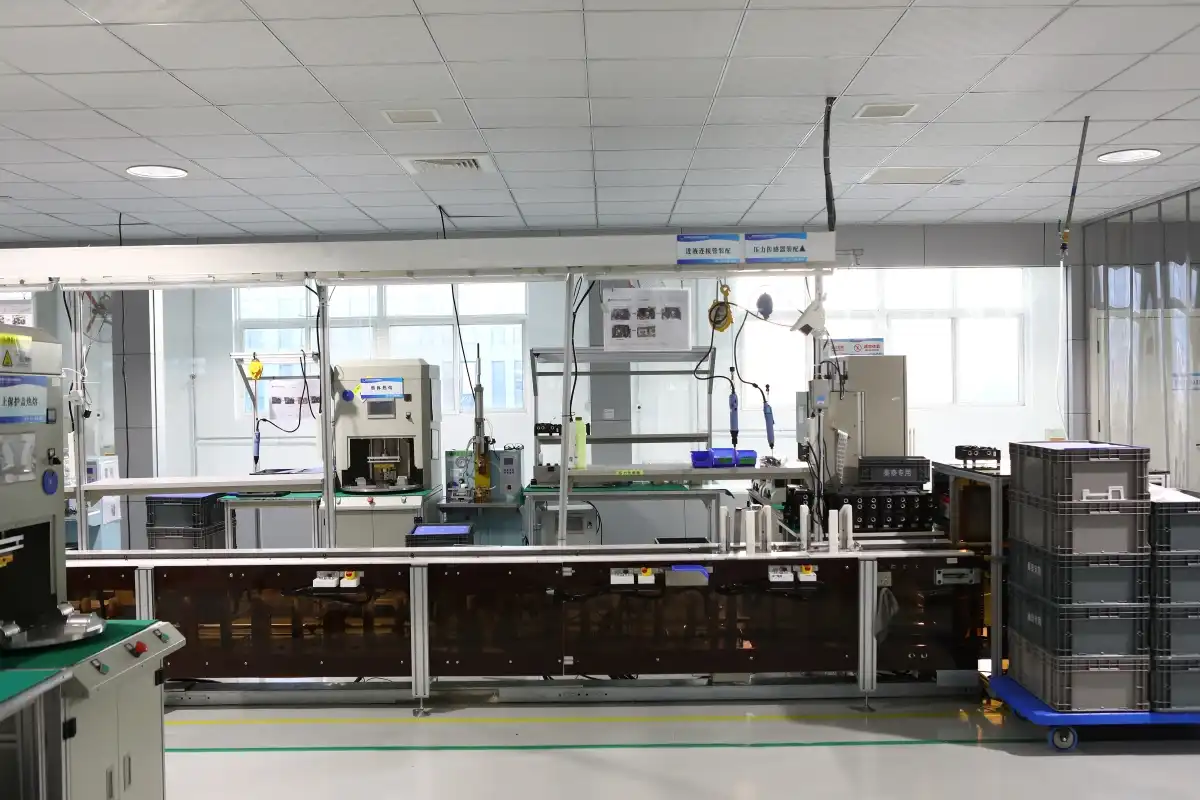
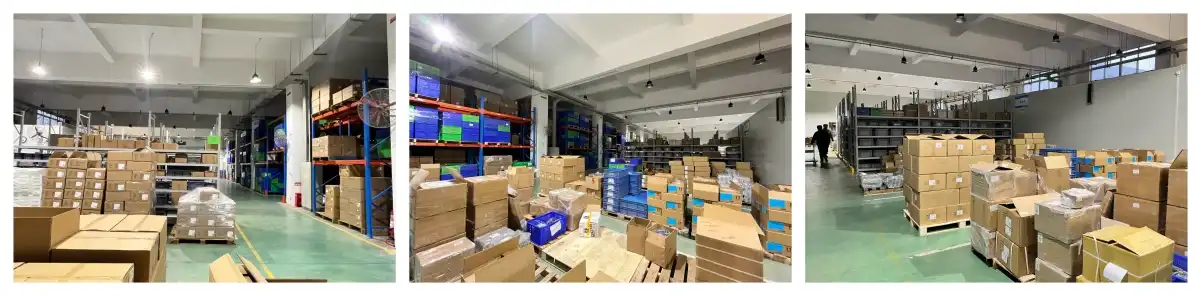
A qualified provider should give you performance data, material records, test results, application references, and quality controls. Also, find out how much the seller can make. A good sample doesn't mean much if they can't deliver a lot. Aftermarket pumps may be cheaper, but they need to be carefully checked to make sure they work with the OEM replacement pumps. The Xi'an Qintai Automotive Emission Technology Co. Ltd. is a national high-tech company that has been around since 2001.
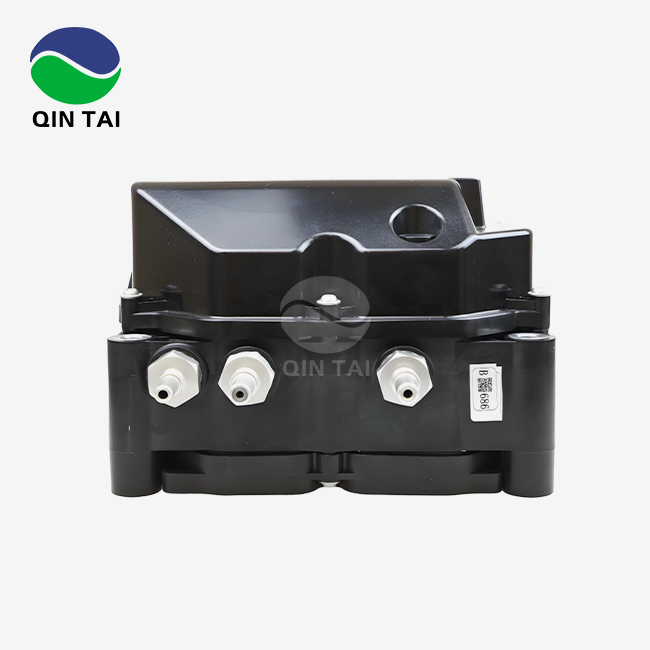
Parts and sensors for diesel engine SCR aftertreatment that we create, make, and fix are what we do. ISO 9001, IATF 16949, CMC, Ex, UL, CE, REACH, and RoHS are some of the certificates we have. We have also filed for 58 idea patents. Our urea dosing pump is small and has a pump, a filter, and a heater all in one. It has a purge feature, low energy use, and low noise. It also doesn't freeze. We sell power to more than 60 countries and areas through Weichai Power, Yuchai Power, and Quanchai Power.
Total Cost of Ownership and Ordering Checklist
Unit price is only one line in the cost. Energy use, service life, extra parts, guarantee, shipping, import costs, downtime, and expert help are all part of the total cost of ownership. A well-priced pump that lasts for years costs more than a cheap pump that breaks down twice. Check the flow, pressure, voltage, current draw, duty cycle, response time, control protocol, wetted materials, operating temperature, freeze protection, IP rating, vibration resistance, dimensions, ports, and connectors before you place your order. Then ask in writing for curves, wiring specs, installation notes, calibration data, and guarantee terms. Procurement can compare quotes that are all the same with the help of a written checklist, which also finds holes before they get to the assembly line.
Installation, Maintenance, and Final Selection
Even a well-chosen pump is safe if it is installed correctly. Keep the suction lines short, clean, and closed off from air. Air can cause pressure to change and dosing mistakes. Keep the wires away from heat, water, and shaking, and only use ISO 22241-compliant DEF to fill the tank. Check the voltage, condition of the filter, and quality of the fluid first when a fault shows up. Then, compare the pressure and rate to the manual. Inspections, changes to filters and seals, and fault logs avoid fixes from having to be done again and again.
When making your final choice, don't go by looks, brand loyalty, or the lowest price. Instead, go by confirmed compatibility. Use a weighted matrix that looks at overall cost, performance, integration, longevity, and supplier support. If you know the details for the original part, a normal replacement will work. Along with OEM and ODM services, Qintai also lets you customize new platforms from the design stage all the way through mass production.
Conclusion
Before picking a urea dosing pump, you should think about what the truck really needs: the engine, the emissions standard, the layout of the SCR, and how it will be used. Flow rate and pressure should not be based on datasheet maximums, but on real dose needs and system losses. Electric, gas, diaphragm, and piston types are all used for different things. When things are wet, they need to be able to handle ISO 22241 fluid. The pump, lines, and connectors also need to be able to freeze at 12°F. The duty cycle tells us how well the pump works with the ECU and control system. The length of time tells us how long it lasts. It is more important to look at the total cost of ownership, documents from the supplier, and the price per unit. The result is safe because the software is fixed, the DEF is clean, and checks are done on a frequent basis. These things make a clear choice with a weighted decision grid.
FAQ
What Is the Function of a Urea Pump?
AdBlue is moved from the tank to the dosing module by the urea dosing pump when the pressure is right. It keeps the flow and pressure steady so the catalyst works well and lets you precisely measure how much NOx is reduced in SCR systems.
What Are the Advantages of Qintai Urea Pumps?
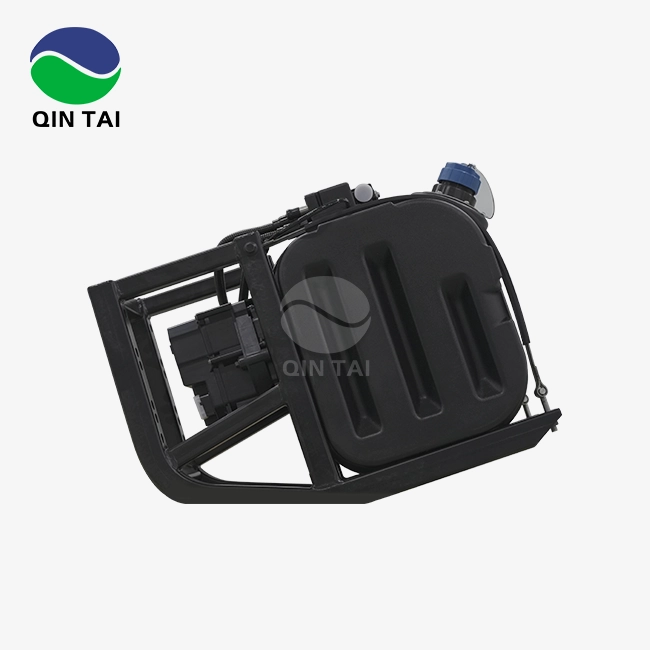
You can count on them and they last a long time. They are also small because the heater, filter, and pump are all built into one unit. They are easy to use because they don't freeze and have a clear feature built in. They don't make a lot of noise and don't use a lot of power either.
How Is the Urea Pump Controlled?
It can talk to the engine's control unit. The ECU checks the NOx monitor, the load on the engine, and the flow of exhaust to decide.
Does It Comply with Bosch ECU?
Yes, Qintai urea dosing pumps work with some SCR control schemes that Bosch ECUs have set up. Before you place your order, talk to our team about the connector and software details.
Contact Qintai for a Urea Dosing Pump Recommendation
We can help you find the right urea dosing pump for your truck, engine, or SCR project. Qintai is a national high-tech company that has been in business since 2001. For more information, contact us by sending an email to info@qt-sensor.com with your application, emissions standard, flow, pressure, voltage, and protocol. You can make changes to our urea dosing pumps from the planning stage all the way through mass production. We offer OEM and ODM services.
References
1. ISO 22241-1, 2019
2. ISO 22241-3, 2019
3. Federal Register, Control of Air Pollution from New Motor Vehicles: Heavy-Duty Engine and Vehicle Standards, 2001
4. Catalysis Today, Urea-SCR: A Promising Technique to Reduce NOx Emissions from Automotive Diesel Engines, 2000
5. SAE International Journal of Engines, Vehicular Emissions in Review, 2016
6. Bosch Automotive Handbook, 2014

Our customers’ satisfaction speaks for our quality — contact us to experience the same reliable service.