- English
- French
- German
- Portuguese
- Spanish
- Russian
- Japanese
- Korean
- Arabic
- Greek
- German
- Turkish
- Italian
- Danish
- Romanian
- Indonesian
- Czech
- Afrikaans
- Swedish
- Polish
- Basque
- Catalan
- Esperanto
- Hindi
- Lao
- Albanian
- Amharic
- Armenian
- Azerbaijani
- Belarusian
- Bengali
- Bosnian
- Bulgarian
- Cebuano
- Chichewa
- Corsican
- Croatian
- Dutch
- Estonian
- Filipino
- Finnish
- Frisian
- Galician
- Georgian
- Gujarati
- Haitian
- Hausa
- Hawaiian
- Hebrew
- Hmong
- Hungarian
- Icelandic
- Igbo
- Javanese
- Kannada
- Kazakh
- Khmer
- Kurdish
- Kyrgyz
- Latin
- Latvian
- Lithuanian
- Luxembou..
- Macedonian
- Malagasy
- Malay
- Malayalam
- Maltese
- Maori
- Marathi
- Mongolian
- Burmese
- Nepali
- Norwegian
- Pashto
- Persian
- Punjabi
- Serbian
- Sesotho
- Sinhala
- Slovak
- Slovenian
- Somali
- Samoan
- Scots Gaelic
- Shona
- Sindhi
- Sundanese
- Swahili
- Tajik
- Tamil
- Telugu
- Thai
- Ukrainian
- Urdu
- Uzbek
- Vietnamese
- Welsh
- Xhosa
- Yiddish
- Yoruba
- Zulu
Is a Sputtered Thin Film Pressure Sensor Better Than Foil Types?
Engineers and procurement managers often wonder whether sputtered thin film pressure sensors outperform foil-type sensors. In most demanding industrial situations, the thin film design wins. Vacuum-deposited thin film sensors connect sensing layers to stainless steel substrates at the atomic level, avoiding adhesive creep and oil-fill leakage. Higher precision, quicker reaction, and broader working temperature range result. Foil sensors are beneficial for cost, but thin film technology has overcome their structural restrictions.

Understanding Sputtered Thin Film and Foil Type Pressure Sensors
Before choosing between these two technologies, it helps to understand what separates them at the design level. Both measure pressure by detecting changes in electrical resistance, but how they achieve that is very different.
How Thin Film Sensors Are Made
In a high-vacuum chamber, a sputtered thin film pressure sensor adds alloy resistive material to a stainless steel diaphragm. The layers stick together with atomic force, not glue, silicone oil, or a rubber cover. After laser cutting, resistance values are fine-tuned to make sure they are accurate. With this design, a fully welded, single-piece sensing element is made.
How Foil Type Sensors Are Made
Foil sensors use structural glue to connect a metal foil strain gauge that has already been etched to a flexible base. The bonded part is then attached to an element that can handle pressure. This method works well and doesn't cost much, but the glue layer could creep over time, especially when temperatures change or when there is a steady mechanical load.
Why the Fabrication Difference Matters
Atomic-level bonding in thin film assembly gets rid of the glue joint, which is the foil sensor's weakest mechanical link. This difference has a direct effect on long-term stability, temperature performance, and leak resistance, all of which are very important in hydraulic systems, generators, and diesel engine exhaust aftertreatment.
Performance and Application Analysis: Sputtered Thin Film vs Foil Types
It is possible to measure pressure with both types of sensors, but their real-world performance is very different. Knowing these differences helps expert teams match the type of sensor to the needs of the application.
Accuracy and Long-Term Stability
The precise control of layer thickness for the sputtered thin film pressure sensor is made possible by thin film casting, which directly leads to consistent output signals. These sensors are very accurate, usually within ±0.1% to 0.5% of the full scale, and they work very well every time. At room temperature, foil sensors can be just as accurate, but over time, adhesive creep changes their zero and span values, making long-term readings less reliable.
Thermal and Vibration Performance
Thin film sensors can work in temperatures from -40°C to +125°C, and some versions can even work in temperatures up to +150°C. The sensor responds quickly and stays calibrated across this whole range because pressure acts directly on the stainless steel core, without any diaphragm fluid or middle membrane. On the other hand, sticky materials in foil sensors may show hysteresis and sensitivity shift as the temperature changes.
Pressure Range and Frequency Response
The thin film designs' direct-acting stainless steel core allows for high-frequency pressure measurements. This makes the sensors perfect for places with pulsing pressure, like diesel intake manifolds and SCR differential pressure circuits. Most of the time, foil sensors work well when the pressure is static or changes slowly. However, they may not respond quickly enough in dynamic situations where response time is required by specification.
These differences in performance make thin film pressure sensors the best choice for China VI and Euro VI emission-compliant diesel systems, where measurement accuracy has a direct effect on how much SCR solution is used and how the DPF is regenerated.

Procurement Considerations for B2B Clients: Choosing the Right Sensor Type
Technical success by itself is not enough to make a procurement choice official. The final choice is based on cost structure, source dependability, and customization support. This is especially true for OEM projects that run in large quantities.
Total Cost of Ownership
At first glance, foil sensors stand out because they cost less per unit. However, higher replacement frequency because of creep and glue aging raises the cost over the tenure. Thin film pressure transducers cost more at first, but they last longer and don't break down as often. When making a lot of OEM parts, this trade-off usually works out better for thin film over a three- to five-year program horizon.
Supplier Qualification and Certifications
When buying the sputtered thin film pressure sensor for diesel emission-controlled programs, B2B procurement teams need to find suppliers that have IATF 16949, ISO 9001, and product certifications like CE, RoHS, and REACH. Making sure that a sensor maker meets these requirements before approving them as a vendor helps keep program plans on track and makes sure that audit requirements are met.
Customization and Interface Requirements
Aftertreatment OEMs and people who put together SCR systems often need specific output signals, such as 4–20 mA current loops, 0–5 V analog outputs, or digital standards like CAN/J1939 for connecting to a vehicle's network. A good thin film pressure sensor maker should be able to work with OEM/ODM configuration, which includes custom pressure ranges, connector types, and thread specs, without setting low minimum order amounts that are hard for smaller projects.
These factors greatly reduce the number of suitable suppliers that can be used. It saves time in both the technical and buying stages to know exactly what certifications and specs your program needs before you ask for quotes.
Evaluation Framework: How to Decide Between Sputtered Thin Film and Foil Type Sensors
A organized selection method takes the guesswork out of the choice. When choosing the right tool for your program, keep these things in mind.
Application Environment Criteria
Use these factors to help you choose the right technology for your application:
- Operating temperature range: For example, if the sensor is often exposed to temperatures above 85°C or below -20°C, thin film construction won't lose its effectiveness in this range, but foil glue might become soft or rigid.
- Vibration and shock exposure: Heavy trucks, building equipment, and mobile machinery all produce steady shaking. This is strong enough for the fully welded thin film design to handle it without seal wear or glue failure.
- Pressure media compatibility: Thin film sensors with stainless steel wetted surfaces don't get harmed by most industrial fluids, such as coolant, diesel exhaust condensate, and hydraulic oil. Chemical compatibility is not a problem because there are no internal elastomers.
Because of these three things, foil sensors can't be used in most heavy-duty diesel and generator set situations where long-term dependability is required by contract.
Lifecycle Cost and Performance Matrix
Instead of just looking at unit cost, you should also look at how accurate the monitor is, how long it lasts, how often it needs to be serviced, and how much it costs per unit. Even though it costs 20–30% more at first, a sensor that lasts twice as long and doesn't need to be re-calibrated is worth it every hour of measuring.
Supplier Capability Assessment
In addition to technical specs for the sputtered thin film pressure sensor, you should also check to see if the supplier can help with the production ramp, application engineering, and keeping delivery lead times consistent. When OEM programs only buy a key sensor from one source who can't make a lot of them, there is a risk to the plan.
Future Trends in Thin Film Pressure Sensor Technology
The technology behind thin film detection keeps getting better. Scientists are combining sputtering and MEMS microfabrication techniques to make smaller sensing elements with better signal-to-noise ratios. Along with the well-known markets for cars and generators, this means it can be used in medical devices, military sensors, and industrial IoT networks.
MEMS Integration
When MEMS diaphragm shapes are combined with sputtered resistor films, sensors are made that take up less than half the space of traditional designs while still meeting the same accuracy and pressure range requirements. This smaller size is good for small hydraulic lines and mobile equipment that doesn't have a lot of mounting room.
Digital Output Standardization
Heavy-duty car networks are moving toward CAN/J1939 and I²C digital outputs. This means that companies that make pressure sensors need to support signal conditioning and protocol encoding on the chip. There are already production plans for thin film sensors that have ASIC signal processors built in.
Procurement Strategy Implications
Sensor suppliers should be asked for their product roadmaps so that procurement teams can be sure that certain parts will still be able to be made and supported for the full life of the vehicle program, which is usually eight to twelve years for heavy-duty OEM applications.

Conclusion
Sputtered thin film pressure sensor delivers measurable advantages in accuracy, temperature range, vibration resistance, and long-term stability compared to foil-type designs. Thin film technology is the best option for diesel OEMs, SCR system installers, and generator set makers who have to follow emission rules and make sure their products last a long time.
Foil sensors can still be used in low-stress, low-cost situations, but they are not the best choice when measurement accuracy over a long service life is a must. When you buy sensor technology that fits the needs of the application and from a qualified, certified supplier, you protect both the performance of the product and the integrity of the procurement program.
FAQ
Why do thin film sensors outperform foil types in high-temperature environments?
Building a strong link between the strain gauge and the base is important for foil sensors. This glue gets less strong at high temperatures, which leads to measurement errors. The resistance layers on thin film sensors are atomically bonded to the stainless steel diaphragm, so there is no glue to break down. Because of this, they are more stable over a wide range of temperatures.
Can thin film pressure sensors be customized for CAN/J1939 output?
Yes. You can get thin film pressure transducers with digital outputs like CAN/J1939, CANopen, I²C, and SPI, as well as analog outputs like 0–5 V and 4–20 mA. During the design review stage, OEM buyers can choose the interface that works best with their ECU or control system.
Are thin film sensors suitable for SCR differential pressure measurement?
It works out well. To run regeneration cycles properly, SCR aftertreatment systems need accurate and stable readings of the difference in pressure across DPF substrates. Thin film sensors are perfect for these uses because they are very accurate, respond quickly to changes in frequency, and are made of corrosion-resistant stainless steel.
What certifications should I look for in a sensor supplier for emission-regulated programs?
For quality management in the automotive industry, look for IATF 16949. For general quality systems, look for ISO 9001. To make sure a product is legal in your market, look for CE, RoHS, and REACH certifications. Suppliers who work with Ex-rated or UL-listed products should also have those extra qualifications.
Partner with Qintai for Your Thin Film Pressure Sensor Supply
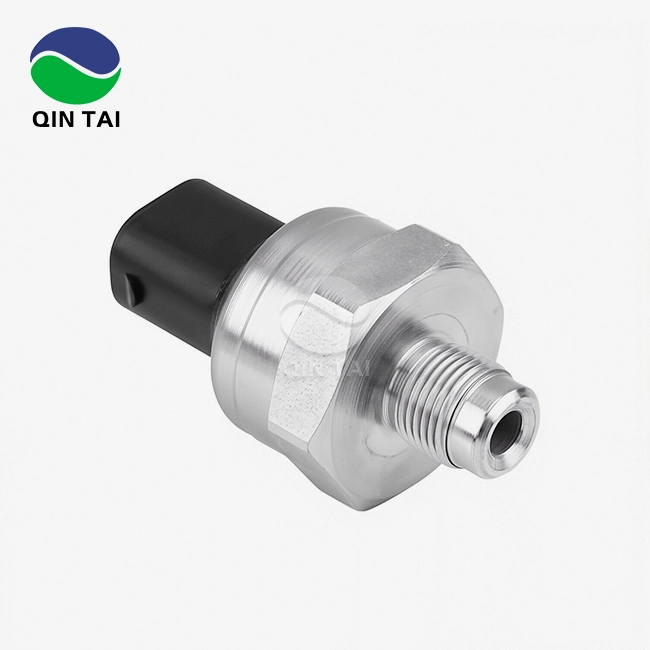
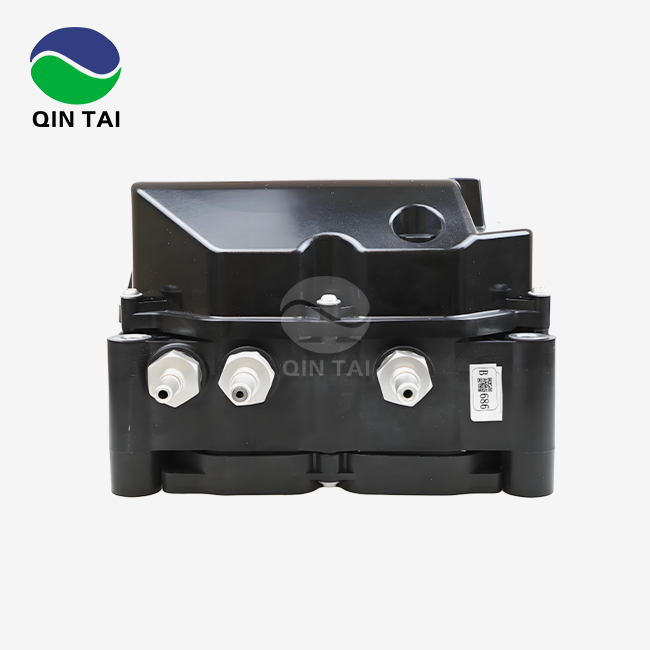
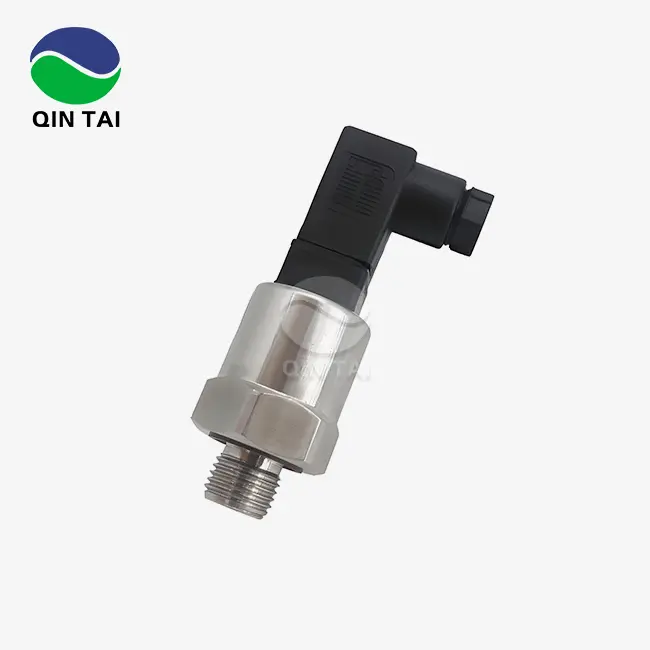
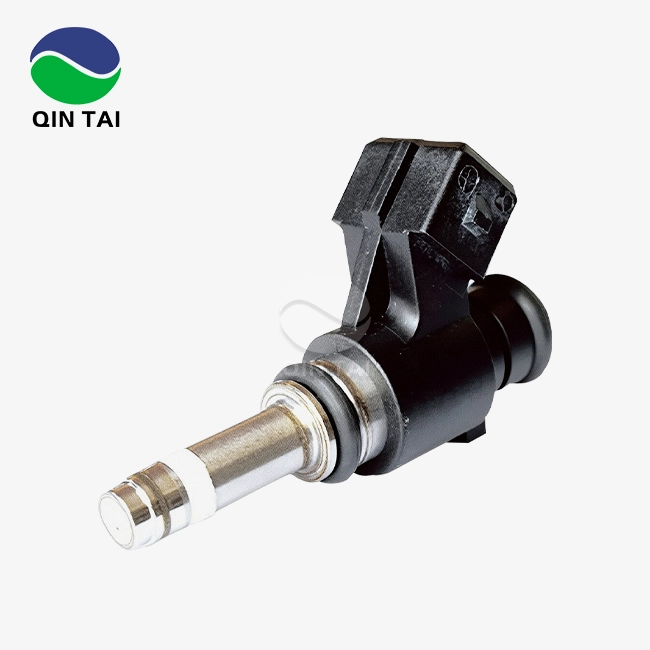
Since 2001, Xi'an Qintai has been Weichai Power, Yuchai Power, and other partners around the world's No. 1 OEM sputtered thin film pressure sensor provider for diesel aftertreatment systems. Qintai has certificates for IATF16949, ISO9001, CE, UL, and Ex, and they can do OEM/ODM customization, mass production, and J1939/CAN output setups. You can email our tech team at info@qt-sensor.com or go to qt-sensor.com to get specs and start evaluating suppliers right away.
References
1. Gardner, J. W., & Varadan, V. K. (2001). Microsensors, MEMS, and Smart Devices. John Wiley & Sons.
2. Fraden, J. (2016). Handbook of Modern Sensors: Physics, Designs, and Applications (5th ed.). Springer.
3. Barlian, A. A., Park, W. T., Mallon, J. R., Rastegar, A. J., & Pruitt, B. L. (2009). Semiconductor piezoresistance for microsystems. Proceedings of the IEEE, 97(3), 513–552.
4. Doebelin, E. O. (2004). Measurement Systems: Application and Design (5th ed.). McGraw-Hill.
5. SAE International. (2019). SAE J1939 Standards Collection: Serial Control and Communications Heavy Duty Vehicle Network. SAE International.
6. International Organization for Standardization. (2016). ISO 9001:2015 Quality Management Systems — Requirements. ISO.

Our customers’ satisfaction speaks for our quality — contact us to experience the same reliable service.