- English
- French
- German
- Portuguese
- Spanish
- Russian
- Japanese
- Korean
- Arabic
- Greek
- German
- Turkish
- Italian
- Danish
- Romanian
- Indonesian
- Czech
- Afrikaans
- Swedish
- Polish
- Basque
- Catalan
- Esperanto
- Hindi
- Lao
- Albanian
- Amharic
- Armenian
- Azerbaijani
- Belarusian
- Bengali
- Bosnian
- Bulgarian
- Cebuano
- Chichewa
- Corsican
- Croatian
- Dutch
- Estonian
- Filipino
- Finnish
- Frisian
- Galician
- Georgian
- Gujarati
- Haitian
- Hausa
- Hawaiian
- Hebrew
- Hmong
- Hungarian
- Icelandic
- Igbo
- Javanese
- Kannada
- Kazakh
- Khmer
- Kurdish
- Kyrgyz
- Latin
- Latvian
- Lithuanian
- Luxembou..
- Macedonian
- Malagasy
- Malay
- Malayalam
- Maltese
- Maori
- Marathi
- Mongolian
- Burmese
- Nepali
- Norwegian
- Pashto
- Persian
- Punjabi
- Serbian
- Sesotho
- Sinhala
- Slovak
- Slovenian
- Somali
- Samoan
- Scots Gaelic
- Shona
- Sindhi
- Sundanese
- Swahili
- Tajik
- Tamil
- Telugu
- Thai
- Ukrainian
- Urdu
- Uzbek
- Vietnamese
- Welsh
- Xhosa
- Yiddish
- Yoruba
- Zulu
Why Choose an OEM AdBlue Dosing System for Reliable SCR Performance?
When your diesel engine platform needs to meet Euro VI or EPA standards, the adblue dosing system is not a component you can afford to compromise on. An OEM-grade unit delivers precisely measured DEF injection, maintains accurate NOx reduction across the full duty cycle, and communicates correctly with the engine ECU. Based on our experience working with heavy-truck and generator-set OEMs, non-original components introduce calibration drift, injector clogging, and warranty exposure that far outweigh any upfront savings.

Understanding the Importance of AdBlue Dosing Systems in SCR Performance
How the SCR Dosing Circuit Works
By spraying a limited amount of 32.5% urea solution ahead of the catalyst, a selective catalytic reduction device changes nitrogen oxides into nitrogen and water, which are safe. The supply pump, dosing valve, and pressure monitor that make up the dosing module carry out real-time injection orders from the ECU. Even a 5% change in spray volume can cause NOx from the tailpipe to be higher than what is allowed by law.
Key Components and Their Roles
It's most likely that the dosing injector, the urea filter, and the NOx sensor feedback loop will not work right. The syringe breaks up the fluid into tiny droplets that are usually smaller than 80 µm. The 5–10 micron urea filter, according to ISO 22241, gets rid of crystals and other particles before they reach the injector tip. The NOx sensor closes the control loop by confirming the actual efficiency of the conversion.
Risks of Non-OEM Components
Adhesives used in aftermarket dosing valves often dissolve in urea solution, producing contaminants that harm the SCR catalyst. This type of failure has been seen in several fleet audits. Incorrect dosing can cause the engine to derate ("limp mode"), show NOx trouble codes on the panel, and even lead to fines from the government for not following the rules. Heavy-duty aftermarket workshop data shows that the average cost to fix a catalyst poisoning event is more than $4,000 per unit.
Advantages of Choosing an OEM AdBlue Dosing System
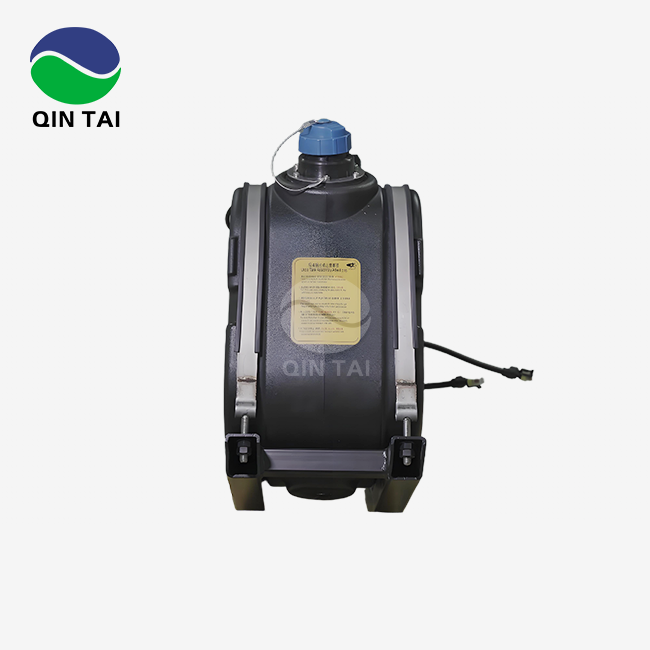
When OEM parts for the adblue dosing system are made, they have to meet the same technical standards as the engine base. That connection is more important than most buying teams know when they are making their choices.
Before you choose a seller, here are the main benefits you should think about:
- Dosing precision validated to ±2%: OEM dosing modules are flow-bench tested against the original engine calibration map. This eliminates the ECU communication errors that commonly appear when aftermarket units use incompatible CAN bus protocols, which can cause ghost fault codes and unnecessary downtime.
- Chemical compatibility certified to ISO 22241: Materials in contact with DEF—seals, housings, filter media—must withstand the corrosive nature of high-purity urea solution at temperatures from −40 °C to +85 °C. OEM suppliers hold IATF 16949 certification and conduct burst-pressure and chemical-extractable testing on every production batch.
- Direct ECU integration without recalibration: Because OEM units carry the same part-number signature recognized by the engine control unit, installation does not require third-party software flashing. This is especially important for R&D engineers integrating SCR modules into new engine variants under tight certification timelines.
These benefits directly address the three production problems that buying managers bring up most often: warranty risk, approval delays, and the overall reliability of the system over a multi-year production run.

How to Choose the Right OEM AdBlue Dosing System for Your Fleet
Evaluate Pressure Architecture
For big engines in Class 8 trucks and industrial generator sets that need precise atomization at high exhaust flow rates, high-pressure dosing systems (usually 9 bar) work well. Low-pressure systems work well for farming and light building equipment that needs to fit in a smaller area and has short duty cycles. When the pressure architecture is matched to the engine displacement, there is no over- or under-dosing at partial load.
Check Engine and ECU Compatibility
Before sending out a purchase order, R&D teams should make sure that the communication protocol of the dosing module works with the version of the engine management system that is already in use. There is a lot of evidence that Bosch DNOSR units work with Weichai, Yuchai, and Cummins engines. There are many cross-platform approvals for European OEM lines for Continental SCR units. By checking for compatibility during the design stage, you can avoid expensive change orders in the middle of production.
Source Through Authorized Supply Channels
When purchasing the adblue dosing system in bulk from authorized distributors, purchasing managers can see records of how each batch was made, test certificates for the materials, and the terms of the manufacturer's warranty. When buying in bulk, making outline deals with set lead times (usually four to eight weeks) saves production plans from problems with market supply. You can buy things online as long as the dealer can show you IATF 16949 certificates and the original factory labels on every package.
Ensuring Reliable SCR Performance Through Proper OEM AdBlue Dosing System Maintenance
Scheduled Filter Replacement
Under normal road conditions, the urea filter should be changed every 120,000 to 200,000 km. In places with a lot of dust, like mines, building sites, and farmlands, the distance should be cut down to 80,000 km. A clogged filter raises the back-pressure of the pump, speeds up pump wear, and lowers the quality of the injector spray. The filter can't be cleaned and used again because the melt-blown fiber media inside it traps particles deep inside, and any attempt to flush it sends more contaminants into the dose circuit.
Fluid Quality Monitoring
ISO 22241 says that the concentration of DEF must stay between 31.8% and 33.2% urea. Fluids that are too diluted make NOx conversion less effective, while fluids that are too concentrated speed up the formation of crystals in dosing lines. Fleet managers should use a refractometer to check the quality of the fluid at every planned service and only buy DEF from certified providers. Heavy-duty truck repair teams say that contaminated fluid is the main reason why SCR catalysts break down.
Sensor Calibration and Diagnostic Practice
There are three main repair intervals that NOx and pressure monitors in the SCR circuit should be checked against. If the dashboard problem codes show that the NOx monitor isn't working right or the dosing pressure is off, you should contact OEM technical support before you replace any parts.
A common error in the workshop that costs extra money is misdiagnosis, which means replacing an injector when the real problem is a broken pressure sensor. OEM diagnostic software reads live dosing parameters, which lets engineers quickly and accurately find the source of a problem.
Future Outlook — Why OEM AdBlue Dosing Systems Are Critical for Regulatory Compliance
Tightening Emission Limits in the US and EU
The Euro VI-E version and the EPA's Clean Trucks Plan both aim to cut NOx pollution even more in real driving by 2027. OEM adblue dosing system gets software and calibration changes through approved service networks. This means that current SCR platforms stay compliant without having to get new hardware. Aftermarket options often don't have a way to be upgraded, which makes truck owners responsible for compliance as rules get stricter.
Integration With Telematics and Predictive Maintenance
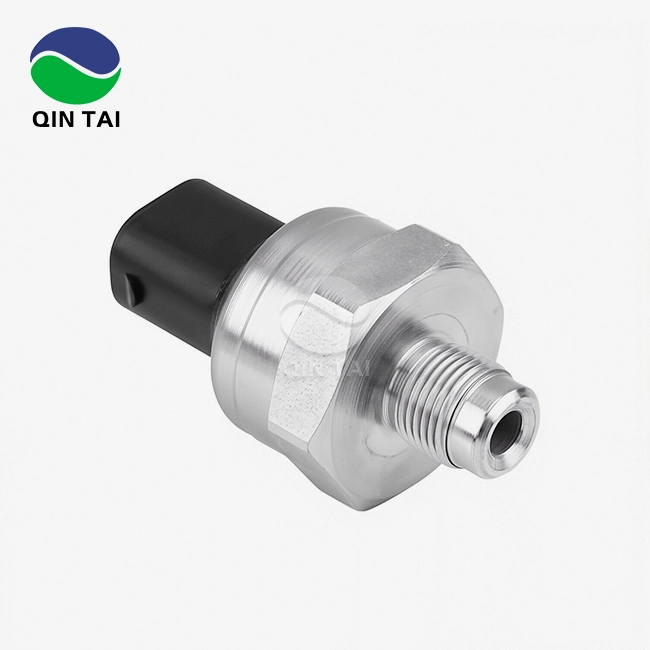
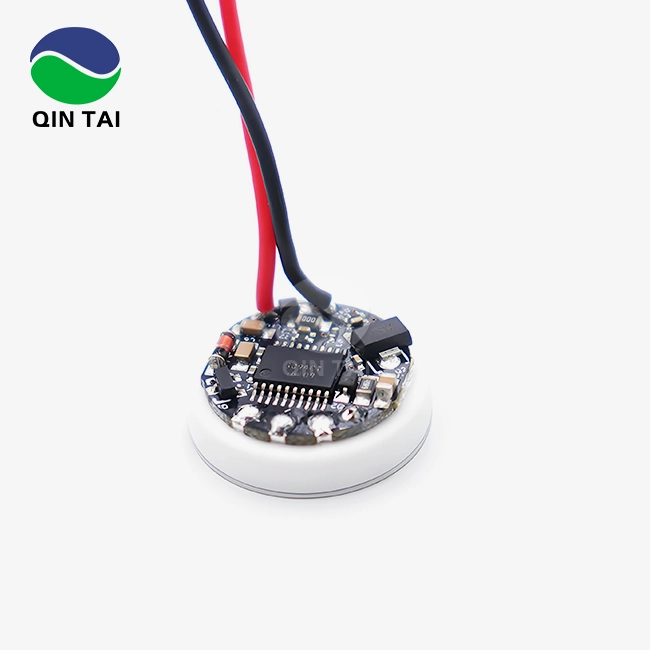
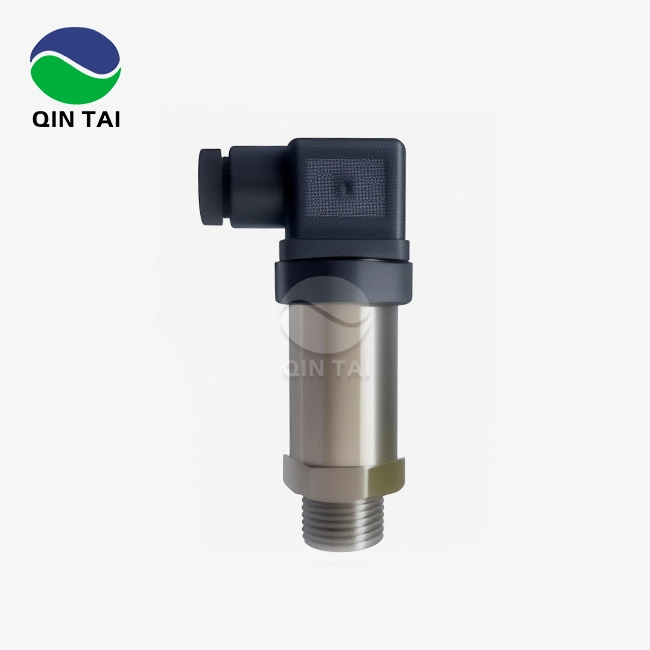
Modern SCR platforms have pressure and temperature monitors that are linked to CAN and send data about dosing to the IoT screens for the fleet. This lets dispatchers know about early-stage filter restriction or dosing drift before a fault code shows up. This cuts down on unplanned stops at the workshop. OEM sensor platforms, like the urea pressure sensors made by Qintai, are already tested to work with this data-sharing design. This makes it easy for system engineers to integrate.
Total Cost of Ownership Over a Production Lifecycle
The unit price of an OEM dosing module is higher, but the total cost is lower. The cost of replacing the catalyst after a contamination event is higher than the cost of OEM maintenance for five years. Fleet data from logistics companies in the EU consistently shows that vehicles with OEM SCR parts have 30–40% fewer unplanned SCR-related stops than vehicles with parts that are not OEM.

Conclusion
Picking an OEM adblue dosing system is a purchase choice that will affect emissions compliance, guarantee risk, and fleet downtime for a long time. OEM-grade parts that are matched to the engine's calibration, approved to ISO 22241, and backed by IATF 16949 production controls have significantly lower failure rates and overall running costs. As emission standards get tighter through 2027 and beyond, there is less room for error in dose engineering. Picking a good OEM provider now will protect your production schedule and your ties with end customers for the whole lifecycle of the product.
FAQ
Why do OEM dosing units outperform aftermarket alternatives?
OEM units are tested against the original engine calibration, use ISO 22241-compliant materials, and carry IATF 16949 production certification. Aftermarket units frequently use adhesives that dissolve in urea, and their flow rates deviate from ECU injection maps, triggering fault codes and catalyst damage.
How often should the urea filter be replaced?
Replace the urea filter every 120,000 to 200,000 km under standard conditions, or every 80,000 km in high-dust operating environments. Always follow the vehicle OEM's service schedule as the baseline, and shorten intervals when DEF consumption increases unexpectedly.
What are the early signs of dosing system failure?
Watch for rising DEF consumption, NOx sensor error codes on the dashboard, and engine derating or limp-mode activation. These three indicators together typically point to injector wear, filter restriction, or a failing dosing pump—each diagnosable through OEM service software.
Can a urea filter be cleaned and reused?
No. The synthetic fiber media captures particles through its full depth. Cleaning damages the fibers, destroys filtration efficiency, and pushes debris directly toward the dosing injector, accelerating injector failure.
Does filter quality differ between brands?
Yes. Premium filters use ISO 22241-compliant media with no reactive adhesives. Low-grade filters can release dissolved adhesive into the DEF stream, causing SCR catalyst poisoning—a repair scenario that costs significantly more than the original filter price difference.

Partner With Qintai for OEM-Grade SCR Solutions
Since 2001, Xi'an Qintai Automotive Emission Technology Co., Ltd. has been creating and making parts for diesel SCR aftertreatment. Qintai is a national high-tech company and the biggest OEM SCR sensor supplier in China. It supplies Weichai Power, Yuchai Power, and Quanchai Power.
Our goods are certified by ISO 9001, IATF 16949, CE, UL, and REACH, and we have filed for 58 idea patents. For mass production or custom SCR integration, if your team needs a certified adblue dosing system maker, please email us at info@qt-sensor.com or visit our website at qt-sensor.com to get a technical specification sheet and bulk quote.
References
1. Diesel & Gas Turbine Worldwide — 2023
2. SAE International Journal of Engines — 2022
3. ISO 22241: Diesel Engines — NOx Reduction Agent AUS 32 — International Organization for Standardization, 2019
4. Transportation Research Part D: Transport and Environment — 2023
5. Heavy Duty Trucking Magazine — 2022
6. Emissions Analytics: Real-World NOx Performance Report for Euro VI Heavy Vehicles — 2023

Our customers’ satisfaction speaks for our quality — contact us to experience the same reliable service.