- English
- French
- German
- Portuguese
- Spanish
- Russian
- Japanese
- Korean
- Arabic
- Greek
- German
- Turkish
- Italian
- Danish
- Romanian
- Indonesian
- Czech
- Afrikaans
- Swedish
- Polish
- Basque
- Catalan
- Esperanto
- Hindi
- Lao
- Albanian
- Amharic
- Armenian
- Azerbaijani
- Belarusian
- Bengali
- Bosnian
- Bulgarian
- Cebuano
- Chichewa
- Corsican
- Croatian
- Dutch
- Estonian
- Filipino
- Finnish
- Frisian
- Galician
- Georgian
- Gujarati
- Haitian
- Hausa
- Hawaiian
- Hebrew
- Hmong
- Hungarian
- Icelandic
- Igbo
- Javanese
- Kannada
- Kazakh
- Khmer
- Kurdish
- Kyrgyz
- Latin
- Latvian
- Lithuanian
- Luxembou..
- Macedonian
- Malagasy
- Malay
- Malayalam
- Maltese
- Maori
- Marathi
- Mongolian
- Burmese
- Nepali
- Norwegian
- Pashto
- Persian
- Punjabi
- Serbian
- Sesotho
- Sinhala
- Slovak
- Slovenian
- Somali
- Samoan
- Scots Gaelic
- Shona
- Sindhi
- Sundanese
- Swahili
- Tajik
- Tamil
- Telugu
- Thai
- Ukrainian
- Urdu
- Uzbek
- Vietnamese
- Welsh
- Xhosa
- Yiddish
- Yoruba
- Zulu
Top Urea Injection System Benefits for Diesel Emission Control
If you're sourcing diesel aftertreatment components, understanding the full value of a urea injection system is non-negotiable. These systems form the backbone of SCR-based NOx reduction in heavy-duty diesel engines, helping OEMs, fleet operators, and aftermarket partners meet China VI, Euro VI, and EPA Tier 4 Final standards. From reducing harmful nitrogen oxides by up to 90% to extending engine service intervals, a well-specified DEF injection setup delivers measurable returns across procurement, compliance, and operational performance.

Understanding Urea Injection Systems and Their Role in Diesel Emission Control
How SCR Technology Works
SCR changes NOx by adding Diesel Exhaust Fluid (DEF), which is a mix of 32.5% urea and deionized water (AUS32, according to ISO 22241), to the hot exhaust stream. Urea is broken down by water into ammonia (NH₃), which then reacts with NOx over a catalyst:
CO(NH₂)₂ + H₂O → 2NH₃ + CO₂
4NO + 4NH₃ + O₂ → 4N₂ + 6H₂O
This turns the harmful NOx into nitrogen gas and water vapor. Independent tests have shown that NOx conversion rates of properly adjusted SCR systems are higher than 90%.
Core System Components and Their Functions
Four main parts work together to make up a full DEF dose setting. The high-precision mechanical actuator in the urea injection tip atomizes DEF into the exhaust at 5–9 bar pressure, making sure that the droplets are spread out evenly. Based on real-time signals from the engine load sensor, the dosing control unit controls the amount of fuel injected. The DEF storage tank holds the fluid supply, and monitors that measure pressure, temperature, and NOx constantly check the system's performance. The accuracy of each part has a direct effect on the system's dependability and the results of the emission certification.
Operational Workflow Connecting Engine and Exhaust Treatment
The exhaust temperature and NOx sensor data are read by the engine control module (ECM), which then tells the dosing pump to add the exact amount of DEF that is needed. A "urea slip" (excess ammonia release) can happen if the timing or amount of the injection changes, leading to compliance failure. Because of how closely engine control and aftertreatment hardware are connected, the quality of the parts is very important in OEM environments that make a lot of cars.

Top Benefits of Using Urea Injection Systems for Diesel Emission Control
A well-matched SCR setup with the urea injection system is useful in many ways, such as protecting against regulations and lowering long-term costs. Here are the main benefits that procurement teams always put first:
- NOx Reduction Above 90%: Over 90% of NOx is always converted by SCR-based DEF injection, which keeps engines well within China VI and Euro VI standards. This directly saves OEMs from being punished for entering new markets or being turned down for type approval.
- Fuel Efficiency Preservation: Unlike Exhaust Gas Recirculation (EGR), SCR treats pollution after burning. This lets engineers tune engines for maximum power while also lowering fuel use. Studies have shown that engines with SCR use 3–5% less fuel than engines with only EGR.
- Extended Engine Service Life: Clean combustion and less heat stress inside the cylinder lower the rate of wear on pistons and valve parts, which means that big trucks and generator sets that work in harsh conditions don't need to be overhauled as often.
- Low Reagent Cost at Scale: DEF (AdBlue) costs less than $1.50 per gallon when bought in bulk. About 2 to 6 percent of diesel is used, so the ongoing cost of reagents is manageable for large fleets and OEM production lines.
These benefits directly lead to a lower total cost of ownership, which is something that both buying managers and R&D experts think about when they choose a supplier. When lifetime costs and compliance risk are compared, a DEF injection setup that comes from the right source always does better than other options.
Maintenance, Troubleshooting, and Safety Measures for Optimal System Performance
Routine Maintenance Tasks
Both the system's performance and its approval status are protected by regular upkeep. Every 50,000 miles or 1,000 working hours, technicians should check the tip spray patterns, make sure the sensors are calibrated every three months, and make sure the DEF fluid quality meets ISO 22241 standards. Using contaminated DEF is a major reason why catalysts break down, and most OEM guarantees are voided if you do.
Troubleshooting Common Issues
The most common problem in the field is that urea crystallization blocks the injectors. These days' systems take care of this automatically with back-flush cycles that push hot DEF through the pipe to get rid of deposits. If automatic cleaning doesn't work, it can be fixed by cleaning it by hand with special tools or by replacing the nozzle. Dosage errors are usually caused by broken pressure monitors or old pump seals, which can both be easily replaced without taking the whole system apart.
Safety Protocols for DEF Handling
DEF is not poisonous, but it breaks down aluminum and some metals. For the urea injection system, keep DEF between -11°C (12°F) and 25°C (77°F). At -11°C, it freezes, which is why heating elements are built into injection needles and supply lines. Always use containers that are only for DEF. Diesel pollution makes the fluid useless and can damage the SCR catalyst. During servicing, it is best to wear protective gear like gloves and eye protection.
Comparing Urea Injection Systems with Other Emission Control Technologies
SCR vs. Diesel Particulate Filters (DPF)
DPFs capture particulate matter (PM), but they don't do much for NOx. SCR directly deals with NOx. Most China VI and Euro VI systems use both technologies. DPF takes care of PM, and SCR takes care of NOx. This means that the two technologies work together instead of against each other. Knowing this helps procurement teams make accurate budgets for full aftercare packages.
SCR vs. EGR-Only Systems
EGR recirculates exhaust gasses to lower the temperature of burning and the production of NOx. However, this lowers fuel efficiency and raises the amount of particulate matter in the air. Heavy-duty truck OEMs around the world have turned toward SCR-dominant architectures for Tier 4 and above because SCR post-treatment reduces NOx even more without these problems.
DEF vs. Ammonia Injection
Direct ammonia injection is sometimes used in stationary industrial applications because it skips the step of breaking down urea and can make the catalyst respond faster. Ammonia, on the other hand, is dangerous to keep and move, so DEF-based SCR is the standard for most generator set environments and mobile diesel applications.

Procurement Guide: Choosing and Partnering with Reliable SCR Component Suppliers
Evaluating Supplier Certifications and Technical Capability
For automotive-grade production of the urea injection system, give IATF 16949 and ISO 9001 certification holders more weight. UL, CE, and Ex approvals show that a generator or industrial device is ready for harsh conditions. Make sure that providers can give you test results that show how well the nozzle atomization works, the working pressure range (5–9 bar), and how long it lasts at the specified temperatures.
Assessing OEM Track Record and Mass Production Capacity
The OEMs that a seller already works with are good indicators of the quality of their work and how consistently they deliver it. Brands that have been named Tier 1 producers to major engine makers have shown that they can handle the disciplined production needed for large B2B orders. Before signing a deal for a large amount of goods, ask for sample batches and make sure that the minimum order numbers and wait times work with your production plan.
Warranty, After-Sales Support, and Customization
Strong service terms (12–24 months for injection parts) and quick expert help lower the risk of buying something. Integrators and buyers in the aftermarket find it useful to be able to change interface parameters or connector configurations quickly and without having to wait for engineers to finish their work. Check to see if OEM/ODM design help is offered and what the lowest order quantity is.
Conclusion
SCR-based DEF dosing technology with the urea injection system is still the best way for diesel engines in big trucks, building equipment, farm machinery, and generator sets to meet NOx requirements. You can protect both your compliance situation and your long-term cost structure by getting the right parts from authorized, experienced providers. Whether you're looking for replacement nozzles for a current fleet or systems for a new OEM platform, the results depend on the quality of the parts and how reliable the provider is.
FAQ
How often should a urea injection system be serviced?
Most manufacturers say that DEF nozzles and dosing pumps should be checked every 50,000 miles or 1,000 hours of use, whichever comes first. Under heavy-duty situations, the setting of the sensor should be checked every six months. When DEF is stored in bulk, the quality should be checked every time it is refilled.
Can SCR systems be retrofitted to older diesel engines?
Yes, but it depends on how the exhaust is set up, how much room is available for the catalyst, and whether the ECM can handle SCR dosing orders. There are aftermarket retrofit kits for a lot of popular engine types. Before making a choice, a technical analysis of the exhaust temperature profile is needed.
What are early warning signs of injection system malfunction?
A DEF warning light on the dashboard, higher NOx sensor readings, a white film near the injector port (urea crystallization), less engine power (derate mode), and problem codes linked to dosing pump pressure are all warning signs. Costly catalyst damage can be avoided by finding it early through sensor tracking.
What DEF specification is standard for on-road diesel applications?
The world standard for diesel engines used on roads, such as big trucks and busses, is AUS32 (ISO 22241), which is 32.5% high-purity urea in deionized water. AUS40, which has a 40% urea concentration, is used in some marine and industrial settings where tank space is limited.

Partner with Qintai — Your Trusted Urea Injection System Manufacturer
Since 2001, Qintai has sold precision sensors and parts for SCR aftertreatment to more than 60 countries. They are certified by IATF 16949, ISO 9001, UL, CE, and Ex. Weichai Power, Yuchai Power, and Quanchai Power are some of the OEM suppliers we work with, so we know how to make a lot of sensors. We bring this experience to every business-to-business relationship we have. Our team can help with OEM/ODM customization, large sales, and one-on-one expert support. You can visit qt-sensor.com or email us at info@qt-sensor.com to get a product list or talk about your needs for SCR components.
References
1. European Commission. Euro VI Heavy-Duty Vehicle Emission Standards. Official Journal of the European Union, 2009.
2. U.S. Environmental Protection Agency. Control of Air Pollution from New Motor Vehicles: Heavy-Duty Engine and Vehicle Standards. EPA, 2001.
3. International Organization for Standardization. ISO 22241: Diesel Engines — NOx Reduction Agent AUS 32. ISO, 2019.
4. Johnson, T.V. Diesel Emission Control in Review. SAE International Journal of Fuels and Lubricants, 2010.
5. Koebel, M., Elsener, M., & Kleemann, M. Urea-SCR: A Promising Technique to Reduce NOx Emissions from Automotive Diesel Engines. Catalysis Today, 2000.
6. National Renewable Energy Laboratory. Selective Catalytic Reduction Technology for NOx Control in Heavy-Duty Diesel Engines. NREL Technical Report, 2012.

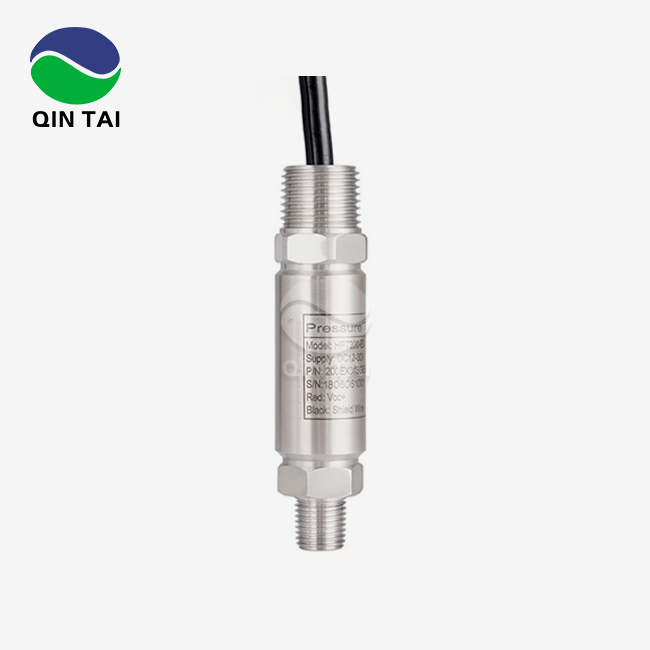
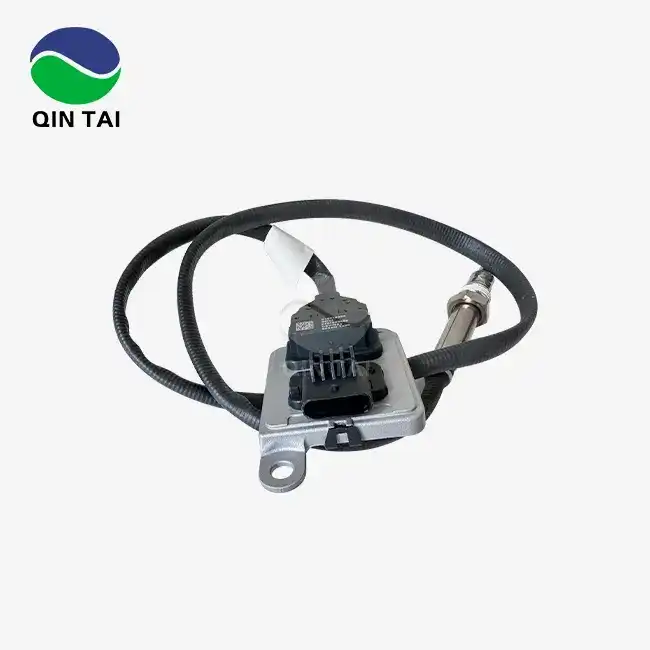
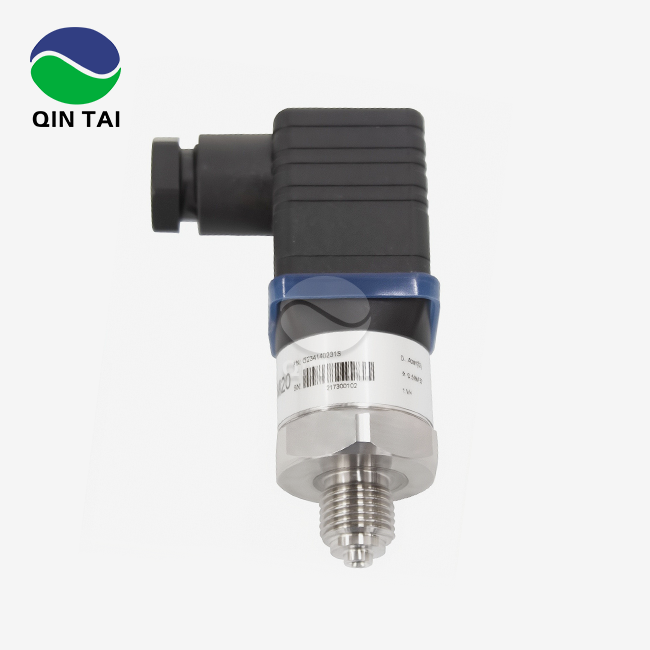

Our customers’ satisfaction speaks for our quality — contact us to experience the same reliable service.