- English
- French
- German
- Portuguese
- Spanish
- Russian
- Japanese
- Korean
- Arabic
- Greek
- German
- Turkish
- Italian
- Danish
- Romanian
- Indonesian
- Czech
- Afrikaans
- Swedish
- Polish
- Basque
- Catalan
- Esperanto
- Hindi
- Lao
- Albanian
- Amharic
- Armenian
- Azerbaijani
- Belarusian
- Bengali
- Bosnian
- Bulgarian
- Cebuano
- Chichewa
- Corsican
- Croatian
- Dutch
- Estonian
- Filipino
- Finnish
- Frisian
- Galician
- Georgian
- Gujarati
- Haitian
- Hausa
- Hawaiian
- Hebrew
- Hmong
- Hungarian
- Icelandic
- Igbo
- Javanese
- Kannada
- Kazakh
- Khmer
- Kurdish
- Kyrgyz
- Latin
- Latvian
- Lithuanian
- Luxembou..
- Macedonian
- Malagasy
- Malay
- Malayalam
- Maltese
- Maori
- Marathi
- Mongolian
- Burmese
- Nepali
- Norwegian
- Pashto
- Persian
- Punjabi
- Serbian
- Sesotho
- Sinhala
- Slovak
- Slovenian
- Somali
- Samoan
- Scots Gaelic
- Shona
- Sindhi
- Sundanese
- Swahili
- Tajik
- Tamil
- Telugu
- Thai
- Ukrainian
- Urdu
- Uzbek
- Vietnamese
- Welsh
- Xhosa
- Yiddish
- Yoruba
- Zulu
Why Import a Pressure Sensor? Key Quality Checks for Buyers Today
If you source components for diesel engines, SCR aftertreatment systems, generator sets, or heavy machinery, the quality of your pressure sensor directly affects system performance, regulatory compliance, and total operating cost. Importing pressure sensors from a proven manufacturer can give you access to tighter tolerances, broader certification coverage, and lower per-unit cost compared to domestic-only sourcing. This guide walks through what to verify before you commit to a supplier, so your procurement team makes the right call the first time.

Understanding Pressure Sensors and Why They Matter in Procurement
A pressure sensor takes a physical force, like the pressure of a gas or liquid, and turns it into an electrical signal that a control unit can read and act on. If you pick the wrong type for the job, it could drift, give you false readings, or fail early. B2B buying is dominated by three measurement systems right now.
Capacitive Pressure Sensors
It measures the change in electrical capacitance between a movable diaphragm and a set electrode to figure out the pressure. When the diaphragm is pushed back, the gap (d) changes, and so does the capacitance (C = ε₀εၣA/d). These sensors are very sensitive to small changes in pressure and don't use much power. This makes them perfect for MEMS-based systems in medical and driving gear.
Piezoelectric and Piezoresistive Sensors
Piezoelectric sensors make a charge when they are under stress, which makes them good for monitoring dynamic pressure events like combustion. As the load changes, piezoresistive designs measure the change in resistance. Both types are popular in engine control and exhaust aftertreatment systems. However, piezoresistive sensors can change more with temperature than capacitive sensors when temperatures change very quickly.
Digital vs. Analog Output
Digital sensors talk to each other using CAN, I²C, or SPI protocols, while analog sensors send out a steady voltage or current signal (usually between 0.5 V and 4.5 V or 4 mA and 20 mA). When diesel engine OEMs add China VI or Euro VI aftertreatment electronics, digital output often makes it easier to connect the ECU and makes wiring for the DPF and SCR systems less complicated.
Core Quality Checks for Importing Pressure Sensors
Before making a large order, your technical team needs to make sure that a number of performance factors are met. One common reason procurement teams get warranty claims six months after production starts is that they skipped this step.
Accuracy, Calibration, and Measurement Range
Not only look at the accuracy rate on the chart for the pressure sensor, but also the total error band (TEB). TEB takes into account all of the errors in offset, span, linearity, and temperature. It doesn't matter if a sensor is rated as accurate to within 0.5% of its full-scale (FS), as long as thermal error adds another 1.5% at operating temperature. Ask for certificates of calibration from a third party and make sure the measurement range includes at least 20% of your worst-case operating pressure.
Response Time and Environmental Resilience
In order to keep the control loop stable, sensor reaction times must often be less than 5 ms for SCR dosing control and DPF regeneration tracking. For use on off-road vehicles and building equipment, ask for IP67 or IP69K grades for ingress protection. In order for sensors in generator sets that work in mines or power plants to work, they need to be able to withstand vibrations up to 40 °C and be able to work in temperatures up to 125 °C.
Material Quality and Certification Credentials
Chemical compatibility and wear life depend on the material of the diaphragm, which can be stainless steel 316L, ceramic, or silicon. When it comes to exhaust backpressure sensors, sulfur compounds in diesel fumes don't react with stainless steel housings. Make sure the supplier has IATF 16949 (automotive quality management), ISO 9001, and any other necessary emissions-related certifications. It's also important for US imports to have certifications like CE, RoHS, and REACH.

How to Choose the Right Pressure Sensor for Your Application
It's better to match sensor technology to your specific use case than to over-specify (and waste money) or under-specify (and have problems in the field). If you want to make a choice, you should use an organized screening method.
Segment by Industry and Operating Conditions
OEMs of heavy trucks and farm equipment usually need gage pressure sensors that can handle pressures between 0 and 500 kPa and don't shake easily. HVAC installers use differential pressure sensors to keep an eye on airflow and filters. When a filter gets clogged, the differential pressure across the filter media rises, and the sensor sends a repair alert before the system loses efficiency. Genset buyers who are building power plants for mines or backup power sites need sensors with industrial-grade MTBF data, not just a regular commercial datasheet.
Compare Technologies Against Application Needs
MEMS-based pressure sensors are small and respond quickly, so they can fit into SCR control modules with tight PCB layouts. Traditional thick-film ceramic sensors have been shown to work well in places with a lot of vibration. Finding new parts for aftermarket repair shops is easier with a broad-range sensor with a standard plug, like the Packard Weather Pack or Deutsch DT series. This cuts down on the number of SKUs needed and makes installation easier.
Evaluate Supplier Support Capabilities
How well the pressure sensor works in the field rests just as much on how well the company supports it as on the sensor itself. Check to see if the seller offers application engineering help, testing of production samples, and written after-sales procedures. Some important things to ask are: How long does the warranty last? Is there support for field calibration? How quickly can new stock be sent out if a line stops working?
Procurement and Supplier Checklist: Streamlining the Import Process
To import efficiently, you need to keep risk under control at all times, from the first RFQ to the last delivery. Before signing a supply deal, your buying team should make sure of these main things.
- Certifications on file: Confirm ISO 9001, IATF 16949, and any emissions-relevant approvals (China VI, Euro VI documentation where applicable) are current and auditable, not just listed on a website.
- Lead time and delivery capacity: For mass-production OEM schedules, a supplier must demonstrate ability to ship within agreed lead times—typically 4–8 weeks for custom configurations and less than 2 weeks for standard catalog items held in inventory.
- Pricing structure and MOQ: Negotiate tiered pricing for volume commitments. In 2024, raw material costs for stainless steel and silicon wafers remained elevated, so long-term agreements with fixed pricing windows protect your budget better than spot purchases.
- Warranty and after-sales terms: A minimum 12-month warranty with defined defect replacement procedures is the baseline. Suppliers offering 24-month coverage with a documented RMA process signal stronger confidence in their manufacturing consistency.
These steps deal with the most common problems that come up when buying things across borders. They will help your team avoid supply problems that throw off production plans further down the line.
Troubleshooting and Maintenance Tips for Imported Pressure Sensors
If installation or upkeep steps are not done properly, even well-specified sensors can have problems. When your team knows the early warning signs, they can avoid unplanned downtime and save time.
Common Malfunction Signals
The three most common field complaints for the pressure sensor are an output voltage that isn't stable, an offset that moves beyond the specified TEB, or a sensor reading that stays at the same value. A lot of the time, unstable output is caused by rust in the connectors or ground loops that were added during installation. Offset drift usually means that there is a problem with heat, either because the sensor is too close to a heat source or because the temperature is too high.
Calibration Procedures by Sensor Type
In high-duty-cycle situations, analog pressure monitors should be re-calibrated every 12 months against a standard that can be traced back to NIST. Most of the time, digital output sensors with built-in EEPROM can be calibrated through the communication interface, so the sensor doesn't have to be taken out of the system. To keep track of drift trends over time, you should always write down the zero-point and spread data before and after calibration.
Routine Maintenance to Extend Sensor Life
Clean the port fittings every time they need to be serviced to keep particles from getting inside and damaging the sensing diaphragm. Check the wire cables for chafing points, especially on machines that move around a lot and are always vibrating. Make sure that the condensation drain paths near the sensor port are clear in HVAC or industrial exhaust treatment applications so that water doesn't get in and cause damage during freezing.

Conclusion
If you want to import a pressure sensor that works regularly in diesel engines, SCR/DPF systems, or generator sets, you need to do a lot of research before you buy it. Before signing anything, make sure the supplier has the right certifications, that the error band is complete, that the response time meets your control loop needs, and that you can get help from the supplier after the sale.
When buyers take the time to do these checks up front, there are fewer problems with production and lower guarantee costs over the life of the product. The best way to lower procurement risk is to work with a manufacturer that has valid certifications and a lot of experience with OEMs.
FAQ
How do sensor specifications affect performance in diesel engine applications?
How well the sensor works with engine control functions like timing fuel injection and dosing for exhaust aftertreatment depends on its accuracy, response time, pressure range, and operating temperature. In order to meet China VI and Euro VI standards, the sensor must stay accurate within ±1% FS during the whole temperature cycle of the exhaust system.
What are typical lead times when importing pressure sensors?
Standard store items from well-known brands usually ship between 5 and 15 business days. Usually, it takes 4–8 weeks for custom configurations like specific connectors, changed pressure ranges, or OEM-branded packaging. Before signing a supply contract, make sure you know the minimum order numbers and extra stock rules.
How do I verify a new supplier's product quality before committing to volume orders?
Ask for production samples that come with full test results and calibration certificates that can be linked to a national standard. Ask the seller for their IATF 16949 or ISO 9001 certificate number and check it in the database of the organization that issued the certificate. A factory audit or inspection by a third party for first orders over a certain value is a useful way to lower the risk.
Are MEMS pressure sensors suitable for heavy industrial environments?
Yes, as long as it's properly packed. When put together with stainless steel housings and strong connection sealing, MEMS sensing elements work well in construction equipment and generator sets, as long as the seller has tested them for shaking and thermal shock according to IEC standards.
Connect with Qintai for Your Pressure Sensor Supply Needs
Pressure sensors made by Qintai have been sold to OEM diesel engine makers in more than 60 countries since 2001. According to IATF 16949, ISO 9001, CE, UL, and REACH, Qintai has the largest part of the pressure sensor market in China. They offer OEM customization, flexible minimum order quantities, and fast shipping for both mass production and aftermarket needs. Visit qt-sensor.com or email info@qt-sensor.com with your requirements or to ask for a sample.
References
1. International Organization for Standardization. ISO 9001:2015 Quality Management Systems — Requirements. ISO, 2015.
2. IATF. IATF 16949:2016 Quality Management System Requirements for Automotive Production and Relevant Service Parts Organizations. IATF, 2016.
3. Fraden, Jacob. Handbook of Modern Sensors: Physics, Designs, and Applications. 5th ed. Springer, 2016.
4. Bryzek, Janusz. "MEMS-Based Pressure Sensors: Market Trends and Technology Developments." Sensors and Actuators A: Physical, Elsevier, 2021.
5. European Commission. Euro VI Emission Regulation for Heavy-Duty Vehicles (Regulation EC No 595/2009). Official Journal of the European Union, 2009.
6. National Institute of Standards and Technology (NIST). Guidelines for Evaluating and Expressing the Uncertainty of NIST Measurement Results. NIST Technical Note 1297, 1994.
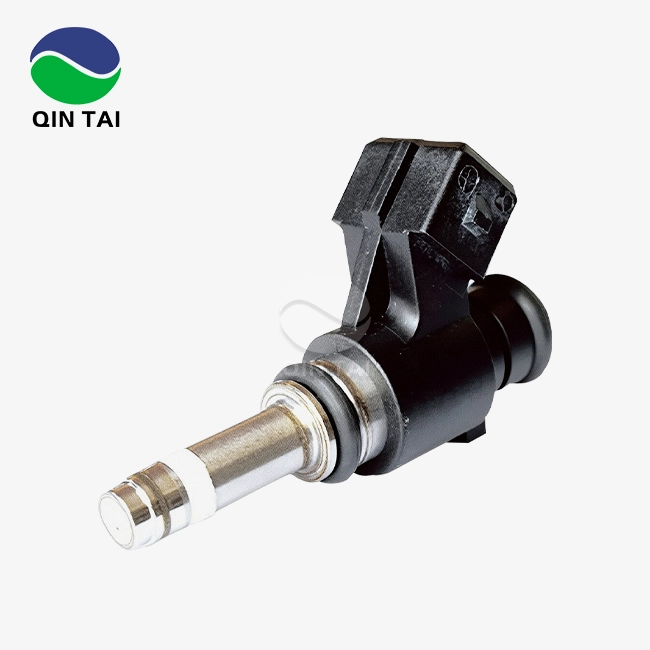
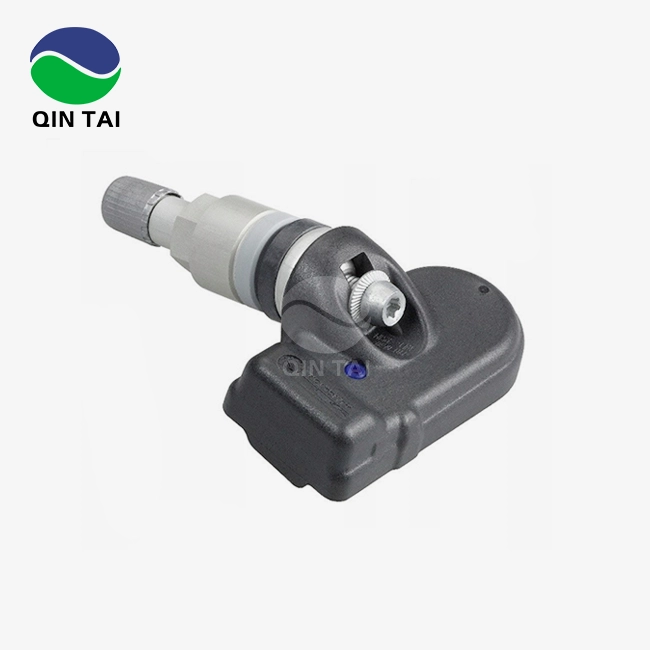
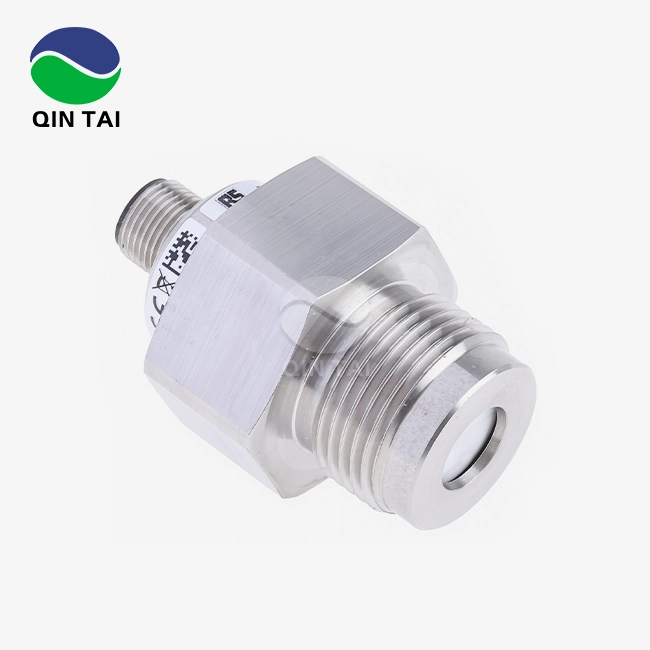
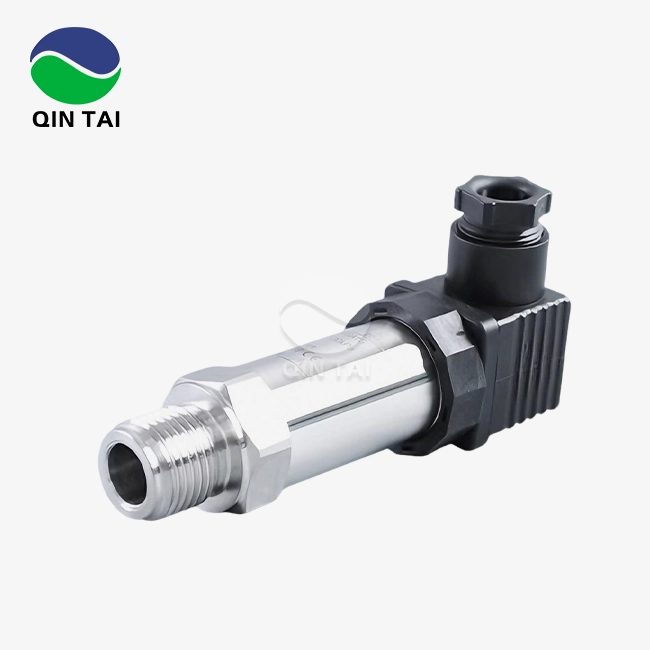

Our customers’ satisfaction speaks for our quality — contact us to experience the same reliable service.