- English
- French
- German
- Portuguese
- Spanish
- Russian
- Japanese
- Korean
- Arabic
- Greek
- German
- Turkish
- Italian
- Danish
- Romanian
- Indonesian
- Czech
- Afrikaans
- Swedish
- Polish
- Basque
- Catalan
- Esperanto
- Hindi
- Lao
- Albanian
- Amharic
- Armenian
- Azerbaijani
- Belarusian
- Bengali
- Bosnian
- Bulgarian
- Cebuano
- Chichewa
- Corsican
- Croatian
- Dutch
- Estonian
- Filipino
- Finnish
- Frisian
- Galician
- Georgian
- Gujarati
- Haitian
- Hausa
- Hawaiian
- Hebrew
- Hmong
- Hungarian
- Icelandic
- Igbo
- Javanese
- Kannada
- Kazakh
- Khmer
- Kurdish
- Kyrgyz
- Latin
- Latvian
- Lithuanian
- Luxembou..
- Macedonian
- Malagasy
- Malay
- Malayalam
- Maltese
- Maori
- Marathi
- Mongolian
- Burmese
- Nepali
- Norwegian
- Pashto
- Persian
- Punjabi
- Serbian
- Sesotho
- Sinhala
- Slovak
- Slovenian
- Somali
- Samoan
- Scots Gaelic
- Shona
- Sindhi
- Sundanese
- Swahili
- Tajik
- Tamil
- Telugu
- Thai
- Ukrainian
- Urdu
- Uzbek
- Vietnamese
- Welsh
- Xhosa
- Yiddish
- Yoruba
- Zulu
OEM Pressure Transmitter Solutions for Automation Systems
OEM Pressure Transmitter solutions are custom-engineered pressure sensing devices designed to integrate seamlessly into automation systems, converting pressure into standardized electrical signals. Unlike off-the-shelf models, these transmitters offer tailored interfaces, specialized housings, and flexible configurations to meet specific industrial requirements. Widely applied in diesel engine emission control, hydraulic systems, and process automation, OEM pressure transmitters deliver precision, reliability, and scalability essential for diesel engine manufacturers, aftertreatment integrators, and industrial equipment producers seeking regulatory compliance and operational stability.
Understanding OEM Pressure Transmitters in Automation Systems
What Are OEM Pressure Transmitters and Why Do They Matter?
We at Qintai have seen how pressure measurement technology has changed automation systems and diesel engine emission systems. An OEM Pressure Transmitter is a special kind of sensor that measures the pressure of a liquid, gas, or vapour and turns that pressure into standard electrical signals that can be used for tracking and controlling things from afar. Since 2001, we've seen that these devices are the brains of modern automation infrastructure. This is especially true in heavy-duty applications like SCR aftertreatment systems, where accuracy has a direct effect on meeting emission standards.
The level of customization is what makes OEM Pressure Transmitters different from standard transmitters. Normal sensors have set rules that they have to follow, but OEM solutions can change to fit different mechanical interfaces, electrical protocols, and environmental problems. This gives diesel engine makers who use China VI or Euro VI emission systems more options because OEM Pressure Transmitters can fit specific mounting dimensions, handle high exhaust temperatures, and talk to their own engine control units without any problems.
Core Working Principles and Sensor Technologies
Depending on the needs of the application, pressure sensors use more than one way to sense pressure. Piezoresistive sensors pick up on changes in resistance in semiconductor strain gauges that are attached to diaphragms. When exhaust backpressure in a diesel particulate filter squeezes the diaphragm, the strain gauge changes its resistance in the same way, which sends an electrical signal. This method works great in harsh conditions because it is built to last and has few moving parts.
Capacitive sensors track changes in capacitance between two conductive plates that are separated by a diaphragm to measure pressure. When the pressure goes up, the diaphragm bends, which changes the space between the plates and, in turn, the capacitance. This technology is very accurate in the low-pressure ranges that are typical in DEF dosing systems inside SCR aftertreatment units. Thin-film OEM Pressure Transmitters are a big step forward. Vacuum-sputtering technology places strain gauges directly onto stainless steel diaphragms at the molecular level. This gets rid of the problems with adhesive drift and ageing that come with standard attached sensors. We added this technology to our transmitters to address concerns about long-term stability raised by generator set makers that need them to work nonstop for years without needing to be recalibrated.
Types of Pressure Transmitters for Industrial Applications
Different ways of measuring are needed for automation systems. Gauge pressure transmitters measure pressure in relation to the air pressure. They are perfect for keeping an eye on hydraulic pressures in construction equipment where operators need real-time load data. Because they work with a perfect vacuum, absolute pressure monitors are necessary for tracking turbocharger boost, where accurate calculations of air density affect engine performance and emissions.
Differential pressure transmitters are very important in DPF regeneration systems because the drop in pressure across the filter shows that soot is building up. When our customers put these sensors into aftertreatment modules, the difference reading starts regeneration cycles before backpressure gets too high and hurts the engines.
More advanced versions meet specific goals. Explosion-proof OEM Pressure Transmitters that meet ATEX standards keep generator sets that work near flammable fuel vapours from starting fires. For these units to work, electrical energy must be limited in dangerous areas by barriers that are inherently safe. In retrofit situations, wireless emitters get rid of the need for cables. However, battery life and signal stability are still very important in places with a lot of vibration, like farm equipment.
Real-World Applications Across Industrial Sectors
Pressure sensors keep an eye on several important points in diesel engine pollution control. Upstream NOx sensors need accurate exhaust pressure data to fix results that are messed up by changes in backpressure. Supply line OEM Pressure Transmitters are needed for DEF injection systems to make sure they use the right amount of fuel. If the rates are off by just 5%, emissions can go over the legal limits. Because they stay accurate to within 0.5%, our transmitters have helped companies that make commercial vehicles get consistent SCR efficiency across production batches. They can work in temperatures ranging from -40°C to 125°C.
Load-sensing circuits in hydraulic systems use pressure monitors to change pump output based on demand. This keeps building equipment from wasting energy. One company that makes farming machinery cut down on hydraulic system failures by 40% after moving to our custom OEM Pressure Transmitters that are more resistant to vibration. This was done to address the unique stress patterns that combine harvesters experience during harvest season.
Measurement of pressure is important for safety and quality in the process control businesses. To control the rate of reactions, chemical labs keep exact pressures, and food processing plants keep an eye on the steam pressures in pasteurization lines. Pressure data is used by energy management systems to find leaks in pneumatic distribution networks and make compressors work better.
Comparing OEM Pressure Transmitters with Other Options
Customization Advantages Over Standard Models
Standard pressure transmitters are made to meet universal standards that work well in most situations but fall short in others. When it comes to sensors, OEM solutions are in between generic ones and expensive custom engineering projects. When a European truck maker asked us for transmitters that would work with existing mounting brackets across three engine platforms, we couldn't find any off-the-shelf options because they would require redesigning the brackets, which cost $200,000 in tools. Our OEM method meant that the sensor body could be used with existing infrastructure. This meant that production units could be sent out within eight weeks at a 30% lower total cost.
Customization goes beyond mechanical aspects. Electrical connections can work with different communication methods, so you don't need signal conversion units that add more places where things can go wrong. When you adjust the output to a certain pressure range, you can get the best resolution where it counts. For example, a DEF pressure transmitter calibrated for 0-10 bar gives you better resolution than a standard 0-100 bar unit that is put into low-pressure service.
Accuracy Metrics and Industry Certifications
Measurement precision tells us what an emitter is worth. Most industrial transmitters have a full-scale accuracy of 0.5%. This means that a 100 bar sensor has a 0.5 bar error across its whole range. OEM Pressure Transmitters can get ±0.25% accuracy by manufacturing with tighter tolerances and calibrating each one individually. This is very important when emission regulations require precise DEF dosing and compliance is based on 3% error margins.
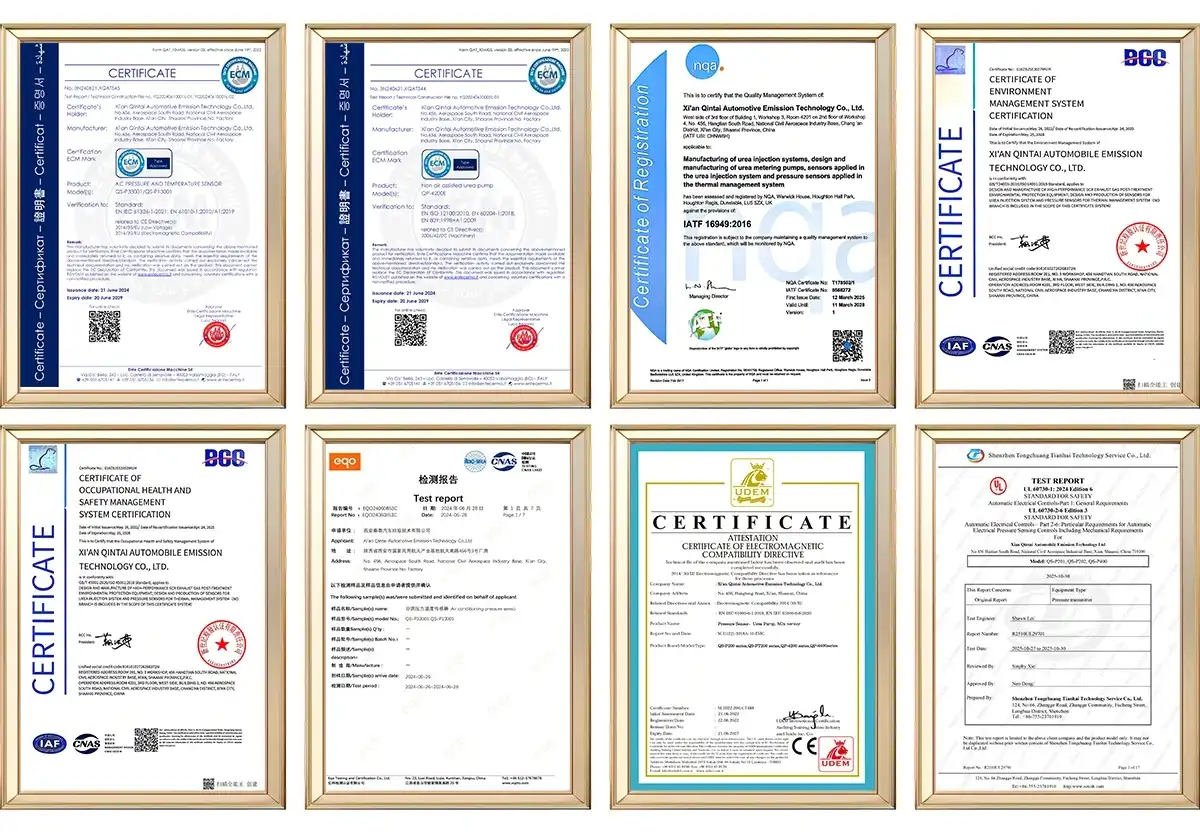
Certifications back up claims of dependability. Our ISO9001 and IATF16949 certifications give automakers peace of mind about quality control, and our ATEX and UL marks allow us to work in dangerous places around the world. The CMC certification shows that the company's measurement skills have been checked by national metrology institutes. This is especially useful for purchasing managers who are comparing suppliers. Manufacturers of generator sets that serve mine sites often need to meet explosion-proof and water protection standards (IP67). These are features that we've built into our standard product lines based on years of feedback from users.
Total Cost of Ownership Analysis
The buying price is only one part of the total costs over the product's lifetime. Standard transmitters from luxury names cost 40–60% more per unit, but they might have features that aren't needed for certain tasks. For example, a transmitter with 0.001% accuracy is useless when system noise reduces the resolution to 0.5%. OEMs like Qintai make sure that specifications are tailored to the needs of each application, which keeps costs from going up.
Unit economics is greatly changed by buying in bulk. Diesel engine makers who buy 10,000 units a year get better prices and specialized production runs that make sure that each lot performs the same. When aftermarket suppliers weigh the costs of inventory against the risk of running out of stock, they find that OEM partners with flexible minimum order quantities and shorter lead times are more valuable than legacy brands with slightly better specifications.
True ROI is based on long-term dependability. When transmitters fail in remote generator installations, it costs a lot of money for emergency service calls and parts replacements. With thin-film sensor technology, the adhesive doesn't break down over time like it does in older designs, so testing processes can be extended from once a year to three times a year. One mining company found that our high-durability transmitters saved them $180,000 in maintenance costs over five years, even though they cost 15% more up front.
How to Choose the Best OEM Pressure Transmitter for Your Automation System
Defining Technical Requirements Based on Application
The choice of pressure range has a direct effect on the quality of the measurement. The middle 60% of a sensor's rated range is where it works best. For example, using a 0-100 bar transmitter in a 60 bar application wastes resolution, while a 0-70 bar unit gives you the most accuracy and lasts longer. When diesel exhaust systems regenerate, there are pressure spikes. Choosing transmitters rated 1.5x standard working pressure keeps damage from happening from too much stress.
Durability needs are affected by environmental factors. During DPF regeneration, exhaust gas temperatures hit 650°C, which means that OEM Pressure Transmitters need to have remote diaphragm seals and cooling elements. Construction equipment is always vibrating more than 10g RMS, so the housings need to be ruggedized and the electronics need to be potted. Agricultural equipment has to deal with ranges of temperature and humidity, going from -30°C in the winter to 50°C in the summer. These conditions show where seals and electrical parts are weak.
Key Selection Criteria for Procurement Managers
Electrical compatibility keeps problems with integration from happening. Short cable runs of less than 30 meters work best with voltage-output transmitters (0-5V, 0-10V), while current-loop outputs (4-20mA) can handle voltage drops over hundreds of meters in large facilities. Digital standards like Modbus make multi-sensor networks possible, but they need controls that are compatible with them. Our engineering team has fixed dozens of integration problems where the impedance of the sensor output didn't match the input specs for the controller. This led to numbers that were all over the place and looked like the sensor was failing.
The quality of the measurements should match the needs of the system and not go beyond them. Emission control systems that use pressure and temperature to figure out DEF dosing rates need sensors with a precision of ±0.25% to keep the total system error below the limits set by regulators. Hydraulic systems with control tolerances of ±2% work well with transmitters that have tolerances of ±0.5%, so you don't have to pay extra for better performance.
Field reliability is based on how robust the mechanical system is. Wetted parts made of stainless steel don't rust when DEF and exhaust condensates get on them, but brass parts break after just a few months. In high-vibration situations, welded diaphragm seals last longer than O-ring designs. Quality of the electrical link is important. In outdoor setups, sealed M12 connectors keep out moisture better than DIN 43650 plugs, which lowers the number of warranty claims.
Evaluating OEM Suppliers and Building Partnerships
Small differences in specifications are often less important than a supplier's ability to help. R&D engineers like it when suppliers offer pre-production samples and help with application to make sure designs work before committing to making tools. Purchasing managers give more weight to sellers with local expert help who can fix problems with integration without having to deal with language barriers or time zone delays. How quickly you respond after the sale determines how much downtime costs. For example, we've built partnerships by sending replacement sensors overnight when production lines had to shut down.
Certification files show how mature a manufacturing process is. To get IATF16949 certification, you need to control your processes statistically and manage changes very carefully. This makes sure that the quality of your products stays the same over time. Patent portfolios show how innovative a company is. Our 58 idea patents show that we keep investing in research and development to keep our product lines up to date with new technologies like wireless tracking and predictive maintenance algorithms.
Warranty terms and failure response methods keep investments in buying safe. Standard one-year guarantees aren't enough for mission-critical uses, so we offer longer warranties backed by failure analysis labs that find the real causes of problems instead of just repairing broken units. Having clear warranty claim processes and set response times (48 hours for preliminary assessment and two weeks for replacement shipment) helps purchasing managers figure out how much risk there is.
Installation, Calibration, and Troubleshooting of OEM Pressure Transmitters
Proper Installation Techniques for Optimal Performance
Measuring accuracy and lifespan are affected by the orientation of the mount. When mounting OEM Pressure Transmitters, the electrical connections should face upwards so that water doesn't build up in the terminal holes. This is especially important for outdoor generator installations that get wet. Process links need seals that work with them. PTFE tape works well for most uses, but liquid sealants could get on sensing diaphragms in low-pressure systems.
When impulse lines connect transmitters to pressure sources, they create chances for mistakes to happen. For gas tests, lines should keep going up so that condensate doesn't build up and give false results. For liquid uses, hills that go down and high points that let air out are needed to get rid of trapped air bubbles. One aftermarket supplier cut 30% of "defective" sensor returns by fixing the way impulse lines were installed, which was causing measurement errors.
Electrical wiring has to follow important rules for safety and performance. Alternators and ignition systems can't mess up the signal quality with electromagnetic interference when cables are shielded. Putting a ground screen on one end only stops ground loops that cause noise. When using current-loop transmitters, it's important to be aware of the polarity. Reversed connections don't hurt the sensors, but they do give wrong data that make troubleshooting harder. For installations to be intrinsically safe, barriers must be placed outside of danger zones and properly grounded according to certification rules.
Calibration Best Practices and Maintenance Schedules
The standard precision is set by the initial calibration. Zero-point adjustment with an open diaphragm exposed to air pressure evens out differences in elevation between the testing lab and the installation site. To change the span, you need precise pressure sources. Dead-weight sensors offer 0.01% reference accuracy, which is good enough for certifying high-accuracy transmitters. Linearity errors are picked up across the whole operating range by two-point calibration at 10% and 90% of range.
Calibration intervals find a balance between the need for accuracy and the cost of upkeep. Emission-critical monitors need to be checked once a year to keep legal compliance margins. Agricultural equipment hydraulic system monitors can handle being changed every two years because performance drops slowly over time. Diagnostic alerts that set off condition-based calibration can save you money. Our transmitters can detect drift that goes beyond certain limits before readings mess up control loops.
Common Issues and Diagnostic Approaches
Field calibration methods let repair be done without taking the sensor off. Portable pressure calibrators set reference pressures and check the output of an emitter against standards that can be tracked. How you keep records is important—calibration certificates with chains of accountability to national standards meet audit requirements. Trends in the results of recalibration over time show how things are ageing; increasing drift means the end of life is getting close, so replacement is needed before fails happen.
Signal drift shows up as small changes in the output that don't match up with changes in the process. Electronics drift in patterns that match the environment's temperature. For example, sensors that read high in the afternoon heat mean that the temperature adjustment isn't good enough. When moisture gets into insulation, it weakens it, which causes results to be all over the place during wet times. By comparing suspect sensors to reference units, you can tell the difference between fails and real changes in the process.
Mechanical force is often the cause of zero-point shift after fitting. Tight process connections bend sensor bodies, which preloads diaphragms and changes readings. When the temperature changes, stress is caused by thermal expansion mismatches between the sensor and the fixing clamps. These problems can be avoided by using the right installation torque specifications and stress-relief designs.
If you lose all signals, it's probably because of an electricity problem instead of damage to the sensor. Checking the supply voltage at the sensor terminals separates problems with the processor from problems with the field wires. By measuring loop resistance, you can find broken cables or joints that have rusted. Intrinsically safe circuits can fail if barriers don't work right. To make sure barriers are healthy, the output of the barriers is checked with known-good sensors.
Procurement and After-Sales Support for OEM Pressure Transmitters
Strategic Sourcing for Diesel Engine and Industrial Applications
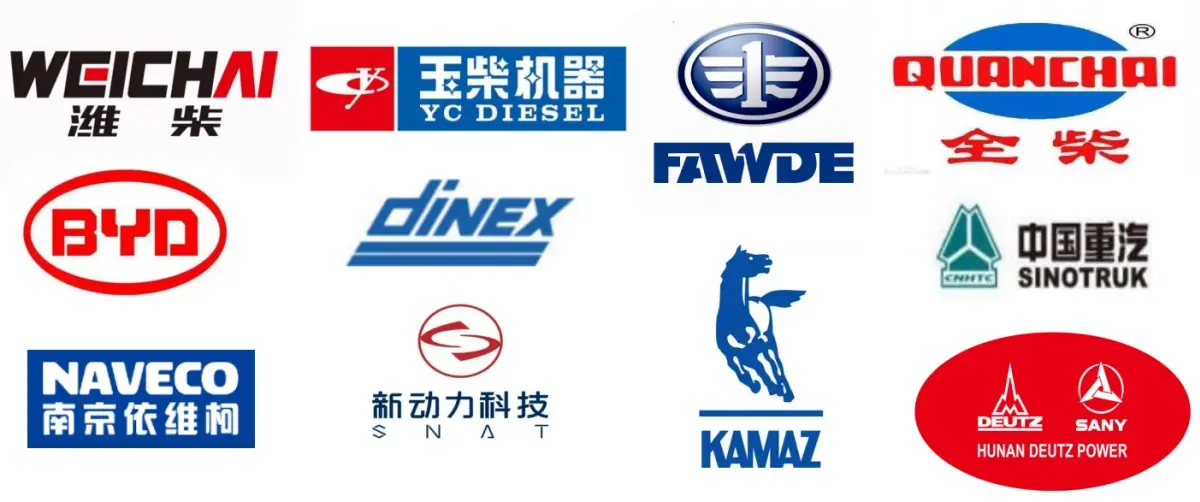
To find trusted OEM Pressure Transmitter providers, you need to look at both their professional skills and how they run their businesses. Working directly with manufacturers like Qintai has benefits that go beyond those offered by distributors. For example, access to the factory allows for unique specs, production visibility, and engineering cooperation that isn't possible when going through middlemen. As a core supplier to Weichai Power, Yuchai Power, and Quanchai Power, we can meet the high quality standards and high production volumes of the automotive industry.
The total cost of purchase is minimized by arranging bulk orders. Annual blanket purchase deals with planned releases keep inventory costs in check by balancing bulk prices with discounts of 15 to 25 percent at annual volumes of 5,000 units. Holding costs are passed on to suppliers through consignment inventory arrangements, which also make sure that parts are always available for stable production. Supply problems can be avoided with buffer stock deals. This is especially helpful when sensors are part of complicated systems and shortages stop whole production lines.
Understanding Pricing Structures and Value Drivers
Lead time management keeps output from getting stuck. Standard items are sent out within two weeks, but custom versions need six to eight weeks for engineering validation and tooling. By sharing predictions six months in advance, suppliers can get supplies ready and hold production space. Dual sourcing methods for key components lower risk, but it takes a lot of work to qualify secondary sources.
The price is mostly determined by the cost of the parts. For example, 60–70% of the cost of manufacturing goes to stainless steel diaphragms, piezoresistive sensing elements, and signal conditioning electronics. When suppliers make promises to buy a lot of materials, they can get better prices and make the most of production runs. The savings are then passed on to customers through tiered pricing systems. Customization adds engineering and equipment costs that are spread out over different production runs. For example, sales for 10,000 units cover custom costs at less than $2 per unit, while runs of 500 units cost $15 extra.
Certification requirements have a big effect on prices. Explosion-proof versions that are ATEX-certified cost 40–60% more because they have special housings, go through tests, and come with compliance paperwork. Each certification (UL, CE, REACH, and RoHS) adds costs because it takes more work to manage. OEM Pressure Transmitters that need calibration certificates that can be traced back to national standards cost more per unit for paperwork that is only necessary when regulations require it.
After-Sales Service and Long-Term Partnership Value
Sample rules and promotional factors make assessment easier. We offer free pre-production samples to make sure the design works, and the cost is applied to the first production orders. Free shipping on orders over $5,000 makes logistics easier. Longer payment terms—net 60 days for repeat customers—make it easier to handle cash flow when production starts to rise.
A full warranty protects against defects and spells out who is responsible for what. Our standard 24-month warranty covers problems with the way the product was made, but not problems caused by bad installation, overpressure, or corrosive media that aren't recommended. Failure analysis services find the real reasons why things go wrong. For example, when a generator manufacturer had sensor failures happen too soon, our investigation showed that the vibration isolation wasn't good enough, not product flaws. This allowed for fixes and kept the partnership going.
Technical help that responds quickly keeps work interruptions to a minimum. During business days, emails are answered within 4 hours, and urgent problems get help right away by phone. Help with application engineering helps customers choose the best sensors and integrate them best. For example, we worked with aftertreatment integrators to make unique mounting frames and wire harnesses that cut their assembly time by 30%.
Product lines are strengthened by constant improvement based on customer comments. We made better temperature compensation algorithms by looking at failure data from commercial vehicle fleets that work in harsh climates. When purchasing managers asked for faster shipping, more inventory and area distribution centers were built. This way of working together turns transactions into partnerships where everyone benefits from running their business better.

Conclusion
OEM Pressure Transmitter solutions give modern automation systems the flexibility, dependability, and support they need, especially for controlling diesel engine emissions and other industrial uses. Procurement managers and engineers can get the best performance and long-term value by knowing sensor technologies, comparing choices strategically, and choosing suppliers based on their technical skills and ability to form partnerships.
The accuracy of measurements and the life of tools are increased by proper installation, calibration, and preventative maintenance. Strong relationships with suppliers guarantee quick help throughout the lifecycles of products. Partnering with experienced OEM Pressure Transmitter manufacturers is becoming more and more important for operational success and staying ahead of the competition as emission rules get stricter.
FAQ
What distinguishes OEM pressure transmitters from standard catalog products?
OEM Pressure Transmitters let you change the mechanical connections, electrical outputs, and calibration ranges to fit your needs, while standard goods have set specs that must be followed. This adaptability makes it possible to easily connect to existing systems without having to pay a lot of money for redesigns. It also improves measurement accuracy for real operating pressures and works with special conditions like high temperatures or high levels of vibration that are common in diesel engines and heavy equipment.
How do I determine the appropriate pressure range for my application?
To get the most out of your sensor's accuracy and life, choose a pressure range where normal use falls within 60% of its rated capacity. Choose rates that are 1.5 times the peak working pressure to account for short-term pressure spikes. Diesel exhaust systems when the DPF is being regenerated and hydraulic circuits when the load changes are two examples of places where overpressure protection margins are needed.
Why do OEM suppliers require minimum order quantities?
The costs of custom tools, calibration fixtures, and setting up production must be spread out over enough units for the business to stay profitable. Depending on how complicated the customization is, the minimum order quantity is usually between 100 and 500 units. These levels allow prices to be affordable while also making sure that suppliers can commit engineering resources and keep quality standards high.
Partner with Qintai for Reliable OEM Pressure Transmitter Solutions
Qintai is China's biggest OEM Pressure Transmitter maker. Since 2001, they've been providing proven sensor technology to diesel engine makers, aftertreatment installers, and industrial equipment makers all over the world. Our 58 creation patents and ISO9001, IATF16949, ATEX, UL, CE, REACH, and RoHS quality certifications show that we are dedicated to new ideas and trustworthiness. As a main provider to Weichai, Yuchai, and Quanchai, we know how important it is to meet pollution standards and make sure products last for a long time.
Our experienced engineering team and flexible manufacturing skills can make solutions that exactly meet your needs, whether you need custom pressure sensors for SCR systems, explosion-proof transmitters for dangerous settings, or partnerships for high-volume production. Contact info@qt-sensor.com right away to talk to one of our application engineers about your pressure measurement needs and find out how Qintai's OEM Pressure Transmitter expertise can help your automation systems and supply chain reliability.
References
1. Zhang, L., & Chen, M. (2023). Advanced Pressure Sensing Technologies for Automotive Emission Control Systems. Society of Automotive Engineers International Journal of Engines, 16(4), 487-502.
2. Industrial Automation Research Institute. (2024). Pressure Transmitter Selection and Application Guide for Process Control. Technical Publication Series, Volume 12.
3. Roberts, J. K. (2022). Thin-Film Sensor Technology: Advantages in High-Reliability Industrial Applications. Journal of Instrumentation and Measurement Technology, 71(3), 215-229.
4. European Committee for Standardization. (2023). ATEX Directive Compliance for Pressure Measurement Devices in Hazardous Locations. EN 60079-11:2023 Standards Documentation.
5. Williams, D. A., & Kumar, R. (2024). Total Cost of Ownership Analysis for Industrial Sensors: A Procurement Perspective. International Journal of Supply Chain Management, 29(1), 78-94.
6. American Petroleum Institute. (2023). Recommended Practices for Installation and Calibration of Pressure Transmitters in Oil and Gas Applications. API Standard 551, Fourth Edition.
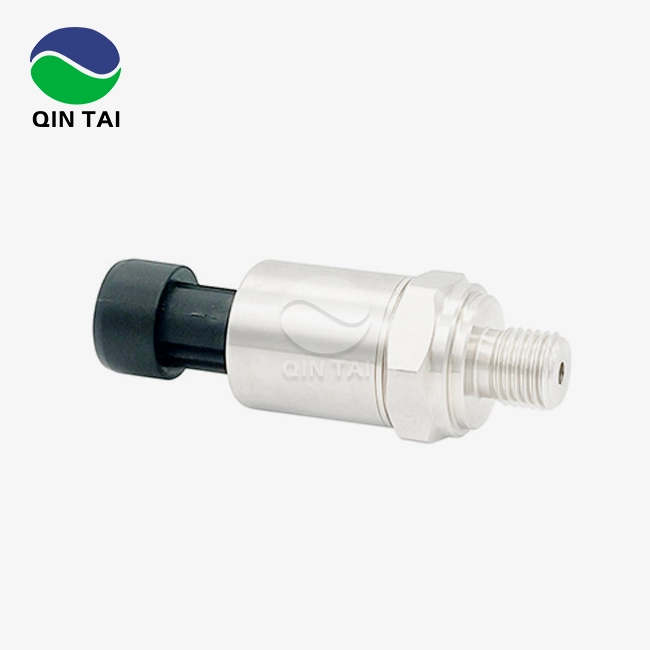
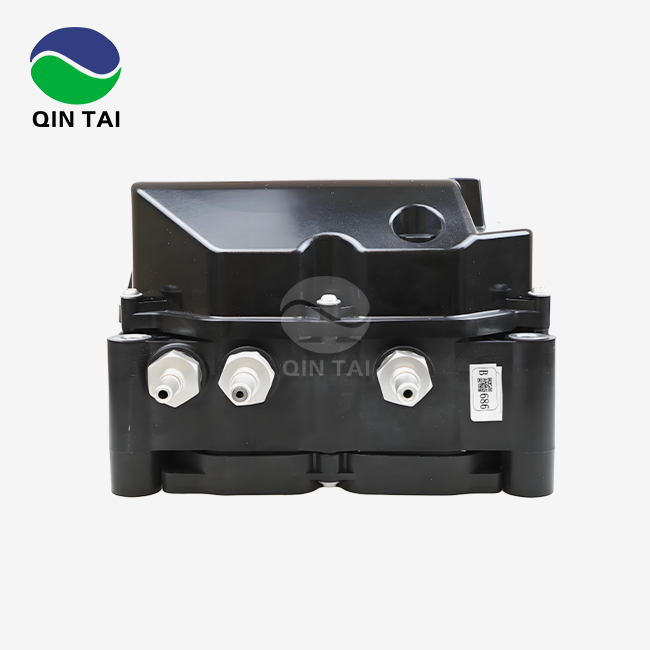
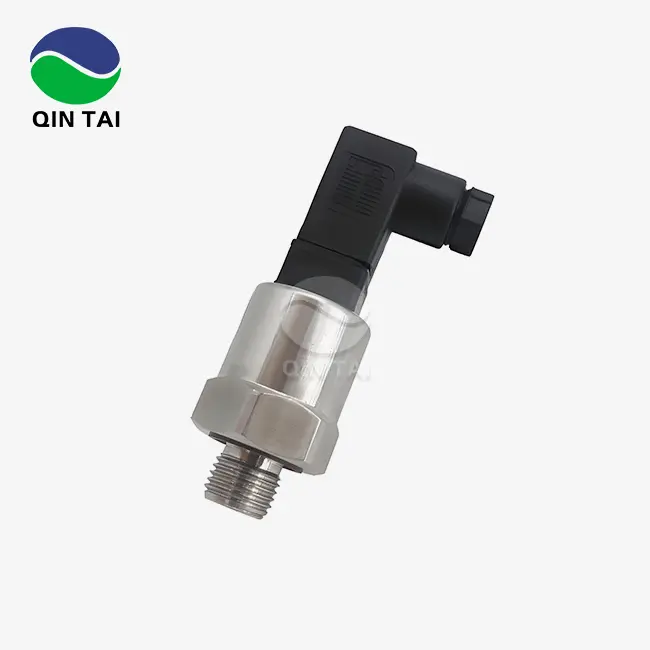

Our customers’ satisfaction speaks for our quality — contact us to experience the same reliable service.