- English
- French
- German
- Portuguese
- Spanish
- Russian
- Japanese
- Korean
- Arabic
- Greek
- German
- Turkish
- Italian
- Danish
- Romanian
- Indonesian
- Czech
- Afrikaans
- Swedish
- Polish
- Basque
- Catalan
- Esperanto
- Hindi
- Lao
- Albanian
- Amharic
- Armenian
- Azerbaijani
- Belarusian
- Bengali
- Bosnian
- Bulgarian
- Cebuano
- Chichewa
- Corsican
- Croatian
- Dutch
- Estonian
- Filipino
- Finnish
- Frisian
- Galician
- Georgian
- Gujarati
- Haitian
- Hausa
- Hawaiian
- Hebrew
- Hmong
- Hungarian
- Icelandic
- Igbo
- Javanese
- Kannada
- Kazakh
- Khmer
- Kurdish
- Kyrgyz
- Latin
- Latvian
- Lithuanian
- Luxembou..
- Macedonian
- Malagasy
- Malay
- Malayalam
- Maltese
- Maori
- Marathi
- Mongolian
- Burmese
- Nepali
- Norwegian
- Pashto
- Persian
- Punjabi
- Serbian
- Sesotho
- Sinhala
- Slovak
- Slovenian
- Somali
- Samoan
- Scots Gaelic
- Shona
- Sindhi
- Sundanese
- Swahili
- Tajik
- Tamil
- Telugu
- Thai
- Ukrainian
- Urdu
- Uzbek
- Vietnamese
- Welsh
- Xhosa
- Yiddish
- Yoruba
- Zulu
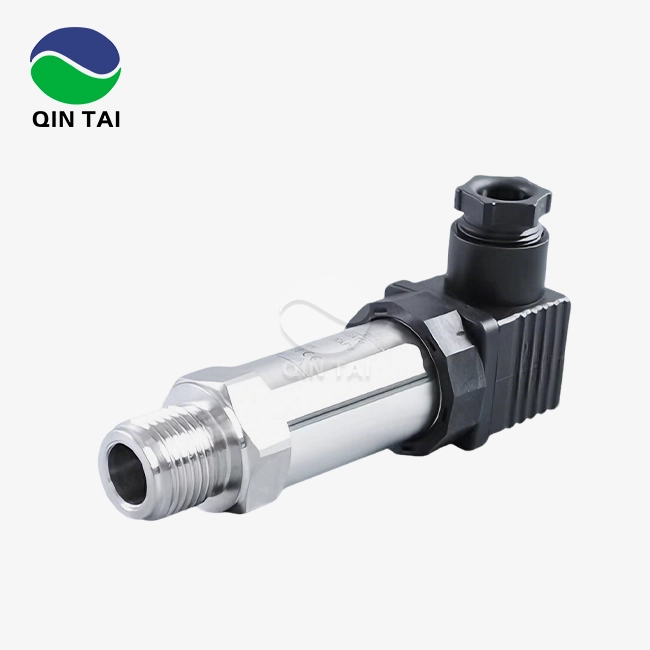
OEM Sputtered Thin Film Pressure Sensor Custom Solutions
OEM sputtered thin film pressure sensors are custom-made to meet your equipment's range, output, thread, and connection. The strain gauge is placed on a stainless steel element at high vacuum. Sputtered thin film pressure sensors can tolerate vibration, pressure spikes, and high temperature fluctuations without glue or oil fill in diesel engines, hydraulic equipment, generator sets, and exhaust aftertreatment systems. This handbook was created for buying managers and R&D engineers who must ensure reliable mass supply matches technical demands. The technology, specifications, how it's created, and how to list specs are covered here.
How a Sputtered Thin Film Pressure Sensor Works and Why OEMs Choose It
The Sensing Principle Behind the Technology
The strain-resistance effect powers sputtered thin film pressure sensors. Stainless steel elastic parts flex with little strain. That element's thin film strain resistors alter resistance when stretched or contracted. Wheatstone bridges convert this shift into a steady voltage signal. The circuits convert this signal into a controller-readable output. The sensitive, insulating, and substrate layers are placed in a dry environment and bind together by atomic force. No adhesive between layers means no creep in bonded strain gauges. Controlling film thickness helps sensor repeatability.
Welded Stainless Steel Construction
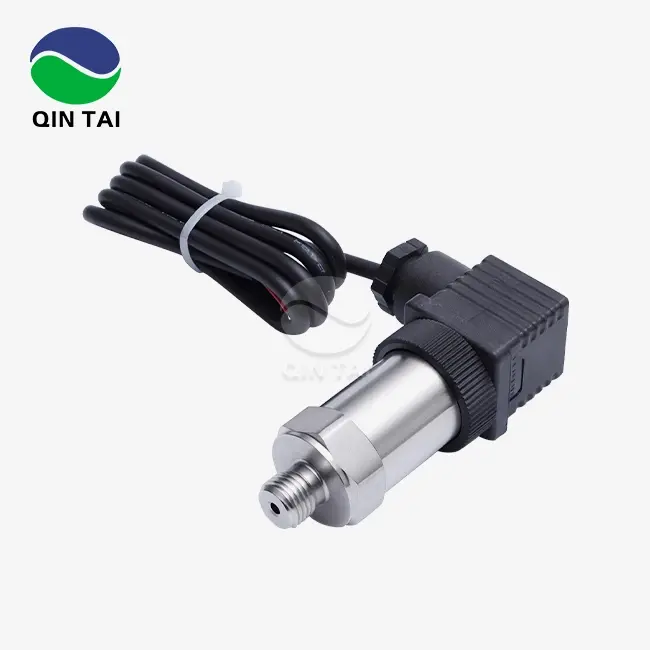
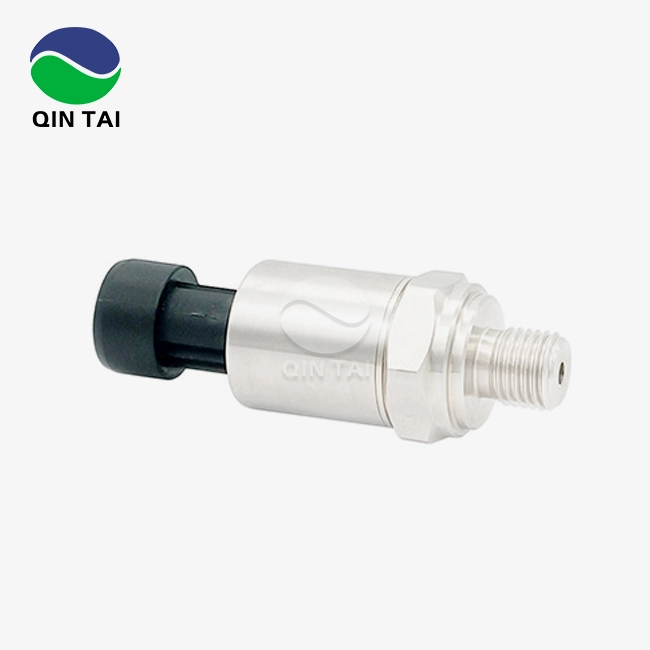
Many thin film designs attach the sensor core to a stainless steel pressure port via a laser or plasma welder. The pressure medium operates directly on non-rusting steel in this design since the O-ring and silicone oil fill are removed. That reduces oil, fuel, and hydraulic leaks for diesel engine manufacturers. The sensor responds swiftly to pressure changes without a filling fluid. This aids systems with abrupt pulses. Small body fits in narrow engine bays and transportable equipment. Buyers should examine the datasheet for media compatibility since the wet material must match the fluid.
How It Compares with Other Pressure Technologies
Every tech tool has its own use. Bonded strain gage sensors use glue to connect the gage to the sensor, which can cause creep over time. Ceramic sensors can work with a lot of different materials, but they usually need elastomer seals to do their job. A lot of semiconductor piezoresistive sensors have an isolation diaphragm that is filled with oil. This makes it possible for a leak to happen.
For jobs with a lot of pressure and vibration, a sputtered thin film pressure sensor is best because it is stable and has a fully welded body, not because it costs the least per unit. Different types of flush diaphragms can handle thick or dirty media. It's better to compare full datasheets and test conditions than technology labels, since the same words can mean different things inside the builds.
Performance Specifications OEM Buyers Should Evaluate
Temperature Range and Accuracy
In diesel applications, temperature behaviour must be examined immediately. Thin film transmitters may be stored from -50°C to +150°C and used at -40°C to +125°C. Some medium designs may reach 200°C. Compensated and storage ranges vary. Accuracy is solely in the corrected range, whereas storage range describes sensor off survival. Laser resistance reduction and semiconductor processing stabilise output. Compare bids for greater than nominal accuracy at room temperature. Request total error over the compensated band.
Output Signals and Electrical Interfaces
A sensor with the proper output signals works with your ECU or controller. Digital choices for automotive and industrial networks include CAN, CANopen, and J1939. Most thin film transducers have analogue outputs of 0 to 5 V to 10 V. Use I²C or SPI for board-level OEM integration. Generator sets and industrial locations benefit from a 4–20 mA loop that can tolerate lengthy wire lengths and electrical noise. Control unit voltage outputs are good for short runs. Heavy vehicles and construction equipment using may networks may utilise J1939. Also consider supply voltage, EMC performance, connection protection, and IP rating. Whether the field signal remains clean depends on them.
Vibration, Pressure Spikes, and Overload
The lab and field don't always agree. Hydraulic and gasoline systems may experience pressure spikes. Check the rated range, overload capacity, and burst pressure. Applications like engines, tractors, and excavators need a thin film device that can withstand high peak pressures, intense vibrations, and impacts without leaking. Since variations in hysteresis, repeatability, and zero stability might endanger the warranty, consider them. Request the sensor's vibration and shock test data from the supplier. Yes indicates that the product was tested for your duty cycle.

Manufacturing Process and Quality Control for Consistent Supply
From Stainless Steel Diaphragm to Sputtered Film
Quality begins with surface and substance for the sputtered thin film pressure sensor. Selection of stainless steel and elastic element cutting are typical manufacturing steps. After cleaning, the surface is prepared. Sputtering places the strain-sensitive film on top of the steel and the insulating film on top in a vacuum chamber.
Bridge circuits are formed using resistor patterns. At this point, adhesion, cleanliness, and dimensional precision establish the bridge's resistance stability and consistency. Welding the sensor core to the pressure port follows. Weld quality determines joint leak-tightness. Because process discipline ensures that the thousandth sensor is the same as the first, ask suppliers how they monitor each step.
Calibration and Electrical Testing
The electronics are assembled and each sensor calibrated. The bridge is balanced by laser resistance trimming, and temperature correction fixes zero and span drift over the operating range. Pressure calibration sets output to reference values. Leak, insulation, and overload tests are routinely done as final inspections. Diesel OEMs operating to China VI, Euro VI, or U.S. standards must maintain calibration since the EPA tightened heavy-duty engine NOx requirements in 2027. Engine control techniques need accurate pressure signals. Check that each unit's calibration data is stored and provided with each batch. This allows your quality team to match field returns to production lots.
Certifications and Traceability at Qintai
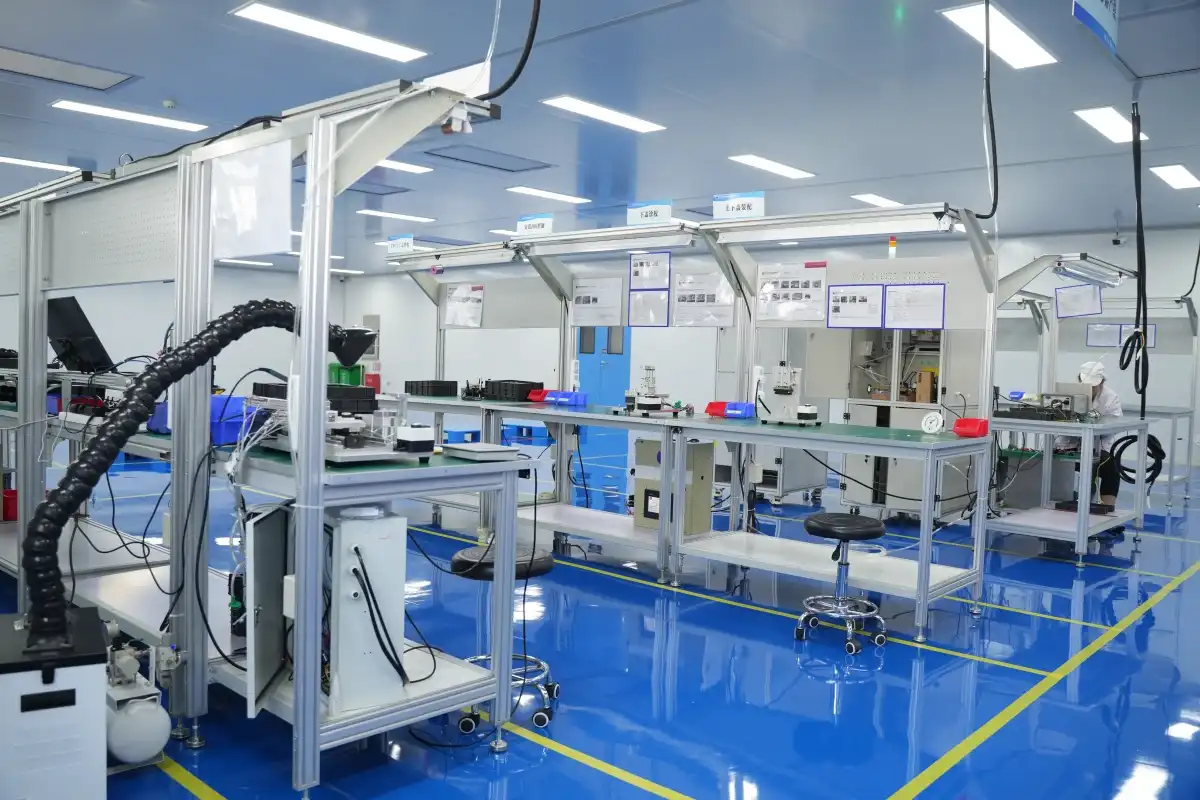
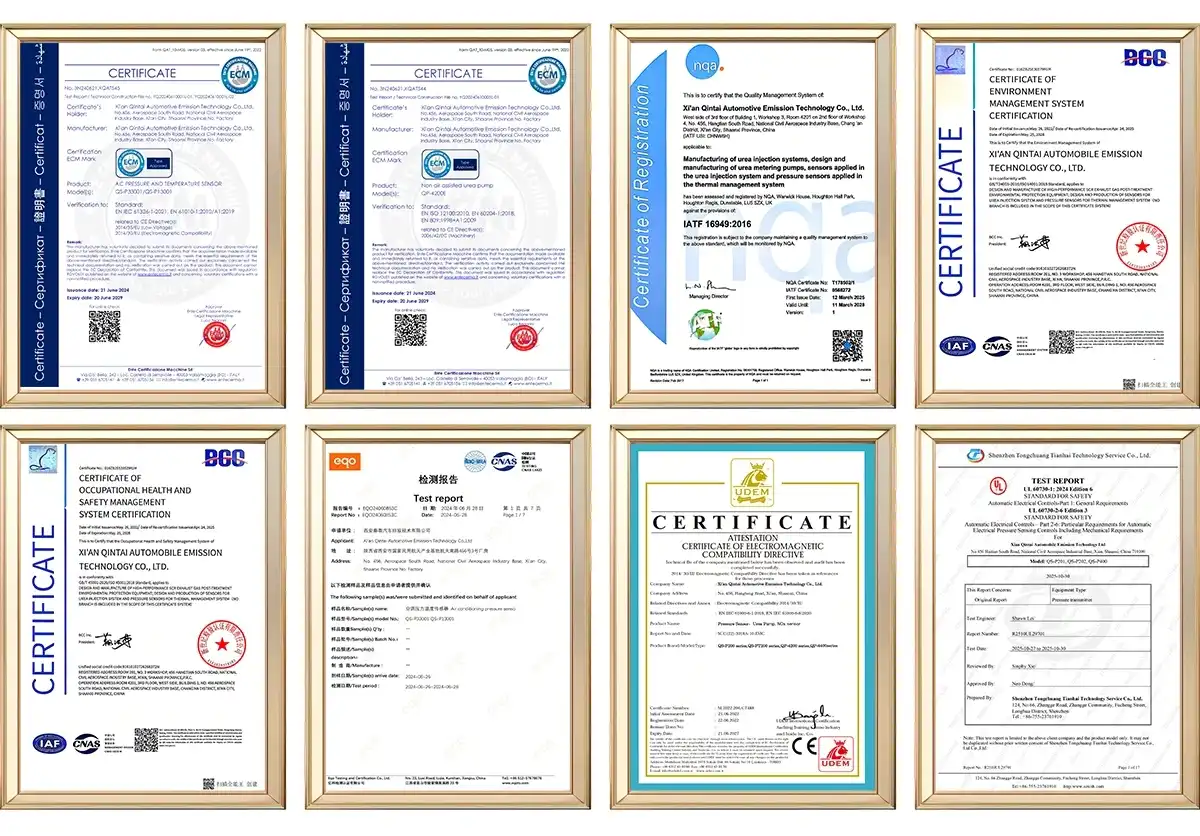
Qintai is a national high-tech company that was founded in 2001. It designs and makes products for diesel engine SCR aftertreatment and sensors, with pressure sensors being its main focus. We have ISO9001, IATF16949, CMC, Ex, UL, CE, REACH, and RoHS certifications, and we have also applied for 58 invention patents. Our independent R&D team is always working to improve the performance and dependability of our products. As a core supplier, we also work with Weichai Power, Yuchai Power, and Quanchai Power. For procurement teams, these records give a starting point that can be checked when they look at the qualifications of suppliers.
OEM Customization Options and Applications
Customization Options OEMs Can Request
With customization, you can make the sensor fit your gear instead of the other way around. These are the main things OEM buyers say:.
- Pressure and reference: Define the measuring range and choose gauge or absolute reference. A range matched to real working pressure, with margin for spikes, protects the sensing element and keeps resolution useful. Share normal, peak, and burst conditions so the supplier can propose a safe overload margin for your duty cycle.
- Electrical interface: Select the output signal, supply voltage, connector type, pin assignment, and cable length. Matching these to your ECU, PLC, or wiring harness removes adapter parts, shortens assembly time, and reduces connection points that could loosen under vibration. One fewer adapter also means one less part to stock.
- Mechanical and marking details: Specify the thread standard, housing dimensions, and installation orientation, plus labels, laser marking, and packaging. Private-label requirements and documentation can follow your own part-numbering system, which simplifies inventory handling for dealers, repair shops, and parts suppliers. Clear markings also speed up installation and reduce mix-ups on the shop floor.
Because of these options, your team will be able to go from drawing to validated part faster and with less work.
Applications Across Diesel and Industrial Equipment
Any system that needs accurate readings in tough conditions can use a sputtered thin film pressure sensor. Common uses in diesel and off-road equipment are for oil and fuel circuits, hydraulic lines on construction equipment, and checking the pressure in SCR dosing systems. Generator sets in mines, power plants, and backup installations need to work reliably and for a long time, so they need to be able to seal well, adjust to different temperatures, and not rust.
Connectors and signal ranges that are specific to the controllers used by aftertreatment integrators are often needed. On the other hand, buyers in the aftermarket prefer flexible parts that are easy to install. This technology is also used in robotics, pumps, compressors, presses, and equipment for cleaning industrial exhaust. Before you commit to volume, test the sensor in your own application to make sure it works.
From Engineering Sample to Mass Production
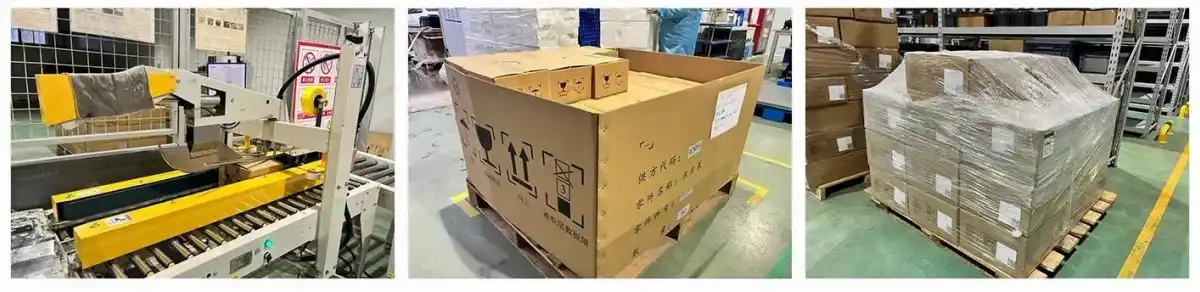
Staged projects are safer. An initial technical consultation and quotation are typical. Next, engineering samples are utilised to check fit, electrical compatibility, and performance. After the test bench or engine is confirmed, a pilot run ensures production matches sample quality. Then a bulk order should go sent. Without sample validation, you might run into field issues like the improper pressure range, an incompatible thread, or unchecked media compatibility. Your team simply has to contact to one engineer at Qintai for OEM and ODM services from idea to mass production.
How to Choose the Right Sensor and Supplier
A Practical Selection Checklist
I think a simple list of questions would work. First, you need to choose the medium, the reference pressure, the operating range, the spikes, and the response time that you need. In the second step, write down the IP rating you need along with the temperature, vibration, shock, humidity, and chemical exposure. Third, make sure the thread, mounting space, connector, and cable on the interface match those on your controller.
Fourth, compare the accuracy, total error, repeatability, stability, and overload capacity, and ask for proof that the calibration was done correctly. Last but not least, look at the supplier's production capacity, lead time, minimum order quantity, quality system, and sample testing. The shortlist is usually made by the technical team, and then the purchasing team compares prices and terms. A full data package helps both teams agree on a supplier before management approves them.
What Drives Price and What a Quote Needs
Bespoke sensors' prices depend on pressure range, precision, temperature correction, electronics, materials, connection type, testing, certification, packaging, order volume, and number of sensors. A lower unit price may hide a higher total cost if field difficulties lead to warranty claims. A supplier must know the application medium, temperature range, pressure reference, output signal, dimensions, expected quantity, target market, and certification criteria to quote accurately. We supply drawings, datasheets, calibration reports, material data, test data, and change control help. A precise yearly demand forecast helps the company plan capacity and buy materials to maintain price.
Why Work with a Specialized Supplier Like Qintai
A specialized manufacturer makes a bigger difference than a company that sells catalog items. The thin film process is controlled by it, and it can change unusual pressure ranges, ports, and connectors. Since 2001, Qintai has been focusing on diesel engine sensors and aftertreatment. Our products are sold in more than 60 countries and regions, such as South America, Europe, and the Middle East.
Customization is handled by our R&D team, and we offer service after the sale to OEM customers and trading agents. For integrators of aftertreatment, that means having one team that knows how to use both the sensor and the SCR system. It means a clear point of contact for people who buy aftermarket parts for installation questions and problems after the sale.
Conclusion
The pressure is measured by a sputtered thin film pressure sensor, which has thin film strain resistors deposited in a vacuum onto a welded stainless steel element. This gets rid of the need for O-rings, adhesive creep, and oil fill. This design can handle a wide range of temperatures, vibrations, and pressure spikes, and it keeps the output stable. It can be used in diesel engines, hydraulic equipment, generator sets, and aftertreatment systems. Buyers shouldn't just look at the technology labels on a sensor; they should also look at its total error, compensated temperature range, overload capacity, output signal, and calibration records.
Consistency between batches is determined by manufacturing control, testing, and traceability. Staged sampling and validation lower the risk of wrong ranges or interfaces that don't work with each other. When customization, quality records, and a clear quote data set are matched to the application, it gives the purchasing and engineering teams a reliable base for long-term supply.
FAQ
What is a sputtered thin film pressure sensor?
It is a pressure sensor that has strain resistors that are sputtered directly onto an elastic stainless steel part that is in a very high vacuum. Since there is no glue between the layers, there is no adhesive creep, and the output is stable and consistent.
Can output signals and connectors be customized?
Yes. A lot of thin film transmitters have CAN-based outputs like J1939, 0–5 V, and 4–20 mA. Qintai lets you make changes based on your application, so send us your interface, connector, and thread needs for technical review.
What temperature range should I expect?
The temperature ranges for thin film transmitters that are published usually range from -40°C to +150°C for the medium and from -40°C to +125°C for the environment. Some designs can reach 200°C for the medium. Check the model datasheet for exact limits.
What do you need to prepare a quotation?
Please tell me about the medium, the pressure range and reference, the temperature, the output signal, the dimensions, the connector and thread, the target quantity, the annual demand, and the certification needs. Then, engineering samples let you make sure that the parts fit and work well before you place a bulk order.
Request an OEM Sputtered Thin Film Pressure Sensor Solution from Qintai
Looking for a company that makes sputtered thin film pressure sensors and knows about diesel engines and aftertreatment? With ISO9001 and IATF16949 certification, 58 invention patent applications, and OEM/ODM service from design to mass production, Qintai has everything you need. Our engineers will look over your needs after you send them to info@qt-sensor.com with your pressure range, medium, temperature, output, dimensions, and annual demand. For more information, go to qt-sensor.com.
References
1. Handbook of Modern Sensors: Physics, Designs, and Applications, 2016
2. The Measurement, Instrumentation, and Sensors Handbook, 2014
3. Measurement Systems: Application and Design, 2004
4. Federal Register, Control of Air Pollution From New Motor Vehicles: Heavy-Duty Engine and Vehicle Standards, 2023
5. Bosch Automotive Handbook, 2022
6. MEMS Mechanical Sensors, 2004

Our customers’ satisfaction speaks for our quality — contact us to experience the same reliable service.