- English
- French
- German
- Portuguese
- Spanish
- Russian
- Japanese
- Korean
- Arabic
- Greek
- German
- Turkish
- Italian
- Danish
- Romanian
- Indonesian
- Czech
- Afrikaans
- Swedish
- Polish
- Basque
- Catalan
- Esperanto
- Hindi
- Lao
- Albanian
- Amharic
- Armenian
- Azerbaijani
- Belarusian
- Bengali
- Bosnian
- Bulgarian
- Cebuano
- Chichewa
- Corsican
- Croatian
- Dutch
- Estonian
- Filipino
- Finnish
- Frisian
- Galician
- Georgian
- Gujarati
- Haitian
- Hausa
- Hawaiian
- Hebrew
- Hmong
- Hungarian
- Icelandic
- Igbo
- Javanese
- Kannada
- Kazakh
- Khmer
- Kurdish
- Kyrgyz
- Latin
- Latvian
- Lithuanian
- Luxembou..
- Macedonian
- Malagasy
- Malay
- Malayalam
- Maltese
- Maori
- Marathi
- Mongolian
- Burmese
- Nepali
- Norwegian
- Pashto
- Persian
- Punjabi
- Serbian
- Sesotho
- Sinhala
- Slovak
- Slovenian
- Somali
- Samoan
- Scots Gaelic
- Shona
- Sindhi
- Sundanese
- Swahili
- Tajik
- Tamil
- Telugu
- Thai
- Ukrainian
- Urdu
- Uzbek
- Vietnamese
- Welsh
- Xhosa
- Yiddish
- Yoruba
- Zulu
Top 5 SCR Dosing System Benefits for Diesel Engine Efficiency
Reduced NOx emissions, fuel savings, steady aftertreatment performance, several applications, and a reduced lifetime cost are all benefits of an SCR dosing system for diesel engine efficiency. SCR dosage adds AdBlue to exhaust. The SCR converter converts NOx to nitrogen and water. I discuss diesel fuel, AdBlue, and emissions control efficiency. They measure various things yet are related. The findings are additionally impacted by calibration, duty cycle, exhaust temperature, converter design, dosing precision, and maintenance. I'll describe each advantage and demonstrate system selection, storage, and testing below.
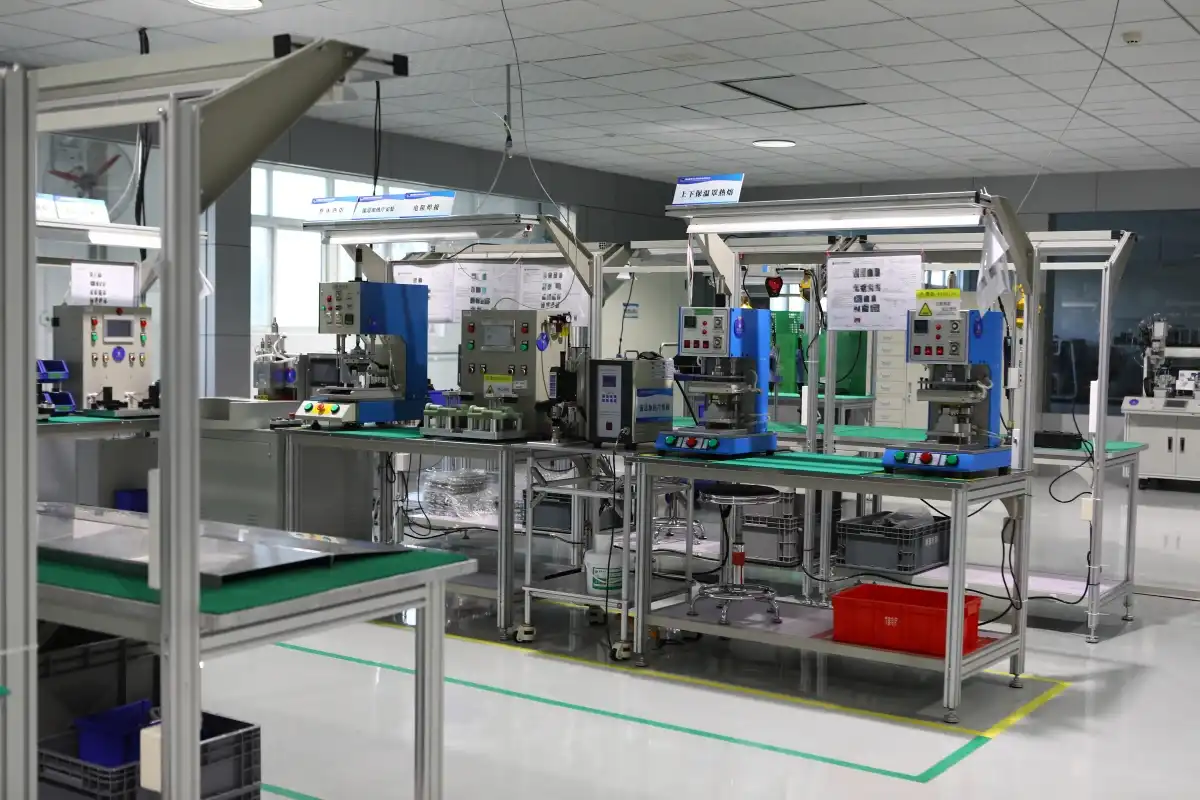
The Five Core Benefits of SCR Dosing for Diesel Engines
Benefit 1—Lower NOx Emissions and Stronger Regulatory Compliance
If you set up your SCR dosing system right, it can cut NOx levels down to levels that meet Euro 6 and EPA Tier 4 standards. AdBlue is a solution of 32.5% urea that is sprayed into the hot exhaust by the system. Ammonia is what is left over when the urea breaks down. After that, this reacts with the NOx on the SCR converter. A 2010 rule from the U.S. EPA for heavy-duty engines set a NOx limit of 0.2 g/bhp-hr, and the WHSC cycle in Euro VI sets a limit of 0.4 g/kWh.
Changes in the timing and quality of the spray, the temperature of the exhaust, and the distribution of ammonia can all affect conversion. If you give too much of a dose, ammonia can get through and build up, but if you give too little, NOx will be treated. Suppliers should be asked for more than just claims. They should also be asked for NOx conversion data and validation reports.
Benefit 2—Improved Diesel Engine Fuel Efficiency Potential
SCR handles NOx as it goes down the line, so engineers don't need high EGR to regulate combustion for efficiency. At times, less EGR means more oxygen, less pumping loss, and stronger burn. I still advise purchasers to research prices. How much fuel and AdBlue are used each hour, how much fluids and servicing cost, and how much downtime? Create a basic cost model. Most heavy-duty vehicles utilise 2% to 3% AdBlue for diesel fuel. Try low and heavy loads, cold starters, and duty cycles that alter and remain the same before believing a savings figure.
Benefit 3—More Stable Engine and Aftertreatment Performance
If you use the right amount of ammonia, it will cover the SCR converter evenly. The emissions stay the same even though more of the converter is working. Injecting more or less, applying more or less force, timing, spray pattern, droplet size, and exhaust flow can all change an atomizer or mixer. The main parts are the electric motor, the heated lines, the tank, the pump module, the sensors, the ECU, and the converter.
Plans that use compressed air are more complicated than plans that don't use air because they don't need to go through the air supply. Feedback from the sensors is the most important thing. In this case, a urea pressure sensor tells the control unit what the line pressure is. The control unit then changes the dose based on how hot or cold the engine is and how much load it has.
Benefit 4—Flexible Application Across Vehicles and Industrial Equipment
Buses, vehicles, construction and agricultural equipment, generators, marine engines, boilers, and power plants may be dosed the same way. Mobile gear must be compact, vibration-resistant, adaptable, and heated since AdBlue freezes around 12°F (-11°C). Bigger converters, larger continuous flow rates, and centralised control may be needed for stationary systems. When choosing a pump, injector, heated lines, communication interface, and control method, consider space, temperature, converter volume, flow rate, and environment. Pressure sensors struggle in situations with a lot of stress and dust, such long-haul vehicles or naval engines in saline air.
Benefit 5—Lower Lifecycle Cost Through Better Control and Maintainability
Correct AdBlue dosing in the SCR dosing system reduces waste, crystallisation, converter contamination, repairs, and unplanned downtime. This suggests long-term worth matters more than purchasing price. Common problems include a damaged pump, low pressure, a faulty injector, hot line damage, sensor difficulties, leaks, and derate events.
Preventive treatment begins with ISO 22241-compliant AdBlue. Filter checks, pressure and flow testing, injector servicing, and electrical inspections are all included. When comparing a module to a replacement part, consider its modular architecture, how simple it is to procure spare parts, how well it functions, the warranty, service documentation, and supplier support.

How an SCR Dosing System Works: From Sensor Input to Exhaust Treatment
Sensors and the Control Unit Set the Dose
Sensors keep an eye on things like fluid level, pressure, NOx concentration, engine load, and the status of the converter. Many sensors in the tank send signals. A level sensor checks how much AdBlue is in the solution, a temperature sensor helps keep it from freezing, and a quality sensor makes sure the solution stays within the limits. To figure out each dose, the control unit looks at the NOx mass flow, the efficiency of the converter, the temperature, and any temporary conditions. These sensors set the upper limit for the whole system because they are where the dose starts.
Pump, Heated Lines, and Injector Deliver the Fluid
Next, the pump moves the AdBlue through heated lines while applying pressure to it. This makes sure the fluid stays liquid when it's cold outside. It is broken up into tiny pieces in the injector and sent to the exhaust, where heat and mixing make ammonia. It's important to keep the pressure down at this point. There is an urea dosing pressure sensor that sends information to the dosing control unit in real time.
The unit can then check what the pump really sends. It finds shifts in pressure that are caused by air, leaks, or blockages. It also finds shifts in pressure that are caused by frozen AdBlue or broken valves. It also helps find out why pumps and injectors aren't working right.
Downstream Checks Close the Loop
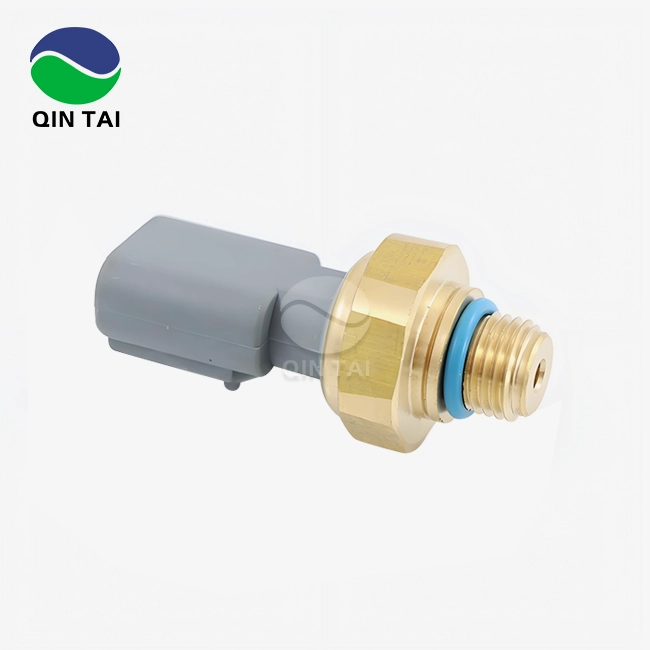
Finally, sensors further down the line check the outcome. If the NOx level stays above the target, the control unit either changes the dose, sounds an alarm, or lowers the dose to protect the environment. Because it tells the difference between a real dosing fault and a false alarm, stable pressure data helps stop limp mode. This is what the Qintai Urea Dosing Pressure Sensor is meant to do. It keeps the system from getting the wrong dose or urea crystallizing, which are two common reasons why NOx levels don't meet standards or get clogged. The Euro VI and EPA Tier 4 Final programs can use it.
How to Choose the Best SCR Dosing System for Your Diesel Engine
Define the Application Before You Compare Prices
Engine and pipe first. Monitor the engine's power, NOx emission, temperature range, air quality, and space. Next, add the duty cycle, emissions goal, installation environment, and communication architecture. Different doses are needed for generator sets that operate at stable load for extended periods of time and loaders with many transients. Technical teams usually identify these requirements first, then purchasing teams evaluate the options that fulfil them. If you define the use case early, you may compare estimates and prevent costly redesigns following prototypes.
Check the Technical Criteria
Flow range, pressure stability, reaction time, injection precision, diagnostics, and crystallisation protection are crucial. Checking sensor compatibility alone. Many threads are M10x1 or M12x1.5, however the ECU requires calibration of the output signal, which may be 0.5V to 4.5V or SENT. Qintai pressure sensors prevent signal drift from filthy connection pins with gold-plated terminals. The P204B code results from this. The sensing chamber's clean flow channels and little vacant space prevent crystal formation. Flexible internal buffers may help prevent AdBlue freezing. For average commercial usage, the item should last 15,000–20,000 hours.
Evaluate the Supplier and Write a Clear RFQ
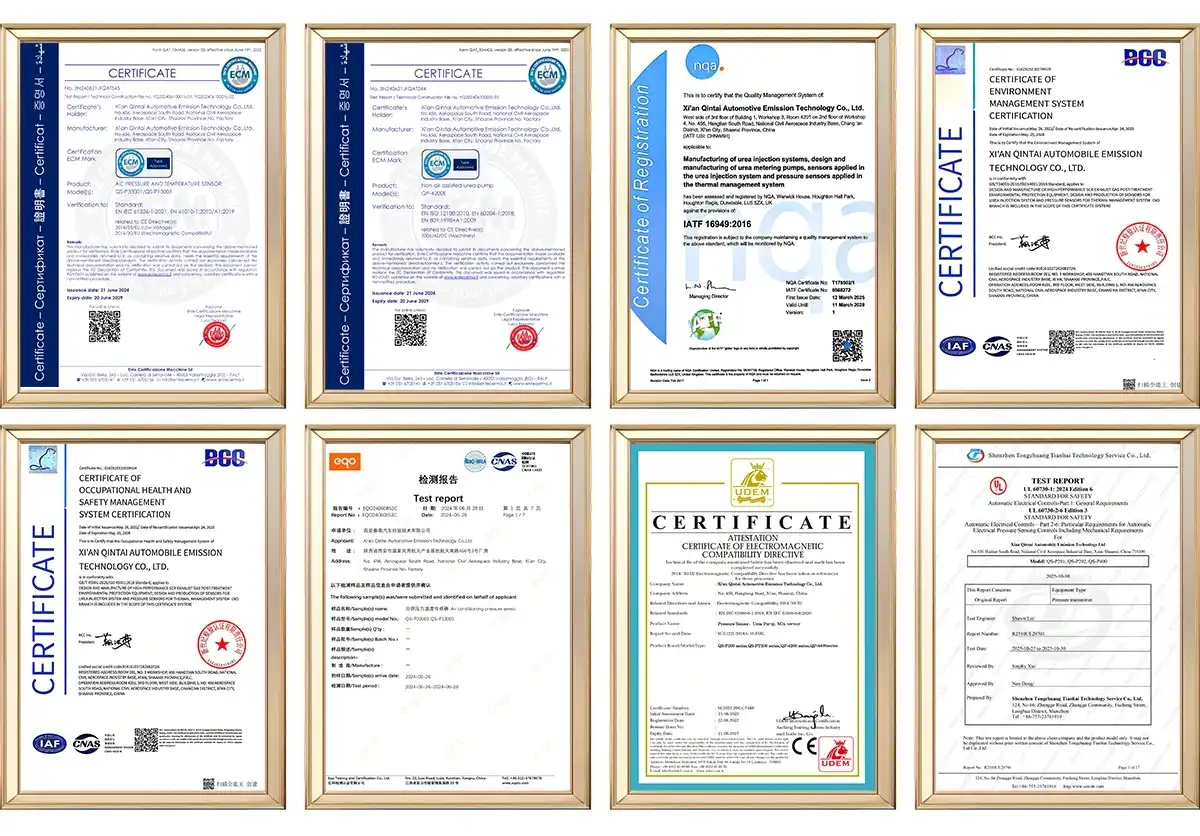
Testing, documentation, warranty, logistics, spare parts support, OEM or bespoke development, and shipping all be considered while choosing a provider for the SCR dosing system. Qintai, a national high-tech corporation, was founded in 2001. It designs and manufactures diesel engine SCR aftertreatment pressure sensors and other equipment. We have 58 innovation patents and ISO9001, IATF16949, CMC, Ex, UL, CE, REACH, and RoHS codes. We provide several parts to Weichai, Yuchai, and Quanchai Power. Customised OEM and ODM services are also available. Your RFQ should include the engine type, rated power, emissions standard, exhaust flow, interface type, and work quantity.
SCR Dosing System Troubleshooting and Maintenance Checklist
Start With the Basics When a Dosing Pump Stops
If a dosing pump breaks down, you may not need to get a new one. Check the power supply, the fuses, the fluid level, the filters, the pressure, the communication, and the diagnostic codes in that order. Things that go wrong are often a blown fuse, a loose connector, or an empty tank. A code can also be set off by a pressure sensor reading that is too high or too low, even if the pump is fine. Check the signal from the sensor against a known gage before you switch out the parts. Repair shops and dealers can save time and money with this simple routine.
Trace Crystallization and Low Pressure to the Source
Dirty AdBlue, low exhaust temperatures, leaks, poor atomisation, or repeated engine starts may clog and crystallise injectors. Low pressure might result from a worn pump, clogged filter, air in the lines, damaged lines, or a faulty sensor. If you notice the P204B code, the pressure sensor's range or operation is wrong. Signal drift from an outdated sensor or filthy connecting pins usually causes this problem. Clean the plug and examine the harness before deciding on the sensor. Even new injectors might become blocked by filthy fluid or cold duty cycles. First, fix the cause.
Replace a Part or the Whole Module
Single-part replacement works when only one part is broken and everything else is fine. If contamination spreads, several parts rust, or several failures happen at the same time, it is usually less expensive to buy a whole dosing module. Don't just look at the prices of parts; also keep track of the hours of work, the number of visits, and the time the machine is down. Plus, people who buy aftermarket parts should see how easy they are to put together, whether they are easy to find, and what the warranty terms are. The pump, sensor, or injector can be changed without taking the whole unit apart because it is modular. This lets cars and trucks be used for longer.
How to Verify SCR Dosing System Efficiency After Installation
Set Baseline Data Before You Test
Before you start testing the SCR dosing system, write down basic information like how much fuel and AdBlue are used, the NOx levels, the exhaust temperature, the pressure, the fault codes, and the number of hours the engine has been running. You won't know if the new system made things better or just changed the duty cycle that way. As much as possible, try to keep the same route, load, and environment for runs that come before and after. If the engine doesn't move, record a fixed load step. When it comes time to talk about warranties, having clear records is also helpful because both the buyer and the seller can see the same numbers.
Run Functional Checks at Installation
To make sure everything is working right, functional checks are done on the priming, purging, pressure stability, injector spray quality, sensor accuracy, converter temperature, and transient response. Watch the pressure when the load isn't being used, when it's being used to its fullest, and when the load changes quickly. All lines should be clear if the reading stays the same. This means the pump is working well. If the reading drops quickly, it means there is air, a leak, or a blockage. Then, measuring emissions lets you know if the decrease in NOx meets the goal set by the designers. Plus, check that the gear works when it's cold to make sure it will still work in the winter, when heated lines and thaw logic are important.
Track Long-Term Performance Indicators
For long-term evaluation, you can use fleet telematics, maintenance records, derate events, warranty claims, and the times between part replacements. Important things to look at are changes in NOx, accurate dosing, the amount of fuel and AdBlue used per hour of operation, the average time between failures, the system's availability, and the total cost of running the system. Check them every three months or when they are due for service. Most of the time, a problem with dosing or sensor drift can make the amount of AdBlue used go up every hour while NOx levels stay the same. This can be fixed before it changes the grade.
Conclusion
AdBlue is added by an SCR dosing system so that the SCR converter can lower NOx. It's useful in five ways: following rules, saving fuel, stable aftertreatment operation, a number of uses, and a lower cost over its whole life. It depends on the calibration, the duty cycle, the accuracy of the dosing, and the quality of the maintenance to get these gains. AdBlue use should be taken into account when figuring out how efficient something is. Sensors, especially the urea pressure sensor, send feedback that helps make sure the right amount of urea is being used and finds issues like leaks, blockages, and freezing.
Finding the right engine, exhaust profile, emissions standard, and interface is the first step to making a good choice. The next step is testing and getting paperwork from the supplier. To make sure a system works as it should, it is checked for problems and compared to data from before the installation. It's not the cheapest choice, but it is the one that will do the job best and cost the least over time.
FAQ
What is an SCR dosing system?
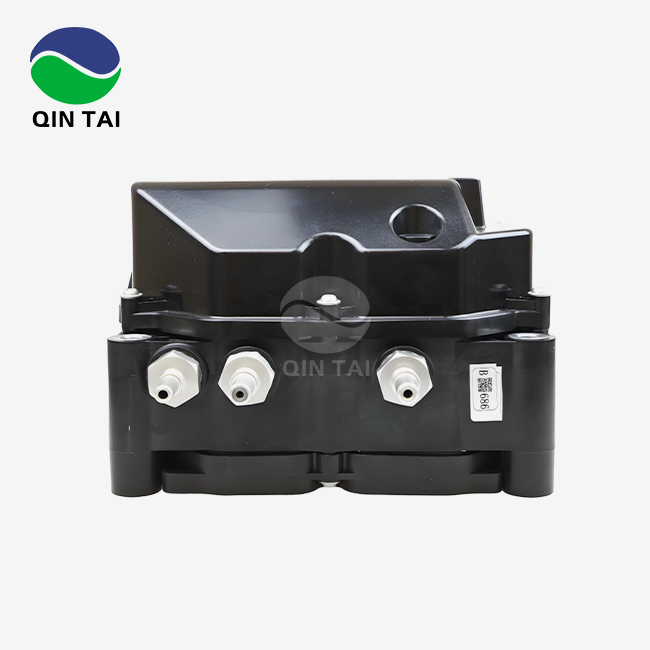
The SCR converter can change NOx into nitrogen and water when AdBlue is added to the exhaust. The ECU, heated lines, sensors, tank, pump, and injector are all parts that are used in many cars.
Can it improve diesel fuel efficiency?
It can make things work better by letting less EGR through. The results depend on the temperature, duty cycle, and calibration. The cost should also take into account the use of AdBlue.
What does a urea pressure sensor do?
In a closed loop, it tells the control unit how much pressure there is. It finds shifts in pressure that are caused by air, leaks, or blockages. It also finds shifts in pressure that are caused by frozen AdBlue or broken valves.
What causes the P204B fault code?
A lot of the time, dirty connector pins or old sensors are to blame for signal drift. Because the ends of our sensors are gold-plated, that risk is lower.
Can one sensor fit different SCR brands?
Most of the threads are standard, like M10x1 or M12x1.5, but the output signal, which can be anywhere from 0.5V to 4.5V or SENT, needs to match how the ECU is set up.
How does the sensor handle crystallization?
This is because the flow paths are smooth and there isn't much dead space in the diaphragm. Urea doesn't get stuck there.
Discuss Your SCR Dosing System Requirements With Qintai
Qintai has been in business since 2001 and makes pressure sensors and other parts for SCR aftertreatment as its main business. We are certified by both IATF16949 and ISO9001. You can get an SCR dosing system from info@qt-sensor.com if you need one. They can work with OEM and ODM projects and make changes to their products. Send them your engine model, application, emissions standard, and order volume. You can also contact our staff at qt-sensor.com. We'll get back to you about the project with more information and a quote.
References
1. U.S. Environmental Protection Agency, Control of Air Pollution From New Motor Vehicles: Heavy-Duty Engine and Vehicle Standards and Highway Diesel Fuel Sulfur Control Requirements, Federal Register, 2001.
2. International Organization for Standardization, ISO 22241-1: Diesel Engines — NOx Reduction Agent AUS 32 — Part 1: Quality Requirements, 2019.
3. European Parliament and Council, Regulation (EC) No 595/2009 on Type-Approval of Motor Vehicles and Engines With Respect to Emissions From Heavy Duty Vehicles (Euro VI), Official Journal of the European Union, 2009.
4. Johnson, T. V., Review of Diesel Emissions and Control, International Journal of Engine Research, 2009.
5. Koebel, M., Elsener, M., and Kleemann, M., Urea-SCR: A Promising Technique to Reduce NOx Emissions From Automotive Diesel Engines, Catalysis Today, 2000.
6. Mollenhauer, K., and Tschöke, H., Handbook of Diesel Engines, Springer, 2010.

 Sensors.webp)

Our customers’ satisfaction speaks for our quality — contact us to experience the same reliable service.