- English
- French
- German
- Portuguese
- Spanish
- Russian
- Japanese
- Korean
- Arabic
- Greek
- German
- Turkish
- Italian
- Danish
- Romanian
- Indonesian
- Czech
- Afrikaans
- Swedish
- Polish
- Basque
- Catalan
- Esperanto
- Hindi
- Lao
- Albanian
- Amharic
- Armenian
- Azerbaijani
- Belarusian
- Bengali
- Bosnian
- Bulgarian
- Cebuano
- Chichewa
- Corsican
- Croatian
- Dutch
- Estonian
- Filipino
- Finnish
- Frisian
- Galician
- Georgian
- Gujarati
- Haitian
- Hausa
- Hawaiian
- Hebrew
- Hmong
- Hungarian
- Icelandic
- Igbo
- Javanese
- Kannada
- Kazakh
- Khmer
- Kurdish
- Kyrgyz
- Latin
- Latvian
- Lithuanian
- Luxembou..
- Macedonian
- Malagasy
- Malay
- Malayalam
- Maltese
- Maori
- Marathi
- Mongolian
- Burmese
- Nepali
- Norwegian
- Pashto
- Persian
- Punjabi
- Serbian
- Sesotho
- Sinhala
- Slovak
- Slovenian
- Somali
- Samoan
- Scots Gaelic
- Shona
- Sindhi
- Sundanese
- Swahili
- Tajik
- Tamil
- Telugu
- Thai
- Ukrainian
- Urdu
- Uzbek
- Vietnamese
- Welsh
- Xhosa
- Yiddish
- Yoruba
- Zulu
OEM Urea Pump Motor Benefits for Commercial Vehicle Makers Today
When selecting emission control components, commercial vehicle manufacturers face mounting pressure to meet stringent regulatory standards while maintaining operational efficiency. The Urea Pump Motor sits at the heart of Selective Catalytic Reduction (SCR) systems, delivering AdBlue from the tank to the dosing module at precise pressures required for effective NOx reduction. This critical component communicates directly with the Engine Control Unit (ECU) to regulate dosing quantities based on engine load, exhaust flow, and sensor feedback. Choosing OEM-grade motors over generic alternatives directly impacts compliance with Euro VI and EPA 2010 regulations, vehicle uptime, and long-term maintenance costs.
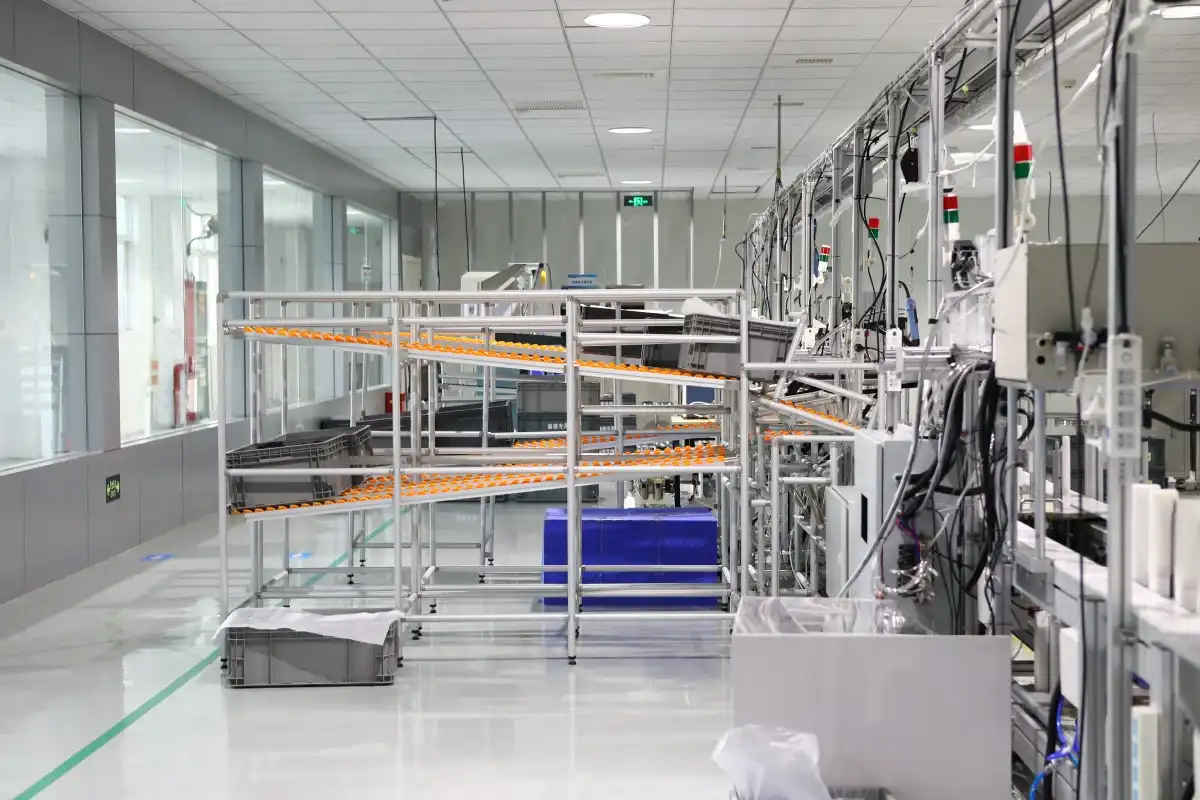
Understanding OEM Urea Pump Motors: Function and Technical Insights
Core Functionality in SCR Systems
In diesel emission aftertreatment systems, the def urea pump does a specific job. It keeps the flow and pressure at the right levels so the catalyst works well and the SCR system can reach its NOx conversion goals. OEM motors, unlike generic parts, work seamlessly with ECU programming that is specific to the vehicle and react instantly to real-time exhaust conditions. This coordination stops people from giving too little AdBlue, which could lead to fines, or too much, which could waste AdBlue and hurt catalytic parts.
Electric vs. Hydraulic Design Considerations
Manufacturers of vehicles usually come across two types of motor designs. Electric dosing pumps are most common in business settings today because they take up less space and use less energy. They give precise control even when the load changes, which makes them perfect for cars whose job cycles change. Even though they aren't used as much these days, hydraulic systems are still useful in some heavy-duty situations where high pressure is needed. Technical details like voltage compatibility (12V or 24V), flow rate capacity (measured in milliliters per minute), and durability scores show which car models are best for the product.
Identifying Performance Issues Early
Knowing the signs of a problem saves a lot of money on costly downtime. Some common signs are warning lights about the quality or amount of DEF, drops in fuel efficiency that can be seen, and stored diagnostic trouble codes that point to problems with the SCR system. When the pump only works sometimes, it's usually because of a problem with the electrical connections or tainted AdBlue that is affecting internal parts. Knowing these basic troubleshooting steps can help maintenance teams fix issues before they get so bad that the whole system breaks down and the vehicles can't be used.
Benefits of Choosing OEM Urea Pump Motors for Commercial Vehicle Makers
Superior Reliability Under Harsh Operating Conditions
When it comes to testing, OEM urea doser pumps are put through a lot of steps that generic pumps rarely have to go through. These parts have to be able to handle temperatures ranging from -40°C to 85°C, the constant shaking that comes from heavy-duty vehicles, and the chemicals in AdBlue solution. When these systems are made, the people who make them use materials that don't rust and locks that are stronger so that they can work for more than 10,000 hours straight, which directly reflects the durability built into every Urea Pump Motor. This investment in engineering will directly lead to fewer warranty claims and a better image for the car companies' brands.
The combined design method is another thing that sets high-quality OEM parts apart. Modern urea dosing pumps have a single small unit that houses the pump, the filtration system, and the heating elements. This consolidation cuts down on possible failure points and makes the installation process easier. Built-in freeze protection logic makes sure that the system melts any crystallized AdBlue before trying to deliver it. This keeps internal parts safe during cold starts, which is something that many aftermarket alternatives don't offer.
Precision Dosing for Regulatory Compliance
For emissions standards to be met, dosing must be very accurate in all operating conditions. OEM motors are accurate to within ±3% of goal values, and they stay that way for the whole time they are in use. This accuracy is very important for certification testing and working in the field. When cars have good dosing pumps, they have steady NOx conversion efficiency that is usually higher than 95% across a range of load patterns. This kind of performance keeps companies from having to pay a lot of money for refunds or fleet retrofits that are caused by compliance fails.
Another attractive feature is that it works well with complex ECU strategies. In particular, Qintai urea pumps work with Bosch ECU setting for certain SCR control methods. This makes sure that dosing systems and engine management can talk to each other without any problems. This combination lets for adaptive tuning that improves both emission performance and AdBlue usage rates, keeping costs low while still meeting regulations.
Long-Term Cost Effectiveness
OEM parts are 20–30% more expensive to buy at first than generic alternatives, but total cost of ownership calculations always favor OEM choice. Longer service intervals lower the cost of maintenance labor, and lower failure rates cut down on unplanned downtime that throws off delivery schedules. Warranty coverage from approved sellers gives you extra financial security. Usually, it lasts for two to three years or up to a certain number of miles. When you add these things together, you get a measurable ROI within 18 to 24 months of running the fleet.

Comparing OEM Urea Pump Motors with Alternative Solutions
Performance Differentiators That Matter
Using practical data, you can see the difference between OEM and common urea pump diesel parts. Noise reduction is a clear sign of quality—premium motors run at less than 55 decibels even when they're fully loaded, while cheap pumps often run at over 65 decibels, which makes drivers tired. Another clear difference is the amount of energy used. Low-energy OEM versions use 15–20% less power when running all the time, which lowers the load on the generator and helps the fuel economy a little.
Comparing lengths of life shows big differences. According to data from commercial fleets, OEM motors last an average of 8,000 to 12,000 hours before they need to be replaced, while generic motors fail after 4,000 to 6,000 hours. This reliability gap gets bigger as the fleet size goes up. For example, a business with 100 vehicles might need 200 or more fewer part repairs over the course of five years if they use OEM parts, and this advantage is directly tied to the consistent performance of a well-built Urea Pump Motor. The resulting drop in vehicle downtime and technician work hours creates big operational benefits.
Selecting Motors for Specific Applications
Dosing systems have to work harder for delivery teams in cities because they have to start and stop more often and idle for longer amounts of time. For these duty cycles, electric motors that respond quickly and work well in low-flow conditions work best. Long-haul operations benefit from motors that are designed to work at high temperatures for long periods of time and continuously dose for longer periods of time. Extreme conditions require industrial-grade sealing and better vibration protection for construction tools. When motor specs are matched to the real conditions of an application, early failures are avoided and system performance is improved.
Procurement Guide for OEM Urea Pump Motors
Sourcing Through Authorized Channels
Buying authentic items has a direct effect on how reliable the system is and how long the warranty lasts. Authorized wholesalers store sensitive electronic parts in the right way and provide proof that the parts are real OEM copies. Direct relationships with manufacturers like Qintai offer extra benefits for people who buy a lot, like the chance to customize products, get access to expert help, and better prices for long-term agreements.
Price transparency is still very important during purchase reviews. Aside from unit prices, buying teams should also look closely at guarantee terms, the availability of expert support, and the ease of access to new parts. Comprehensive OEM packages often come with calibration data, installation instructions, and troubleshooting processes that make integration easier. These are services that aren't usually included with generic options. Companies that put a high value on total system reliability can afford to pay more for these features that add value.
Customization and Technical Support
Different market segments have very different uses for commercial vehicles. Generator set makers need motors that are designed to work in a stationary position for long periods of time, while agricultural machinery makers need strong parts that won't get dirty with dust. Leading OEM providers meet these unique needs with adaptable customization programs that change interface parameters, pressure ratings, and mounting configurations to fit different vehicle designs. This adaptability makes integration easier and cuts down on the time it takes to make new vehicle platforms.
Support services after delivery are what set professional OEM partners apart from common providers. Manufacturers can keep their production plans and market reputations safe by getting technical help during commissioning, troubleshooting advice when problems happen in the field, and quick guarantee handling. Suppliers who keep inventory in regional distribution centers make sure that replacement parts are available quickly, which is important for keeping commercial operations running as smoothly as possible, especially when a failed Urea Pump Motor can ground a vehicle and trigger regulatory non-compliance penalties.
Maintenance and Troubleshooting Best Practices
Establishing Preventive Maintenance Protocols
Properly treating AdBlue is the first step to making motors last as long as possible. When dirt, fuel, or other fluids get into the pump, the internals break down quickly, leading to uneven doses and early failure. Most problems caused by contamination can be avoided by storing the goods in sealed containers, using special tools to fill them, and keeping the tanks clean. Periodic system purging gets rid of any leftover solution that could crystallize and damage seals or valves. This is especially important before long periods of storage.
Routine inspections should be done at regular service intervals, which are usually the same times as engine oil changes. By looking at electrical connections visually, you can find corrosion or looseness before they cause intermittent faults. Monitoring logged diagnostic codes shows problems getting worse, so parts can be replaced before they break down on the side of the road during planned maintenance. Keeping track of how much AdBlue is used can help find dosing problems early on, which could mean that the pump is wearing out or the calibration is drifting.
Systematic Fault Diagnosis
When fixing problems with a dosing system, electrical checks should be done before replacing any parts. Many problems that look like problems with the pump are actually caused by wiring problems that can be fixed by checking the supply voltage, ground integrity, and signal connections. When you compare the real amount of AdBlue delivered to the orders from the ECU, you can tell if the problems are in the pump assembly or in the injector parts further downstream. This organized way avoids replacing parts that aren't needed and speeds up the return to business.
Problems that are caused by temperature need extra attention when working in cold weather. When dosing fails below freezing, the heater element's functionality needs to be checked. AdBlue doesn't thaw because the system isn't heated enough, which can cause trouble codes that wrongly indicate a pump mechanical failure. Knowing how these systems work together helps techs make quick, correct fixes.
Conclusion
Choosing OEM Urea Pump Motors is a smart choice that affects how well commercial vehicle makers follow the rules, how reliable their operations are, and how much money they make in the long run. These parts directly improve emission performance while lowering the total cost of ownership thanks to their accurate dosing, long-lasting benefits, and easy integration with the ECU. As emission rules get stricter around the world, investing in tried-and-true OEM technology saves companies from legal risks and makes them more competitive. Quality OEM sellers are surrounded by complete support communities that add more value through technical know-how and quick service networks.
FAQ
Q1: Why choose OEM urea pump motors over generic alternatives?
A: OEM parts go through a lot of validation tests to make sure they work with the ECU code and pollution calibrations for each car. They last longer than common parts because they are made with better materials and more precision, which cuts the rate of failure by 50–60%. Official suppliers with warranties and technical help are more valuable than generic suppliers because they can't be beat.
Q2: What maintenance intervals optimize urea pump motor performance?
A: Standard repair times are the same as engine maintenance plans, which are usually every 500 to 1,000 hours of use or once a year. As part of these services, links should be visually checked, the quality of AdBlue should be checked, and error codes should be looked over. Vehicles that are used in harsh situations or that go through a lot of heavy duty rounds benefit from being inspected more often.
Q3: Can aftermarket motors integrate with existing OEM systems?
A: It might be possible to install something physically, but functional integration is harder. Aftermarket parts often don't have the right ECU communication protocols, which can lead to diagnostic errors, less accurate dosing, and related emission system parts losing their warranties. OEM motors keep maker warranties valid and make sure that all systems work with them.
Partner with Qintai for Reliable Urea Pump Solutions
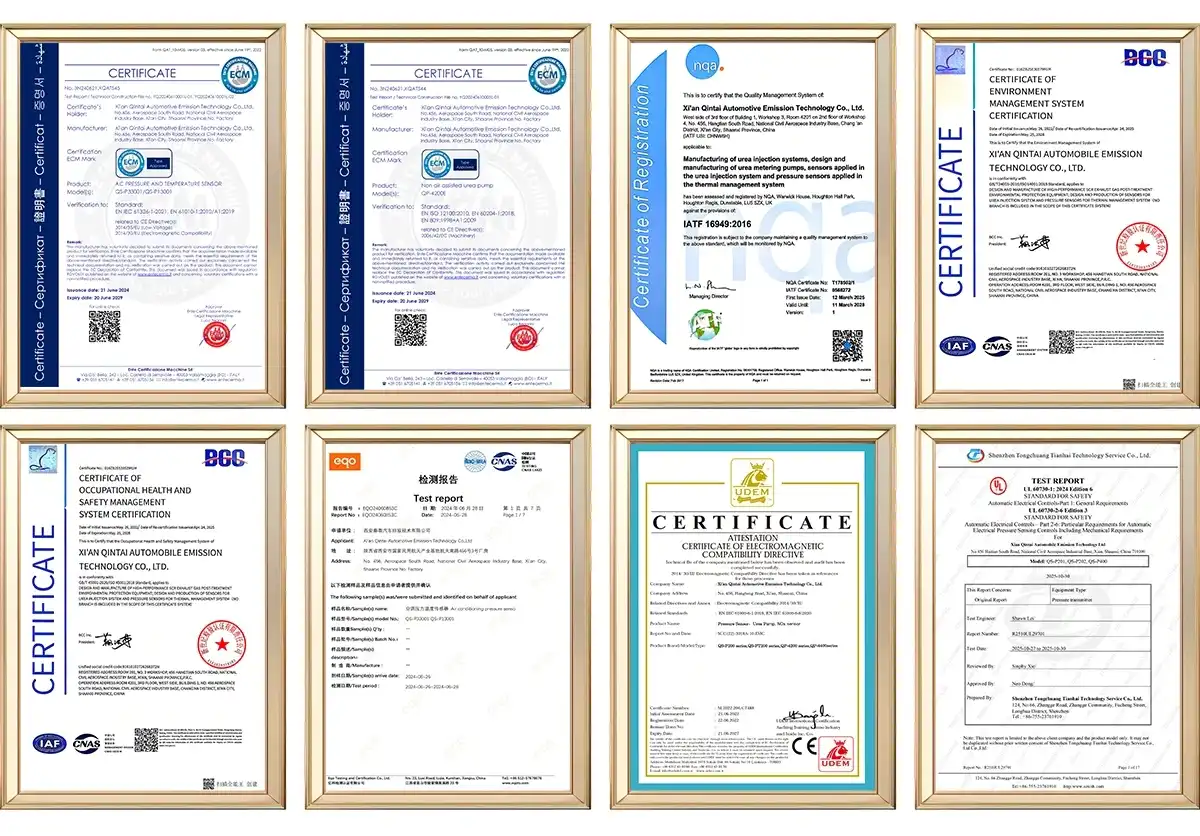
Qintai Automotive Emission Technology Co. Ltd is China's top OEM supplier and has more than 20 years of experience in SCR aftertreatment systems. Our Urea Pump Motors have small, combined designs that combine the pump, filter, and heater elements. They are very reliable and last a long time. Qintai parts meet strict global standards because they are certified to ISO9001, IATF16949, and foreign standards like CE and RoHS. We offer full OEM/ODM services, from the first design to mass production, and can customize our services to meet the needs of any application. Get in touch with our team at info@qt-sensor.com to talk about how Qintai can become your reliable Urea Pump Motor source, giving you top-notch technical support and cost-effective solutions for your industrial car platforms.
References
1. Society of Automotive Engineers, "Diesel Exhaust Aftertreatment Systems: Performance Requirements and Component Selection," SAE Technical Paper Series, 2022.
2. Environmental Protection Agency, "Heavy-Duty Highway Compression-Ignition Engines and Urban Buses: Exhaust Emission Standards," Federal Register Documentation, 2021.
3. International Council on Clean Transportation, "SCR System Component Reliability in Commercial Vehicle Applications: A Comparative Analysis," ICCT Working Paper, 2023.
4. American Trucking Associations Technology & Maintenance Council, "Recommended Practices for DEF System Maintenance and Troubleshooting," TMC Future Truck Committee Report, 2022.
5. Heavy Duty Manufacturers Association, "Emission Control Technology: OEM Component Specifications and Performance Standards," HDMA Technical Guidelines, 2023.
6. National Institute for Automotive Service Excellence, "Advanced Diesel Engine Emission Control Systems: Diagnostic and Repair Procedures," ASE Certification Study Materials, 2022.
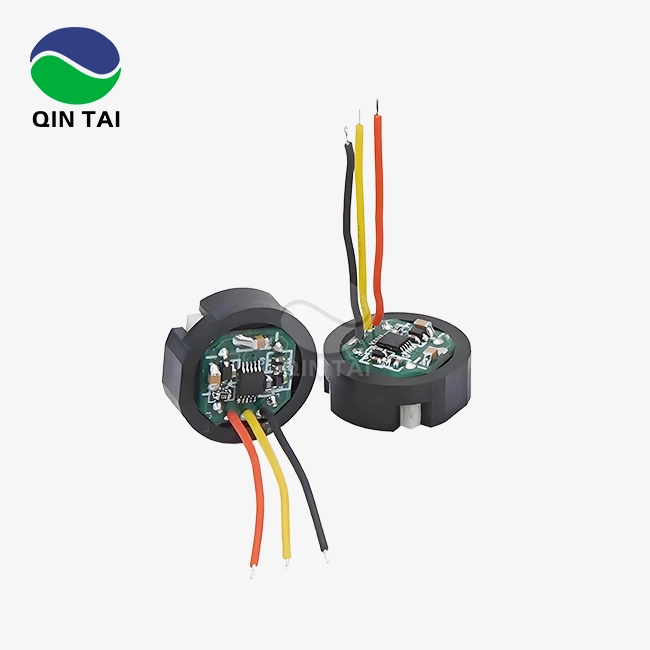
 Sensors.webp)
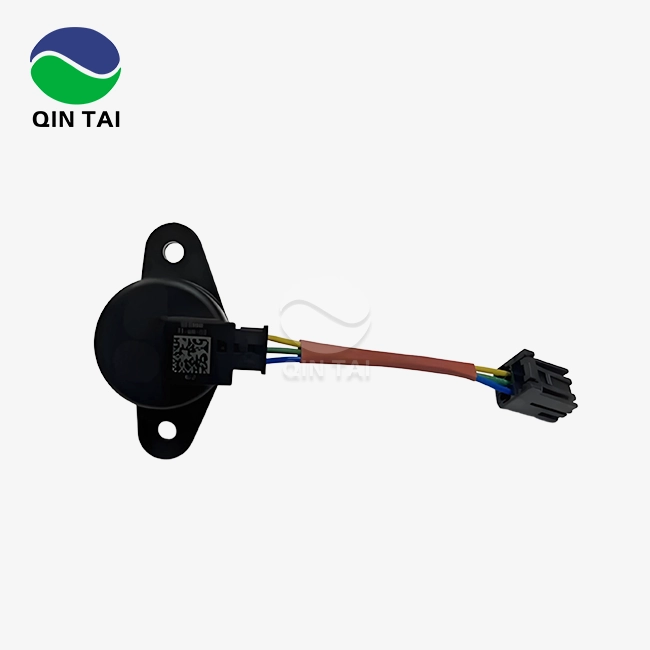

Our customers’ satisfaction speaks for our quality — contact us to experience the same reliable service.