- English
- French
- German
- Portuguese
- Spanish
- Russian
- Japanese
- Korean
- Arabic
- Greek
- German
- Turkish
- Italian
- Danish
- Romanian
- Indonesian
- Czech
- Afrikaans
- Swedish
- Polish
- Basque
- Catalan
- Esperanto
- Hindi
- Lao
- Albanian
- Amharic
- Armenian
- Azerbaijani
- Belarusian
- Bengali
- Bosnian
- Bulgarian
- Cebuano
- Chichewa
- Corsican
- Croatian
- Dutch
- Estonian
- Filipino
- Finnish
- Frisian
- Galician
- Georgian
- Gujarati
- Haitian
- Hausa
- Hawaiian
- Hebrew
- Hmong
- Hungarian
- Icelandic
- Igbo
- Javanese
- Kannada
- Kazakh
- Khmer
- Kurdish
- Kyrgyz
- Latin
- Latvian
- Lithuanian
- Luxembou..
- Macedonian
- Malagasy
- Malay
- Malayalam
- Maltese
- Maori
- Marathi
- Mongolian
- Burmese
- Nepali
- Norwegian
- Pashto
- Persian
- Punjabi
- Serbian
- Sesotho
- Sinhala
- Slovak
- Slovenian
- Somali
- Samoan
- Scots Gaelic
- Shona
- Sindhi
- Sundanese
- Swahili
- Tajik
- Tamil
- Telugu
- Thai
- Ukrainian
- Urdu
- Uzbek
- Vietnamese
- Welsh
- Xhosa
- Yiddish
- Yoruba
- Zulu
SCR Dosing System Guide for Commercial Vehicle Emission Control
The SCR dosing system injects diesel exhaust fluid (DEF) into the exhaust stream for the SCR catalyst to reduce nitrogen oxides (NOx) to nitrogen and water. In commercial vehicles, this system helps assess whether an engine fulfills EPA 2010 and Euro VI restrictions, how much gasoline it consumes and how frequently a truck stays in the shop. This book was written for OEM buying engineers, SQE teams and fleet purchasers who need to confidently choose components. It explains how the system works, how to compare designs, what faults to avoid, and how to vet a supplier.
Understanding the SCR Dosing System in Commercial Vehicles
What Is an SCR Dosing System?
An SCR dosing system is the hardware that controls the administration of DEF, also known as AdBlue or AUS 32, into the exhaust of a diesel engine. DEF is a 32.5 percent urea solution . The quality criteria for DEF are defined by ISO 22241. The heated exhaust then breaks down the urea into ammonia. Ammonia interacts with NOx on the SCR catalyst mostly to form nitrogen and water, along with some carbon dioxide. The dosing system is independent from the catalyst and the whole aftertreatment package, which might include a DOC, DPF, sensors and control units as well. Accurate dosing is critical for trucks, busses, construction equipment, and marine engines, impacting compliance, fuel consumption and uptime.
How Does an SCR Urea Dosing System Work?
It is a clear line of procedure. A pump or supply module takes DEF from the tank and creates pressure. The fluid is pumped via heated lines to an electronically controlled injector which atomizes it into the exhaust. The heat allows the droplets to evaporate and break down to ammonia before the gas reaches the catalyst. The control unit adapts the amount of dosage to the engine load, the exhaust flow, the temperature and the detected NOx. The spray, and hence the conversion, is maintained by stable pressure and excellent mixing. For example, published studies Koebel and colleagues, 2000 reveal NOx conversion rates exceeding 90 percent when temperature and dose are correct.
SCR Dosing System Components and Architecture
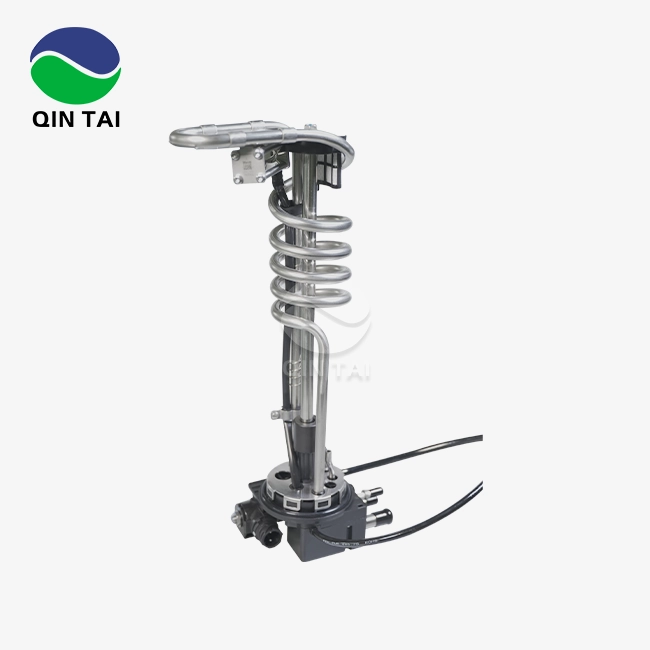
The basic design is: DEF tank, pump or supply module, filter, pressure sensor, heated lines, injector, mixer, SCR catalyst, ECU, wire harness, temperature and NOx sensors. The pump manages delivery, pressure, priming and purging. The injector manages spray time and amount. Engine and exhaust data is sent to the ECU which generates directives . Usually via CAN with closed loop NOx feedback . The tank has its own sensors for level, temperature and quality. When I evaluate a design I look at voltage, range of flow, stability of pressure, type of connection, resistance to crystallization. One replacement part without system-level integration testing may create a diagnostic error or emission issue.
Types of SCR Dosing Systems and Emission-Control Strategies
Types of SCR Dosing Systems: Technical Comparison
Atomization, control and application varied from system to system. Air-assisted designs employ compressed air to enhance atomization. Airless designs depend on pump pressure and injector geometry and often need less auxiliary gear. Mechanical dosing is easy to manage, but newer commercial vehicles often need electronic dosing that adapts to changing load and emissions conditions. Open-loop plans are based on calibrated maps. Closed-loop strategies are adjusted from the response of NOx sensors. Flow rates, ingress protection, communication protocols, and durability are variable for each SCR dosing system, whether it is a truck, bus, marine engine, generator set, or off-road equipment. Two pieces may seem the same yet not be interchangeable.
SCR Dosing System vs. EGR: Which Strategy Fits?
SCR and EGR reduce NOx in various places. EGR recirculates exhaust gasses into the intake, cooling the combustion. The SCR reduces NOx downstream by injecting DEF into the exhaust stream. On most diesel platforms the two are blended to balance emissions, fuel economy, thermal management and packaging. EGR may increase thermal complexity and intake fouling. <br/><br/> SCR promotes efficient combustion but needs DEF management and aftertreatment maintenance. Most truck producers have switched to SCR because of U.S. heavy-duty restrictions such as the EPA 2010 NOx limit of 0.2 g/bhp-hr. The proper combination relies on engine design, limitations, duty cycle, space and calibration. So I assess entire lifespan cost rather than rating one technology alone.
The Role of the Urea Dosing Pressure Sensor
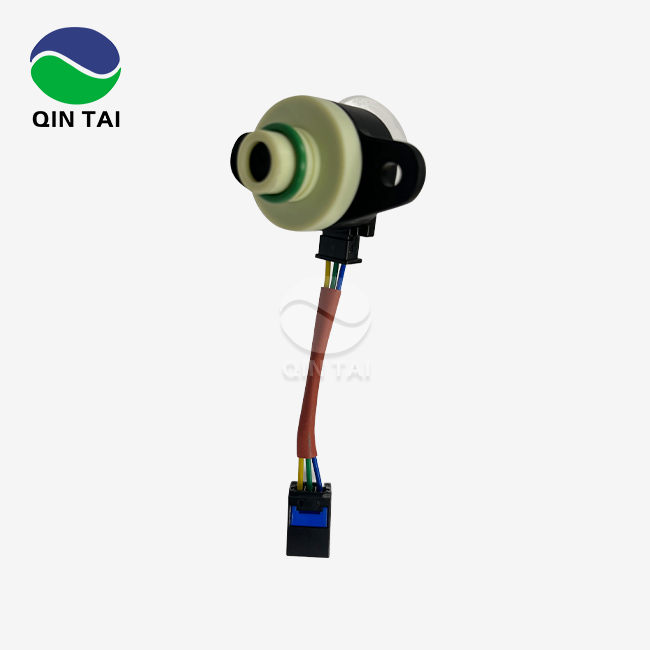
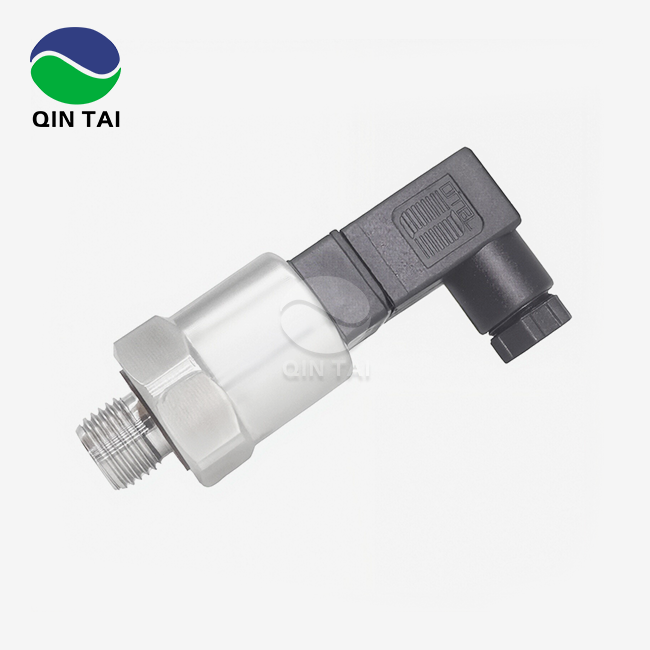
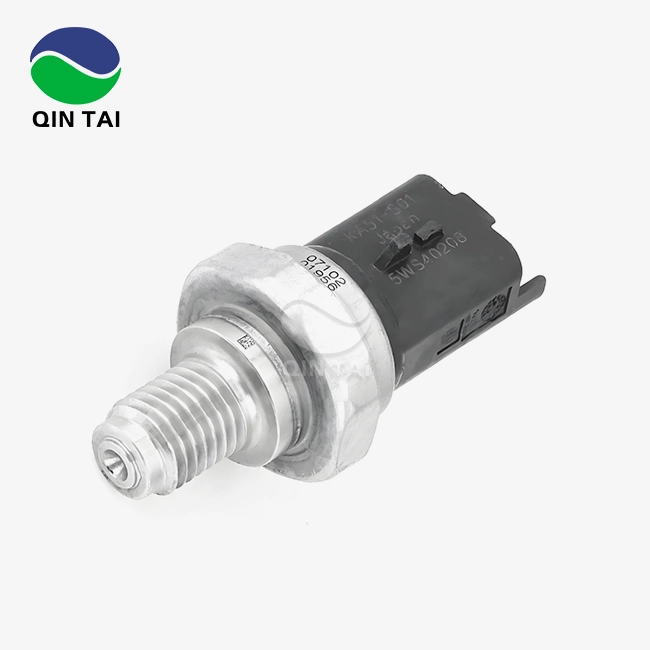
You either win or you lose dosage accuracy in pressure feedback. A urea pressure sensor supplies a real-time pressure data to the control unit, which provides the basis for a closed-loop dosing. A loss of pressure might mean leaks, obstructions or air in the line. Frozen AdBlue or a malfunctioning valve might cause overpressure. The same signal also allows technicians to spot flaws in pumps and injectors. Our Urea Dosing Pressure Sensor is designed with decreased dead volume and smooth flow channels to minimize stagnant urea and crystallization. It also features a flexible internal buffer that can handle the volume expansion of frozen urea. The ECU calibration should be adjusted to the 0.5-4.5 V or SENT output.
Selecting, Installing, and Maintaining an SCR Dosing System
How to Choose the Best SCR Dosing System for Diesel Engines?
Start with the application: engine power, displacement, exhaust flow, duty cycle, yearly running hours and climate. Then check flow rate, pressure range, voltage, injector response, freeze protection, connection arrangement, mounting dimensions and communications. Test for resistance to vibration, dampness, corrosion and crystallization. Don't look at pricing alone, look at OEM, aftermarket and custom choices and compare them on calibration, documentation, validation, availability and support. Total cost of ownership should include DEF usage, installation, down time, replacement parts, warranty and servicing. For OEM projects, I also inquire how the supplier supports DV and PV bench testing, since such work generally determines the pace of a protracted certification cycle.
SCR Dosing System Installation and Commissioning Guide
Before installation, verify the electrical ratings, fluid connections, mounting dimensions, software requirements and communication protocols for the SCR dosing system and part numbers. Install the pump and injector in the correct position and protect them against heat, impact, vibration, water and corrosive elements. Keep DEF lines free of kinks, abraded areas, trapped air, and unnecessary low spots. Insulate or heat lines where there is a potential for freezing. Grounding, fuse protection, CAN connections, shielding and pin assignments should be done according to an authorized wiring schematic. Next comes the commissioning phase, which includes priming, pressure and leak checks, injector activation, sensor verification and calibration, and a controlled-load or road test.
SCR Dosing System Maintenance and Troubleshooting
Routine inspections include DEF quality, tank cleanliness, filters, hot lines, connections, injector condition, crystallization, sensor signals and stored codes. Known problems include a non-starting pump, unstable pressure, blocked injectors, frozen or leaky lines, heater problems, sensor failures, ammonia slide and low NOx conversion. Diagnose in the following order: fluid level and quality, power supply, wiring, pump activation, inlet limitation, pressure, flow, injector, sensor feedback. Clean only according to the manufacturer’s specified process, since abrasive tools and improper chemicals might harm them. Clear fault codes only after addressing the fundamental cause and confirming performance.

Improving Reliability and Avoiding Costly Errors
How to Improve SCR Dosing Efficiency and System Reliability?
The performance is sensitive to the accuracy of the dosing, stability of the pressure, quality of the atomization, availability of sufficient exhaust temperature, reliability of the sensors and sufficient mixing upstream of the catalyst. Common bottlenecks include limited flow, poor injector spray, low temperature operation, improper calibration, mismatched components, and deposits. Calibrate dosage for cold-start, transient, steady-state, and high-load circumstances and apply closed-loop feedback if the design allows. Fleets may standardize DEF storage, educate technicians, store crucial spares and monitor recurrent problems by vehicle, area and duty cycle. I monitor five metrics: NOx conversion, DEF usage, pressure stability, fault frequency and downtime.
Common SCR Dosing System Mistakes and How to Avoid Them
The most typical mistake in procurement is to choose a part based just on its look, size or connection. Compatibility also relies on flow, pressure, spray pattern, voltage, calibration, communication and fluid materials. Low pressure problem does not necessarily signify a faulty pump. Blocked filters, frozen lines, air leaks, injector limits, wiring failures and drifting sensors might all seem the same. Bad DEF management produces contamination and deposits and repeated code clears just mask issues that persist. Evaluate full circuit, use authorized DEF, follow approved diagnostic techniques and compare life cycle cost rather than original price.
Buying an SCR Dosing System: Price, Supply, and Customization
The cost of an SCR dosing system depends on pump and injector design, flow and pressure requirements, heating functions, sensors, ECU integration, materials, durability, testing, certification, custom design, order volume and delivery location. A comprehensive kit will reduce the possibility of incompatibility and installation problems, but individual pumps, injectors or lines may be cheaper if you know your fleet maintenance. Ask for drawings, wiring data, flow-pressure curves, fluid compatibility data, warranty conditions, MOQ, lead times and spare-parts policy. For bespoke projects, include engine data, installation limitations, voltage, protocol, environment and estimated volume. Then follow a phased sequence of prototype, testing, validation and production release.
Choosing a Supplier and Making the Decision
Selecting a Qualified SCR Dosing System Manufacturer or Supplier
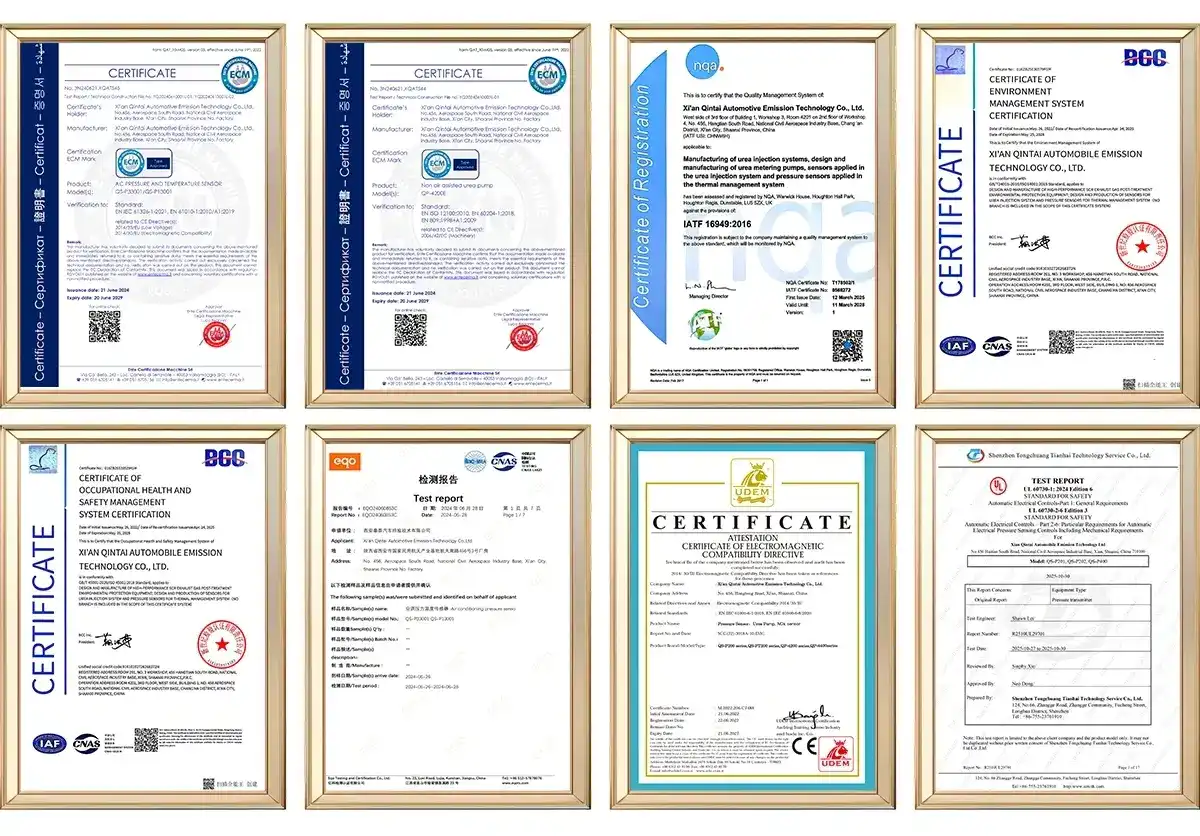
A strong supplier has engineering expertise in pumps, injectors, controllers, software, testing, calibration and integration. And it has expertise with prototypes, small batches and large manufacturing. Ask for: quality system certifications, DEF compatibility data, pressure and flow results, vibration and endurance testing, corrosion reports, leak inspection records, traceability and change control methods. OEM teams should also ask for PPAP and APQP papers. Check supported engines & ECUs, warranty handling, failure analysis, drawings, MOQ, lead time, export support, replacement parts. For long-term collaborations, the ideal approach is to have authorized product lists, revision control, performance evaluations and defined escalation pathways. A dual-source arrangement also guards against delivery interruptions in the event of a line failure.
Practical Decision Guide for Global B2B Buyers
Select one that matches your job. Fleet operators concern about uptime, serviceability, operating cost and availability of parts. OEMs want integration, calibration, validation and traceability. Distributors will want to see product coverage, paperwork, packaging, warranty and lead-time assurance. Marine and industrial users tend to rank higher corrosion resistance, vibration protection and humidity tolerance. Make a comparison table including application, flow, pressure, voltage, protocol, environmental ratings, certifications, MOQ, warranty, lead time and total cost. Select a comprehensive and verified kit with a high risk of integration. Only use single replacements after technical validation of compatibility.
Why Buyers Work With Qintai?
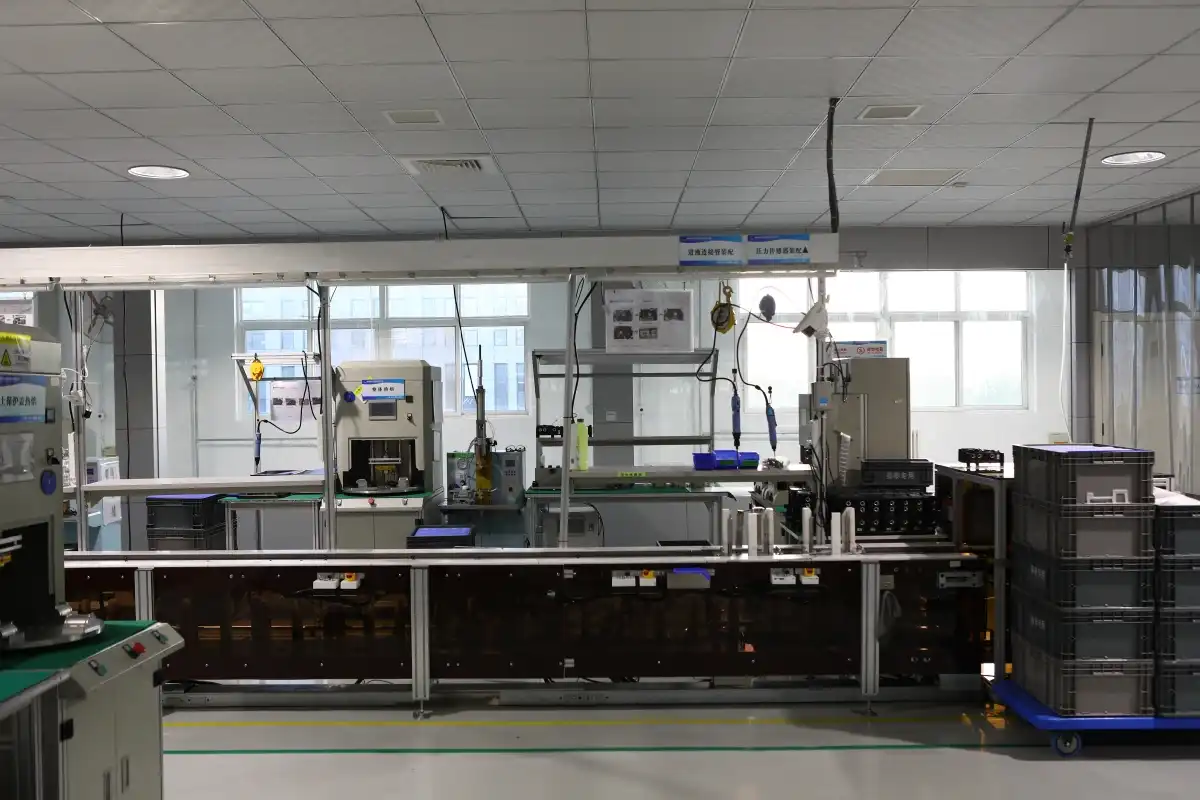
Xi'an Qintai Automotive Emission Technology Co., Ltd., established in 2001, is a national high-tech firm. We are providing R&D, production, sales and after service for diesel engine SCR aftertreatment product and sensors, notably pressure sensor. We are certified with ISO 9001, IATF 16949, CMC, Ex, UL, CE, REACH and RoHS. We submitted for 58 innovation patents. We are a main supplier of Weichai Power, Yuchai Power and Quanchai Power with the No. 1 China market share. We have sales in over 60 countries and territories. We provide OEM and ODM service, supporting customization from design to mass manufacturing.
Conclusion
An SCR dosing system transforms NOx by supplying DEF in the proper quantity, at the right pressure and in the right spray pattern. The handbook illustrated how pumps, injectors, sensors and ECUs function together, and the appropriateness of electronic, closed-loop systems for current commercial engines. SCR and EGR typically go together on the same platform, therefore the decision comes down to engine design, emission limitations, duty cycle and life cycle cost. Pressure sensing enables correct dosage and quicker diagnosis. The right choice, installation and service rely on confirmed specs, compatible DEF, and full circuit diagnosis—not just looks or pricing. Supplier certification will be based on documented testing, traceability and quality processes, compared in a structured table.
FAQ
Q1: What does an SCR dosing system do?
A: It injects DEF into the exhaust so the catalyst can convert NOx into nitrogen and water. DEF, AdBlue, and AUS 32 all describe the same 32.5 percent urea solution.
Q2: How can I prevent AdBlue crystallization?
A: Use compliant DEF, handle it cleanly, manage temperature correctly, and keep atomization proper. Follow approved purge procedures. A sensor with minimized dead volume also limits stagnant urea.
Q3: Can one pressure sensor work with different SCR brands?
A: Threads such as M10x1 or M12x1.5 are often standardized. However, the output signal, either 0.5–4.5 V or SENT, must match the specific ECU calibration.
Q4: What service life can I expect from the sensor?
A: Our Urea Dosing Pressure Sensor is designed for at least 15,000 to 20,000 operating hours in standard commercial applications.
Request an SCR Dosing System Quotation From Qintai
Qintai supports OEM, ODM, and custom projects for diesel engine makers and fleet buyers worldwide. If you are comparing an SCR dosing system manufacturer for a new platform or a replacement program, send your engine model, current part number, flow, pressure, voltage, and target volume to info@qt-sensor.com. Our IATF 16949 certified team will review compatibility and reply with options and a quotation.
References
1. U.S. Environmental Protection Agency, Control of Air Pollution From New Motor Vehicles: Heavy-Duty Engine and Vehicle Standards and Highway Diesel Fuel Sulfur Control Requirements, 2001
2. U.S. Environmental Protection Agency, Control of Air Pollution From New Motor Vehicles: Heavy-Duty Engine and Vehicle Standards, 2023
3. International Organization for Standardization, ISO 22241-1: Diesel Engines — NOx Reduction Agent AUS 32 — Part 1: Quality Requirements, 2019
4. Koebel, M., Elsener, M., and Kleemann, M., Urea-SCR: A Promising Technique to Reduce NOx Emissions From Automotive Diesel Engines, Catalysis Today, 2000
5. International Automotive Task Force, IATF 16949: Automotive Quality Management System Standard, 2016
6. European Parliament and Council, Regulation (EC) No 595/2009 on Type-Approval of Motor Vehicles and Engines With Respect to Emissions From Heavy-Duty Vehicles (Euro VI), 2009

Our customers’ satisfaction speaks for our quality — contact us to experience the same reliable service.