- English
- French
- German
- Portuguese
- Spanish
- Russian
- Japanese
- Korean
- Arabic
- Greek
- German
- Turkish
- Italian
- Danish
- Romanian
- Indonesian
- Czech
- Afrikaans
- Swedish
- Polish
- Basque
- Catalan
- Esperanto
- Hindi
- Lao
- Albanian
- Amharic
- Armenian
- Azerbaijani
- Belarusian
- Bengali
- Bosnian
- Bulgarian
- Cebuano
- Chichewa
- Corsican
- Croatian
- Dutch
- Estonian
- Filipino
- Finnish
- Frisian
- Galician
- Georgian
- Gujarati
- Haitian
- Hausa
- Hawaiian
- Hebrew
- Hmong
- Hungarian
- Icelandic
- Igbo
- Javanese
- Kannada
- Kazakh
- Khmer
- Kurdish
- Kyrgyz
- Latin
- Latvian
- Lithuanian
- Luxembou..
- Macedonian
- Malagasy
- Malay
- Malayalam
- Maltese
- Maori
- Marathi
- Mongolian
- Burmese
- Nepali
- Norwegian
- Pashto
- Persian
- Punjabi
- Serbian
- Sesotho
- Sinhala
- Slovak
- Slovenian
- Somali
- Samoan
- Scots Gaelic
- Shona
- Sindhi
- Sundanese
- Swahili
- Tajik
- Tamil
- Telugu
- Thai
- Ukrainian
- Urdu
- Uzbek
- Vietnamese
- Welsh
- Xhosa
- Yiddish
- Yoruba
- Zulu
Why China Chooses Urea Doser Pumps for Clean Diesel Systems
What is urea doser pump? The urea doser pump is used in China for clean diesel systems because it delivers diesel exhaust fluid (DEF) or sometimes known as AdBlue or AUS 32 to the SCR injector at a regulated pressure and flow. This exact delivery allows selective catalytic reduction (SCR) to turn hazardous nitrogen oxides (NOx) into harmless nitrogen and water. Buyers are gravitating to this item due to tighter diesel restrictions, severe duty cycles and a narrow component supply base. In this article, I’ll explain how the pump works, why China needs it, how to pick and test it, and what U.S. distributors should look for before buying.
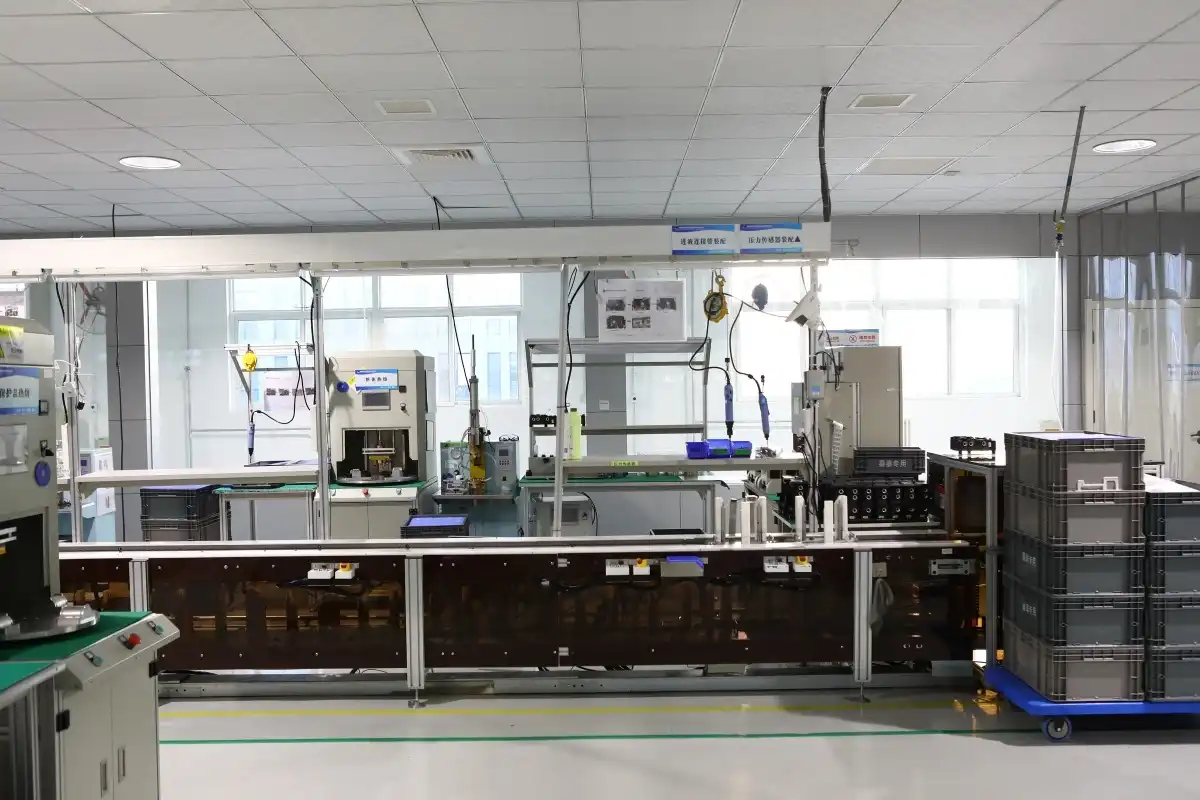
What Is a Urea Doser Pump and How Does It Work?
The Role of the Pump in an SCR System
A urea doser pump transports the DEF from the storage tank to the SCR injector. The engine control unit (ECU) reads engine load, exhaust temperature and NOx data. It then informs the pump how much fluid to flow and when to run it. The injector shoots the fluid into the exhaust stream and heat causes it to convert into ammonia. The ammonia combines with the NOx on the SCR catalyst and forms nitrogen and water. Technical sources indicate that SCR reduces NOx by as much as 90%. That process revolves around the pump, hence a minor deviation in pressure or flow might alter emission outcomes.
Main Parts of a Dosing System
More than just the pump makes up a whole SCR dosing system. I often identify six major components, the DEF tank, pump or delivery module, filter, sensors, heater and the injector and its control module. Delivery lines link them together. DEF is a 32.5% urea solution in deionized water according to ISO 22241, and freezes at around −11 °C (12 °F). That is why heaters and thaw control are important in cold places such as the northern United States. Every element impacts the others, thus a bad filter or old connection might manifest as a pump failure while you are trouble shooting the issue.
Pump Types, Voltage, and Drive Methods
Urea doser pumps are characterized by driving technique, voltage and flow. Diaphragm, peristaltic and plunger pumps are common designs. In car systems, electric ones are dominant because they can be readily connected to the ECU and can be precisely controlled. Some industrial applications employ pneumatic designs. Voltage matters too. 12V pump is generally for light commercial or agricultural equipment. 24V is prevalent on vehicles, busses and construction equipments. I also make a distinction between OEM-grade and aftermarket components, and between standard-flow and high-flow versions. The appropriate match is the whole SCR system, not one pressure or flow value on a datasheet.
Why China Is Increasingly Adopting Urea Doser Pumps for Clean Diesel Systems?
Stricter Emission Rules Drive SCR Adoption
Heavy-duty diesel vehicle China VI regulations were nationally implemented in July 2021. These constraints have led most diesel truck and bus engines to use SCR aftertreatment. Rules for non-road machinery have been tightened, putting construction, agricultural and port equipment on the same track. The United States has been down this road before. The EPA 2010 heavy-duty standard established a NOx limit of 0.20 g/bhp-hr. SCR with DEF became the popular response, and the urea doser pump became a central part of that system. That common history is important to U.S. distributors, since the need for dosing parts increases as SCR-equipped fleets age and collect miles.
Demanding Duty Cycles Need Stable DEF Delivery
SCR equipped fleets in China work hard. Trucks work long hours, construction machinery are exposed to dust and vibration, and busses are stop and go traffic. DEF may freeze and urea can crystallize in cold lines, and the tension is compounded by seasonal temperature changes. A reliable urea dosing pump will provide a consistent supply of DEF under these loads without impacting engine performance or fuel efficiency. Bad delivery may cause error codes and on many engines that restricts power. Hence the Chinese engine manufacturers take the pump, the sensors and the heaters as one tested package. U.S. fleets are subject to the identical circumstances, thus the lessons are immediately transferable.
Manufacturing Scale and Supply Networks
China’s argument extends beyond rule-making. Engine builders, sensor factories and component suppliers are clustered together. Engineers may test a pump with the sensor, harness and controller in the same location, which can decrease sample cycles. Connectors, voltage or flow range changes are also quicker. That network assists wholesalers with stable supply and flexible orders. Still I recommend reviewing pricing together with test results, material quality, traceability and conditions of guarantee. Low unit cost only matters if the part stays in the field.
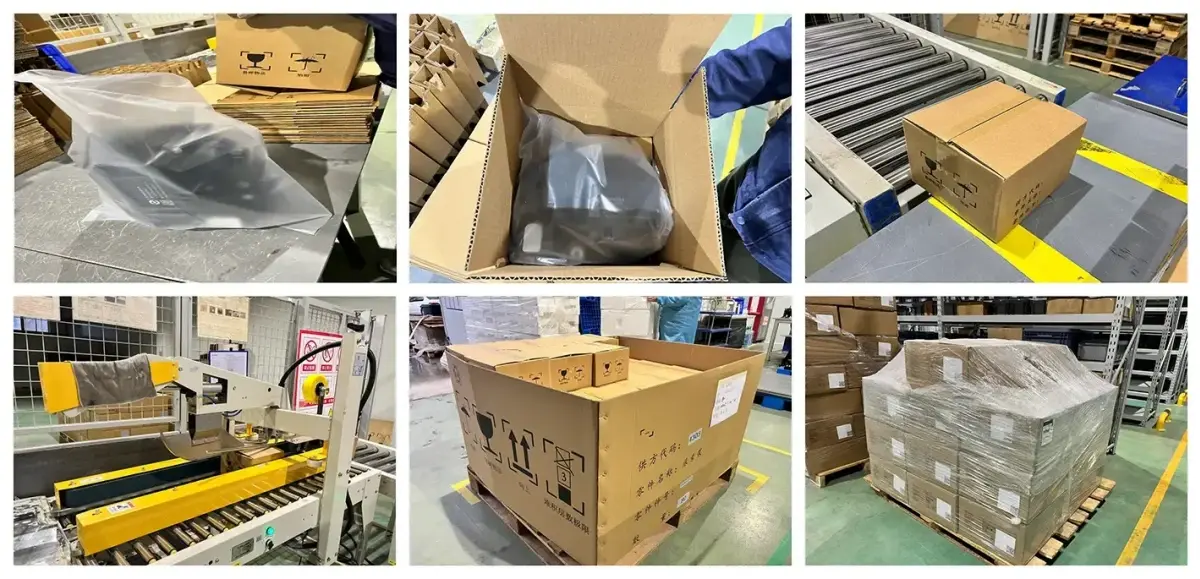
How to Choose and Verify the Best Urea Doser Pump for Diesel Engines?
Match the Pump to the Application
Begin with the engine. And the duties. Please note the engine model, hours, environment, dust levels and quality of DEF. Then check the electrical details: supply voltage (12V or 24V), current draw, connection type, communication protocol, pressure feedback, and fault-code functionality. Performance evaluations should include flow stability, pressure range, priming, dry-run protection, suction lift, reaction time, noise and vibration. Wetted parts must be resistant to DEF and crystallization. I also need a cross reference list to OE numbers for aftermarket work since counter personnel and parts catalogs rely on proper fitment data.
Test Samples Before a Bulk Order
Never authorize a manufacturing order based on a datasheet. Order samples and test them under near genuine application settings. Log flow consistency, pressure stability, priming time, start-stop cycle and operating across the projected temperature range for the urea doser pump. Reliability testing should encompass vibration, shock, dust, moisture, thermal cycling, freeze/thaw cycling and extended term operating. Also check heating, controlled thawing, drain-back and crystal resistance since DEF freezes at around −11°C. Usually distributors will start with a sample test, then place a trial purchase for a pallet or two, and then restock quarterly. That strategy reduces financial risk as you validate field findings.
Request the Right Documents
Good documentation equals a good pump. Data sheets, drawings, wiring information, test reports, material specifications, warranty information, packing information, and shipping documentation are required. Ask the supplier about their quality system credentials (ISO 9001, IATF 16949 etc.). If your clients need REACH and RoHS documentation, ask for them too. Also inquire whether the design is original and if the provider has patents of their own, since this reduces intellectual property risk. Keep these files with each part number. Your team can address technical questions from fleet or shop with records, not guesswork.
Urea Doser Pump Installation, Maintenance, and Troubleshooting
Installation Steps That Protect Accuracy
Correct installation preserves the dosing accuracy. I go by this order: verify the spec, secure the pump, connect the intake and outlet lines, fit filters or check valves, make the electrical connections, and protect the hoses from heat and abrasion. Then prime the system and examine every joint for leakage. Use only clean DEF. Keep tools and containers clear of gasoline, oil and tap water since these may contaminate the fluid and harm the pump. A cautious first start saves a lot of early warranty claims.
Routine Maintenance Checks
Routine checkups ensure reliable SCR dosing system operation. Check filters, hoses and connections and also heater performance at each service. Look for white crystal deposits around lines and fittings. These are signs of tiny leaks or poor thawing. Check the pressure and flow against the manufacturer’s data and examine the fault history, as repeated codes might indicate a growing issue. Change the DEF filter on a timetable determined by the engine manufacturer. Fleet clients like this easy criteria and your technical staff may pass it on to create confidence and ensure repeat parts purchases.
Troubleshooting Common Faults
Typical issues with a urea doser pump include power loss, limited lines, unstable pressure, leaky seals, freezing and communication failures. First look at it visually, then test the voltage at the connector — low voltage might look just like a bad pump. Next, check the fault codes and ensure the pump is priming. Compare the findings with the manufacturer’s specs. A blocked filter or crystallized line is a straightforward repair, while a pump with internal wear or a failing motor has to be replaced. This saves time and prevents good parts from being swapped out unnecessarily.
Why Work with an Experienced China Urea Doser Pump Manufacturer?
Qintai's OEM Background
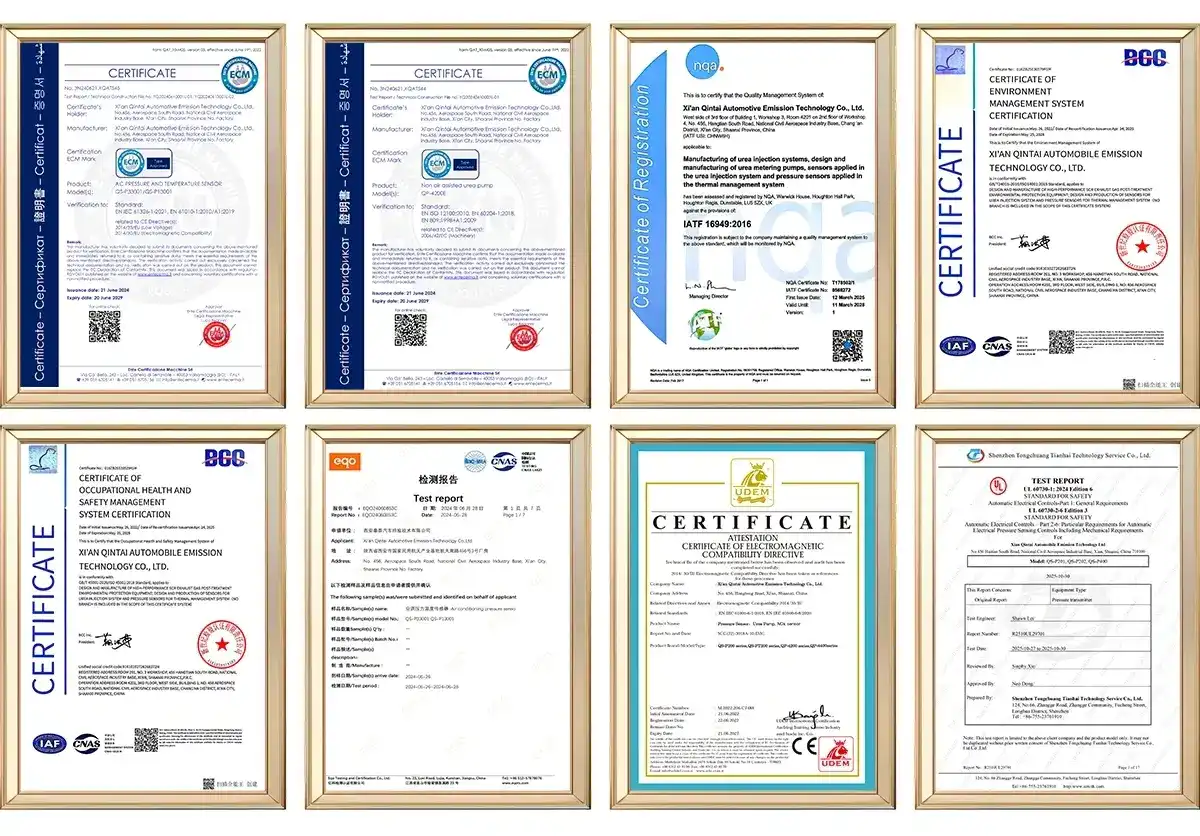
Xi'an Qintai Automotive Emission Technology Co., Ltd. was formed in 2001, is a national high-tech firm. We are in charge of R&D, production, sales and after sales service of diesel engine SCR aftertreatment parts and sensors, mainly pressure sensors. We are main supplier to Weichai Power, Yuchai Power and Quanchai Power. We possess ISO 9001, IATF 16949, CMC, Ex, UL, CE, REACH and RoHS certifications. We have submitted for 58 innovation patents. Our goods have been sold to more than 60 nations and areas. That record illustrates how we run quality processes and export work.
Customization and Technical Support
Here are the core advantages we offer distributors and OEM buyers:
- Independent R&D: Our own engineering staff constantly increasing the performance and dependability of the products. If your engine platform, voltage or connection changes we can adapt the design and answer technical issues with data from our own testing, shortening the time to get a clear response that your sales and support team can provide to workshops.
- OEM and ODM service: We offer product design and mass manufacturing . A distributor may request private label packaging and labeling. An OEM team might request bespoke dimensions, mounting features, connections or communication functionalities. From initial sample to volume order, we tailor each project to the application and to your requirements.
- Compliance documentation & support: We are ISO 9001, IATF 16949, REACH and RoHS certified and can provide datasheets, drawings and test information on request. Then your buying and technical teams may check each item against your own approval requirements before a trial order. This makes the approval stage quick and sweet.
These advantages address the usual concerns about slow technical replies and unclear paperwork.
Procurement Checklist: Samples, MOQ, Lead Time, and Warranty
Before ordering, include the equipment type, engine data, voltage and flow and pressure goals, DEF compatibility, temperature range, dimensions and connections. Then question each supplier about factory identification, quality methods, sample results, warranty, manufacturing lead time, minimum order quantity, replacement policy and export assistance. Compare the pricing on a total-cost basis including tooling expenses, packaging, payment arrangements, inspection standards, Incoterms, and delivery dates. Most ocean freight programs allow around 30 to 45 days to prepare stock, so plan your quarterly reorders early. Note the specification agreed on the Purchase Order.
Conclusion
The urea doser pump supplies DEF to the SCR injector at a regulated pressure and flow, enabling SCR systems to reduce NOx emissions by up to 90%. China’s is the same as the U.S. route post-EPA 2010 with tight China VI regulations, harsh duty cycles and a tight network of engine and component manufacturers. Buyers must match voltage, flow and interface with the whole SCR system. They should then test samples under vibration, dust and freeze-thaw conditions prior to placing a large purchase. Proper installation, regular inspections and a logical fault-finding sequence will safeguard service life. Price is important but paperwork, traceability, warranty conditions and supplier capabilities determine if a purchase will function in the field.
FAQ
Q1: What does a urea doser pump do?
A: It pressurizes DEF and sends a controlled amount to the SCR injector. The injector sprays the fluid into the exhaust, where it helps convert NOx into nitrogen and water.
Q2: How do I choose between a 12V and a 24V pump?
A: Match the pump to the electrical system of the machine. The 12V pump is often used in light commercial and agricultural equipment whereas 24V units are used in vehicles, busses and construction machinery. Check voltage in OE data before ordering.
Q3: What causes a urea doser pump to fail?
A: Common reasons include wiring failures, clogged filters, crystallization, freezing, low voltage and internal wear. First check voltage and filters. Cleaning may help to unclog lines, but interior damage often requires replacement.
Q4: What information should I send for a custom pump?
A: Send the equipment model, engine data, voltage, flow and pressure objectives, connection requirements, yearly volume, and country of destination. This allows the engineer to provide a matched choice quicker.

Talk with Qintai About Your Urea Doser Pump Project
Qintai, a national high-tech enterprise founded in 2001, supports OEM and ODM programs for SCR aftertreatment parts. If you want a urea doser pump manufacturer with ISO 9001 and IATF 16949 certificates, 58 invention patent applications, and export experience in more than 60 countries and regions, send your application details to info@qt-sensor.com for samples and a quotation.
References
1. International Organization for Standardization, ISO 22241-1: Diesel Engines – NOx Reduction Agent AUS 32 – Part 1: Quality Requirements, 2019
2. U.S. Environmental Protection Agency, Control of Air Pollution from New Motor Vehicles: Heavy-Duty Engine and Vehicle Standards and Highway Diesel Fuel Sulfur Control Requirements, Federal Register, 2001
3. International Council on Clean Transportation, China's Stage VI Emission Standard for Heavy-Duty Vehicles (Final Rule), 2018
4. Ministry of Ecology and Environment of China, GB 17691-2018 Limits and Measurement Methods for Emissions from Diesel Fuelled Heavy-Duty Vehicles (China VI), 2018
5. SAE International, Diesel Emission Control in Review, 2009
6. Ministry of Ecology and Environment of China, China Mobile Source Environmental Management Annual Report, 2022
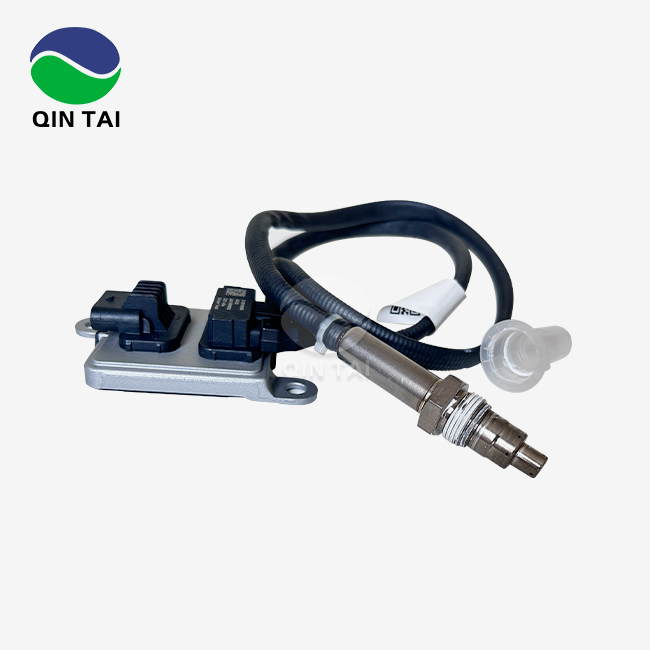
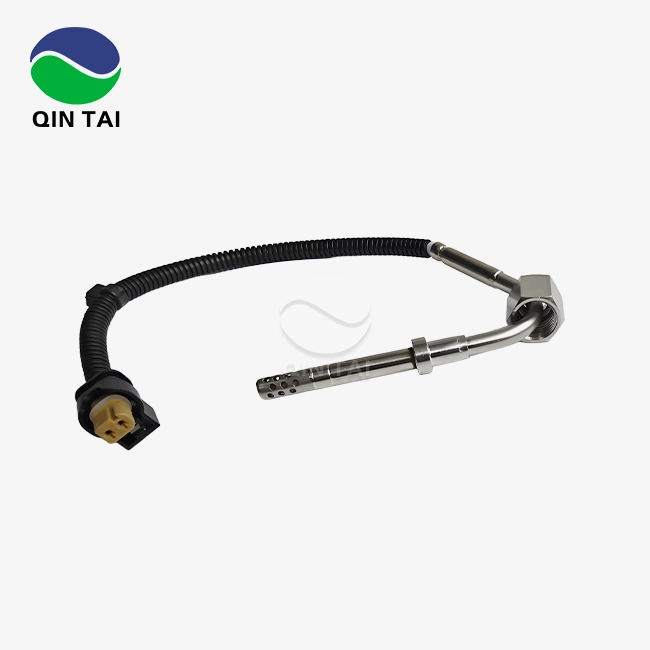
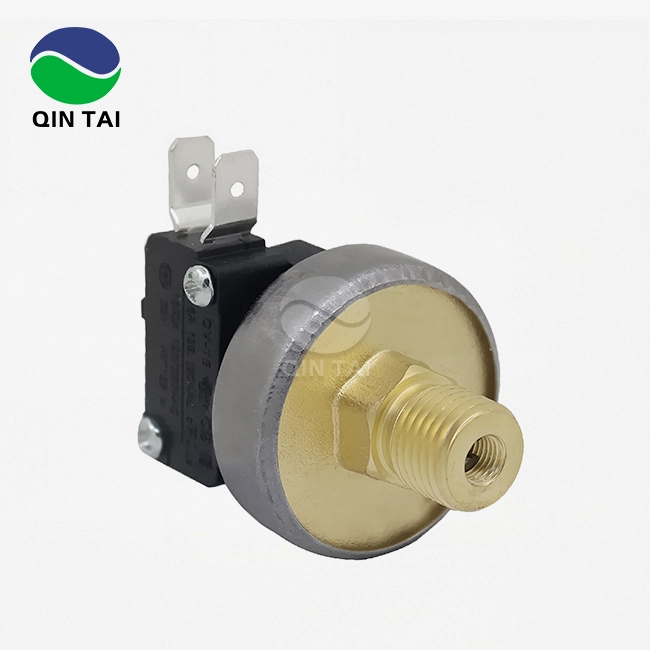
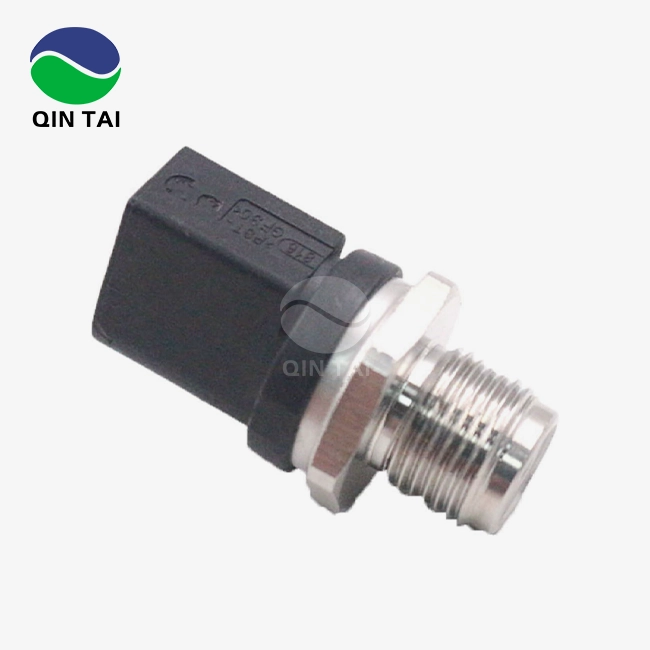

Our customers’ satisfaction speaks for our quality — contact us to experience the same reliable service.