- English
- French
- German
- Portuguese
- Spanish
- Russian
- Japanese
- Korean
- Arabic
- Greek
- German
- Turkish
- Italian
- Danish
- Romanian
- Indonesian
- Czech
- Afrikaans
- Swedish
- Polish
- Basque
- Catalan
- Esperanto
- Hindi
- Lao
- Albanian
- Amharic
- Armenian
- Azerbaijani
- Belarusian
- Bengali
- Bosnian
- Bulgarian
- Cebuano
- Chichewa
- Corsican
- Croatian
- Dutch
- Estonian
- Filipino
- Finnish
- Frisian
- Galician
- Georgian
- Gujarati
- Haitian
- Hausa
- Hawaiian
- Hebrew
- Hmong
- Hungarian
- Icelandic
- Igbo
- Javanese
- Kannada
- Kazakh
- Khmer
- Kurdish
- Kyrgyz
- Latin
- Latvian
- Lithuanian
- Luxembou..
- Macedonian
- Malagasy
- Malay
- Malayalam
- Maltese
- Maori
- Marathi
- Mongolian
- Burmese
- Nepali
- Norwegian
- Pashto
- Persian
- Punjabi
- Serbian
- Sesotho
- Sinhala
- Slovak
- Slovenian
- Somali
- Samoan
- Scots Gaelic
- Shona
- Sindhi
- Sundanese
- Swahili
- Tajik
- Tamil
- Telugu
- Thai
- Ukrainian
- Urdu
- Uzbek
- Vietnamese
- Welsh
- Xhosa
- Yiddish
- Yoruba
- Zulu
Top Smart Pressure Monitoring Devices for Industrial Applications
When it comes to running heavy-duty industrial operations reliably, a smart pressure monitoring device is no longer optional — it's a core component of a functional system. These advanced sensors combine real-time data acquisition, IoT connectivity, and automated diagnostics to give engineers and procurement managers the visibility they need to prevent failures before they happen. Whether you're managing diesel engine aftertreatment systems, SCR/DPF assemblies, generator sets, or construction machinery fleets, the right pressure sensor directly impacts uptime, compliance, and long-term cost efficiency.
Understanding Smart Pressure Monitoring Devices in Industry
How These Devices Work
Unlike traditional analog sensors, smart pressure monitoring devices send real-time data directly to centralized tracking platforms or car ECUs. They can accurately measure differential, gauge, or absolute pressure and let you know when readings go outside of safe limits. Differential pressure sensors help OEMs and integrators stay in line with China VI and Euro VI standards by keeping an eye on how much soot builds up in emission-critical systems like diesel particulate filter (DPF) systems and starting regeneration cycles.
Key Industrial Applications
Smart pressure sensors are useful in many fields besides cars. The main places where these devices make a noticeable difference are listed below:
- Heavy trucks and diesel engines: Monitoring of exhaust backpressure and differential pressure in heavy cars and diesel engines makes sure that strict pollution rules are followed. System failures during long haul rounds can be avoided by getting accurate information.
- Construction and agricultural machinery: These tools work in situations with a lot of dust, vibration, and heat. Industrial-grade pressure sensors that are protected by IP67 keep the signal strong when other units fail.
- Generator sets in mines and power plants: Sensors that can work continuously need to have long service gaps, stable output even when the load changes, and a history of being able to handle difficult environmental conditions.
- SCR/DPF aftertreatment integrators: System integrators need sensors with adaptable output protocols (0–5V, 4–20mA, CAN bus) and adjustable parameters to make sure they can work with a variety of ECU architectures.
When buying pressure monitoring hardware, these uses show why procurement teams in both OEM and aftermarket sectors put an emphasis on sensor reliability, certifications, and supplier consistency, smart pressure monitoring device integration being a prime example of how embedded intelligence enhances real-time diagnostics and predictive maintenance without compromising core performance metrics.
Top Smart Pressure Monitoring Devices for Industrial Applications
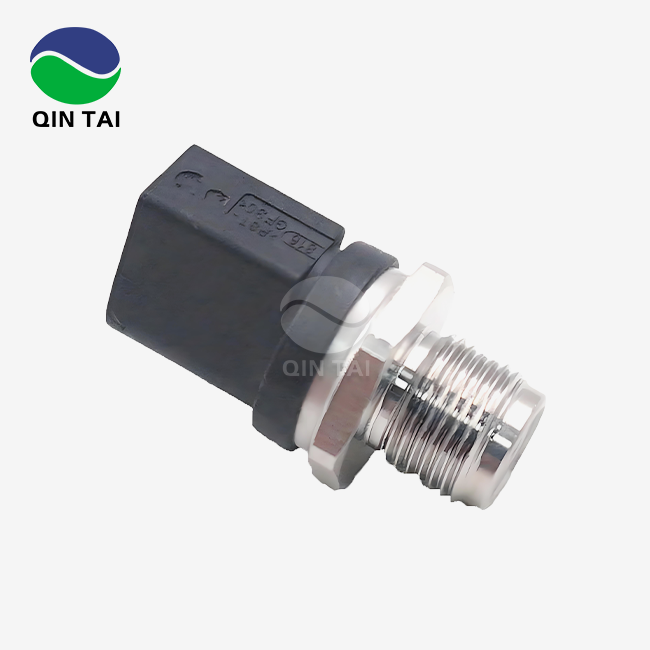
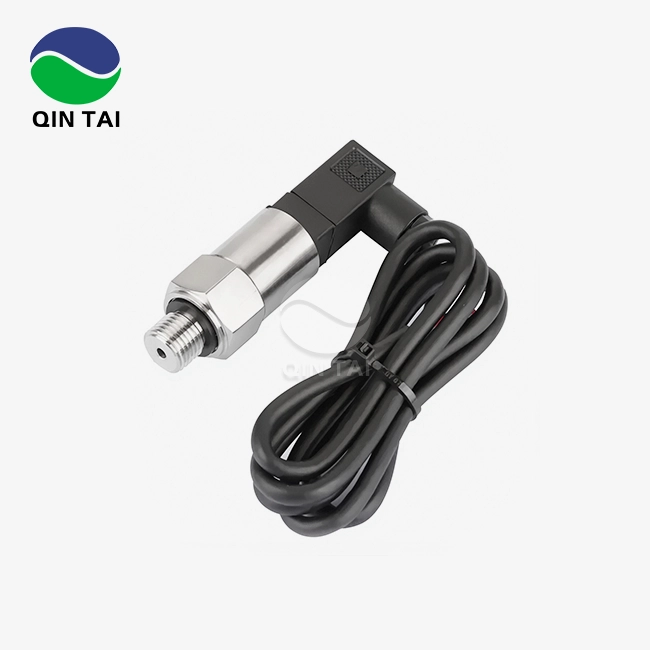
Qintai Differential Pressure Sensor for DPF/SCR Systems
Qintai was founded in 2001 and has its headquarters in Xi'an, China. It has made a full line of differential pressure sensors that are designed to work with diesel engine aftertreatment. Weichai Power, Yuchai Power, and Quanchai Power are some of Qintai's major partners. They are the No. 1 OEM seller in China for pressure sensors used in diesel emissions systems.
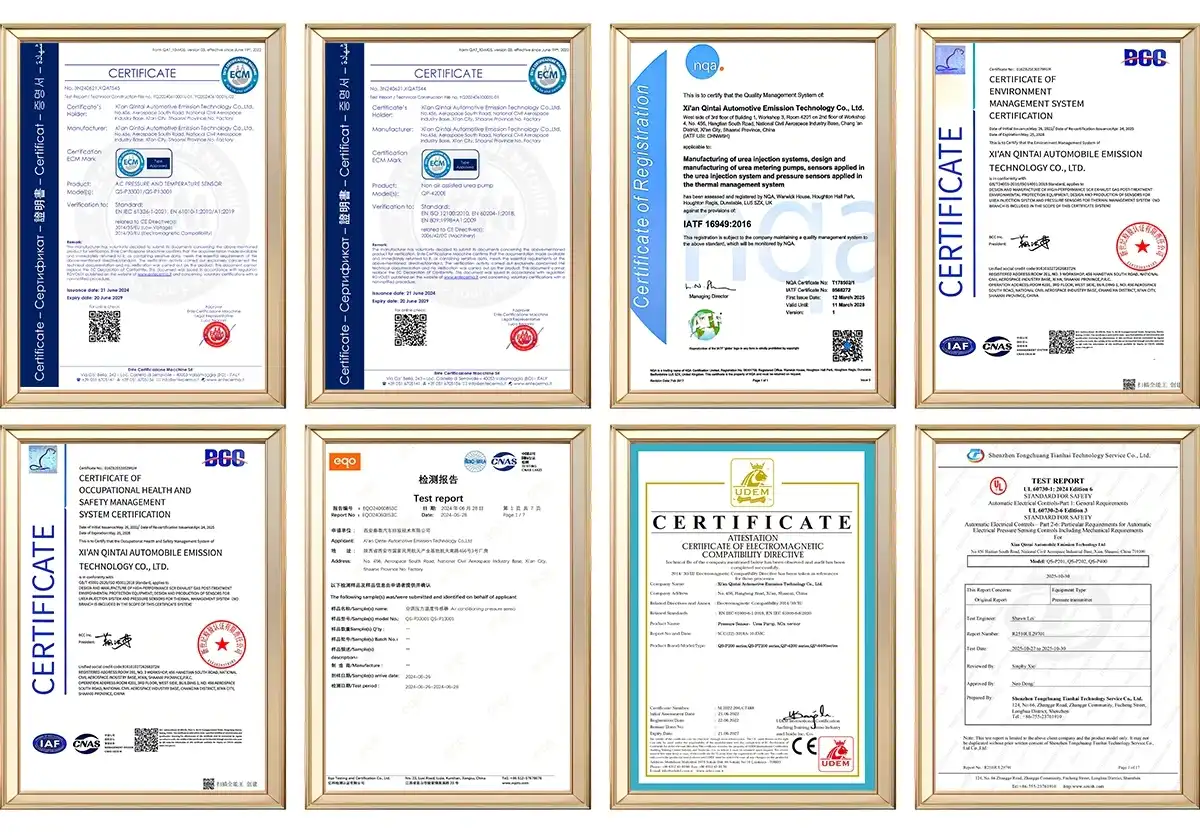
Their differential pressure monitors are made to meet the strict pollution standards of China VI and Euro VI. The units give stable output from -40°C to 125°C, 0–10 kPa to 0–100 kPa, and a range of pressures. They also support a number of output interfaces, such as CAN bus and analog voltage. All of the units have IATF16949 and ISO9001 standards, as well as approval for CE, RoHS, REACH, and UL. This means that they can meet the needs of both local and foreign buyers.
Now, let's look at the main technical benefits of Qintai's smart pressure monitoring device solutions:
- High measurement accuracy: The average output error is less than 1.5% FS, which makes sure that results are always the same, which is important for emission control logic.
- Robust construction: Sensing elements sealed in resin and rated to IP67, which means they can handle water, oil mist, and vibrations that are common in off-road settings.
- Flexible interface options: Works with 0–5V, ratiometric, and CAN protocols, making interaction easier for system makers.
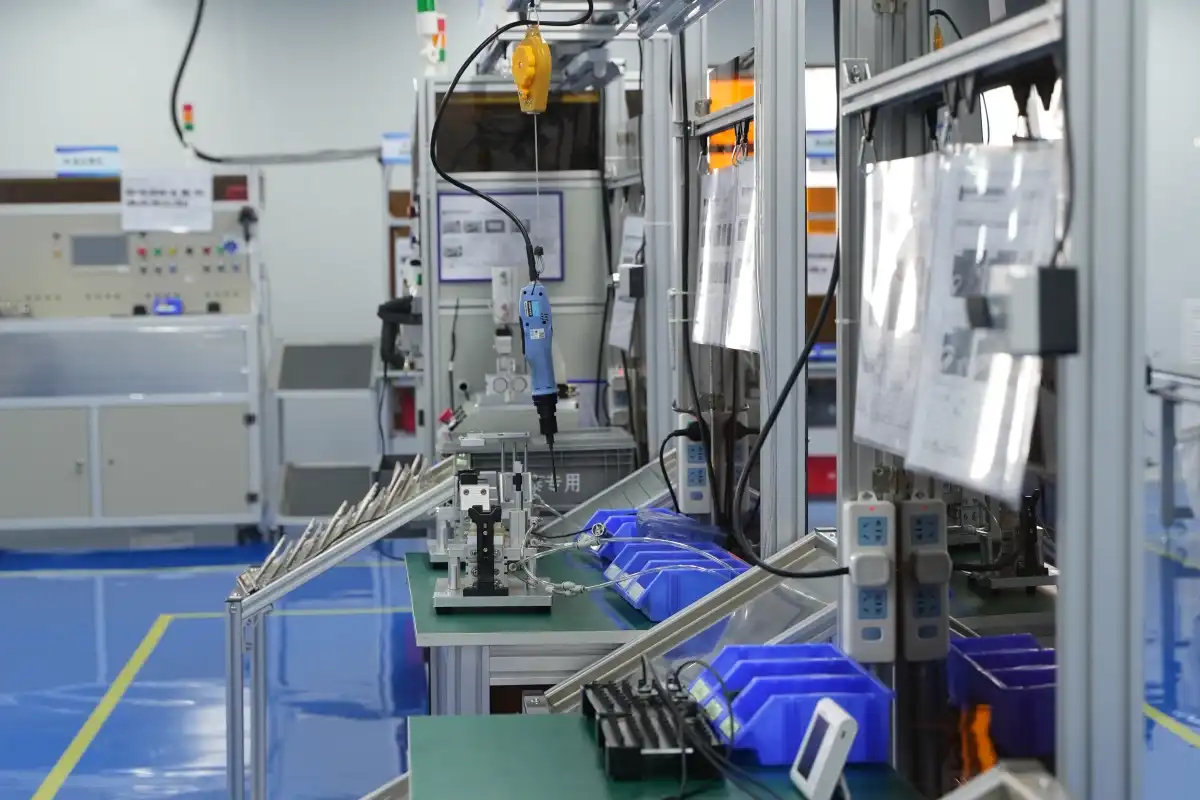
- Mass production capacity: With automated production lines and a quality management system that meets IATF16949 standards, we can supply a lot of OEMs without having to delay deliveries.
- OEM/ODM customization: Engineers can ask for custom pressure levels, connector types, and output features to make the device work with a certain type of application.
Because of these benefits, Qintai sensors are a good option for OEM buying managers and R&D engineers who care about both technical performance and supply chain reliability. In addition to technical specs, Qintai has applied for 58 invention patents and keeps a separate R&D team whose job it is to make sensors last longer and signals be more accurate.
This amount of institutional investment shows that the seller can support long-term purchasing relationships, which is important for engineering teams that are trying to build stable supply chains, and the smart pressure monitoring device stands as a clear example of how Qintai translates patent-backed innovation into field-proven hardware that meets real-world endurance and precision demands.

How to Choose the Right Pressure Sensor for Your Operation
Define Your Operating Environment First
Before looking at different models, you should make a list of your exact operating conditions for the smart pressure monitoring device, such as the highest and lowest pressures, the hottest and coldest temperatures, the frequency of vibrations, any chemicals or water that might get in, and whether the output needs to connect to an existing ECU or SCADA system. When sensor specs are matched to real-world working conditions instead of theoretical maximums, failures and calibration shift are less likely to happen.
Evaluate Certifications and Compliance Credentials
In businesses with rules, you can't get by without certification paperwork. When buying sensors for Euro VI or China VI applications, procurement teams must make sure that the company has IATF16949 quality system certification as well as ISO9001 certification. Marks like CE and UL show that the product has been checked and approved by a third party, which is important during source checks and management approval processes.
Assess Supplier Stability and After-Sales Support
There is more risk with a technically sound sensor from an unreliable supplier than with a slightly less accurate unit from a trusted partner. Check to see how much the supplier can produce, how long their lead times are, how quickly they respond to technical support requests, and whether they offer on-site application assistance.
For aftermarket service shops and parts wholesalers, having the parts in stock and having clear warranty terms are both important, and a smart pressure monitoring device exemplifies the kind of value-added product that justifies evaluating these supply-chain factors, as its advanced diagnostics and connectivity features are only as dependable as the supplier's production capacity, responsiveness, and after-sales support infrastructure.
Maintenance, Trends, and Future Outlook
Routine Calibration and Sensor Longevity
In harsh industrial settings, smart pressure monitoring devices need to be calibrated and checked on a regular basis, usually every 12 to 18 months, based on the job cycle. Every time a DPF system is serviced, the sensors should be checked because particles building up on the ports can change the differential readings. Most encapsulated units don't allow battery replacement in the field; instead, the whole sensor has to be replaced to keep the sealing intact, which is similar to how TPMS transmitters are used in automotive settings.
Emerging Trends in Industrial Pressure Monitoring
More and more pressure monitors are being added to systems for predictive maintenance that are run by AI. Edge computing modules now let sensors process threshold logic locally, so they don't have to be connected to the network all the time. IoT-enabled pressure monitoring systems can send data to fleet management dashboards, which lets off-road equipment in mining or farming be checked out from afar. As rules on emissions get stricter around the world, the need for approved, high-precision differential pressure sensors in aftertreatment systems will keep growing past 2025.
Conclusion
Selecting the right smart pressure monitoring device takes more than reading a datasheet. It requires a thorough knowledge of how things work, the rules that must be followed, and the long-term dependability of your supply chain. The differential pressure sensors that Qintai makes for diesel aftertreatment use certified manufacturing quality, application-specific engineering, and OEM-proven performance.
This makes them a reliable choice for procurement managers and R&D engineers in the heavy equipment, generator, and SCR/DPF sectors. Buying certified sensors that work well together lowers the total cost of ownership over the lifecycle of the product and helps keep emissions in line.
FAQ
How accurate are smart pressure sensors compared to traditional sensors?
Smart pressure monitoring devices are usually accurate to within ±1% to ±2% of full scale. Analog gauges, on the other hand, tend to have wider tolerances and can't check themselves. Not only is it better for industrial settings to have accurate measurements, but it's also better to be able to spot gradual drift and set off alarms before a critical threshold is crossed.
Can these sensors integrate with existing ECU or SCADA systems?
Most industrial-grade smart pressure monitors can send data in more than one way, such as analog voltage (0–5V), 4–20mA current loop and a CAN bus, which means that it can work with most older control systems. Qintai sensors have outputs that can be changed, which makes system integration easier for both OEM and aftermarket uses.
What warranty and support should I expect from a qualified supplier?
Suppliers who are trustworthy and follow IATF16949 standards usually back up their products with 12 to 24 months of contracts and recorded failure analysis processes. As part of technical support, application advice, calibration help, and replacement logistics should all be available. Qintai offers OEM/ODM support with specialized engineering help throughout the entire span of a product.
How do I know when a pressure sensor needs replacement?
Signs that something is wrong include numbers that don't match the expected range, a signal that doesn't work right, or a diagnostic problem code that keeps coming up. To keep IP security ratings, protected units with batteries inside containers or sensing elements in pots usually need to be replaced as a whole.
Partner with Qintai — A Trusted Smart Pressure Monitoring Device Supplier
Qintai makes certified pressure sensors that are designed to work in harsh industrial settings. We are a top company that makes smart pressure monitoring devices and have established OEM partnerships in over 60 markets around the world. We can customize OEM/ODM products, make a lot of them, and provide quick technical support. You can contact our engineering team at info@qt-sensor.com or go to qt-sensor.com to get a reasonable bulk price, ask for a sample, or talk about your needs.
References
1. SAE International. SAE J2657: Tire Pressure Monitoring Systems Test Procedures. SAE International, 2020.
2. International Organization for Standardization. ISO 9001:2015 Quality Management Systems — Requirements. ISO, 2015.
3. IATF. IATF 16949:2016 — Quality Management System Requirements for Automotive Production. IATF, 2016.
4. McKinsey & Company. The Future of Industrial IoT: Smart Sensors and Predictive Maintenance. McKinsey Global Institute, 2022.
5. Frost & Sullivan. Global Pressure Sensor Market in Automotive and Industrial Applications. Frost & Sullivan, 2023.
6. European Commission. Euro VI Emission Standards for Heavy-Duty Vehicles: Regulation (EC) No 595/2009. Official Journal of the European Union, 2009.
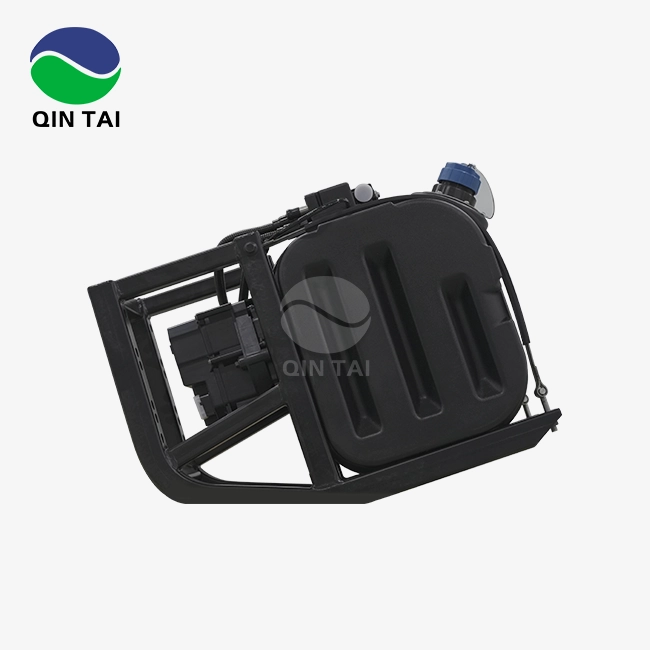

Our customers’ satisfaction speaks for our quality — contact us to experience the same reliable service.