- English
- French
- German
- Portuguese
- Spanish
- Russian
- Japanese
- Korean
- Arabic
- Greek
- German
- Turkish
- Italian
- Danish
- Romanian
- Indonesian
- Czech
- Afrikaans
- Swedish
- Polish
- Basque
- Catalan
- Esperanto
- Hindi
- Lao
- Albanian
- Amharic
- Armenian
- Azerbaijani
- Belarusian
- Bengali
- Bosnian
- Bulgarian
- Cebuano
- Chichewa
- Corsican
- Croatian
- Dutch
- Estonian
- Filipino
- Finnish
- Frisian
- Galician
- Georgian
- Gujarati
- Haitian
- Hausa
- Hawaiian
- Hebrew
- Hmong
- Hungarian
- Icelandic
- Igbo
- Javanese
- Kannada
- Kazakh
- Khmer
- Kurdish
- Kyrgyz
- Latin
- Latvian
- Lithuanian
- Luxembou..
- Macedonian
- Malagasy
- Malay
- Malayalam
- Maltese
- Maori
- Marathi
- Mongolian
- Burmese
- Nepali
- Norwegian
- Pashto
- Persian
- Punjabi
- Serbian
- Sesotho
- Sinhala
- Slovak
- Slovenian
- Somali
- Samoan
- Scots Gaelic
- Shona
- Sindhi
- Sundanese
- Swahili
- Tajik
- Tamil
- Telugu
- Thai
- Ukrainian
- Urdu
- Uzbek
- Vietnamese
- Welsh
- Xhosa
- Yiddish
- Yoruba
- Zulu
Understanding Pressure Sensor Accuracy & Why it Matters
If you are in charge of diesel engines or aftertreatment systems, the most reliable troubleshooting tool you have is a pressure sensor. These gadgets pick up on force that is applied to a certain area and turn changes in physical pressure into electrical signs. This lets you check important things like fuel rail pressure, exhaust backpressure, and SCR system performance in real time. How accurate these measures are has a direct effect on emissions compliance, the life of the system, and the safety of operations. Even small changes in sensor readings can cause expensive downtime, regulatory fines, or a chain reaction of failures in demanding environments like heavy trucks, building equipment, and generator sets. Procurement managers and engineers who have to meet strict standards like China VI and Euro VI while keeping lifetime costs low need to know what makes sensors accurate and how to keep them that way.
What Is Pressure Sensor Accuracy and Why It Matters
Defining Accuracy in Pressure Measurement
How accurate a sensor is shows how close its output is to the real pressure number when it is being tested. Precision talks about how often readings can be repeated, while accuracy talks about how far away numbers are from the real ones. Overall measurement reliability is affected by both hysteresis and repetition. Hysteresis is the difference in output when coming at a pressure point from different directions. Most industrial sensors report their accuracy as a percentage of full-scale output, like ±0.5% FS. This means that over its entire range, a 100 psi sensor could be off by ±0.5 psi.
Environmental and Technical Influences
Changes in temperature are the biggest threat to the accuracy of sensors. Piezoresistive sensors, which are often used in diesel applications, have resistance that changes because of both pressure and temperature growth. Temperature correction circuits are one way that manufacturers try to fix this problem, but they can't always work in harsh places like engine bays or mines. Humidity and vibration add to the number of mistake causes, especially in electronics that are not protected. Calibration quality during manufacturing sets the standard accuracy, but if it isn't recalibrated on a regular basis, it will move over time.
Business Impact of Accuracy Failures
Sensors with poor precision add secret costs all along the supply chain. When pressure measures are off in SCR systems, the wrong amount of urea is added. This can cause ammonia to leak out or not enough NOx to be removed, both of which are illegal emissions. When incorrect fuel pressure data leads to injector failures, construction equipment workers have to do repair that wasn't planned. When sensors wrongly report oil pressure, generator set makers lose guarantee claims. This hides lubrication problems until catastrophic bearing damage happens. These examples show why technical departments look at accuracy requirements when choosing a provider, while buying teams look at the total cost of ownership, which includes costs for recalibration and failure rates.
Types of Pressure Sensors and Their Accuracy Characteristics
Piezoresistive Technology
Because they are accurate, cheap, and durable, piezoresistive sensors are the most popular choice in the automotive and industrial markets. A silicon diaphragm with strain gauges inside it bends when it is put under pressure, which changes the electrical resistance in response to the force that is being applied. Accuracy levels of ±0.25% FS are possible with modern systems, and they are very stable over time. These sensors work really well in steady-state tasks like tracking the fuel rail and measuring the pressure in the intake pipe. They keep working well in temperatures ranging from -40°C to 150°C, which is normal for diesel engines.
Capacitive Ceramic Solutions
Capacitive sensors use a ceramic diaphragm as one plate of a capacitor. A set electrode changes the capacitance as the pressure changes. Because the ceramic doesn't react with chemicals, these are perfect for places where exhaust gases are toxic, like in DPF regeneration systems. Their precision is usually better than piezoresistive types, at ±0.1% FS, but they cost more per unit. When buying something, the balance between accuracy and cost is important. This is especially true for aftertreatment engineers who need sensors that can work with a variety of system designs and keep their calibration stable over thousands of regeneration cycles.
Piezoelectric and MEMS Technologies
Piezoelectric sensors directly produce voltage from mechanical stress caused by pressure. They have a very fast dynamic reaction, which makes them ideal for tracking rapid pressure pulses in common-rail injection events. However, they can't measure static pressure and are sensitive to temperature, so they need to be installed carefully. Micro-machined silicon structures are used in MEMS pressure sensor designs to make them small enough to use in places with limited room. Different designs have very different levels of accuracy, ranging from ±1% for household products to ±0.05% for high-precision industrial ones. When looking at MEMS sensors, buyers should make sure that the makers give individual calibration papers and proof of how well the sensors work with temperature changes.
Signal Output Considerations
Many older systems still use analog outputs (0-5V, 4-20mA), but they can't handle long line runs without getting messed up by electrical noise. Using digital outputs with standards like CAN bus or I2C blocks noise and lets you do more advanced analysis, sending not only pressure values but also sensor health data, temperature readings, and error flags. This feature helps planned maintenance plans, so fleet managers can change sensors that are getting close to the end of their useful life before losing accuracy causes problems with operations. When buying sensors for new projects, sourcing teams should think about how easy they will be to service in the future and whether the sensors' analog or digital connections will work with current control systems.
Calibration and Maintenance: Ensuring Consistent Pressure Sensor Accuracy
Traceability and Calibration Standards
A straight line of similarities leads back to national metrology institutes for accurate testing. In the US, NIST and similar organizations around the world keep basic pressure standards that calibration labs use to confirm their reference instruments. When buying sensors for uses that need to be sensitive to emissions, buyers should make sure that the sellers provide calibration papers that list ISO 17025-accredited facilities. During regulatory checks, this paperwork is very important because it shows that the accuracy of the measurements meets legal standards.
During the calibration process, known pressures are applied using deadweight testers or precision pressure controllers. The sensor output is recorded at several places across its range so that correction factors can be made and saved in databases that are connected to the electronics or CMMS.
Factors Affecting Calibration Longevity
When working conditions are rough, calibration slip speeds up. Sensors that are constantly changing pressure, temperature, and mechanical shock need to be re-calibrated more often than sensors that are kept in a safe environment. Media compatibility is very important—sensors that measure toxic exhaust gases lose their diaphragms faster than those that measure clean air. Overstress on the electrical system from voltage spikes during hot-plugging or bad wiring hurts signal filtering circuits and causes offset mistakes that calibration can't fully fix. These environmental stressors should be taken into account in the procurement requirements so that sensors are chosen based on their ratings for the worst-case scenarios rather than their normal working conditions.
Establishing Maintenance Intervals
Manufacturers usually say that calibration should be done once a year for general workplace use, but more frequent plans are needed for safety-critical uses. From working with diesel engine OEMs, we know that sensors in exhaust aftertreatment systems work better when they are checked every six months for the first two years of use. This lets the sensors figure out drift patterns that are unique to each application.
Repair shops that work with the aftermarket for business vehicles should do calibration checks on sensors every time they are taken out for other upkeep. This way, broken units won't be put back in. If you handle the installation correctly—by not overtorquing, using the right seals, and keeping the electrical contacts safe—it will be longer before you need to recalibrate it, which lowers your total ownership costs while keeping the accuracy of the measurements.
How to Choose the Right Pressure Sensor for Your Industrial Application
Matching Accuracy to How Important an Application Is
Not every situation needs high-precision sensors. Monitoring the pressure in the cooling system can be accurate to within ±2%, but common-rail fuel systems need to be accurate to within ±0.5% to keep the time of injections within microseconds. Based on a system sensitivity analysis, the first step in the selection process is to decide what level of measurement error is appropriate for a pressure sensor. We work with R&D engineers to model how sensor mistakes affect control algorithms and figure out what the strictest requirements are that will still ensure performance. This stops over-specifying expensive sensors when cheaper ones do, which lowers the cost of parts without lowering the trustworthiness of the system.
Technology Selection Trade-offs
For diesel engine uses, piezoresistive sensors are the best choice because they offer a good mix of accuracy, temperature range, and media compatibility at a reasonable price. Capacitive ceramic sensors are worth the extra cost when chemical protection and high accuracy are needed, like when measuring the inlet pressure of an SCR catalyst and ammonia is present, which breaks down standard materials.
Because they can't measure steady conditions, piezoelectric types are mostly used in combustion analysis and the development of injection systems. They don't show up in production cars very often, though. Instead of depending only on the specs on the datasheet, buyers should ask for samples to be tested in real-world circumstances. This is because performance in the real world often shows limits that aren't clear in a controlled laboratory setting.
Environmental and Interface Requirements
Waterproofing is very important for sensors that are placed on the outside of building and farming equipment that will be washed down and submerged during field work. Ingress protection is guaranteed by IP67 or IP69K grades, but how reliable something is depends on how well the connectors are sealed and the cables are routed.
For high-temperature uses in turbochargers or near DPF units, you need sensors with separate diaphragms and electronics that are far away. These sensors must be able to keep their accuracy when the housing temperature goes above 200°C. As wireless sensing technologies keep getting better, they will no longer need wiring leads for retrofit applications. However, worries about battery life and signal reliability in electrically noisy engine rooms still remain for production integration.
Supplier Evaluation and Partnership Building
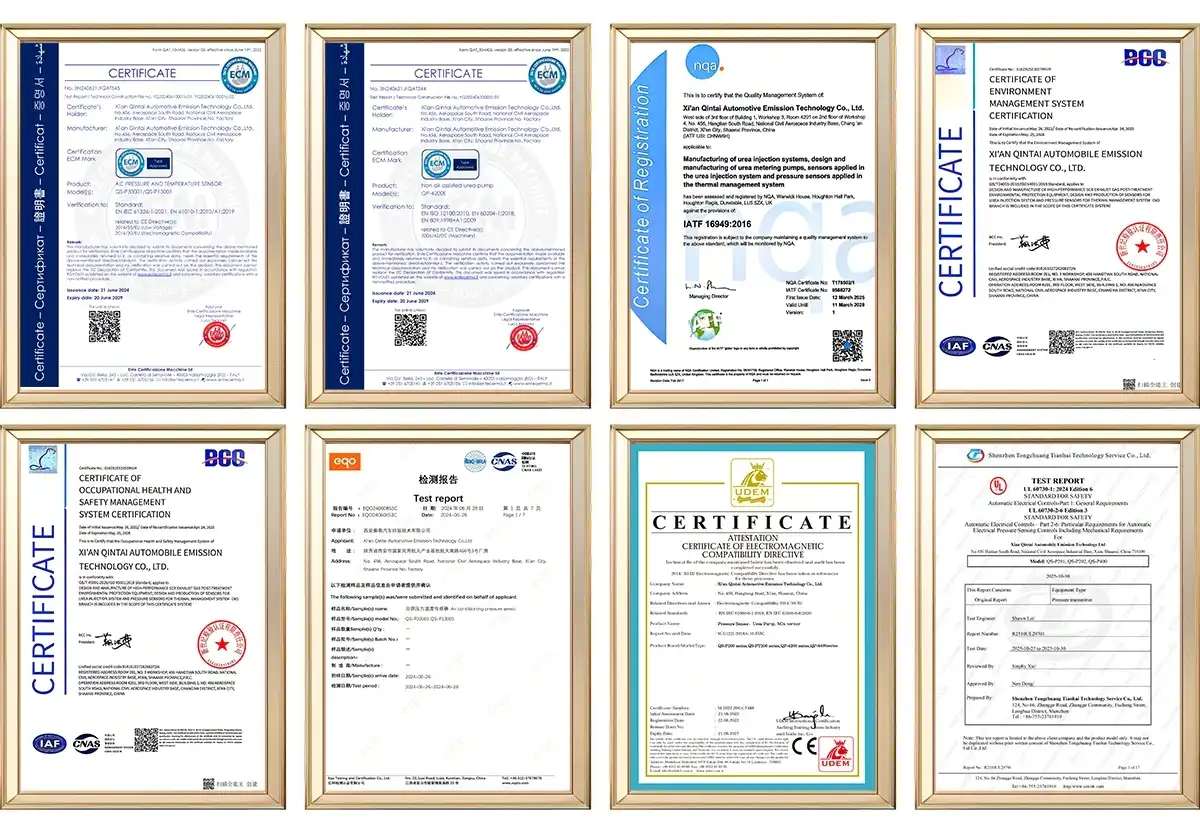
In addition to technology requirements, a supplier's skills also affect its long-term success. We judge makers by the certifications they have, such as ISO 9001 for quality management, IATF 16949 for automotive supply chains, and industry-specific approvals like ATEX for use in dangerous environments or UL for North American markets. When normal goods need different pressure ports, electrical connections, or calibration ranges, customization support is very important. Production plans are directly affected by lead times and the availability of inventory.
This is why sellers with regional warehouses and quick technical help are such valuable partners. Clear pricing throughout the buying process, including bulk discounts and multi-year supply agreements, helps with accurate cost modeling for competitive bids and makes sure there is a steady supply of goods.
Troubleshooting Accuracy Issues and Avoiding Common Pitfalls
Diagnosing Environmental Stressors
Most of the time, bad fitting methods, not sensor problems, cause accuracy to drop. When the diaphragm is mounted too tightly, it puts extra stress on it, which causes offset mistakes that get worse with thermal cycling. When pressure ports aren't sealed properly, they let in contaminated media. When this happens, particles build up on sensor elements and change how they respond. There are density-related mistakes when there are temperature differences between the sensor body and the measured medium.
This is especially true when measuring gas pressure and the cold sensor housings touch the hot exhaust streams. During diagnostic processes, calibrated tools should be used to make sure the right amount of force is applied during installation. During service intervals, ports should be checked for contamination, and it should be confirmed that sensors are placed according to the manufacturer's instructions for orientation and thermal management.
Electrical Interference and Grounding
With their rotating alternators, high-energy ignition systems, and PWM-controlled motors, modern diesel engines make surroundings that are not friendly to electricity. Unshielded sensor wires function as receivers, picking up noise that shows up as changes in measurement from a pressure sensor. Most interference problems can be avoided by connecting sensor bodies to clean chassis grounds and keeping signal wires away from high-current wiring. When trying to figure out why readings aren't staying the same, temporarily moving the sensor or switching to protected wires can help separate electrical problems from mechanical sensor failures. Digital output sensors with differential signals are better at blocking noise, but they need processor inputs that are compatible with them.
Recognizing When Replacement Becomes Necessary
Normal drift can be fixed by recalibration, but in some cases, sensors can't be fixed at all. When the diaphragm breaks because of too much pressure, there is a catastrophic loss of accuracy, which can be seen by outputs that don't respond or read anything. When moisture gets into electronics, it causes corrosion, which weakens signal filtering circuits and shows up as mistakes that change with temperature or intermittent operation.
If the pressure ports, electrical connecting pins, or wire insulation get damaged mechanically, they also need to be replaced. Repair shops should keep accurate reference sensors on hand for comparing tests. This way, they can quickly tell the difference between failed parts and problems at the system level that need a more in-depth investigation.
Case Study: Resolving Aftertreatment System Accuracy Problems
A company that builds SCR systems for generator sets had guarantee claims about systems using too much urea. An investigation showed that the input pressure sensors were giving 15% incorrect readings because they were mounted in the wrong way, which caused collected water to stick to the diaphragms. By redesigning the mounting mounts so that sensors were placed horizontally with drain holes, water could no longer build up. This improved accuracy and brought urea use back to goal levels. This case shows how seemingly small installation details can have a big impact on how well a sensor works. It also shows how important it is to have supplier application engineering help during the system development stages.

SENSOR+TEST, June 9 – 11, 2026
We look forward to your visit,warmly welcome to our booth 1-526!
Get your free ticket online now:
https://www.sensor-test.de/service/ticket/?52790
Conclusion
Accuracy of pressure sensors is a key part of making sure that industrial processes run smoothly. They have a direct effect on emissions compliance, safety, and the life of equipment used in diesel engines, aftertreatment systems, and power generation. We've talked about the differences between accuracy and precision, the performance of different sensor technologies, and the necessary calibration steps to keep measurements accurate over their entire useful life.
To choose the right sensors, you need to weigh the technical specs against the needs of the application, the surroundings, and the costs over the product's lifetime. You should also work with providers who can make changes and offer quick support. Systematically troubleshooting accuracy problems—looking at placement methods, environmental factors, and electrical interference before changing parts—reduces downtime and increases the life of sensors.
FAQ
How often should industrial pressure sensors be recalibrated?
The length of time between calibrations depends on how important the application is and how it is being used. To stay in line with regulations, emission-critical sensors in diesel aftertreatment systems usually need to be checked once a year. Six-month checks are better for sensors that work in tough settings with changing pressures and temperatures. For less important tasks, like checking on a cooling system, the gaps can be 24 months. Setting up schedules for each pressure sensor based on known drift trends lowers upkeep costs and increases measurement accuracy.
What is the difference between accuracy and precision in sensor specifications?
The degree to which a sensor's reading is close to the real value is called its accuracy. The degree to which the same pressure can be measured more than once is called its precision. It's possible for a sensor to be exact but inaccurate if it always reads high or low, or it can be accurate on average but inaccurate if it reads all over the place. To make sure that process control works well, procurement rules should call for both narrow accuracy bands and high precision.
Can low-cost sensors be used in safety-critical applications?
While low-cost sensors might meet the initial accuracy requirements, they often don't have the strong temperature adjustment, environmental sealing, or long-term stability needed for safety purposes. Frequent replacing, the need to re-calibrate, and the risk of being sued for measurement-related errors all add up to hidden costs. Premium sensors with proven reliability, full certifications, and provider support backed by technical resources that can handle interaction challenges are needed for critical applications.
Partner with Qintai for High-Accuracy Pressure Sensor Solutions
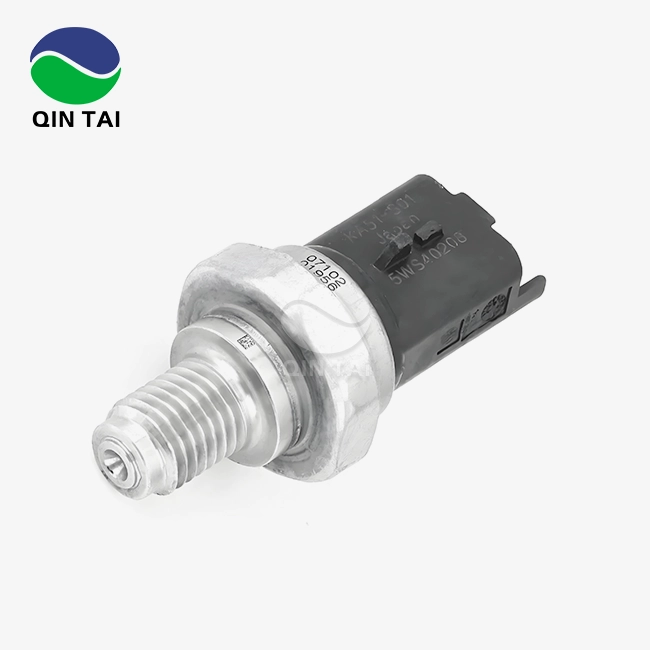
For diesel engines and aftertreatment systems to meet pollution standards and work reliably, they need pressure sensors that are accurate, long-lasting, and easy to integrate. Qintai was founded in 2001 and has more than twenty years of experience in specialized automotive emission technology. They make sensors that meet China VI and Euro VI standards and are the main supplier to Weichai Power, Yuchai Power, and Quanchai Power, three of China's largest engine manufacturers. Our ISO 9001, IATF 16949, and industry-specific certifications show that we are dedicated to quality control during all stages of research and production.
We offer full customization, ranging from changing pressure ranges and electrical interfaces to making packaging that is specific to the application. Our expert teams are quick to respond and understand the integration issues OEMs and aftertreatment integrators face. Our global reach, which includes over 60 countries, means that we can offer reasonable prices and reliable service whether you are looking for a reliable pressure sensor manufacturer for a large-scale production project or custom solutions for a specific use. Email our team at info@qt-sensor.com to talk about your pressure sensor needs and find out how our technical skills can help your system work better.
References
1. Webster, John G. The Measurement, Instrumentation, and Sensors Handbook. CRC Press, 2019.
2. Norton, Harry N. Handbook of Transducers. Prentice-Hall Engineering Series, 2018.
3. Omega Engineering. Pressure Measurement Technical Reference. Omega Press, 2020.
4. Society of Automotive Engineers. Surface Vehicle Recommended Practice for Pressure Transducers. SAE Standard J1347, 25. 21.
5. International Organization for Standardization. General Requirements for the Competence of Testing and Calibration Laboratories. ISO/IEC 17025:2017.
6. Fraden, Jacob. Handbook of Modern Sensors: Physics, Designs, and Applications. Springer Publishing, 2020.
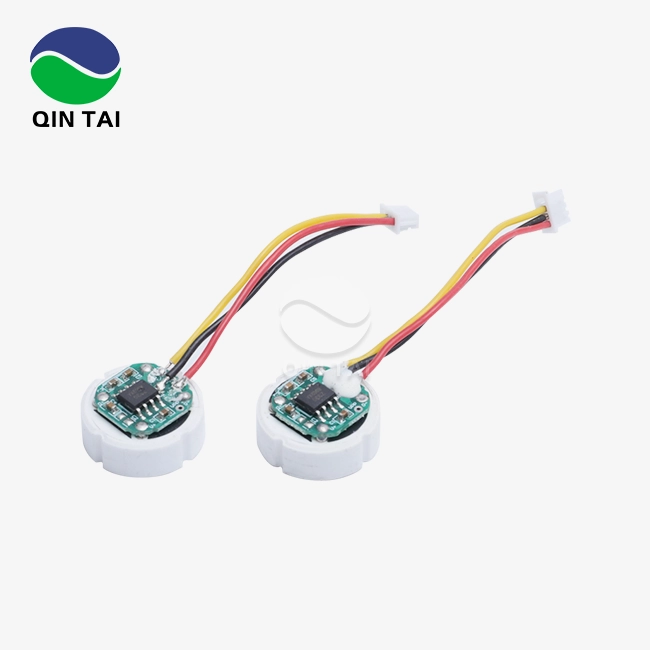
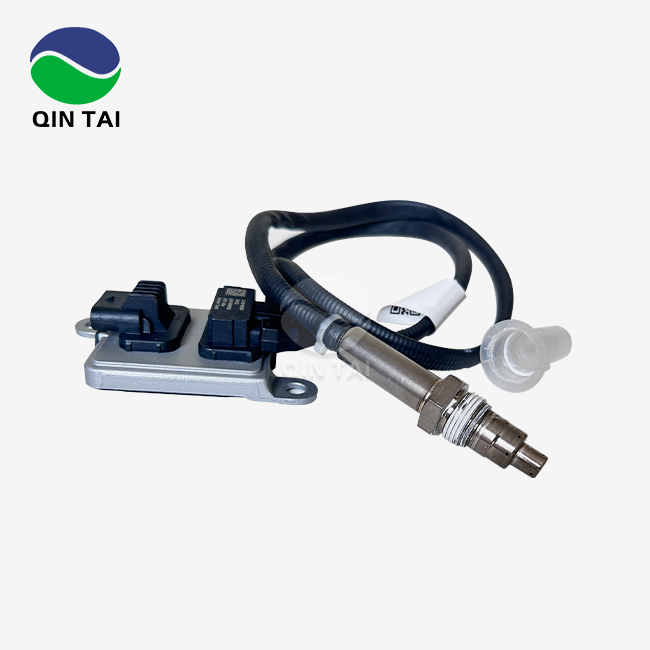
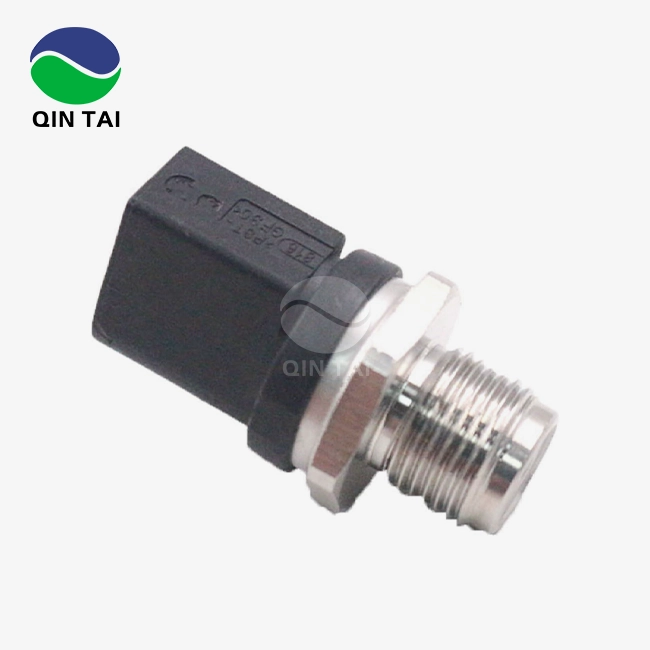

Our customers’ satisfaction speaks for our quality — contact us to experience the same reliable service.