- English
- French
- German
- Portuguese
- Spanish
- Russian
- Japanese
- Korean
- Arabic
- Greek
- German
- Turkish
- Italian
- Danish
- Romanian
- Indonesian
- Czech
- Afrikaans
- Swedish
- Polish
- Basque
- Catalan
- Esperanto
- Hindi
- Lao
- Albanian
- Amharic
- Armenian
- Azerbaijani
- Belarusian
- Bengali
- Bosnian
- Bulgarian
- Cebuano
- Chichewa
- Corsican
- Croatian
- Dutch
- Estonian
- Filipino
- Finnish
- Frisian
- Galician
- Georgian
- Gujarati
- Haitian
- Hausa
- Hawaiian
- Hebrew
- Hmong
- Hungarian
- Icelandic
- Igbo
- Javanese
- Kannada
- Kazakh
- Khmer
- Kurdish
- Kyrgyz
- Latin
- Latvian
- Lithuanian
- Luxembou..
- Macedonian
- Malagasy
- Malay
- Malayalam
- Maltese
- Maori
- Marathi
- Mongolian
- Burmese
- Nepali
- Norwegian
- Pashto
- Persian
- Punjabi
- Serbian
- Sesotho
- Sinhala
- Slovak
- Slovenian
- Somali
- Samoan
- Scots Gaelic
- Shona
- Sindhi
- Sundanese
- Swahili
- Tajik
- Tamil
- Telugu
- Thai
- Ukrainian
- Urdu
- Uzbek
- Vietnamese
- Welsh
- Xhosa
- Yiddish
- Yoruba
- Zulu
Urea Dosing Pressure Sensor Guide for Modern SCR Systems
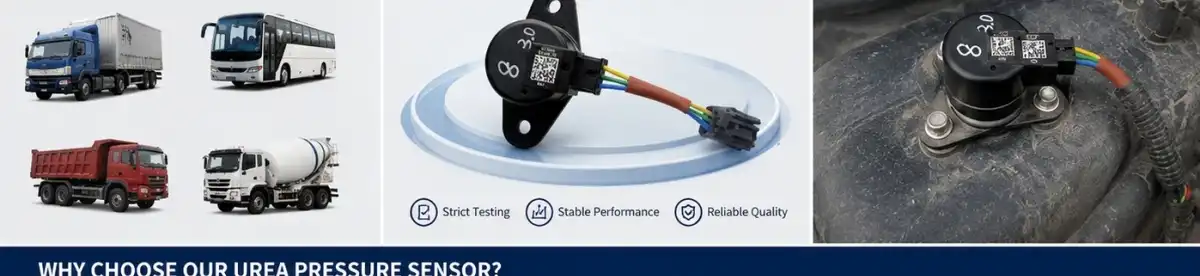
Urea dosing pressure sensors are essential to Selective Catalytic Reduction (SCR) technology in modern diesel engines, which fulfill strict pollution requirements. This component precisely delivers diesel exhaust fluid (DEF), or AdBlue, into the exhaust stream. When working properly, these sensors help your SCR system reduce NOx while maintaining fuel efficiency and engine performance. By understanding how these sensors function, what may go wrong, and how to choose the correct solution, purchasing managers and R&D engineers can make informed purchase decisions that preserve compliance and operational efficiency.
Understanding Urea Dosing Pressure Sensors: Functions and Working Principles
What is a Urea Dosing Pressure Sensor?
Urea dosing pressure sensors monitor DEF pressure in the supply line between the dosing pump and injector nozzle. With real-time feedback, the engine control unit (ECU) can precisely manage injection rates to complete NOx conversion in the catalytic converter. The SCR system cannot maintain the delicate balance needed for emissions compliance and engine protection without reliable pressure measurement.
How Pressure Sensors Operate in SCR Systems?
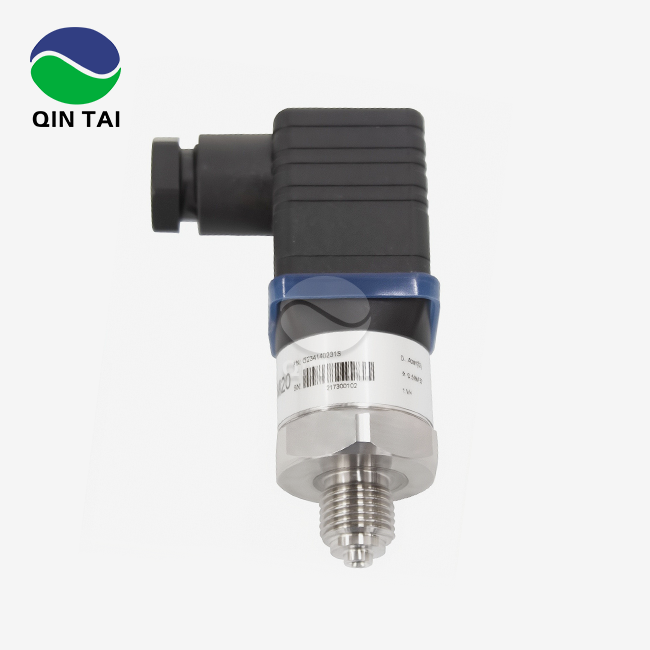
These sensors respond to urea supply circuit mechanical pressure variations using piezoresistive or capacitive sensing devices. DEF flows through the system, deflecting the sensor's internal diaphragm proportionally to pressure. This mechanical shift generates an analog voltage output from 0.5 to 4.5 VDC, which the ECU uses to modify pump speed and injection time. Our QS-P226 model uses a self-developed sensor core to continuously monitor -14 to +130.5 psi. The 5V supply voltage and ratiometric output provide compatibility with contemporary ECU platforms, while the ±0.5% accuracy fulfills China VI and Euro VI emission regulations. The control system can rapidly respond to pressure variations and maintain proper dosing during fast engine load changes due to its accuracy.
Key Components and Integration Points
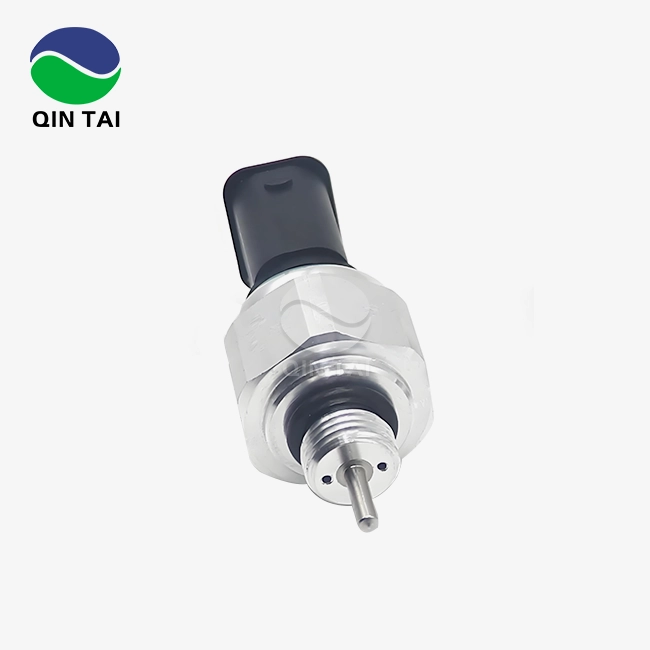
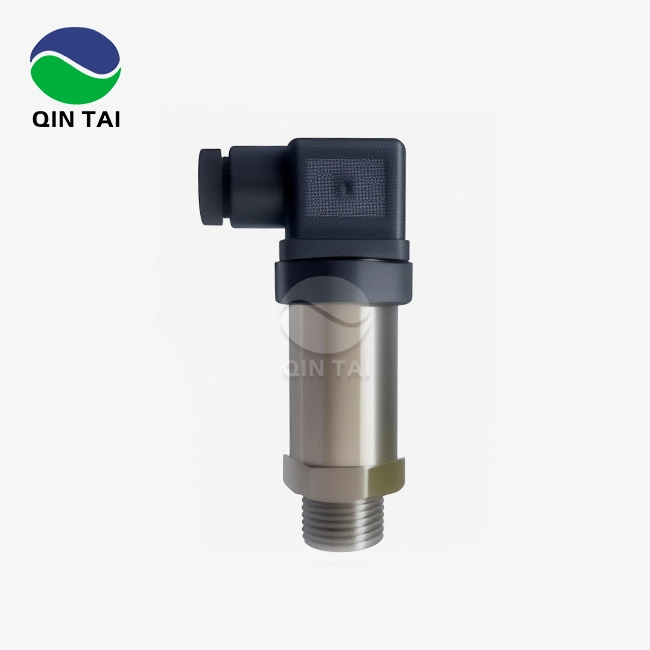
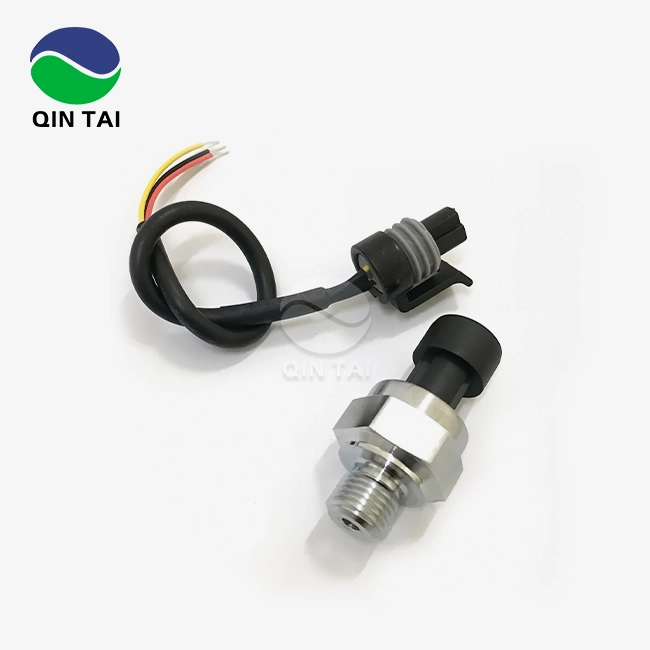
Pressure-sensing element, electrical connector, mounting hardware, and protective casing make up the sensor assembly. Integration happens where pressure measurement affects dosage accuracy, usually between the DEF pump exit and injector input. Correct setup ensures the sensor records accurate pressure measurements without flow turbulence or temperature extremes. This sensor device must withstand urea's alkaline corrosion and retain dimensional stability over the operational temperature range, making material selection critical.
Common Challenges and Maintenance Tips for Urea Dosing Pressure Sensors
Typical Failure Modes and Their Causes
We face crystallization most often in Urea dosing pressure sensor applications. DEF temperatures below 12°F solidify urea, blocking pressure passages and damaging diaphragm seals. Unprotected sensors are vulnerable to corrosion from urea's chemical characteristics. Commercial vehicle fleets replace 30% of sensors due to electrical issues include connection contamination, wire corrosion, and internal circuit failures. The QS-P226 addresses these issues through strong sealing against moisture, dust, and chemicals. This environmental protection is crucial in heavy-duty applications where sensors experience vibration, temperature cycling, and DEF contamination from road debris or gasoline residue.
Diagnostic Approaches for Quick Troubleshooting
ECUs with urea pressure diagnostic fault codes should be visually inspected for sensor and wiring issues. Connector voltage testing verifies power supply and signal output, while pressure gauge comparison verifies sensor accuracy against reference values. Some current diagnostic tools may graph sensor output in real time, indicating intermittent defects or response slowness that static testing missed. Technical teams can track sensor performance trends over time using advanced diagnostic tools to spot gradual drift that may signal failure. The predictive capacity avoids unexpected downtime and permits scheduled maintenance during service intervals instead of emergency repairs.
Preventative Maintenance Strategies
The calibration should be checked every 12 months or 100,000 miles, whichever comes first. Contaminated DEF increases corrosion and crystallization, reducing sensor lifespan. For adverse climates or high-utilization applications like long-haul transportation or continuous generator use, procurement managers should specify sensors that withstand these failure types. OEM cleaning instructions must be followed to protect sensitive components. Minor crystallization may be flushed away with new DEF, but significant deposits may necessitate sensor replacement. Our 12-month QS-P226 guarantee speaks to the endurance of our environmental protection measures and manufacturing excellence.
Comparing Urea Dosing Pressure Sensors: Choosing the Best Fit for Your SCR System
Critical Procurement Criteria
Urea dosing pressure sensor selection relies on accuracy, reaction time, and temperature tolerance. Industrial gear in mines or outdoor construction sites needs sensors that can calibrate over significant temperature variations. The QS-P226's -40°F to +176°F working range covers most ambient conditions while maintaining measurement accuracy. Speed of ECU response to engine loads is crucial during transient operation like acceleration or hill climbing. Beyond electrical criteria, compatibility includes mounting dimensions, connection types, and pressure port layouts. R&D engineers must ensure potential sensors work with current dosing modules without costly system redesigns. When building new engine platforms or customizing SCR systems for unique applications, customizable interfaces are useful.
Pressure Sensors Versus Flow Sensors
Both sensor types control SCR systems but have different roles. Pressure sensors check DEF injection circuit force to ensure nozzle supply. Flow sensors directly detect fluid volume supplied, indicating injection amount. Pressure measures prevent pump cavitation and line constraints, while flow data ensures correct dosing in modern systems. Knowing this difference helps procurement teams choose the right sensor for monitoring needs. Pressure measurement is crucial for system protection and basic dosage management, thus OEM and aftermarket applications prioritize it.
Market Overview and Brand Considerations
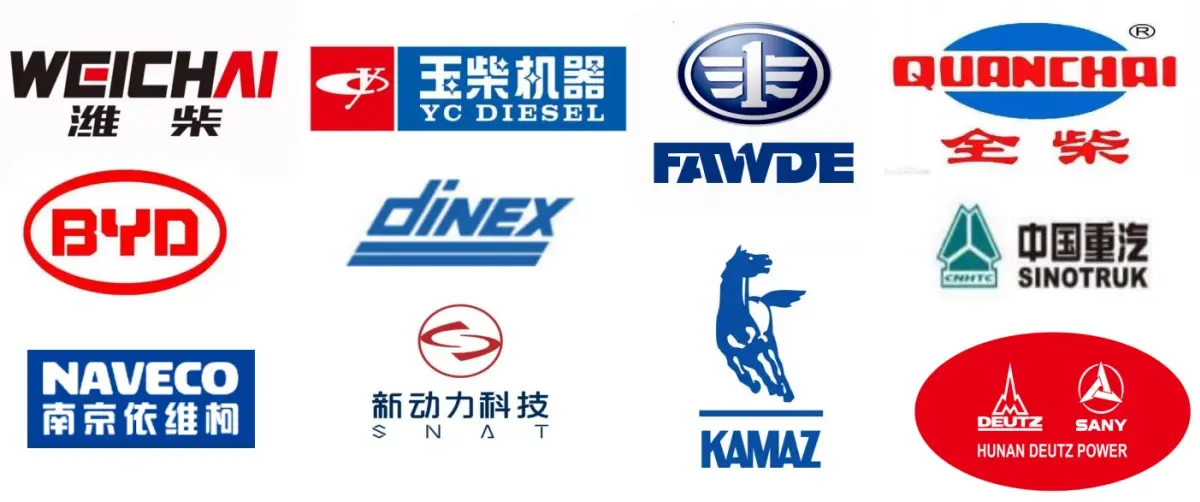
Bosch, Denso, and Continental lead OEM markets with thorough validation testing and solid track records. These brands are expensive yet have strong supply chains and technical assistance. New suppliers can offer equivalent requirements at cheaper prices, but procurement teams should do validation testing and supplier checks before placing substantial orders. Qintai is China's top OEM sensor supplier for Weichai Power, Yuchai Power, and Quanchai Power, which dominate China's commercial vehicle industry. Our ISO9001 and IATF16949 certifications show we meet worldwide automotive quality standards, and our two million sensor manufacturing capacity provides stable supply for large-scale buying.
Procurement and Supply Chain Insights for Urea Dosing Pressure Sensors
Supplier Evaluation Framework
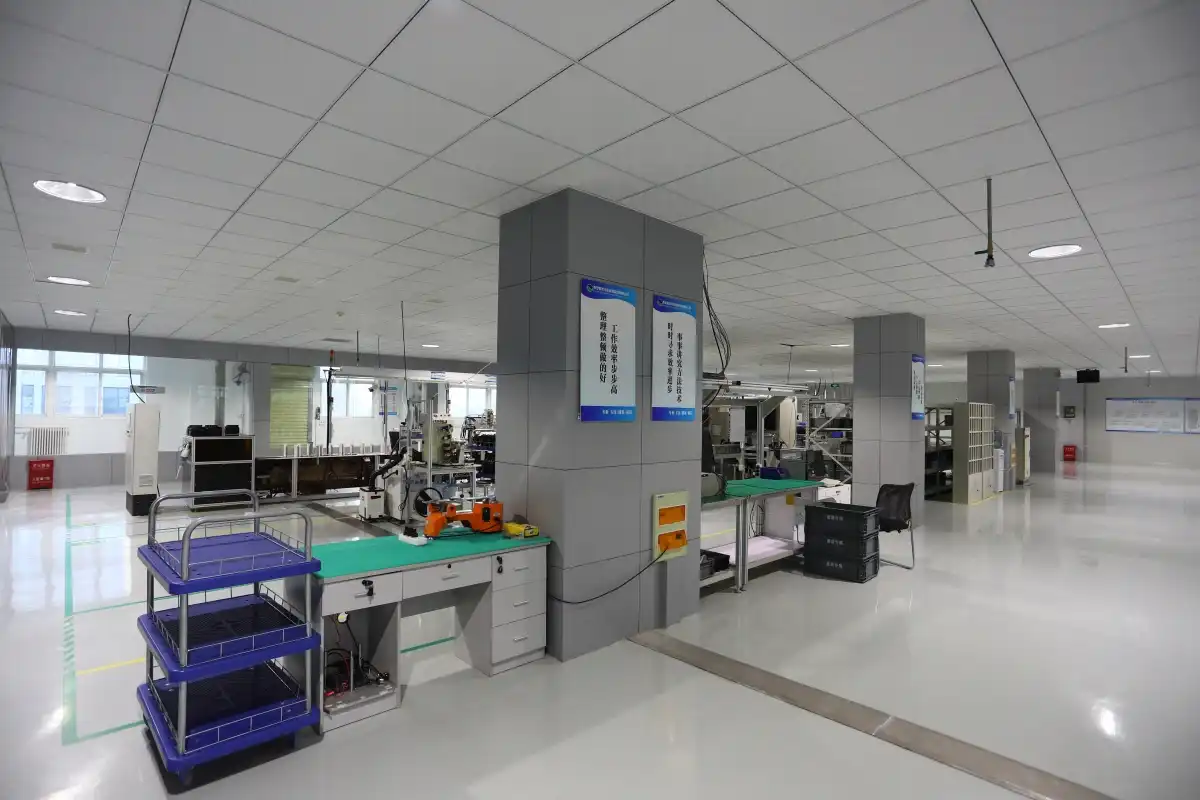
We start Urea dosing pressure sensor reliability evaluation with quality certificates, manufacturing capacity, and technical support. Suppliers must show design validation testing that meets application requirements. As aftermarket distributors must balance stock levels with storage costs and obsolescence concerns, lead times affect inventory management. Service quality includes technical advice, specialized engineering, and after-sales support. Beyond the sensor, suppliers who provide documentation, training, and troubleshooting add value. Our 86-person R&D team innovates sensor performance, and our worldwide presence in 60+ countries offers quick technical assistance wherever you operate.
Supply Chain Optimization Strategies
Bulk purchase agreements offer priority allocation and lower unit prices amid supply restrictions. Volume commitments can unlock preferential price levels and schedule delivery to simplify inventory management. Instead than just the purchase price, pricing discussions should incorporate total cost of ownership, including warranty coverage, technical assistance, and replacement sensor availability. Genuine components with manufacturer warranties are available from authorized dealers. In pollution control applications, counterfeit sensors can cause regulatory non-compliance, engine damage, or vehicle immobilization. Directly dealing with manufacturers like Qintai reduces markups and guarantees the latest technical specs and engineering assistance.
Strategic Partnership Development
Collaboration on product development, priority technical assistance, and steady pricing make long-term supplier partnerships valuable. A large truck OEM worked with Qintai to produce bespoke sensor versions for their new engine platform. This partnership produced sensors optimized for their pressure ranges, packing restrictions, and environmental conditions. Due to volume agreements and integrated technical assistance, the cooperation cut sensor development time by six months and saved money.
Future Trends and Innovations in Urea Dosing Pressure Sensor Technology
Smart Sensor Integration
IoT-enabled Urea dosing pressure sensors with inbuilt diagnostics and wireless connectivity are the future of SCR system monitoring. They send real-time performance data to fleet management systems, allowing predictive maintenance algorithms to replace sensors before problems. Field performance data from cloud connectivity helps manufacturers improve products and uncover reliability issues across big vehicle populations.
Advanced Materials and Miniaturization
Research into corrosion-resistant materials and better sealing methods extends sensor longevity in hostile urea environments. Miniaturization efforts reduce sensor packing capacity without affecting accuracy or durability to accommodate new engine SCR system slimmer designs. These innovations aid space-constrained applications including construction and agricultural machines.
Regulatory Drivers and Market Growth
More accurate and dependable pollution control sensors are needed due to stricter emission laws worldwide, notably EPA Tier 4 Final requirements in the US and China VII rules. The development of SCR technology into gasoline engines and hybrid powertrains opens new markets. To keep up with regulatory changes, procurement teams should track these trends and work with R&D-intensive vendors. Qintai's 58 vehicle emission control invention patents highlight our innovative leadership. Our "one belt & one road" market expansion strategy allows us to meet rising demand in emerging regions while retaining our presence in Europe, the Middle East, and South America.
Conclusion
Technical criteria, supplier capabilities, and total cost of ownership must be considered while choosing a Urea dosing pressure sensor. Advanced sensor core technology, strong environmental protection, and stringent quality requirements enable the QS-P226 to work reliably in demanding SCR applications. Partnering with experienced suppliers that offer proven goods and constant innovation becomes more beneficial as pollution standards tighten and diesel engines become more complex. Understanding sensor functioning, frequent failure mechanisms, and new technological trends helps procurement professionals achieve compliance and operational efficiency.
FAQ
Q1: How often should urea dosing pressure sensors be calibrated?
A: If calibration is needed, do it annually or every 100,000 miles. Every six months or 50,000 miles, heavy-duty applications with continuous operation may benefit from calibration tests. The QS-P226 and other contemporary Urea dosing pressure sensors maintain factory calibration when used within defined temperature ranges and protected against contamination. Verification testing ensures accuracy and detects drift before it affects emission performance.
Q2: What are the warning signs of a failing urea pressure sensor?
A: Dashboard warning lights for SCR system failures are most visible. Reduced power mode limits engine performance to safeguard components. ECU diagnostic issue codes indicate pressure sensor circuit defects or unreasonable readings. Physical signs include high DEF consumption, visible exhaust smoke suggesting inadequate NOx reduction, and poor fuel efficiency owing to dosage errors. Diagnostic scanning during normal maintenance can uncover intermittent sensor failures before they cause operational concerns.
Q3: Can urea dosing pressure sensors be used across different SCR platforms?
A: Electrical standards, mounting interfaces, and pressure range determine cross-compatibility. OEM systems often require proprietary connections and mounting arrangements for sensors. Many control systems are compatible with the QS-P226's analog output and 5V supply voltage, however procurement teams must validate connection pinouts and mounting dimensions before replacing sensors across platforms. When applying proven sensor technology to new applications, customization is valuable.
Partner with Qintai for Reliable Urea Dosing Pressure Sensor Solutions
Precision and durability sensors are needed for emission compliance and SCR system dependability. Qintai is a renowned Urea dosing pressure sensor manufacturer with over two decades of expertise servicing OEMs and aftermarket clients. Our QS-P226 model offers ±0.5% accuracy, solid environmental protection, and 100% testing quality assurance, certified by ISO9001 and IATF16949. Our 86-person R&D team and flexible OEM/ODM services help you succeed with conventional sensors for fast deployment or bespoke solutions for unique applications. Contact info@qt-sensor.com to discuss your needs with our technical team and learn how China's leading SCR sensor supplier can improve your supply chain and lower your TCO.
References
1. Johnson, M. & Williams, R. (2022). Selective Catalytic Reduction Systems: Design, Operation, and Maintenance. Automotive Engineering Press.
2. Environmental Protection Agency. (2021). Heavy-Duty Engine Emission Control Technology Assessment. EPA Technical Report Series.
3. Liu, H., Zhang, Y., & Chen, W. (2023). "Reliability Analysis of Urea Dosing Sensors in Commercial Vehicle SCR Systems." Journal of Automotive Technology, 48(3), 215-229.
4. International Organization for Standardization. (2020). ISO 22241: Diesel Engines - NOx Reduction Agent AUS 32 - Part 4: Refilling Interface. ISO Standards Catalog.
5. Schmidt, T. & Becker, K. (2023). Emission Control Components: Materials, Design, and Performance Optimization. Society of Automotive Engineers International.
6. Anderson, P., Martinez, J., & Thompson, L. (2022). "Predictive Maintenance Strategies for SCR System Components in Fleet Operations." Commercial Vehicle Engineering Quarterly, 17(2), 88-104.

Our customers’ satisfaction speaks for our quality — contact us to experience the same reliable service.