- English
- French
- German
- Portuguese
- Spanish
- Russian
- Japanese
- Korean
- Arabic
- Greek
- German
- Turkish
- Italian
- Danish
- Romanian
- Indonesian
- Czech
- Afrikaans
- Swedish
- Polish
- Basque
- Catalan
- Esperanto
- Hindi
- Lao
- Albanian
- Amharic
- Armenian
- Azerbaijani
- Belarusian
- Bengali
- Bosnian
- Bulgarian
- Cebuano
- Chichewa
- Corsican
- Croatian
- Dutch
- Estonian
- Filipino
- Finnish
- Frisian
- Galician
- Georgian
- Gujarati
- Haitian
- Hausa
- Hawaiian
- Hebrew
- Hmong
- Hungarian
- Icelandic
- Igbo
- Javanese
- Kannada
- Kazakh
- Khmer
- Kurdish
- Kyrgyz
- Latin
- Latvian
- Lithuanian
- Luxembou..
- Macedonian
- Malagasy
- Malay
- Malayalam
- Maltese
- Maori
- Marathi
- Mongolian
- Burmese
- Nepali
- Norwegian
- Pashto
- Persian
- Punjabi
- Serbian
- Sesotho
- Sinhala
- Slovak
- Slovenian
- Somali
- Samoan
- Scots Gaelic
- Shona
- Sindhi
- Sundanese
- Swahili
- Tajik
- Tamil
- Telugu
- Thai
- Ukrainian
- Urdu
- Uzbek
- Vietnamese
- Welsh
- Xhosa
- Yiddish
- Yoruba
- Zulu
Urea Dosing Pump vs Diaphragm Pump: Which Is Best for SCR Systems?
The starting point for most mobile SCR systems is a specific electric diaphragm urea dosing pump. It injects modest, measured quantities of diesel exhaust fluid (DEF). It suits vehicles, busses, agricultural equipment and generators that need variable flow in a small design. These two words mean different things. Diaphragm identifies how a pump pushes fluid. Urea dosing pump names the work it accomplishes. Once you’ve confirmed DEF compatibility, pressure stability, and control precision, a generic diaphragm pump will do the job. Piston designs for high pressure or low pulsation tasks. Below I show you how to compare them.

Introduction: Why Pump Selection Matters in an SCR System?
What the Pump Does in the SCR Loop?
A urea dosing pump pumps the DEF from the tank to the dosing module at the pressure required by the system (DEF is also available as AdBlue or AUS 32). The fluid is sprayed into the exhaust by the injector and it breaks down into ammonia. This decreases NOx over the catalyst. Published studies indicate SCR systems may reduce NOx by as much as 90 percent or more. It is contingent upon what the pump gives you. If the flow wanders, the pressure sags, or the timing lags, the injector gives too much or too little fluid. Too little means NOx is not transformed. Too much will lead to ammonia slip and urea buildup. I see pump selection as an emissions issue, not a plumbing decision.
The Pump Works Inside a Dosing Module
The pump is never working alone. A typical system is made up of the DEF tank, filter, heater, level and temperature sensors, controller, injector and occasionally a return line. Each portion influences the others. Pump starves on blocked filter. If the heater is poor, DEF may freeze at roughly 12°F (-11°C). The controller becomes confused by a loud pressure signal. When an integrator checks a system which has failed, the pump is typically the first thing to be blamed, even when the issue lies in the suction line or the injector. This is why I see the pump as one element of a whole module and ask myself, how does it react with the other elements.
What Buyers Should Weigh Beyond Price?
The nominal flow and purchase price are just half of the tale. I'd propose you think about five things, dosage precision, cold weather performance, lifespan, interface with your ECU and harness and overall cost. A cheap pump that fails in the field costs more in warranty claims, tow-ins and lost confidence with the engine manufacturer. U.S. heavy-duty diesel engines must fulfill the EPA 2010 regulation of 0.20 g/bhp-hr of NOx, hence the dosing hardware must last the whole service life. For projects with small quantities and tight timeframes, a supplier must also be responsive to sample requests.
Urea Dosing Pump and Diaphragm Pump: What Is the Difference?
Application Category vs. Pump Mechanism
The two words are typically spoken of as if they were adversaries. They aren't. A urea dosing pump is characterized by its task: correctly measuring DEF into an SCR system. The characteristic feature of a diaphragm pump is that it uses a flexible diaphragm that rotates back and forth, while check valves guide the fluid. There is a fair amount of crossover between these two classes, since many SCR dosing pumps are built on electric diaphragm technology. But there are limitations to overlap. A typical chemical-transfer diaphragm pump can lack precise flow control, constant pressure, DEF-compatible materials, or the electrical interface your ECU requires. I usually ask for the whole spec sheet before I accept the label.
How a Urea Dosing Pump Works in an SCR System?
The sequence is easy. The pump pulls DEF from the tank via a filter and pressurizes the fluid. The controller monitors engine load, exhaust temperature and NOx sensor feed back and determines the rate of dosing. The injector opens and injects DEF into the exhaust stream. Inside the pump there are important pieces such as the pump head, diaphragm or piston, check valves, motor, heater and housing for protection. Many systems will cleanse the lines when the engine stops so any remaining DEF doesn't freeze or crystallize. In the real world, hoses and fittings and injectors all influence pressure and response time.
Calculating Basic Dosing Flow
A quick calculation may give you a rough idea of flow. Volume flow = DEF mass flow / DEF density. ISO 22241 specifies the density of DEF as about 1.09 g/mL at 68 degrees Fahrenheit (20 degrees Celsius). For example, a need of 600 g/h corresponds to around 550 mL/h. Use that amount as a starting point only. Hoses, filters and fittings all have flow losses which diminish the supplied flow. It is again changed by injector pressure demands, pulsation, temperature, and cutoff behavior. I propose to size the pump for minimal, nominal and maximum demand and then verify the outcome on a test bench with the actual injector.
Urea Dosing Pump vs Diaphragm Pump: Technical Comparison
Side-by-Side Criteria
Engineers may compare the two groups on a few measures. A specialized urea dosing pump is devoted to repeatable low flow, steady pressure and connection with the ECU, either PWM or CAN signals depending on the design. It features DEF compliant materials, an ingress protected enclosure and warmth for cold starts. The diaphragm pump is often designed for transfer duty. It may merely provide on-off control. It may employ metals or seals that may be attacked by DEF. Also different are vibration resistance, IP protection, energy consumption and danger of crystallization. If a spec sheet doesn't fill them in, I consider the pump untested.
Is an Electric Diaphragm Pump the Best Choice?
Yes for many mobile systems. Compact and light, electric diaphragm designs are straightforward to regulate electrically and are available in 12 V and 24 V variants. Chemical compatibility with DEF is excellent, if the correct ingredients are employed, and maintenance remains straightforward. Things have boundaries. Flow may pulse . Diaphragms can deteriorate . Valves can become contaminated . Cheap models might have a hard time in cold temperatures . Piston or other pump types may do a better job for high pressure, high duty cycle or low pulsation operations. I think a specialized electric diaphragm pump will work well for most vehicles, busses and equipment if the provider can show test data performance.
Evidence to Request From Any Supplier
Claims are simple to publish. Test scores count more. (2) Request flow deviation and repeatability data, flow vs pressure curves, low temperature start tests, vibration data and predicted life cycle numbers. Contaminated fluid spoils findings . Ask what DEF grade was used on the bench . Also need material disclosures for any wetted parts. Then compare these figures to your OEM drawing and technical agreement. If a provider can communicate this data in a timely manner, they have a mature process. If the data takes weeks then your project timetable will undoubtedly slide too.
How to Choose and Buy the Right Urea Dosing Pump?
Define the Application First
Start with equipment type, operating hours, duty cycle, service life aim and climate when sizing a urea dosing pump. Then validate minimum, nominal and maximum flow and pressure at the injector, not merely at the pump output. Include losses in hoses, filters and fittings. A pump may be inadequate during peak load even if its nominal number is good on paper. Make sure these numbers go into the technical agreement so that all parties test against the same objectives. In my experience, projects that miss this stage tend to repeat sample rounds, and each round costs weeks.
Check Control, Freeze Protection, and Documents
Match the control interface of the pump to your ECU, whether it's PWM, analog or CAN. The Qintai urea pump interacts with the ECU to adjust dosage depending on engine load, exhaust flow and NOx sensor data. It is compatible with Bosch ECU for some SCR control schemes. Check freeze protection, heating, purge or drain-back and anti-crystallization features next. Finally, evaluate documentation. Qintai has ISO 9001, IATF 16949, CMC, Ex, UL, CE, REACH and RoHS certifications. Check which papers pertain to your precise model and market before placing purchase.
Evaluate the Supplier and Customization Needs
Standard replacement pumps are easy. Special mounts, ports, connections, protocols, heaters or private labeling for custom applications. Qintai, a national high-tech firm established in 2001, provides OEM and ODM services and enables customisation. It is a main supplier for Weichai Power, Yuchai Power and Quanchai Power and sells in more than 60 nations and places. The corporation filed for 58 innovation patents. Please include engine power, DEF flow, pressure, voltage, temperature range, dimensions, yearly volume and delivery schedule when requesting a price. And inquire about sample testing, traceability, warranty, export documentation and lead time.
Installation, Troubleshooting, and the Final Decision
Installation Steps That Protect Accuracy
Install the urea dosing pump as per the manufacturer's instructions. Keep the suction line short and use the tubing diameter shown in the figure. Protect the pump against vibration, heat, water and road debris. All wetted parts, including hoses, seals, filters and fittings, must be compatible with DEF. Fill the system with clean DEF, prime under control and purge air. Check pressure, test the injector, note baseline flow and note baseline current draw. Avoid running dry, using tainted test fluid, having a restricted return line, lacking freeze protection, or leaving connections exposed. These modest procedures will avoid most early failures.
Common Faults and a Simple Diagnostic Order
Typical signs include pump failure, loss of pressure, leaking, inadequate dosing and freezing. Causes include power or communication problems, clogged filters, air in the suction line, faulty diaphragms, worn check valves, loose fittings, frozen DEF, and injector constraints. I check in a set order: voltage and wiring, error codes, fluid condition, intake flow, outlet pressure and lastly the injector performance. This order serves to isolate a pump issue from a system fault, which is a concern when warranty duty is not obvious. Prevent unexpected downtime with routine inspections and calibration tests at the intervals the OEM prescribes.
Final Decision: Which Pump Is Best for SCR Systems?
An electric diaphragm urea dosing pump is ideal for trucks, busses, agricultural machinery, construction equipment and generators that need variable flow, electronic control, small size and reasonable cost. Continuous duty, greater pressure, low flow accuracy or little pulsation: suitable for piston or other high pressure systems. A conventional diaphragm pump is only suitable for an SCR system after checking DEF compatibility, pressure-flow characteristics, control resolution, durability and service life under actual operating circumstances. Qintai urea pumps integrate the pump, filter and heater in a compact form. These include built-in freeze prevention, a purge function, a long service life and minimal energy usage and noise.
Conclusion
Choosing between a urea dosing pump and a diaphragm pump is a function versus mechanism. Most transportable SCR systems benefit from a specific electric diaphragm urea dosing pump, which provides small size, electronic control, 12 V or 24 V integration, and modest cost. Low cost versions have limitations like pulsing flow, diaphragm degradation and poor cold weather performance thus validated test data is needed. Piston designs are ideal for high pressure or low pulsation jobs while standard diaphragm pumps require verification of DEF compatibility and control precision. Good selection is based on flow and pressure at the injector, compatibility with the ECU, freeze protection and paperwork. Careful installation and an organized diagnostic process then ensure correctness and minimize downtime.
FAQ
Q1: Is a urea dosing pump the same as a diaphragm pump?
A: No. The urea dosing pump's purpose is to dose DEF in an SCR system. What defines the diaphragm pump is the mechanism. General diaphragm pumps require proven DEF compatibility, steady pressure and precise flow rate control. SCR pumps often employ diaphragms.
Q2: How is the urea pump controlled?
A: The pump distributes AdBlue from the tank to the dosing module at the desired pressure. It interfaces with the engine control unit (ECU) which controls the dosage amount from engine load, exhaust flow and NOx sensor data.
Q3: Does a Qintai urea pump comply with Bosch ECU?
A: Yes. Qintai urea pumps comply with Bosch ECU for specific SCR control strategies. Send your ECU model and control requirements, and our technical team will confirm the match before sampling.
Q4: Can I use a general chemical pump for DEF?
A: Testing only. Compare wetted materials, flow management, pressure stability, cold weather performance and service life with your system data. If you miss that inspection, you risk leaks, drifting dosing and warranty conflicts.
Request a Urea Dosing Pump Solution from Qintai
Qintai, a national high-tech enterprise founded in 2001, works as a urea dosing pump manufacturer for OEM and ODM projects. Send your engine type, DEF flow, pressure, voltage, control method, temperature range, and annual quantity to info@qt-sensor.com. Our team will review your application and discuss samples and customization before bulk purchasing.
References
1. ISO 22241-1, Diesel Engines – NOx Reduction Agent AUS 32 – Part 1: Quality Requirements, 2019
2. U.S. Environmental Protection Agency, Control of Air Pollution From New Motor Vehicles: Heavy-Duty Engine and Vehicle Standards and Highway Diesel Fuel Sulfur Control Requirements, Federal Register, 2001
3. Koebel, Elsener, and Kleemann, "Urea-SCR: A Promising Technique to Reduce NOx Emissions from Automotive Diesel Engines," Catalysis Today, 2000
4. Johnson, "Vehicular Emissions in Review," SAE International Journal of Engines, 2016
5. Majewski and Khair, Diesel Emissions and Their Control, SAE International, 2006
6. Karassik et al., Pump Handbook, McGraw-Hill, 2008
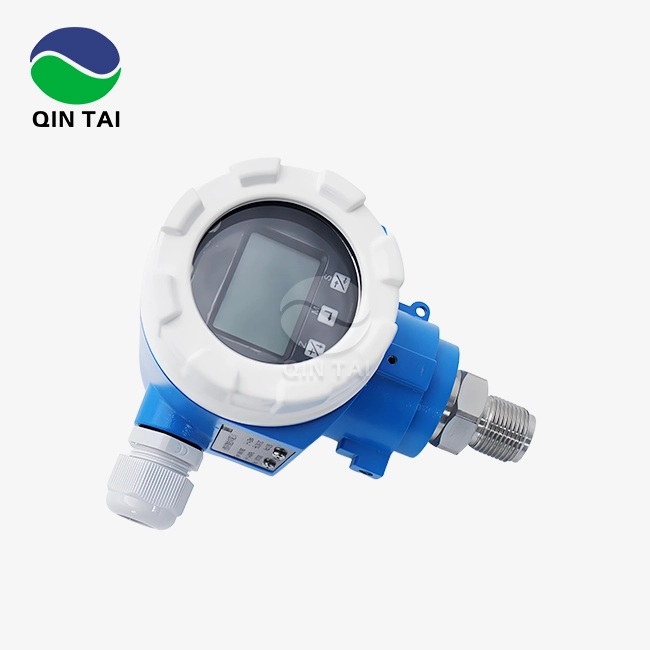
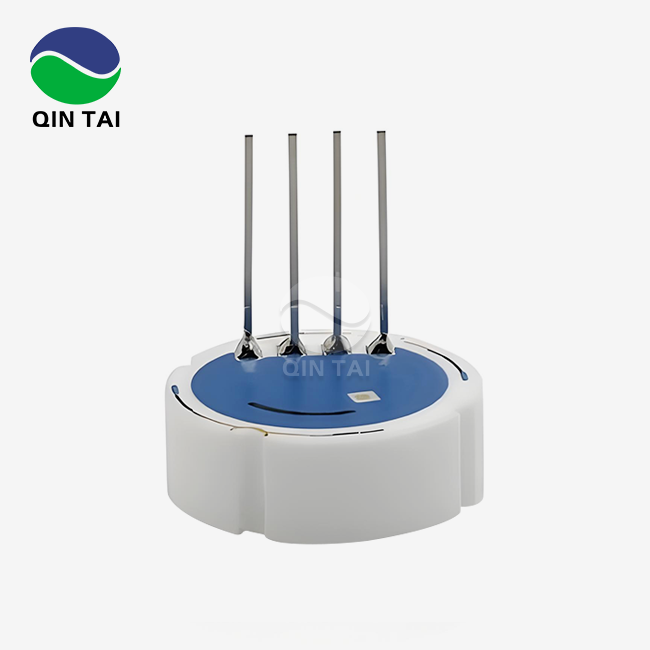

Our customers’ satisfaction speaks for our quality — contact us to experience the same reliable service.