- English
- French
- German
- Portuguese
- Spanish
- Russian
- Japanese
- Korean
- Arabic
- Greek
- German
- Turkish
- Italian
- Danish
- Romanian
- Indonesian
- Czech
- Afrikaans
- Swedish
- Polish
- Basque
- Catalan
- Esperanto
- Hindi
- Lao
- Albanian
- Amharic
- Armenian
- Azerbaijani
- Belarusian
- Bengali
- Bosnian
- Bulgarian
- Cebuano
- Chichewa
- Corsican
- Croatian
- Dutch
- Estonian
- Filipino
- Finnish
- Frisian
- Galician
- Georgian
- Gujarati
- Haitian
- Hausa
- Hawaiian
- Hebrew
- Hmong
- Hungarian
- Icelandic
- Igbo
- Javanese
- Kannada
- Kazakh
- Khmer
- Kurdish
- Kyrgyz
- Latin
- Latvian
- Lithuanian
- Luxembou..
- Macedonian
- Malagasy
- Malay
- Malayalam
- Maltese
- Maori
- Marathi
- Mongolian
- Burmese
- Nepali
- Norwegian
- Pashto
- Persian
- Punjabi
- Serbian
- Sesotho
- Sinhala
- Slovak
- Slovenian
- Somali
- Samoan
- Scots Gaelic
- Shona
- Sindhi
- Sundanese
- Swahili
- Tajik
- Tamil
- Telugu
- Thai
- Ukrainian
- Urdu
- Uzbek
- Vietnamese
- Welsh
- Xhosa
- Yiddish
- Yoruba
- Zulu
Where to Buy a Urea Injection System for Heavy-Duty Trucks
The most reliable channels to source the urea injection system for heavy-duty vehicles are authorised OEM dealers, direct manufacturers, and verified B2B distributors. The DEF dosing system must maintain high quality, comply with EPA Tier 4 Final or Euro VI standards, and deliver consistent atomisation under all operating conditions. OEM purchasing departments, SCR system integrators, and professional distributors have different objectives, but they share one core requirement: a system that operates reliably in field service without failure. This guide covers all the information you need to complete a successful purchase.


Understanding Urea Injection Systems for Heavy-Duty Trucks
How SCR Technology Works
It's also known as the AdBlue or AUS32. Diesel Exhaust Fluid ( DEF ) is a 32.5 % urea-water solution that is injected into the exhaust stream ahead of the SCR catalyst in a Selective Chemical Catalytic Reduction device . The urea is converted to ammonia (NH3) by the water and then combines with the NOx gases. Doing chemistry was easy:
CO(NH₂)₂ + H₂O → 2NH₃ + CO₂ 4NO + 4NH₃ + O₂ → 4N₂ + 6H₂O
Nitrogen oxides are turned into nitrogen and water vapor, which is a clean and useful end product.
Core Components of a DEF Dosing System
A full SCR aftertreatment system includes the DEF tank, supply pump, dose control unit (DCU), urea input nozzle, and SCR catalyst. Each part needs to work with the others. Most of the time, there is 5 to 9 bar of pressure inside the injection tube. This breaks up the oil into tiny drops that are spread out evenly in the line of exhaust.
Why Proper Atomization Matters
Urea crystallizes at the exhaust port because it wasn't atomized well enough. This is one of the most common places where things go wrong in the field. Urea crystals that build up stop the nozzle, making it hard to dose the right amount. A high-precision electromagnetic injection tip keeps the fine spray patterns even when the speed and temperature are very high, so this can't happen.
Key Factors to Consider When Buying a Urea Injection System
Technical Compatibility and Dosing Accuracy
Check the back pressure, exhaust temperature range, and dimensions of the urea injection system to ensure compatibility with your engine's SCR system. NOx conversion efficiency and DEF consumption are both directly tied to dosing performance. Equipped with closed-loop feedback control, these systems can maintain accurate dosing even under variable engine loads.
Durability in Harsh Operating Conditions
There are times when temperature changes, shocks, and dirt put stress on every part of a heavy-duty truck. These are in mines, on building sites, and on long-distance routes. AdBlue freezes at -11°C (12°F), so the DEF feed lines and injection tip need to be heated. You should look for systems that are made from materials that won't rust and can work in a range of temperatures.
Supplier Support and Spare Parts Availability
People who work with a system make it work. It's important for purchasing managers and R&D engineers to get quick technical support, understand the warranty terms, and know that spare parts are handy. Ask suppliers how long their lead times are, how often they stock, and if they offer technical support on-site for large fleet deployments.

Comparing Urea Injection System Suppliers and Brands
Several well-known brands make SCR dosing systems that are sold to heavy-duty customers all over the world. In Europe, a lot of different types of trucks use flexible dosing systems made by Bosch. Denso makes small units that fit best in engine bays with not much space. Does are built right into Cummins's own aftertreatment kits for engine lines. People all over the world know that these names have good expert documents and help networks.
China now has OEM-level suppliers that procurement teams should really think about if they want to meet their cost goals without sacrificing certification compliance. If you are looking for a company that has been around since 2001 and is accepted by ISO9001, IATF16949, CMC, CE, UL, and REACH, you can find it here.
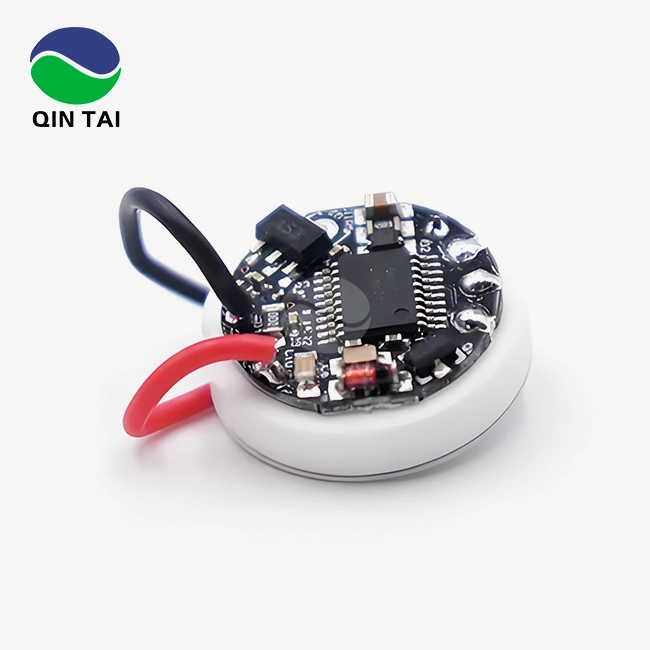
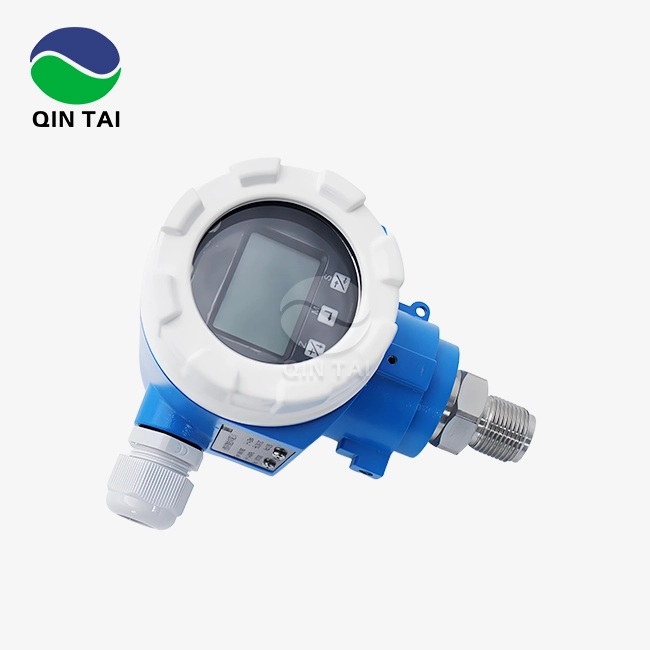
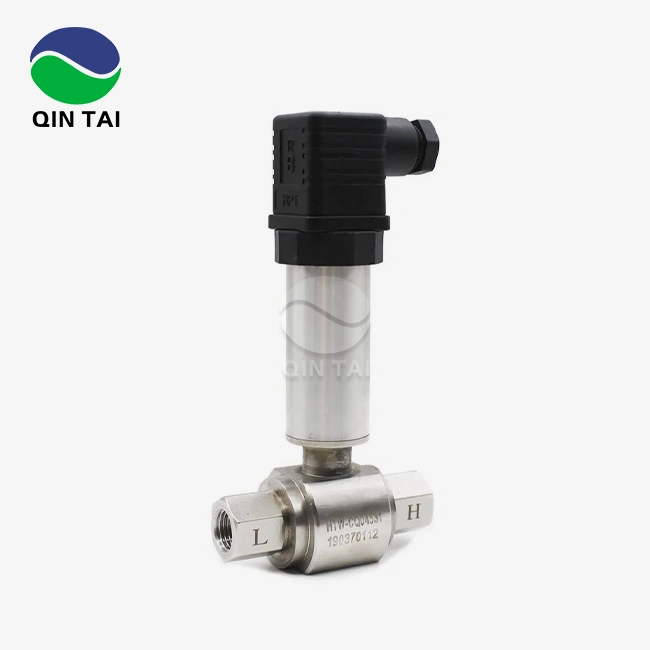
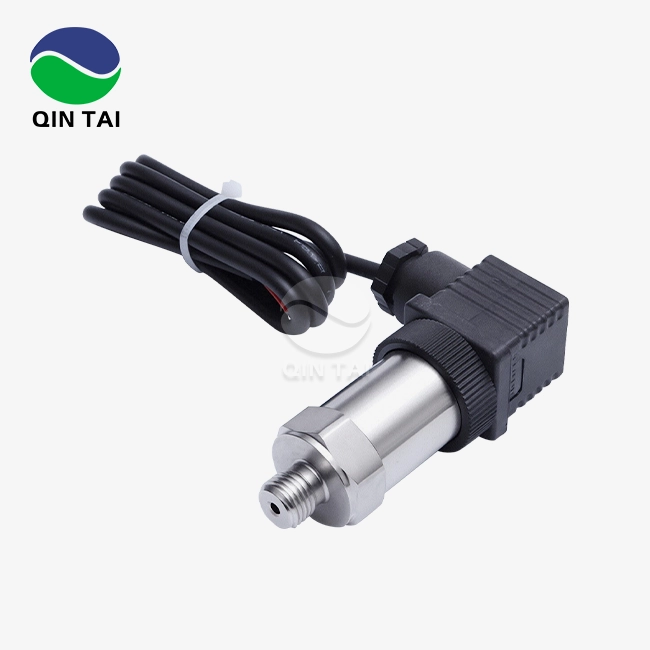
China has three major diesel engine manufacturers: Weichai Power, Yuchai Power, and Quanchai Power. Qintai holds the largest market share for SCR sensors and metering components in China, and is a key OEM supplier for the urea injection system.
These are the main things that make Qintai stand out for business-to-business deals:
- Certified quality assurance: ISO9001 and IATF16949 certifications back every product, with 58 invention patents filed to date.
- OEM/ODM production capacity: Qintai supports mass production with full customization for interface parameters, sensor compatibility, and dosing configurations.
- Global reach: Products are currently distributed across more than 60 countries, covering Europe, the Middle East, and South America.
- Fast delivery with technical support: The in-house R&D team provides direct application engineering support for integrators and OEM customers.
Because of these pros, Qintai is a good choice for purchasing managers who need to stick to strict cost limits and rules. You can look at their product details at qt-sensor.com.
Where and How to Buy Urea Injection Systems
Authorized OEM Dealers and Direct Manufacturers
It is best to buy a product from an OEM source or an approved dealer to be sure that it is real. People who buy in bulk from manufacturers don't have to pay markups when they buy directly from manufacturers. This is useful for companies that make fleets or integrate aftertreatment systems. You can also talk about prices and lead times.
B2B Online Platforms and Distributors
Checked DEF system suppliers can be found on Alibaba, Made-in-China, and Global Sources, among other sites. When shopping abroad for a lot of things, you should always ask for certification papers, product datasheets, and sample tests before you place your order. Suppliers you can trust will be happy to give them to you.
Pricing Trends and Negotiation Tips
Prices for raw materials used to manufacture control units and stainless steel components of the urea injection system stabilized in 2026. In previous years, pricing fluctuated due to supply chain volatility. Buyers ordering over 500 units at a time usually qualify for better unit prices and receive priority for production scheduling. If you have clear procurement timelines, inquire with the supplier about volume contract terms.
Making the Right Choice: Buyer's Checklist and Decision Tips
Align System Specs with Regulatory Requirements
Confirm that the DEF injection system you select carries documentation for the emission standard your fleet must meet — whether that's EPA Tier 4 Final, Euro VI, or China VI. Certification gaps create compliance liability.
Ask the Right Questions Before You Sign
Before finalizing a supplier agreement, these questions matter:
- What is the warranty period, and what does it cover specifically?
- Can the dosing unit be calibrated to our engine's ECU protocol?
- What is the average response time for technical support requests?
- Do you maintain safety stock for critical spare parts?
Getting clear answers to these questions protects your procurement team from surprises after delivery.
Evaluate After-Sales Responsiveness
After-sales support is a deciding factor for technical managers and supply chain teams. A supplier who takes days to answer a technical question is a liability on a production line. Prioritize partners with dedicated application engineers who understand your specific equipment configuration.
Conclusion
It is important to make sure that the technical specs of the urea injection system you are evaluating meet your emission compliance requirements. You should also examine supplier certifications and plan for long-term spare part availability. Carefully review datasheets and verify relevant certifications.
Then, choose a seller who will really help you with any technical issues. This is true whether you're an OEM engineering team, a company that builds SCR systems, or a company that sells aftermarket parts. People should be careful with Qintai because it has a history of success in China's top OEM market and has been selling its goods all over the world for a long time.

FAQ
How often does a urea injection nozzle need maintenance?
Maintenance intervals vary by operating conditions, but most OEM guidelines recommend inspecting the DEF nozzle every 100,000 to 150,000 kilometers. In dusty or extreme cold environments, earlier inspection is advisable to catch early-stage crystallization before it causes dosing failure.
How is a clogged urea nozzle cleaned?
There are three standard approaches. A technician can perform manual cleaning with specialized equipment to clear blockages. Many current systems include an automated self-cleaning cycle that flushes the nozzle with heated DEF fluid to dissolve urea crystal deposits. If neither resolves the issue, nozzle replacement is the next step.
Can a urea injection system be customized for specific engine models?
Yes. Reputable suppliers offer parameter-level customization for dosing volume, pressure thresholds, sensor interfaces, and control unit protocols. Qintai, for example, supports full OEM/ODM customization from product design through mass production.
Is urea injection more effective than EGR alone for NOx control?
According to EPA data, SCR systems using DEF injection can reduce NOx emissions by up to 90%, making them significantly more effective than EGR (Exhaust Gas Recirculation) alone in meeting current heavy-duty emission standards.
Partner with Qintai for Your Next Urea Injection System Order
Since 2001, Qintai has sold OEM users SCR aftertreatment parts in more than 60 countries. Qintai is a certified manufacturer of urea injection systems that has both ISO9001 and IATF16949 approval. They can make a lot of them, make them just the way you want them, and give you direct technical support for every use. If you need a dose module for a new engine platform or new nozzles for a fleet you already have, the team at Qintai is ready to talk about your specific needs. You can email info@qt-sensor.com or visit qt-sensor.com to find out more about a product or get a group price offer.
References
1. U.S. Environmental Protection Agency. Diesel Exhaust Fluid and Selective Catalytic Reduction for Heavy-Duty Vehicles. EPA, 2022.
2. International Organization for Standardization. ISO 22241: Diesel Engines — NOx Reduction Agent AUS 32. ISO, 2019.
3. Society of Automotive Engineers. SAE J2786: Urea Solution Handling and Storage for SCR Systems. SAE International, 2021.
4. Transport & Environment. Euro VI Heavy-Duty Vehicles: Real-World Emissions Performance. T&E, 2023.
5. Oak Ridge National Laboratory. Aftertreatment Technology for Heavy-Duty Diesel Engines: Performance and Durability Assessment. U.S. Department of Energy, 2022.
6. Frost & Sullivan. Global SCR Aftertreatment Systems Market for Commercial Vehicles: Growth Trends and Competitive Landscape. Frost & Sullivan, 2024.

Our customers’ satisfaction speaks for our quality — contact us to experience the same reliable service.