- English
- French
- German
- Portuguese
- Spanish
- Russian
- Japanese
- Korean
- Arabic
- Greek
- German
- Turkish
- Italian
- Danish
- Romanian
- Indonesian
- Czech
- Afrikaans
- Swedish
- Polish
- Basque
- Catalan
- Esperanto
- Hindi
- Lao
- Albanian
- Amharic
- Armenian
- Azerbaijani
- Belarusian
- Bengali
- Bosnian
- Bulgarian
- Cebuano
- Chichewa
- Corsican
- Croatian
- Dutch
- Estonian
- Filipino
- Finnish
- Frisian
- Galician
- Georgian
- Gujarati
- Haitian
- Hausa
- Hawaiian
- Hebrew
- Hmong
- Hungarian
- Icelandic
- Igbo
- Javanese
- Kannada
- Kazakh
- Khmer
- Kurdish
- Kyrgyz
- Latin
- Latvian
- Lithuanian
- Luxembou..
- Macedonian
- Malagasy
- Malay
- Malayalam
- Maltese
- Maori
- Marathi
- Mongolian
- Burmese
- Nepali
- Norwegian
- Pashto
- Persian
- Punjabi
- Serbian
- Sesotho
- Sinhala
- Slovak
- Slovenian
- Somali
- Samoan
- Scots Gaelic
- Shona
- Sindhi
- Sundanese
- Swahili
- Tajik
- Tamil
- Telugu
- Thai
- Ukrainian
- Urdu
- Uzbek
- Vietnamese
- Welsh
- Xhosa
- Yiddish
- Yoruba
- Zulu
Urea Dosing Pump Guide for Diesel Exhaust Treatment Systems
A urea dosing pump is one of the most important components in any diesel exhaust aftertreatment setup. It delivers DEF (Diesel Exhaust Fluid) — commonly known as AdBlue — from the storage tank to the SCR (Selective Catalytic Reduction) dosing module at precisely controlled pressure and flow rates. When the system works correctly, it breaks down harmful NOx emissions into harmless nitrogen and water vapor. For OEM engineers, fleet operators, and aftermarket suppliers, understanding how these pumps work directly affects regulatory compliance, system longevity, and total operating cost.
Understanding Urea Dosing Pumps: Principles and Applications
How the DEF Delivery System Works
The urea dosing pump pulls this fluid out of the DEF tank and presses it up. This moves it to the spray tip. It has a straight link to the Engine Control Unit (ECU). Real-time data from the NOx sensors, exhaust flow, and engine load tell the ECU how much of a dose to give. This closed-loop control makes sure that the NOx conversion efficiency stays above 90% most of the time. This is needed to meet emission standards for both China VI and Euro VI.
Common Pump Types Used in SCR Systems
Three types of pumps make up most of the SCR aftertreatment market:
- Diaphragm pumps handle pressure changes well and give the right amount. They are most often used in heavy-duty cars because they last a long time and don't harden when exposed to urea.
- Peristaltic pumps are easy to keep in good shape because the fluid only hits the tube and not the pump body. They work well with liquids that are thick.
- Gear pumps keep a steady flow of high-pressure fluid going, and they work well with industrial generator sets where stable output is more important than small changes in the amount of fluid used.
Each type has specific strengths. The dose won't be constant, the parts will wear out faster, and you might not meet your emission goals if you choose the wrong one.
Industrial and Automotive Applications
Urea dosing pump diesel systems can be found in heavy trucks, construction equipment, farm equipment, mine generators, and plants that clean industrial exhaust. Fixed generator sets are used in mines or as backup power. The pump has to be able to run for a long time, sometimes more than 10,000 hours, without losing its capability. For mobile farming tools, the most important things are safety from freezing and a small installation size.
Comparing Urea Dosing Pumps: Choosing the Right Solution
Automatic vs. Manual Dosing Systems
Automatic devices change the dose right away based on information from the ECU. In general, they use less DEF. It has been shown that automatic systems can cut fluid waste by up to 15% compared to manual systems with a fixed rate. At first, manual systems are cheaper, but there is a chance of either not doing enough, which can lead to NOx violations, or doing too much, which can damage the catalyst and cause ammonia to slip.
Key Performance Factors to Evaluate
When the engineering and purchasing teams pick out a urea dosing pump, these things should be taken into account:
- The flow rate range must match the engine's NOx output at all loads.
- Operating pressure: This is generally between 5 and 9 bar for SCR systems in cars.
- Material compatibility: If any part of the product gets wet, it must not rust in a 32.5% urea solution.
- Temperature range: In cold places, where DEF freezes at -11°C (12°F), you need parts that are built in to heat the DEF.
- ECU compatibility: Make sure that the target ECU, such as a Bosch system, uses the same CAN bus standard.
These things help the technical and buying teams agree on a specification before they start talking to suppliers. They also help narrow down the list of options quickly.
Market Reference Points
On the European market, both Grundfos and Siemens are known for making high-quality industrial dosing units. You can get certified, production-ready options from companies like Xi'an Qintai Automotive Emission Technology Co., Ltd. that work directly with ECUs and have prices that are good for big orders in Asia and around the world.

Maintenance, Troubleshooting, and Calibration for Optimal Performance
Routine Inspection and Cleaning
Clear parts of urea solution are left over when it dries. It gets stuck in filters and nozzles, and when the pressure drops, trouble codes appear. The filter should be changed every 15,000 km or 500 hours of use. Only warm water should be used to clean the tip; never chemicals. All of the hose connections should be visually checked for small leaks.
Common Failures and How to Fix Them
There are three main problems with SCR pumps that are reported from the field:
- Clogged strainer filters were fixed by replacing them with OEM parts as planned.
- Pressure sensor problems: Most are caused by water getting into the seals on the connectors. If the readings for resistance are too high or too low, you should get a new sensor.
- Pump motor failure: It's common for the motor to stop working after being frozen for a long time without being properly purged. Make sure the purge function is turned on every time the engine is turned off.
It will save a lot of money to not have to replace the catalyst if these problems are found early. One that isn't fixed can quickly destroy an SCR catalyst further down the line after only a few hundred hours of use.
Calibration Procedures
Since the doses are calibrated, they stay within the ±2% range that is needed for Euro VI compliance. Either a graded cylinder or a verified flow meter can be used to check output at different duty cycle points. You should re-calibrate and write down the data when you change a urea dosing pump or injector for service records. Today's ECUs come with diagnostic software that lets you do routines that calibrate the system while it's running. The process goes a lot faster this way.
Procurement Strategy: How to Buy and Where to Source Urea Dosing Pumps
Key Specifications to Include in RFQs
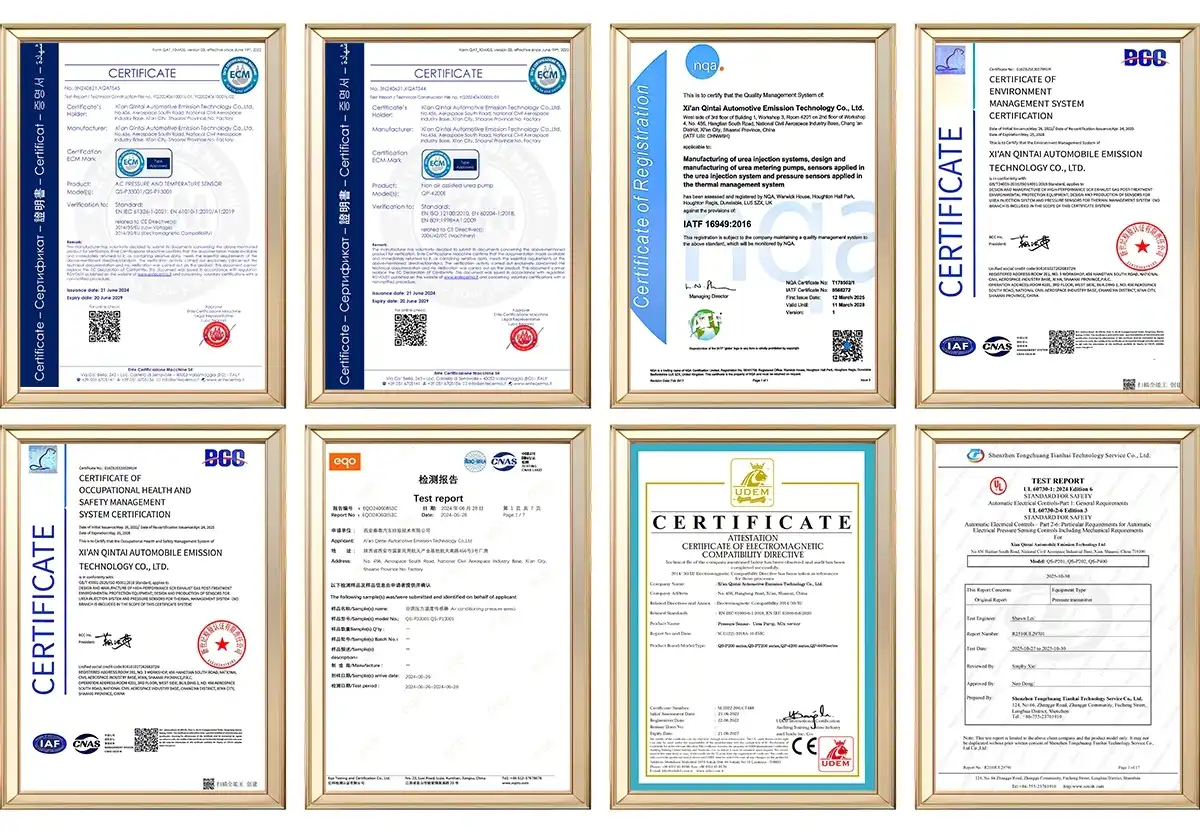
A well-written RFQ for a urea dosing pump supplier should include the operating voltage (12V or 24V DC), the rated flow rate, the pressure range, the temperature limits, the heater wattage, the type of connector, and any certifications that are needed. The very least that a product must have is ISO 9001 and IATF 16949 approval for markets that control emissions. For uses in risky places, you might also need ATEX or UL permission.
Wholesale vs. Retail Sourcing
Retail sourcing makes it easier for repair shops and dealers to get common SKUs faster when they need aftermarket replacement parts. Manufacturers can cut the cost per unit by 20–40% when OEMs and system integrators buy in bulk, and they can also change the specifications. Another thing that providers who do their own research and development can do is change the software maps, interface settings, or connection designs to work with certain ECUs.
Evaluating Supplier Credibility
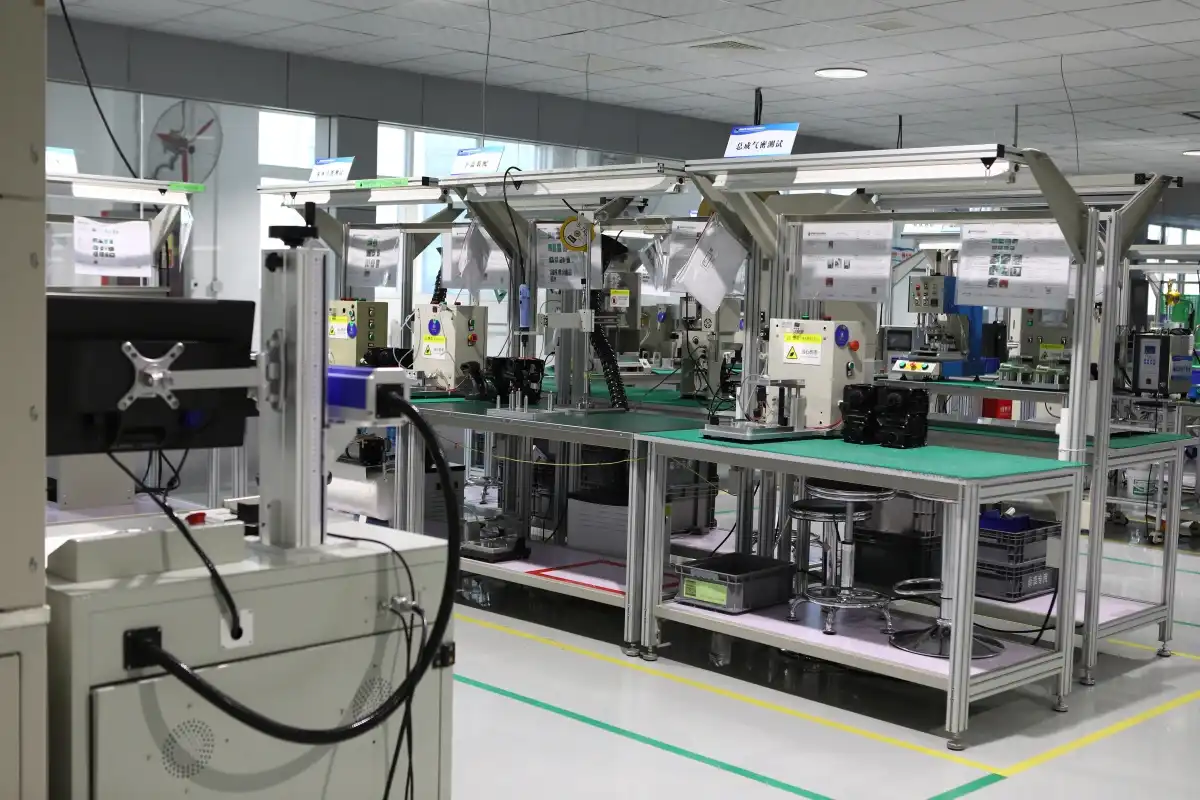
How reliable a supplier is depends on their production capacity, list of certifications, and how quickly they respond after the sale. The company Qintai has been around since 2001 and is the biggest OEM seller of SCR sensors and pumps in China. It's approved by many groups, such as ISO 9001, IATF 16949, CE, UL, CMC, and more. This business has sold to more than 60 countries. Weichai Power, Yuchai Power, and Quanchai Power all get a lot of their power from this company. The history makes it easy for both the buying team and the management team to trust the supplier.
Optimizing Urea Dosing Pump Performance for Diesel Exhaust Systems
Flow Rate Calibration and ECU Integration
How well NOx is changed depends on how well the flow rate is calibrated. The urea dosing pump output needs to match the engine power and waste mass flow signs. If you connect Qintai pumps to Bosch ECU systems the right way, the system changes dosing as soon as the load changes, which happens in milliseconds. At all engine speeds, this keeps emissions below the legal limit.
IoT Monitoring and Remote Diagnostics
Newer dosing systems can now record data on the CAN bus and use telematics platforms to check for issues from afar. This lets people in charge of the fleet see if a pump is wearing out before it breaks. To make dose maps work better for different job cycles, engineers need to keep track of real-time data on temperature and pressure. That makes better use of DEF across a group.
Regulatory Trends Shaping Pump Design
China VI and Euro VI rules are already lowering NOx levels below 0.4 g/kWh. Soon, both markets will have new rules that are likely to make limits even tighter and add more tracking standards. You won't have to pay extra for pumps that come with built-in diagnostics, freeze protection, and tested ECU support. These features will be built in.
Conclusion
You can meet emission standards better, have your system run longer, and save money on long-term costs if you choose the right urea dosing pump and take care of it. Choose carefully when picking parts for a new platform, as an OEM engineer, as a system designer, or as a parts manager looking for safe replacements. The decisions you make at the component level will affect the whole system lifecycle. The engineering and procurement teams can make smart decisions when they know about source standards, pump types, and how well they work with ECUs.
FAQ
How often should a urea dosing pump be calibrated?
You have to adjust every time you switch out the urea dosing pump or injection. A calibration check once a year or at regular service intervals (for heavy cars, every 100,000 km) is enough as long as everything works right. Always write down the results as proof that you followed the rules.
What causes most urea pump failures?
It's mostly because urea crystals block the filter or nozzle, you don't do enough purge cycles, or water gets in and corrodes the connectors. Most of these problems can be avoided by having repairs done on time.
Can Qintai pumps work with Bosch ECU systems?
Yes, Qintai urea pumps are designed to work with Bosch ECU control methods and common CAN bus transmission protocols used in Euro VI and China VI systems.
What certifications should I require from a supplier?
At the very least, you need ISO 9001 and IATF 16949 for use in the car industry. Other licenses that you might need depend on the market are CE, UL, or CMC.
Is the DEF pump the same as an SCR pump?
They mean the same thing most of the time. A "DEF pump," an "AdBlue pump," a "urea dosing pump," and an "SCR pump" are all names for the same thing: a machine that presses urea solution into the plug.
Partner With Qintai for Your Next Urea Dosing Pump Project
Certified SCR aftertreatment parts from Qintai have been sold to important engine makers in more than 60 countries for more than 20 years. We make urea dosing pumps and can make OEM, ODM, and custom designs. Our systems range from small 12V units for cars to industrial-grade ones for mines and power plants. Need a technical review, a quote for a large order, or a custom specification? Our team is ready to help. Please email us at info@qt-sensor.com or visit qt-sensor.com to see all of our gear.
References
1. SAE International Journal of Engines — "SCR System Performance and Urea Dosing Accuracy Under Transient Load Conditions," SAE International, 2021.
2. Emission Control Science and Technology — "Advances in Selective Catalytic Reduction for Heavy-Duty Diesel Engines," Springer, 2020.
3. Journal of Cleaner Production — "Impact of DEF Quality and Dosing Precision on NOx Reduction Efficiency," Elsevier, 2022.
4. Diesel Progress North American Edition — "Euro VI and China VI Compliance Strategies for Diesel OEMs," Diesel Progress, 2021.
5. International Journal of Engine Research — "Control Strategies for Urea-SCR Systems in Commercial Vehicles," SAGE Publications, 2019.
6. Applied Thermal Engineering — "Thermal Management and Freeze Protection in AdBlue Delivery Systems," Elsevier, 2023.

Our customers’ satisfaction speaks for our quality — contact us to experience the same reliable service.