- English
- French
- German
- Portuguese
- Spanish
- Russian
- Japanese
- Korean
- Arabic
- Greek
- German
- Turkish
- Italian
- Danish
- Romanian
- Indonesian
- Czech
- Afrikaans
- Swedish
- Polish
- Basque
- Catalan
- Esperanto
- Hindi
- Lao
- Albanian
- Amharic
- Armenian
- Azerbaijani
- Belarusian
- Bengali
- Bosnian
- Bulgarian
- Cebuano
- Chichewa
- Corsican
- Croatian
- Dutch
- Estonian
- Filipino
- Finnish
- Frisian
- Galician
- Georgian
- Gujarati
- Haitian
- Hausa
- Hawaiian
- Hebrew
- Hmong
- Hungarian
- Icelandic
- Igbo
- Javanese
- Kannada
- Kazakh
- Khmer
- Kurdish
- Kyrgyz
- Latin
- Latvian
- Lithuanian
- Luxembou..
- Macedonian
- Malagasy
- Malay
- Malayalam
- Maltese
- Maori
- Marathi
- Mongolian
- Burmese
- Nepali
- Norwegian
- Pashto
- Persian
- Punjabi
- Serbian
- Sesotho
- Sinhala
- Slovak
- Slovenian
- Somali
- Samoan
- Scots Gaelic
- Shona
- Sindhi
- Sundanese
- Swahili
- Tajik
- Tamil
- Telugu
- Thai
- Ukrainian
- Urdu
- Uzbek
- Vietnamese
- Welsh
- Xhosa
- Yiddish
- Yoruba
- Zulu
Which Water Pressure Sensor Switch Work Best in Harsh Environments
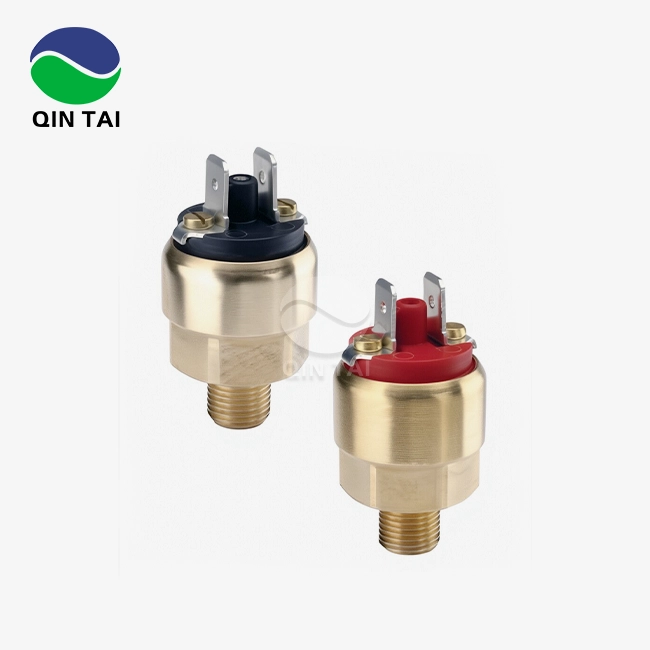
Selecting the right Water pressure sensor switch for harsh industrial conditions requires understanding both the environmental challenges and the technological solutions available. In demanding applications like diesel engine aftertreatment systems, heavy construction machinery, and generator sets, sensors face extreme temperatures ranging from -40°C to 100°C, constant vibration, corrosive exhaust gases, and moisture exposure. Industrial-grade pressure transducers equipped with stainless steel housings, advanced sealing technology rated IP67 or IP68, and robust sensing elements deliver the reliability needed to prevent costly system failures and ensure compliance with stringent emission regulations.

Understanding Harsh Environment Challenges for Pressure Water Sensors
In industrial settings, pressure water sensors have to work under a lot of conditions that are very different from normal ones. When procurement managers and R&D engineers understand these problems, they can make smart choices that lower maintenance costs and increase system uptime.
Extreme Temperature Fluctuations Impact Sensor Accuracy
In diesel engine uses, temperature swings of more than 150°C happen often to pressure water sensors during operating cycles. These changes make sensing elements expand when they get hot, which causes zero-point drift and span errors that lower the accuracy of measurements. To keep their calibration over a wide range of temperatures, good sensors have temperature adjustment circuits and use materials with matched thermal expansion factors.
Vibration and Mechanical Shock Cause Component Fatigue
Heavy trucks, building equipment, and farm equipment all make constant vibrations that wear out internal pressure water sensor parts faster. Impacts and rough terrain can cause mechanical shocks that can break ceramic sensing elements or damage electrical connections. For these uses, industrial sensors have stronger mounting structures, electronics that are housed in pots to reduce vibrations, and bendable wire strain reliefs that take in mechanical stress without passing it on to sensitive parts.
Corrosive Media and Moisture Ingress Degrade Performance
Pressure water sensors are exposed to collected water mixed with sulphuric and nitric acids that are made during burning in exhaust aftertreatment systems. Standard materials break down in this corrosive environment, leading to building damage and electrical link problems. Wetted parts made of 316L stainless steel, gold-plated electrical contacts, and hermetically sealed circuits give these sensors the chemical protection they need to work for a long time in these harsh conditions.
Types of Pressure Water Sensors Suitable for Harsh Environments
Based on the needs of the application, each Water pressure sensor switch technology has its own unique benefits. Technical managers can choose sensors that combine efficiency, longevity, and cost-effectiveness when they know about these differences.
Strain Gauge Sensors Provide Robust Industrial Performance
Because it is reliable and cost-effective on a large scale, strain gauge technology is used a lot in difficult environments. The diaphragm in these pressure water sensors is made of metal and is bonded to resistive elements that change their electrical properties when they are deformed by pressure. The technology gives very accurate readings (within 0.5% of full scale), a large pressure range (0 to 20 Bar), and better shock resistance. Strain gauge sensors are perfect for OEM uses that need to make a lot of them and make sure they have a steady supply for a long time because of the way they are made.
Piezoelectric Sensors Excel in Dynamic Pressure Measurement
Piezoelectric pressure water sensors respond very quickly—within one millisecond—by producing an electrical charge that is related to the pressure that is applied. Because of this, they are very useful for studying diesel burning and keeping an eye on rapid pressure changes. However, they can't measure static pressure and are sensitive to changes in temperature, which means they can't be used in continuous monitoring situations that are common in aftertreatment systems. This tech works better in specialised testing areas than in normal operational sensing.
Capacitive Sensors Deliver High Precision with Minimal Drift
Capacitive pressure water sensors find changes in capacitance between parallel plates that show when the diaphragm bends. With very little temperature change and little power use, these monitors are very accurate (±0.1% full scale). Because they are solid-state, they don't have any mechanical failure places like other systems do. Because they are harder to make, capacitive sensors are only used in situations where high measurement accuracy is worth the extra cost, like systems that check that emissions rules are followed.
Industrial-Grade Versus Residential-Grade Construction Standards
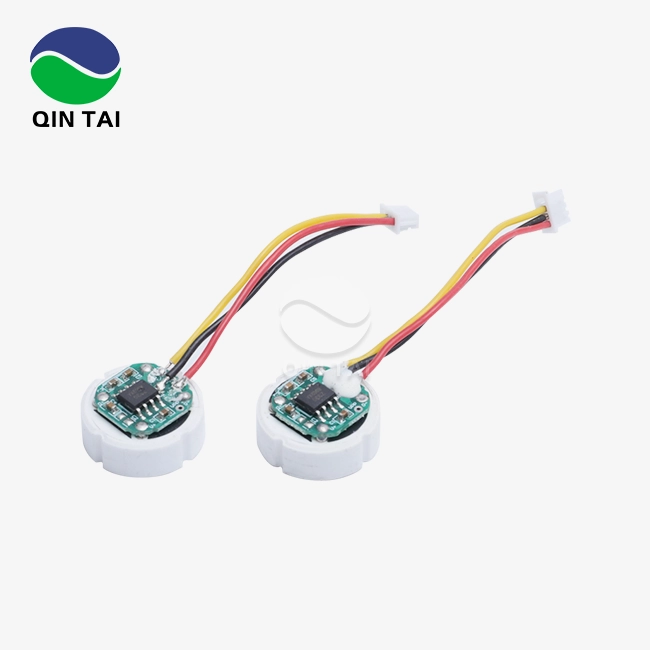
Industrial pressure water sensors have features that home sensors don't have, like welding stainless steel housings instead of plastic ones, ceramic or sapphire sensing elements instead of silicon chips, and military-grade electrical connections that can mate over 10,000 times. These changes in building have a direct effect on the mean time between failures (MTBF). Industrial units can last over 50,000 hours, while residential sensors can only last 5,000 hours. When purchasing managers look at lifetime costs, they should know that even though industrial sensors cost more at first, they have a much lower total cost of ownership because they don't need to be replaced as often and don't need as much upkeep.
Key Factors When Choosing Pressure Sensors for Difficult Conditions
When choosing Water pressure sensor switch for harsh settings, it's important to carefully compare their technical specs to their working needs. This decision process helps purchasing managers find a good mix between the need for success and the limited budget.
Accuracy and Response Time Determine System Performance
Accuracy of measurements has a direct effect on how well pollution control systems work and how well they follow the rules. To make sure the right amount of urea is added, SCR systems need pressure water sensors that are accurate to within ±1%. For DPF regeneration control, reaction times must be less than 50 milliseconds to stop thermal runaway. Sensors that meet China VI and Euro VI standards usually have combined error budgets that stay within tolerance across the whole operating temperature range. These error budgets include linearity, hysteresis, and repeatability.
Environmental Ratings Validate Harsh Condition Suitability
Ingress protection ratings are a standard way to check how well a pressure water sensor seal works. IP67 approval means that the product will be safe even if it gets wet up to 1 metre for 30 minutes. This is enough time for most mobile equipment uses. IP68-rated sensors can handle being submerged in water for a long time, which is needed for marine applications or equipment that works in wet conditions. In addition to being waterproof, sensors must also be able to withstand certain chemicals that are found in diesel exhaust vapours. This is done through material compatibility testing.
Certification Requirements Ensure Regulatory Compliance
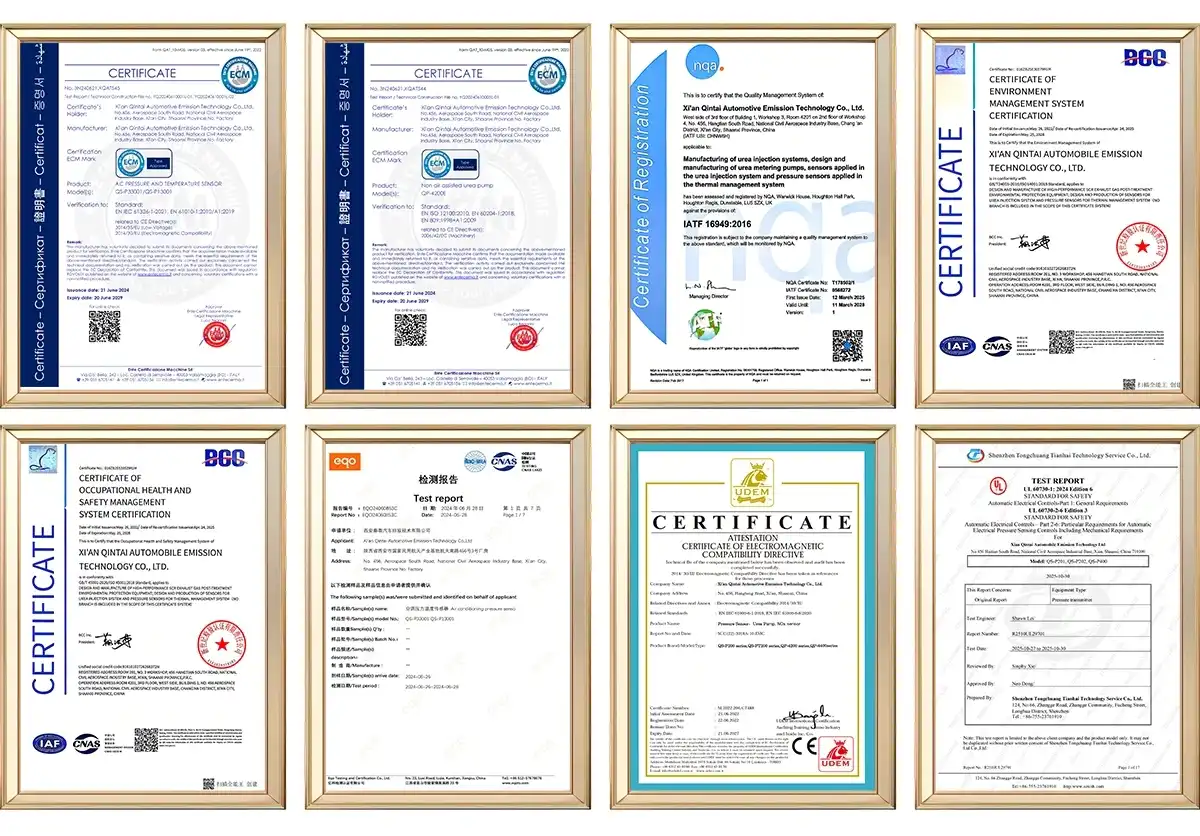
OEMs of diesel engines need pressure water sensors that have certifications that show they meet quality standards and pollution rules for cars. IATF16949 certification verifies quality control methods used in manufacturing, especially for making cars. EMC (electromagnetic compatibility) and low voltage directive compliance are confirmed by the CE mark, which is necessary for European markets. RoHS and REACH standards deal with limits on materials and growing concerns about chemical safety in global supply lines.
System Compatibility Enables Seamless Integration
Pressure water sensors and electronic control units (oecus) are connected to each other in modern aftertreatment systems using standard communication methods. Sensors with output signals that can be set (ratiometric 0.5–4.5V, current loop 4–20mA, or CANbus digital communication) make it possible for different control architectures to work. By getting rid of adapter hardware and making installation easier, customisable parameters like pressure range, electrical connector type, and mounting thread specifications lower the cost of integration.

Comparing Top Pressure Sensors in 2026 for Harsh Environments
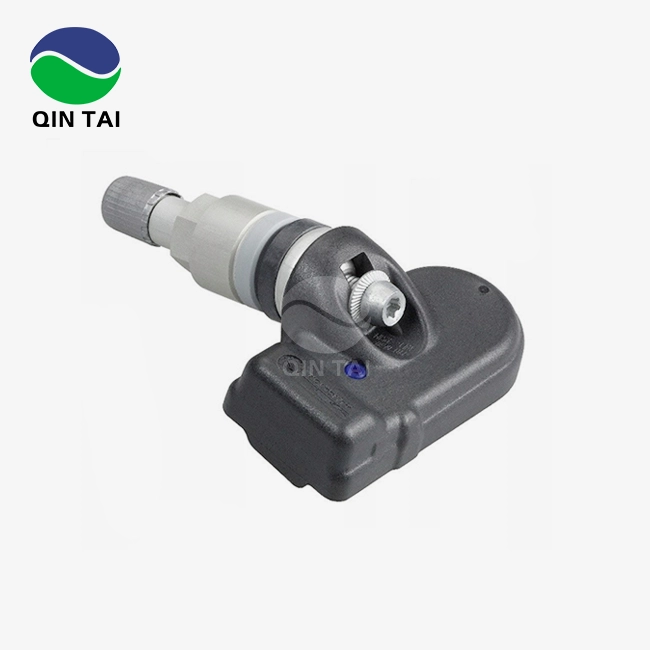
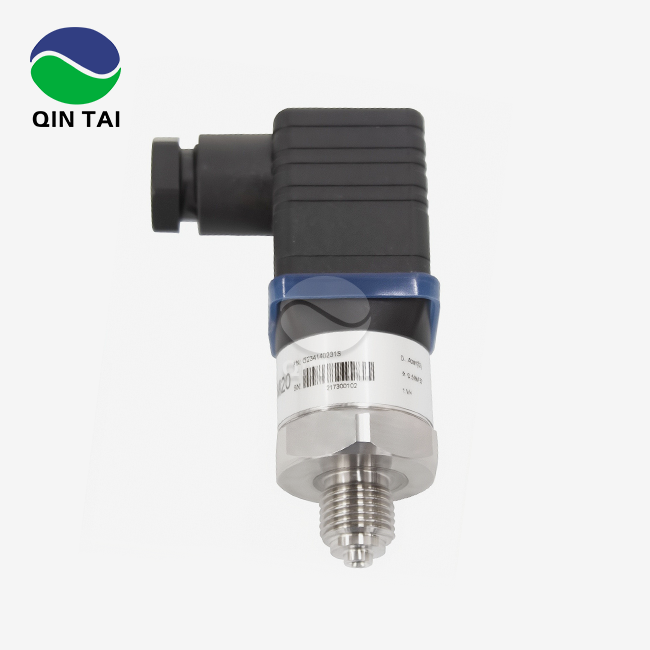
Pressure water sensors that meet strict car and industry standards have been made by big companies like Honeywell and Bosch as well as new Chinese companies like Qintai. Qintai sensors, which are certified to ISO9001 and IATF16949 standards, are used by major Chinese diesel engine makers like Weichai, Yuchai, and Quanchai as key parts. These sensors can measure pressures from 0 to 20 Bar and are accurate to within 0.5% of the full scale. They can also work in temperatures ranging from -40°C to 125°C and are protected against the elements with IP67 rating.
A price-performance study shows that buying in bulk can bring in a lot of value. Premium European names charge between $80 and $150 per unit for small orders, but when you buy 1,000 or more units a year or more through high-volume OEM partnerships with qualified Chinese manufacturers, you can get the same technical specs for $25 to $45 per unit. This difference in cost has a big effect on the project economics for equipment makers who want to keep quality standards high while keeping component costs low.
IP68 waterproof pressure water sensors have extra sealing features like double O-ring designs, conformal coating on circuit boards, and electrical feedthroughs that are completely sealed. These features make the small price increases (15–25% more than IP67 units) worth it for uses like pressure washing, marine settings, or farming equipment that gets sprayed with chemicals. The investment stops failures in the field that cost a lot more in warranty costs than the initial savings on the parts.
Installation, Calibration, and Maintenance Best Practices in Harsh Environments
Following the right steps for installation and care will make Water pressure sensor switch more reliable and accurate measurements for as long as they are used. These steps cut down on downtime and make parts last longer.
Mounting Techniques Protect Against Environmental Stress
The position of the pressure water sensor base has a big effect on its performance and lifespan. By putting sensors at system high points, you can stop condensation from building up and causing damage from corrosion and freezing. Electrical plugs should be orientated so that they face downwards so that water can drain away from the connections instead of pooling around them. When installing, it is very important to carefully follow the torque specs. If you tighten too much, the sensing element can become distorted, which can lead to measurement mistakes. If you loosen too little, leak paths for contaminants can form.
Calibration Intervals Maintain Measurement Integrity
When pressure water sensors are used in difficult conditions, they need to be checked on a regular basis to find drift before it affects system performance. At installation, the initial baseline correction should be written down so that reference numbers can be used for future checks. Most fixed uses, like generator sets, only need to be recalibrated once a year. However, mobile equipment that is subject to a lot of vibration and temperature changes should be checked every six months. As part of the calibration process, the sensor output should be checked at the lowest, middle, and highest pressure levels across the full range of operating temperatures.
Proactive Maintenance Prevents Unexpected Failures
Visual inspection schedules that look for early warning signs stop failures from getting out of hand. Corroded electrical connections, damage to the housing or wires, and contamination buildup on the detecting ports are all signs of problems that can be fixed before the pressure water sensor fails. By keeping a supply of important extra sensors on hand, you can keep production running smoothly when replacements are needed. Writing down the different ways that sensors can fail shows that there are systemic problems that need to be fixed by making changes to the design or the way the sensors are used to make them more reliable.
Conclusion
In conclusion, when choosing Water pressure sensor switch for tough industrial settings, you need to think carefully about the sensing technology, the quality of the build, whether the sensors meet approval requirements, and the total cost of ownership. Automotive-quality certifications, IP67 or IP68 environmental protection, and industrial-grade strain gauge sensors made of stainless steel give diesel engine aftertreatment systems, heavy equipment, and generators the dependability they need.
A good procurement process combines the initial prices of parts with their lifecycle costs, such as upkeep, downtime, and how often they need to be replaced. Partnering with suppliers that offer customisation options, technical support, and proven mass production capacity ensures a stable supply chain over the long term and ongoing product improvement that keeps up with changing regulations and technology progress.
FAQ
What pressure range should I specify for diesel engine aftertreatment applications?
For DPF differential pressure monitoring, most diesel aftertreatment systems need pressure water sensors that measure between 0 and 10 Bar. For SCR urea injection systems, they need sensors that measure between 0 and 20 Bar. Normal working pressures should be able to fall within 20–80% of full scale within the chosen range. This will give the highest level of accuracy while still leaving room for short-term pressure spikes. Talk to the company that makes your engine control system to make sure you know the exact needs based on the size of the engine and how it is treated afterward.
How do I verify sensor compatibility with my existing control system?
How can I be sure that the pressure water sensors I want to buy will work with my current control system? Check three things to make sure they work together: the type of output signal (voltage, current, or digital), the setup of the electrical connectors, and the communication technique if you are using digital sensors. Get interface specifications from the company that makes your sensors and compare them to the input requirements for your ECU. A lot of companies, including Qintai, let you change the interfaces and settings of their sensors so they can work with your current system without having to change the control system or buy extra gear.
What warranty terms should I expect for industrial pressure sensors?
Standard guarantee coverage for industrial-grade pressure water sensors usually lasts between 12 and 24 months from the date of installation. It covers production flaws and material failures, but not damage caused by poor installation, operation beyond specs, or environmental factors that are too harsh. When OEM partnerships sign multi-year supply agreements with minimum annual volumes, they often negotiate longer warranty terms (36 to 60 months). This shows that the supplier trusts the reliability of the product and wants to build long-term relationships with customers.
Partner with Qintai for Reliable Pressure Sensor Solutions
Qintai Automotive Emission Technology Co., Ltd. Ltd. sells industrial-grade pressure water sensors that are designed to work in harsh environments like diesel engine aftertreatment, heavy machinery, and power systems. We are a national high-tech company that has been around since 2001. We have many certificates, such as ISO9001, IATF16949, CE, RoHS, and REACH, that show we are committed to meeting international quality standards. Our independent research and development team has been granted 58 invention patents.
This allows them to keep coming up with new ideas that make sensors work better and be more reliable. As the main OEM pressure water sensor provider to Weichai Power, Yuchai Power, and Quanchai Power, three of China's top diesel engine makers, we have the mass production capacity and supply chain steadiness that you need to feel safe about your purchase. We offer full customisation services that can change everything about a sensor to fit your specific needs, from the pressure ranges and electrical interfaces to the mounting options and output protocols.
Our technical support team is available after the sale to help with integration issues and make sure the sensors work at their best throughout the lifecycle of your product. Get in touch with us at info@qt-sensor.com to talk about your pressure sensing needs and find out how our low-cost, high-reliability solutions can lower your total cost of ownership while still meeting legal standards and ensuring business excellence.
References
1. Society of Automotive Engineers (SAE). (2023). "Surface Vehicle Recommended Practice J1979: E/E Diagnostic Test Modes." SAE International Standards.
2. International Electrotechnical Commission (IEC). (2022). "IEC 60529: Degrees of Protection Provided by Enclosures (IP Code)." Third Edition.
3. Bao, M.H. (2021). "Micro Mechanical Transducers: Pressure Sensors, Accelerometers and Gyroscopes." Handbook of Sensors and Actuators, Volume 8, Elsevier Science.
4. Fraden, J. (2022). "Handbook of Modern Sensors: Physics, Designs, and Applications." Sixth Edition, Springer International Publishing.
5. ISO Technical Committee 22. (2023). "ISO 11452 Parts 1-11: Road Vehicles - Component Test Methods for Electrical Disturbances." International Organization for Standardization.
6. Webster, J.G. & Eren, H. (2024). "Measurement, Instrumentation, and Sensors Handbook: Electromagnetic, Optical, Radiation, Chemical, and Biomedical Measurement." Second Edition, CRC Press.

Our customers’ satisfaction speaks for our quality — contact us to experience the same reliable service.