- English
- French
- German
- Portuguese
- Spanish
- Russian
- Japanese
- Korean
- Arabic
- Greek
- German
- Turkish
- Italian
- Danish
- Romanian
- Indonesian
- Czech
- Afrikaans
- Swedish
- Polish
- Basque
- Catalan
- Esperanto
- Hindi
- Lao
- Albanian
- Amharic
- Armenian
- Azerbaijani
- Belarusian
- Bengali
- Bosnian
- Bulgarian
- Cebuano
- Chichewa
- Corsican
- Croatian
- Dutch
- Estonian
- Filipino
- Finnish
- Frisian
- Galician
- Georgian
- Gujarati
- Haitian
- Hausa
- Hawaiian
- Hebrew
- Hmong
- Hungarian
- Icelandic
- Igbo
- Javanese
- Kannada
- Kazakh
- Khmer
- Kurdish
- Kyrgyz
- Latin
- Latvian
- Lithuanian
- Luxembou..
- Macedonian
- Malagasy
- Malay
- Malayalam
- Maltese
- Maori
- Marathi
- Mongolian
- Burmese
- Nepali
- Norwegian
- Pashto
- Persian
- Punjabi
- Serbian
- Sesotho
- Sinhala
- Slovak
- Slovenian
- Somali
- Samoan
- Scots Gaelic
- Shona
- Sindhi
- Sundanese
- Swahili
- Tajik
- Tamil
- Telugu
- Thai
- Ukrainian
- Urdu
- Uzbek
- Vietnamese
- Welsh
- Xhosa
- Yiddish
- Yoruba
- Zulu
Why Urea Dosing Pressure Sensor Improves Injection Accuracy
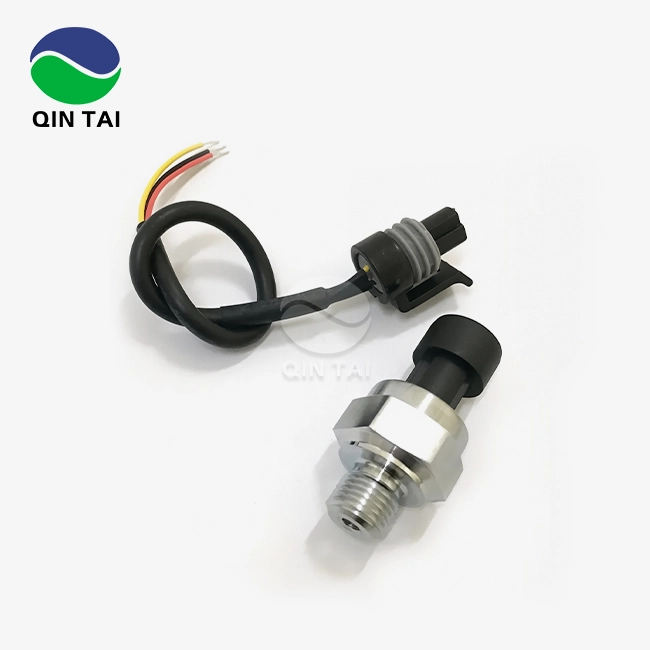
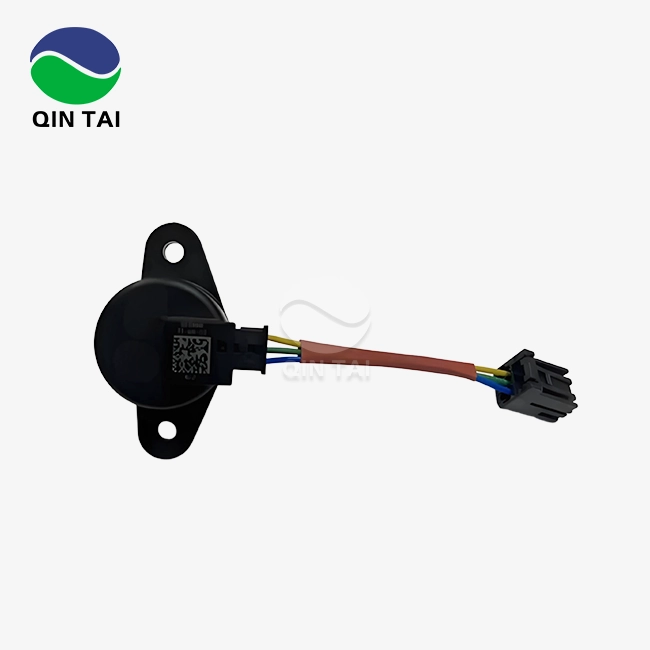
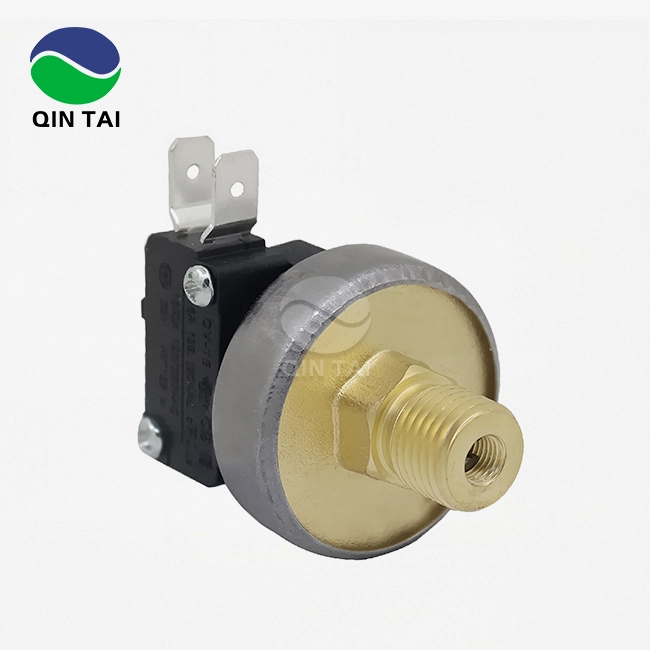
A urea dosing pressure sensor is a precision device embedded in the SCR (Selective Catalytic Reduction) system of modern diesel engines. It monitors the hydraulic pressure of Diesel Exhaust Fluid (DEF/AdBlue) in real time and sends feedback to the Dosing Control Unit (DCU) or Engine Control Unit (ECU). This continuous pressure signal allows the system to calculate and deliver the exact volume of urea needed to reduce NOx emissions. Without accurate pressure data, the SCR system cannot dose correctly, leading to emission non-compliance, urea crystallization, and potential engine limp mode—all costly outcomes for OEMs and fleet operators.
Understanding the Role and Function of Urea Dosing Pressure Sensors
How the Sensor Works Within an SCR System?
The monitor is inside the urea dose module and checks the fluid's pressure in a number of different setting. The Qintai QS-P226 can measure pressures from -14 psi to +130.5 psi and sends out a pulse with a ratio of 0.5 to 4.5 VDC. The DCU reads this signal and then changes the duty cycle or speed of the dose pump to match. This closed-loop feedback device makes sure that the amount of DEF sent stays the same no matter what the temperature, load, or pressure is.
Stabilizing Injection Volume and SCR Efficiency
The amount of injection is directly controlled by stable pressure. A system either overdoses, wasting urea and raising the chance of ammonia slip, or underdoses, raising NOx levels above Euro VI and EPA Tier 4 Final standards. This happens when pressure changes more than what was set. When driving in real life, the dose window stays small enough with a monitor like the QS-P226 that is accurate to within 0.5 percent.
Common Failure Symptoms and Troubleshooting
When a DEF pressure sensor fails or drifts, the ECU stores trouble codes like P204B (Pressure Sensor Circuit Range/Performance). Other clear signs include injection bursts that don't work right, higher NOx levels on OBD devices, and unusual use of AdBlue. Putting a pressure reference gage on the live output of the sensor right away can help figure out if the issue is due to signal drift, a dirty connection, or internal diaphragm fouling. Following this diagnostic approach helps technicians quickly isolate faults in a urea dosing pressure sensor.
Comparison and Selection Criteria for Urea Dosing Pressure Sensors
Pressure vs. Flow and Temperature Sensors
At the tip of the needle, flow sensors measure how much fluid is going through a system and temperature sensors measure how hot or cold it is. However, neither of these can confirm the real injection pressure. Real-time hydraulic data that shows the injector is working within the pressure range it was designed for can only be gotten from a special pressure sensor. So, for OEM integration, the pressure sensor is the main output for control, and the flow and temperature sensors are the other two for diagnosis.
Analog vs. Digital Output for OEM Integration
An analog output sensor like the QS-P226 is easy to connect to ECU calibrations that are already in place because it has a signal that ranges from 0.5 VDC to 4.5 VDC. They don't need any extra layers of communication protocols, so there is less chance that they will merge when they are made in large numbers. Newer platform ECUs work better with digital output sensors that are based on SENT or CAN. These sensors have better precision and can handle noise better. OEM R&D staff should check the output type of a sensor to make sure it works with their ECU's input standard before choosing it.
Key Selection Criteria for 2026 and Beyond
When people in charge of buying new platforms look at AdBlue pressure sensors, they should keep the following in mind:
- Accuracy: Sensor accuracy at ±0.5% Full Scale directly impacts NOx compliance margins under real-world driving cycles.
- Chemical Compatibility: The sensing diaphragm must resist 32.5% aqueous urea corrosion; 316L stainless steel or PPS materials are the accepted standards.
- Freeze-Cycle Resilience: AdBlue expands approximately 9% when frozen; the sensor's internal structure must accommodate this without signal drift.
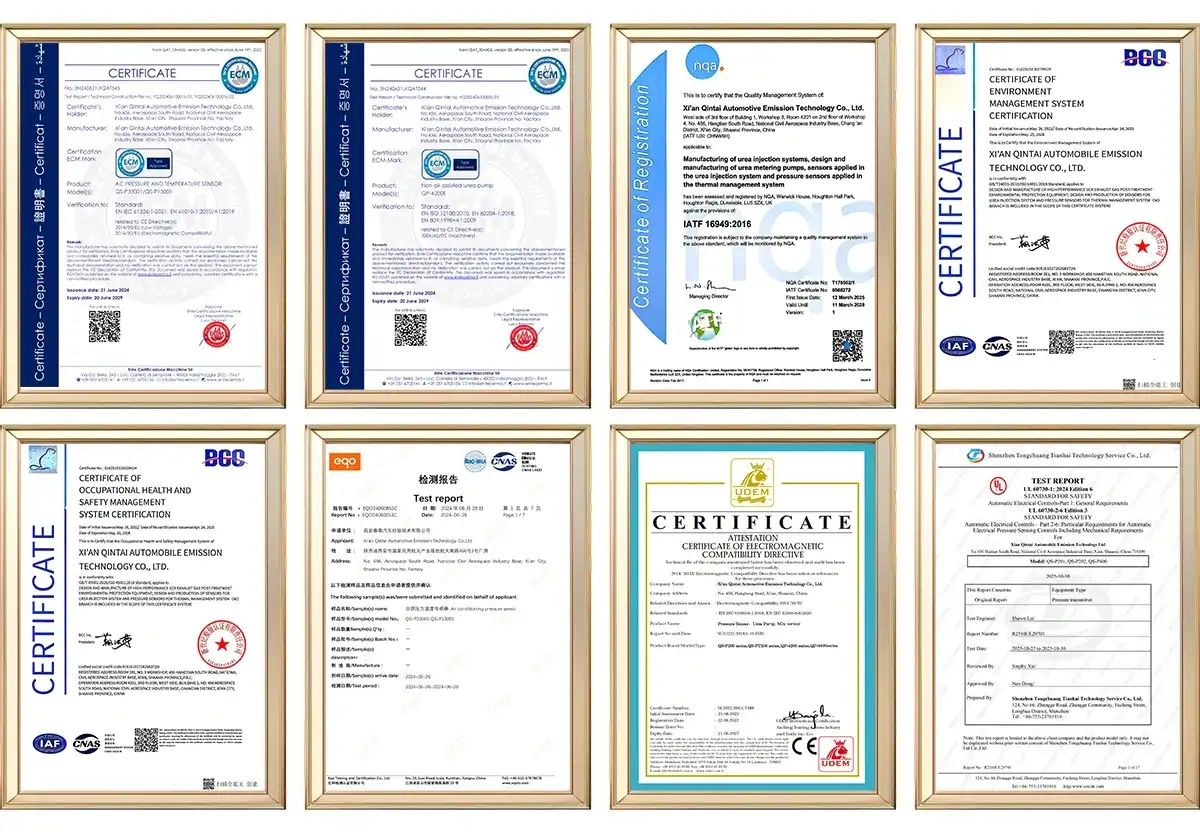
- Certification: ISO9001 and IATF16949 certification from the supplier signals process discipline and traceable quality control. These two factors are essential when evaluating a urea dosing pressure sensor for cold-climate and high-volume OEM applications.
Installation, Calibration, and Maintenance Best Practices
Step-by-Step Installation Guidelines
The first step in a proper installation is to make sure that the threads fit together. These days, M10²1 and M12²1.5 threads are most often used in SCR dose units. Use a thread sealer that works with DEF and make sure the bolts are tight enough to meet OEM standards (10–15 Nm). If you tighten them too much, the sensor body could crack. Avoid putting the wires near heat sources and make sure the harness is tight so the connection doesn't wear out from shaking.
Calibration Routines and Tools
Once the ECU is set up, it needs to go through an adaptation cycle before the sensor output is stable. You should use a diagnostic scanner to make sure that the live pressure reading fits a reference gage both when the engine is going and when the key is turned on. If the pressure is the same as air, the QS-P226 should always put out about 0.5 VDC. The software offset should not be fixed if the difference is more than the claimed ±0.5% accuracy window. Instead, the sensor should be replaced.
Preventive Maintenance to Extend Sensor Life
If the pins on the DEF pressure sensor socket start to rust after a year or 150,000 km, whichever comes first, check for water damage. To keep urea from crystallizing near the sensor port when the dose module is not in use, flush it with clean deionized water. When Qintai makes the QS-P226, they make sure that there is as little dead volume as possible in the internal flow path. Crystalline deposits are much less likely to form on the diaphragm between service intervals because of this.

Procurement and Sourcing Strategies for Urea Dosing Pressure Sensors
Evaluating Suppliers for OEM and Bulk Orders
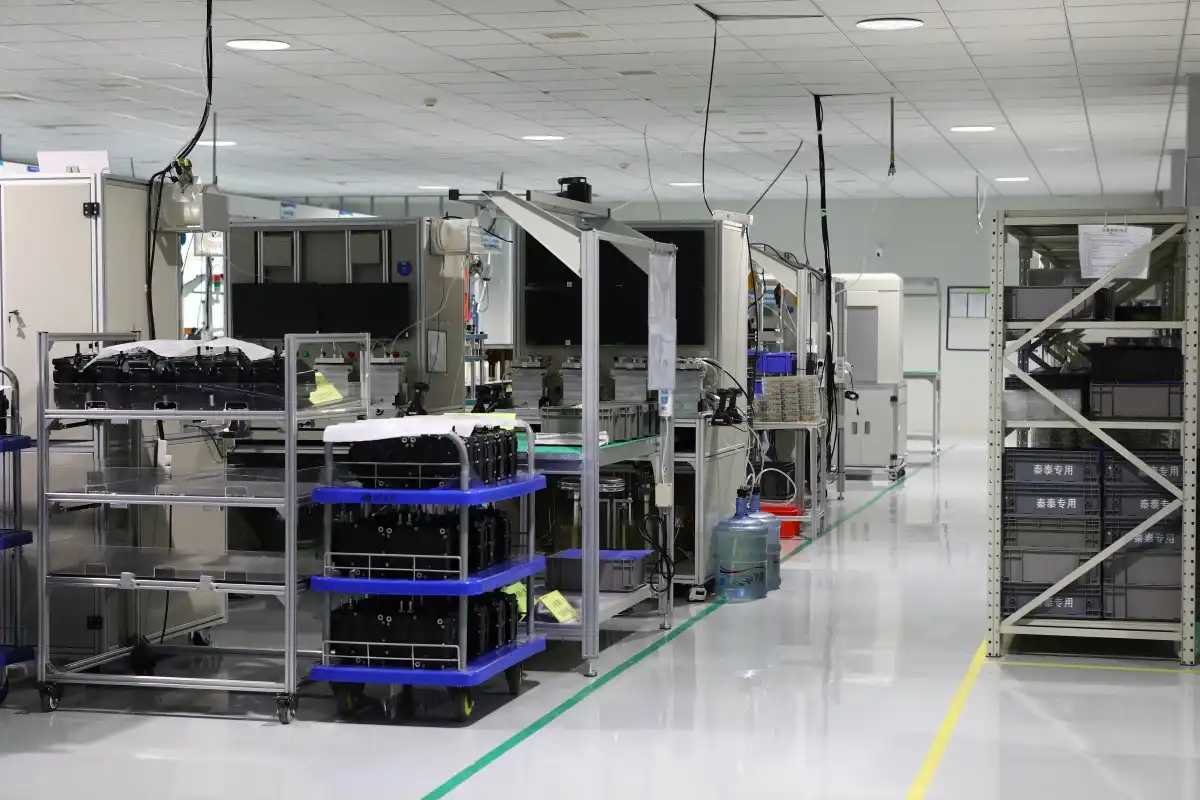
If you want to buy a lot of something, you should check out a supplier's yearly production capacity, certification status, and quality reject rates. Qintai makes more than two million sensors every year. Before they are sent out, each one is checked for problems with electricity and pressure. This production scale works with just-in-time shipping plans for heavy truck OEM assembly lines, and it doesn't change how often the lots are shipped.
MOQ, Pricing, and Logistics Considerations
To people who buy in the repair network and the aftermarket, the ability to change what they stock and the minimum order quantity are just as important as the unit price. When buyers talk to sellers about wait times, they should write them down and make sure they have extra of the part numbers that sell quickly. To avoid customs delays, packages going across borders must have compliance paperwork like CE, REACH, and RoHS. This is especially true for markets in the EU and the US.
Certification and Warranty as Procurement Safeguards
A 12-month warranty backed by ISO9001 and IATF16949 certification sets a quality standard that can be checked. Qintai also has certifications from CMC, UL, and CE, which let them meet compliance standards in many areas with just one sourcing choice. Buying teams can ask for batch test reports directly, which makes it easier for their own production lines to check goods as they come in. These credentials make Qintai a dependable source for a urea dosing pressure sensor across multiple markets.
Why Investing in High-Quality Urea Dosing Pressure Sensors Leads to Better Injection Accuracy
If you only look at how much each unit costs, the sensor you choose will likely cost you more in the long run. If a sensor moves after 500 hours of use, it has to be serviced right away, warranty claims are made, and recall-level reviews may be started if fleet NOx data shows that the rules aren't being followed over and over again.
A well-made SCR pressure sensor that has been shown to be accurate, on the other hand, keeps the dosing accuracy needed to keep NOx conversion above the limits set by regulations during the whole duty cycle of the engine. Operators of heavy-duty systems that use Qintai sensors say that stable pressure input cuts down on the number of times the passive DPF regenerates. This directly cuts down on the fuel that is used during regeneration.
Dosing units that are linked to the internet of things (IoT) and send data from sensors to cloud-based diagnosis platforms will be built into SCR systems in the future. If the sensor has an accepted digital output version or a stable, low-noise analog output, OEMs and integrators can use these connected aftertreatment designs without having to switch sensor hardware in the middle of a platform.
Conclusion
The accuracy with which SCR systems can inject fuel depends on how well and consistently the pressure input works. EPA Tier 4 and Euro VI rules say that dosing must stay within a narrow range. A good DEF pressure sensor makes sure that goes without saying. This stops urea crystallization failures and lowers the overall cost of running the vehicle over its lifetime. A self-made sensor core and an accuracy of ±0.5% make up the Qintai QS-P226, which also has a proven 0.5–4.5 VDC ratiometric output. Also, it has been tested completely before it is sent out. Don't scrimp on the quality of the sensors, whether you are putting them in a brand-new diesel base or getting spares for yourself. The Qintai QS-P226 stands out as a reliable urea dosing pressure sensor for meeting strict emission regulations.
FAQ
What causes a urea pressure sensor to trigger a P204B fault code?
P204B typically appears when the sensor signal falls outside the ECU's expected voltage window. Common causes include connector pin oxidation, internal diaphragm fouling from crystallized urea, or sensor aging. Qintai addresses this with gold-plated terminals and a dead-volume minimization design.
Can the QS-P226 handle AdBlue freezing conditions?
Yes. The QS-P226 incorporates a flexible internal buffering structure that accommodates the approximately 9% volume expansion of freezing urea without mechanical damage or signal drift.
What is the expected service life of this sensor?
In standard commercial diesel applications, this sensor is designed for a minimum of 15,000 to 20,000 operating hours.
Is the sensor compatible with different SCR system brands?
The 0.5–4.5 VDC ratiometric output is widely compatible, but the ECU calibration map must match the sensor's transfer function. Thread dimensions and signal range should be confirmed against OE specifications before fitment.
Does Qintai support custom sensor configurations?
Yes. Qintai offers OEM and ODM services, including customized pressure ranges, connector types, and output signal profiles to match specific system requirements.
Get Accurate DEF Dosing With Qintai's QS-P226 Pressure Sensor
Every year, Qintai makes more than two million of the QS-P226 and sells them to OEMs, SCR installers, and aftermarket dealers all over the world. It is the No. 1 OEM urea dosing pressure sensor provider in China. We guaranty all of our sensors for 12 months and test each one before you get it. We have 58 invention patents and follow standards like CE, UL, ISO9001, and IATF16949. Email our team at info@qt-sensor.com to find out more, get samples, or get a price quote for buying in bulk.
References
1. European Commission — Euro VI Emission Standards for Heavy-Duty Vehicles, Official Journal of the European Union, 2009.
2. SAE International — SCR System Performance and DEF Dosing Control Strategies, SAE Technical Paper Series, 2018.
3. U.S. Environmental Protection Agency — Tier 4 Final Emission Standards for Nonroad Diesel Engines, EPA Regulatory Document, 2014.
4. Robert Bosch GmbH — Diesel Engine Management: Systems and Components, Springer Vieweg, 2014.
5. MECA (Manufacturers of Emission Controls Association) — Selective Catalytic Reduction Technology for NOx Control, MECA Technical Report, 2020.
6. ISO — ISO 9001:2015 Quality Management Systems — Requirements, International Organization for Standardization, 2015.

Our customers’ satisfaction speaks for our quality — contact us to experience the same reliable service.