- English
- French
- German
- Portuguese
- Spanish
- Russian
- Japanese
- Korean
- Arabic
- Greek
- German
- Turkish
- Italian
- Danish
- Romanian
- Indonesian
- Czech
- Afrikaans
- Swedish
- Polish
- Basque
- Catalan
- Esperanto
- Hindi
- Lao
- Albanian
- Amharic
- Armenian
- Azerbaijani
- Belarusian
- Bengali
- Bosnian
- Bulgarian
- Cebuano
- Chichewa
- Corsican
- Croatian
- Dutch
- Estonian
- Filipino
- Finnish
- Frisian
- Galician
- Georgian
- Gujarati
- Haitian
- Hausa
- Hawaiian
- Hebrew
- Hmong
- Hungarian
- Icelandic
- Igbo
- Javanese
- Kannada
- Kazakh
- Khmer
- Kurdish
- Kyrgyz
- Latin
- Latvian
- Lithuanian
- Luxembou..
- Macedonian
- Malagasy
- Malay
- Malayalam
- Maltese
- Maori
- Marathi
- Mongolian
- Burmese
- Nepali
- Norwegian
- Pashto
- Persian
- Punjabi
- Serbian
- Sesotho
- Sinhala
- Slovak
- Slovenian
- Somali
- Samoan
- Scots Gaelic
- Shona
- Sindhi
- Sundanese
- Swahili
- Tajik
- Tamil
- Telugu
- Thai
- Ukrainian
- Urdu
- Uzbek
- Vietnamese
- Welsh
- Xhosa
- Yiddish
- Yoruba
- Zulu
Sputtered Thin Film Pressure Sensor Benefits for Industry
Sputtered thin film pressure sensors have become a go-to solution for engineers and procurement managers who need consistent, accurate pressure measurement in demanding industrial environments. Unlike conventional sensor types, these devices bond sensing elements directly to the substrate at the atomic level, eliminating adhesive creep and improving long-term measurement stability. For OEMs in heavy trucks, construction machinery, agricultural equipment, and generator sets, understanding what makes this technology work — and where it excels — directly impacts product compliance, production cost, and supplier selection.

Understanding Sputtered Thin Film Pressure Sensors
How the Sputtering Process Works
With a lot of empty space, layers of atoms from metal alloys are put on top of a base made of flexible stainless steel. Instead of glue, atomic force holds each layer together. Some bonded sensors stop working because of creep in the metal. That stops it and makes a sensing part that can be managed better and last longer.
Key Design Elements
The sensitive film is closely joined to a core made of stainless steel, which will not rust, and the two parts have been fully joined by laser or plasma welding. Silicone oil and rubber O-rings are not used to make seals. It hits the metal core right where it needs to. It can handle rough materials, high peak pressures, and places where leaks aren't allowed because it has a full seal.
Core Performance Metrics
You can finetune the resistance with thin film casting, which makes the precision and consistency much better. Laser resistance cutting can usually be used in temperatures ranging from -40°C to +125°C. It can work in temperatures as low as +150°C for some shapes. Heat changes can cause shifts, but this can be fixed. To send a message, you can choose between digital standards like CAN, CANopen, J1939, I²C, and SPI or analog standards like 0–5 V, 0–10 V, and 4–20 mA. They can be used by OEMs or by people who buy them after the fact. These capabilities make a sputtered thin film pressure sensor a versatile choice for both OEM and aftermarket applications.
Advantages of Sputtered Thin Film Pressure Sensors for Industry
How often you need to make changes, how much it costs to own, and how much it costs to fix can all depend on the technology you choose to track pressure. This tool is better than ceramic and piezoresistive ones in the following ways.
- High Accuracy and Repeatability: Precise film thickness control produces sensing elements with low hysteresis and tight zero/span tolerances. This level of repeatability matters in emission-critical applications where pressure deviation triggers fault codes under China VI or Euro VI standards.
- No Leakage Risk: Because the sensor body is fully welded with no elastomer seals, there is zero risk of media leakage under pressure cycling. For hydraulic systems, SCR dosing circuits, and exhaust gas recirculation (EGR) lines, this matters significantly.
- High-Frequency Response: With no diaphragm spacer or oil-filled cavity, the pressure signal travels directly to the sensing element. This produces a faster, truer response — important in pulsating pressure environments such as diesel injection systems and turbocharger monitoring.
- Compact Form Factor: The all-welded stainless steel body keeps the sensor small enough for tight installation spaces on mobile machinery, hydraulic manifolds, and generator set enclosures.
This makes things run more smoothly, saves money on insurance, and cuts down on breaks in the production line. Buyers and R&D engineers pay close attention to these three things when they look at suppliers.

Applications Across Industrial Sectors
Diesel Engine OEMs and Heavy Trucks
SCR aftertreatment systems need to keep a close eye on the exhaust backpressure and DEF dose pressure to make sure they meet China VI and Euro VI standards. Ceramic or gel-filled sensors that are placed in hot or shaking parts of an engine often break too soon. In those places, thin film pressure monitors can be used. Their durability makes a sputtered thin film pressure sensor well suited for the hot and vibrating environments found in SCR aftertreatment systems.
Construction and Agricultural Machinery
To keep an eye on hydraulic pressure, excavators, loaders, and combine harvesters need sensors that can handle shock loads, dirty media, and changes in the temperature outside. Thick film sensors can work in this weather because they are metal and don't need oil. Plus, they can work well for a long time without being fixed.
Generator Sets and Industrial Power
Generators and backup power systems at mine sites always work, even when they're busy. Engineers only buy monitors that have been tried for heavy-duty weather conditions and mean time between failure (MTBF) when they need to buy things for projects. Between -40°C and +125°C, thin film sensors can work, and they don't need to be calibrated all the time when they're not in use.
Environmental and Exhaust Gas Treatment
Systems that clean industrial exhaust need accurate pressure data that tells them what to do right now so they can work. Thin film sensing parts that work with high frequencies and send steady messages are easy to find for industrial control systems. This lowers the chance of missing false events or triggers.
How to Choose the Right Sputtered Thin Film Pressure Sensor?
Evaluate Technical Fit First
Before you look at prices, make sure that the pressure range, accuracy class, and output protocol of the sensor will work with the device you want to use it with. You can't change between a sensor that works at 0–10 bar, 0.5% FS, and 4–20 mA and one that works at 0–6 bar, 0.25% FS, and 4–20 mA, even though they both use thin film technology.
Compare Sensor Technologies Objectively
Pieces are more likely to break MEMS devices, even though they are great for making things smaller. Clay-based sensors work well with acidic stuff, but they can break if they get hit by a shock in a moving machine. Thin-film metal sensors make up the middle. They don't break when they get shocked, work with a lot of different media, and do the same thing every time without needing to be re-calibrated.
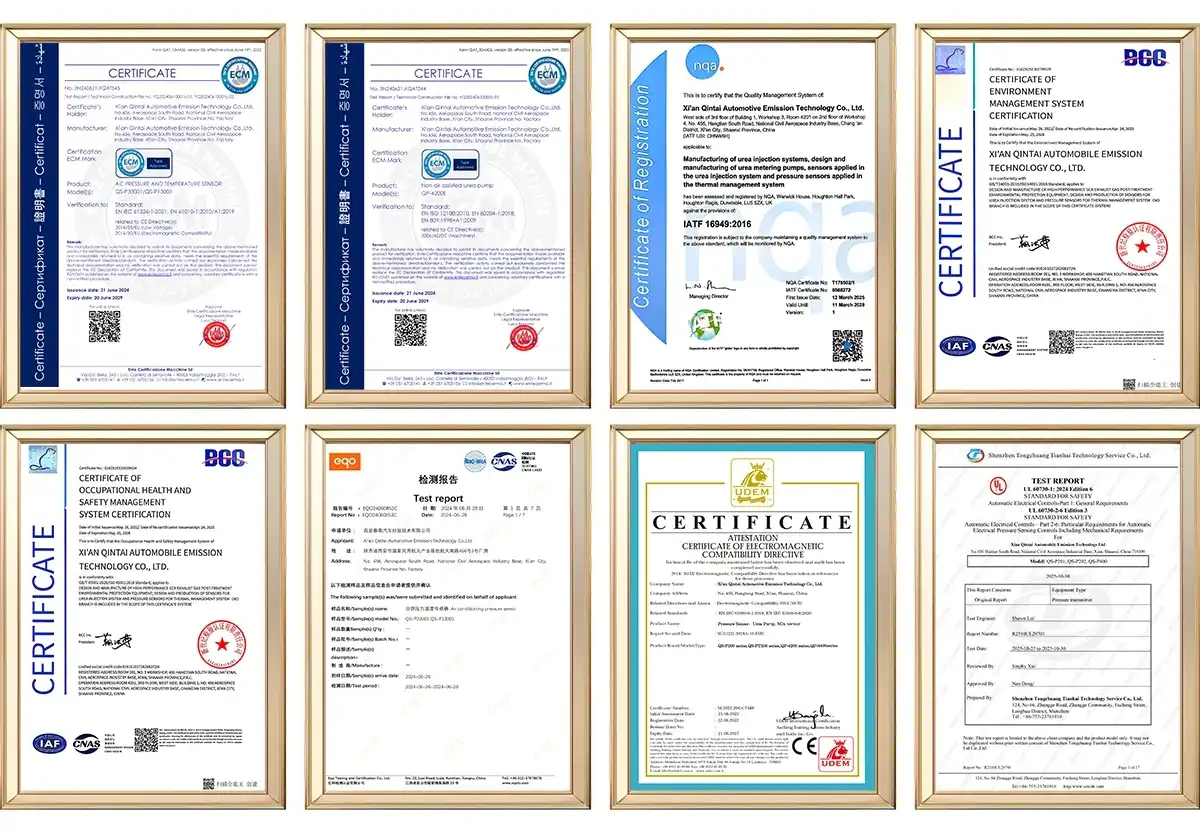
Assess Supplier Qualification
People who want to buy something should have both ISO 9001 and IATF 16949 on their records. These need to be in the supply chains of OEMs. Discover how fast the company can make things, how long it takes to get samples, and what steps they write down to help customers after the sale. It helps if the seller can offer OEM/ODM customization and give technical records in English. This makes the engineering approval and buying sign-off work faster. These supplier evaluation criteria are essential when qualifying a sputtered thin film pressure sensor vendor for OEM programs.
Installation, Calibration, and Maintenance Best Practices
Proper Installation Steps
Keep the sensor away from the hot exhaust so that it doesn't get hurt by it. Check that the thread is strong enough. No matter how tight you make it, the steel port will bend and the 0 will move. Thus, make sure that the wiring does not go through the high-voltage ignition cables. This will keep the signals clear.
Calibration Intervals and Methods
When accepted thin film sensors leave the building, it is already set up. When you're setting up a very important app, check the spread and zero against a standard. As part of regular upkeep, you only need to check it once a year if everything is fine. Any sensors that have been hit by water hammer or steady overpressure should be checked right away.
Maintenance and Troubleshooting
Every time you do a service, check the electrical connections for rust or water damage. Before you replace the sensor, make sure that the pressure ports are not blocked if the signal from the sensor is too different from what should be seen. People often think that a sensor is broken when, in fact, the ports are just stopped when they are in dirty places.
Conclusion
Thin film pressure sensing technology is more accurate than older sensor designs, it lasts longer, and it gives you more ways to install it. Companies that make diesel engines, system programmers, aftermarket parts, and industrial equipment can meet the new pollution rules and cut down on problems with the help of these tools. To be safe, only buy from a company that has been approved to use approved production methods and has real OEM experience. Also, getting goods ready to be made takes less time. Choosing a proven sputtered thin film pressure sensor supplier is therefore key to both compliance and production efficiency.
FAQ
How does a thin film pressure sensor differ from a piezoresistive one?
A silicon chip that is glued on to a piezoresistive sensor is common. The temperature range is limited by this plate, which also moves the sensor. With vacuum sputtering, the sensing layer is put right on top of the metal base of a thin film sensor. This makes the sensor more stable, lets it work in a wider range of temperatures, and gets rid of the need for glue.
What temperature range can these sensors handle?
Room temperature should be between -40°C and +125°C. This is the temperature range of most thin film pressure sensors. Because of some factors, the middle temperature range can go up to +150°C or +200°C. The temperatures at which they can be stored range from -50°C to +150°C, which means that they can be used for both cold and hot industrial machinery.
Can the output signal be customized for my system?
Yes, most businesses make CAN, J1939, CANopen, I²C, and SPI output kinds. For analog uses, they have 0–5 V, 0–10 V, and 4–20 mA. Before you place a large order, call your service to find out if they have any output ranges or connectors that you need.
How do I identify a qualified thin film pressure sensor manufacturer?
To make sure something is safe, look for marks like ISO 9001, CE, UL, and Ex. They should show you proof that they can make what you want, give you OEM customer references, and make it clear how they will help you after the sale. It is best to work with suppliers who are doing research and development and have a lot of patents because they will be able to give you long-term technical support.
Partner with Qintai — Your Trusted Thin Film Pressure Sensor Supplier
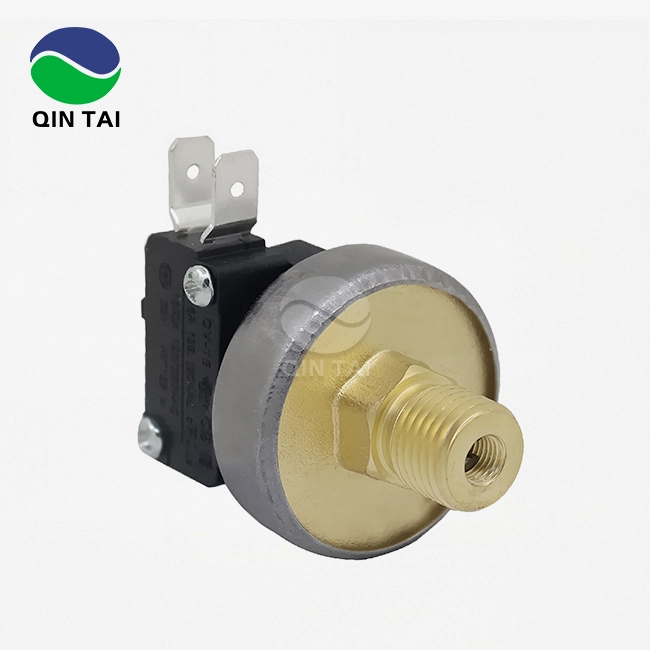
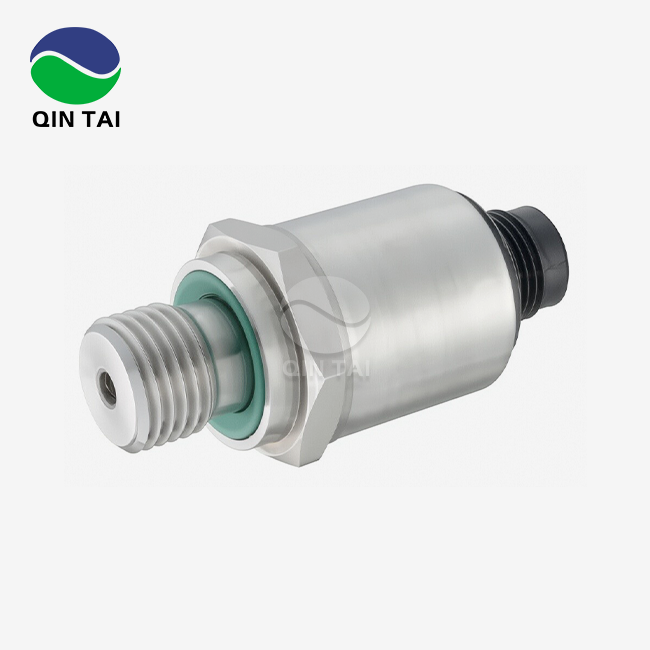
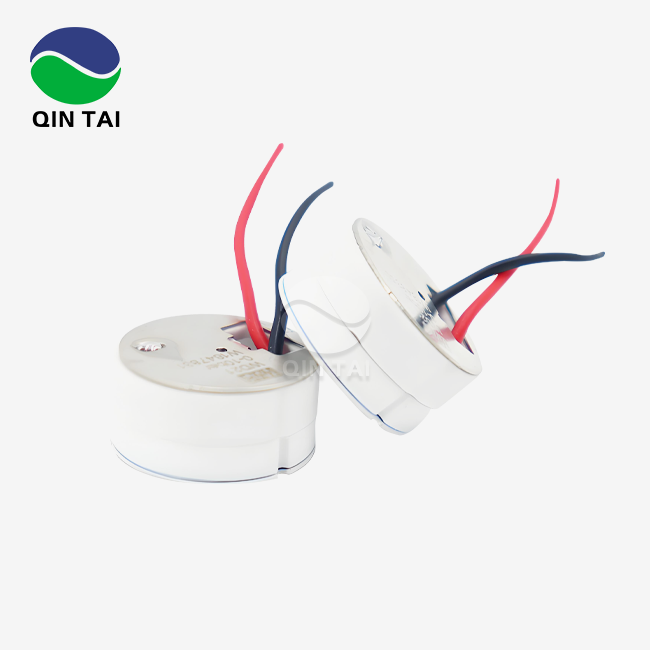
Pressure sensors made by Qintai have been sold to OEMs in more than 60 countries since 2001. A lot of different groups have accepted them, including IATF 16949, ISO 9001, CE, UL, Ex, and more. Weichai Power, Yuchai Power, and Quanchai Power all buy a lot from this business. It has been tried that sprayed thin film pressure sensor technology can be fully changed to fit OEM/ODM needs. It's easy to get samples sent out quickly, and they offer expert support. To get a trial or a deal for a lot of sensors, contact us at info@qt-sensor.com.
References
1. Fraden, J. Handbook of Modern Sensors: Physics, Designs, and Applications. Springer. 2016.
2. Gardner, J. W., Varadan, V. K., & Awadelkarim, O. O. Microsensors, MEMS, and Smart Devices. Wiley. 2001.
3. Bao, M. Analysis and Design Principles of MEMS Devices. Elsevier. 2005.
4. International Organization for Standardization. ISO 9001:2015 Quality Management Systems — Requirements. ISO. 2015.
5. SAE International. J1939 Standards Collection: Serial Control and Communications Heavy Duty Vehicle Network. SAE. 2021.
6. Meijer, G. C. M. (Ed.). Smart Sensor Systems. Wiley. 2008.

Our customers’ satisfaction speaks for our quality — contact us to experience the same reliable service.