- English
- French
- German
- Portuguese
- Spanish
- Russian
- Japanese
- Korean
- Arabic
- Greek
- German
- Turkish
- Italian
- Danish
- Romanian
- Indonesian
- Czech
- Afrikaans
- Swedish
- Polish
- Basque
- Catalan
- Esperanto
- Hindi
- Lao
- Albanian
- Amharic
- Armenian
- Azerbaijani
- Belarusian
- Bengali
- Bosnian
- Bulgarian
- Cebuano
- Chichewa
- Corsican
- Croatian
- Dutch
- Estonian
- Filipino
- Finnish
- Frisian
- Galician
- Georgian
- Gujarati
- Haitian
- Hausa
- Hawaiian
- Hebrew
- Hmong
- Hungarian
- Icelandic
- Igbo
- Javanese
- Kannada
- Kazakh
- Khmer
- Kurdish
- Kyrgyz
- Latin
- Latvian
- Lithuanian
- Luxembou..
- Macedonian
- Malagasy
- Malay
- Malayalam
- Maltese
- Maori
- Marathi
- Mongolian
- Burmese
- Nepali
- Norwegian
- Pashto
- Persian
- Punjabi
- Serbian
- Sesotho
- Sinhala
- Slovak
- Slovenian
- Somali
- Samoan
- Scots Gaelic
- Shona
- Sindhi
- Sundanese
- Swahili
- Tajik
- Tamil
- Telugu
- Thai
- Ukrainian
- Urdu
- Uzbek
- Vietnamese
- Welsh
- Xhosa
- Yiddish
- Yoruba
- Zulu
Top Urea Dosing Pump Manufacturers for SCR System Applications
Top producers of urea dosing pumps for SCR system applications combine solid engineering, rigorous quality control and flexible manufacturing. The urea dosing pump transports AdBlue (DEF) from the tank to the dosing module at the pressure and flow the SCR system needs, therefore the supplier you choose influences NOx conversion, uptime and compliance. In this article, I will outline how to appraise manufacturers, compare supplier kinds, pick and maintain a pump, and ask for a price. I’m also bringing in Qintai, a national high-tech firm established in 2001 that provides SCR aftertreatment items and sensors.
Top Urea Dosing Pump Manufacturers: Evaluation Criteria and Shortlist
Why the Manufacturer Matters for SCR Performance?
SCR technology can lower NOx emissions by as much as 90% – but only if the proper quantity of chemical is supplied at the right time. That job's most significant element is the pump. “If the flow or pressure changes, the injector can't get a good reading of AdBlue and the NOx conversion goes down. The EPA established the heavy-duty diesel NOx standard of 0.2 g/bhp-hr in 2010. In Europe, the regulations for Euro VI are likewise fairly rigorous. Those objectives may not be accomplished if the pump only performs well on the bench, and not so well in more than one batch. So I begin with the creator and then go on to the catalog.
Technical and Quality Criteria
First read the data sheet. It informs you the temperature range, the rated flow, the maximum flow that can be regulated, the duty cycle and the voltage. It also mentions objects that can be wet. If not, you should ask the business how they can prove it. Leak and pressure testing. An inspection at the end of the line. A mechanism to keep track of each batch. Also, ensure that the flow is monitored periodically. Good rewards help too. An example is IATF 16949. This is a corporation that serves the car sector and takes particular precautions to prevent difficulties. In general, ISO 9001 is the superior option for quality management. Last but not least, ensure the goods are AdBlue-compatible. AdBlue is a solution of 32.5% urea and very clean water, as defined in ISO 22241-1.
Commercial Criteria and Shortlist Format
It doesn’t matter how technically proficient you are if you can't execute your job and stand behind it. Find out what the firm can build, how long it will take, what the guarantee covers, how hard it is to acquire replacement parts, and how it has performed with overseas clients in the past. Then create a table with the following columns: manufacturer, location, kind of pump, voltage choices, flow and pressure range, uses of SCRs, OEM support, certifications, wait time, and optimal usage. Every entry should be examined for the factory location, test reports, customer references and website. If you want to purchase a specific kind, be sure that the firm that you buy it from is giving you the truth about it. This kind of table means that the production and purchasing teams may always operate from the same set of information.
Manufacturer Profiles by Supplier Type
OEM-Focused Urea Dosing Pump Suppliers
OEM-focused vendors provide parts to satisfy the demands of machine manufacturers, individuals who assemble SCR systems, and people who build engines. All these things may be altered on both new and old systems: flow, pressure, mounting sizes, seals, cable assemblies, connections and control interfaces. Before you sign off, make sure you have the models, 3D files, performance charts, sample units and validation findings for the urea dosing pump.
The minimum order number, the expenses of the tools, the wait time for prototypes and the maximum number of pieces that may be produced. A good partner will assist with all of it, drafting the specifications, testing, producing the product, delivering servicing after the sale. As the project moves on, Plus they maintain track of all the tech changes that happen so your team can know what was changed and when.
Industrial Urea Dosing Pump Manufacturers
Industrial manufacturers provide diesel generators, power plants, boilers, marine engines and huge SCR systems. In these situations, it is vital to dose all the time, despite the fluctuations in back pressure, extended run durations, and fluctuating temperatures. You should be looking at greatest pressure, continuous flow, duty cycle, control options, IP protection, temperature range, control choices, not just the average output. It is manufactured from stainless steel and can be seen from distance thus it may be utilized in isolated or remote locations such as mines and backup power facilities . It can turn itself on and off and protect you from running out of petrol. Before you purchase, educate yourself on electrical safety, grounding and how to place items in unsafe places.
Replacement and Aftermarket Suppliers
People working in the aftermarket service vehicles, machinery and SCR systems already in operation on the road. whether you want to see whether anything will function with something else , examine its voltage , flow rate , pressure , fitting size , connection type , control signal , and material requirements . Not what it seems. If someone is honest they will provide you repair tools, diaphragms, valves, seals, filters and knowledge on how to fix things. Check stock in the region, how effectively the primer works, how it inhibits crystallization, how it comes off. When there is a lot of stuff or a fleet, try something modest initially. No price savings for items with no specific material specs or performance data.” This is due to their breaking down more frequently and being more expensive throughout their life time.
How a Urea Dosing Pump Works and How to Select One?
How the Pump Works in an SCR System?
This sort of pump is also called a DEF pump or urea dosing pump. The AdBlue is carried from the tank to the dosing module by a urea dosing pump. The Nox sensors and exhaust flow notify the ECU how much to dose when the engine is under heavy stress. Filters, valves, and devices that record temperature and pressure may aid with this. Depending on the construction, the pump may also manage reverse flow, maintain the line clean and keep the stop secure. Electric diaphragm pumps are used in mobile equipment since they are straightforward to setup and connect. High pressure is beneficial for different kinds of pistons . gas designs also do well in certain commercial situations.
Matching Flow, Pressure, and Control Method
The first items that are selected are the tools, the duty cycle, the environment, the service life, and the ease of maintenance. Add the power of the engine, the flow of exhaust, the load of NOx and the greatest dosage requirement to determine the flow. Then add a bunch of additional room and determine what the lowest flow rate that can still be managed is. In determining the pressure, it is vital to account the pressure loss in the injection, tubes, filters, valves, fittings and back and elevation levels. Check that the system construction is compatible with the source voltage and control mechanism (12V, 24V, PWM, CAN, analog or relay). Finally, check fluid compatibility to ISO 22241 and consider the overall cost of ownership, including electricity, maintenance, repairs, and customer service costs.
Comparing Real-World Performance
Look at how well the pumps function, not what the advertising tell you about them. In your comparison table, include the speed, voltage, duty cycle and control mechanism. Also utilize the greatest and quickest flow rates . Your system should be at the correct heat and pressure levels so the performance report can tell you whether a pump is keeping up a consistent output.
For checking the efficiency at normal operating point you need take into account the way the motor is utilized, how the pressure is stabilized and how frequently it cycles. If you want to know how long something will endure, you should look for stuff like vibration, thermal cycling, dry-run tolerance, freeze protection, crystallization resistance and endurance testing. If you reside in a northern area, pay close attention to how it functions in cold weather since it will freeze at 12°F (-11°C).
Installation, Maintenance, and Troubleshooting
Installing the Pump Correctly
Install the urea dosing pump as per manufacturer's instructions, away from water, heat, severe vibrations and humans. DEF may be utilized with certain types of pipelines, filters, connections, seals and fittings. Make sure that the suction line is not too short and tight. Before you start wiring, make sure you know about power, switch safety, wire size, grounding and transmission indications. You have to precharge the system before using it, check for leaks, establish the temperature and pressure, write down the standard figures. Systems used in cold regions may need to be heated, shielded, and have mechanisms to get rid of fluid, or not allow a lot of fluid drain out so that frozen fluid doesn't injure the pump.
Routine Maintenance
Check your SCR regularly and it will not become stuck, the pressure will not decrease, you will not lose the prime and you will not have unexpected SCR downtime. Check the filters, the tubes, the valves, the urea crystals, the wiring, the mounting points and the wiring. Then compare the flow and pressure you tested to the standard you used in the beginning. A tiny leak that has dried will usually have white powder around the joints. You need to clear up the deposits the appropriate manner and replace the filters when the manufacturer says to. Your technicians may see gradual drift before it throws a fault code only with a simple record of data.
Troubleshooting Common Faults
There may be too much back pressure , air leaks , damaged diaphragms , faulty wiring , clogged filters and low voltage . First make sure everyone is safe. Then examine the source voltage, the grade of the fluid, the level of the fluid and the condition of the filter. Finally, turn the pump off. The first thing you don't want to do is disassemble stuff. Before using a pump with a replaced diaphragm, seal or valve, check for leakage, noise, flow and voltage. If the issue still occurs, transmit the recorded data to the technical staff at the provider. This will help them get to the bottom of things quicker.

Why Choose Qintai as Your Urea Dosing Pump Partner?
Company Background and Certifications
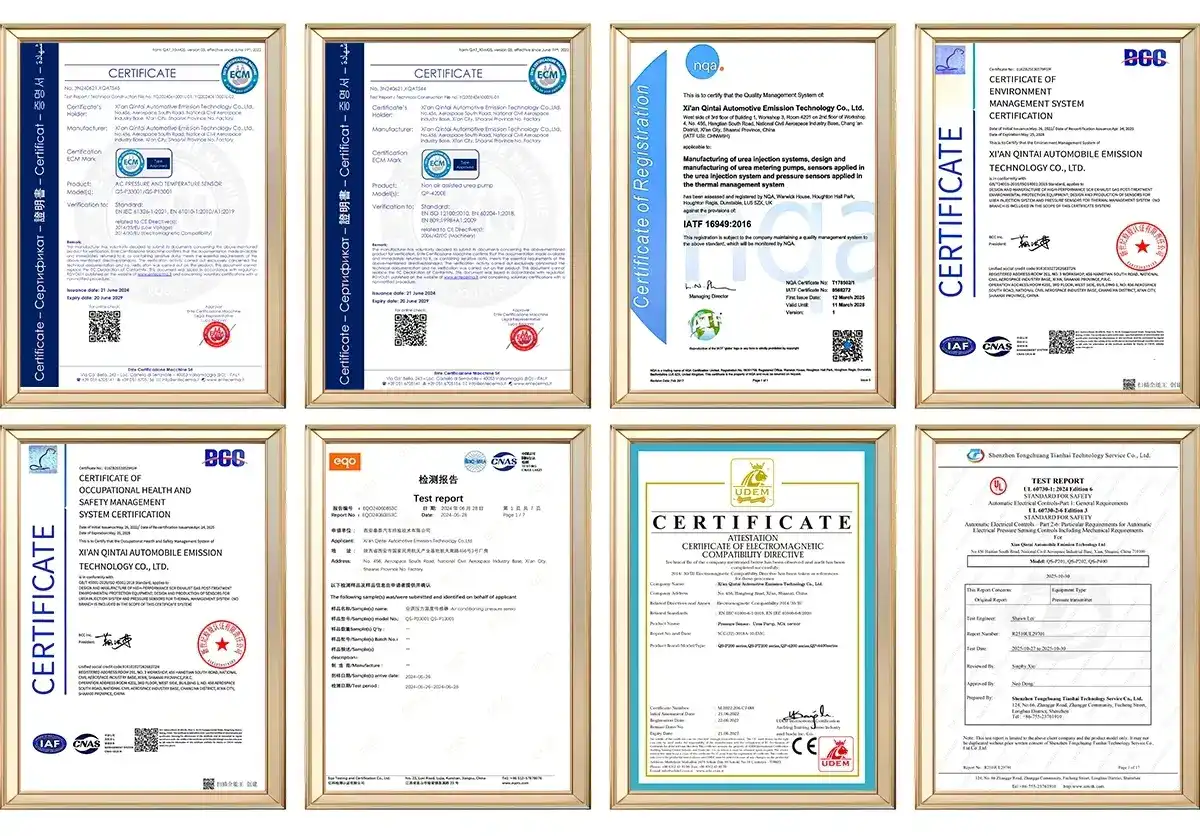
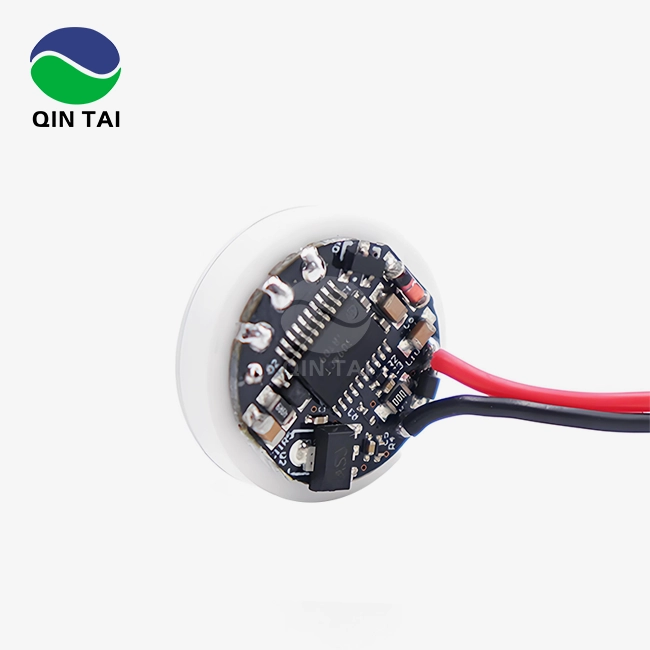
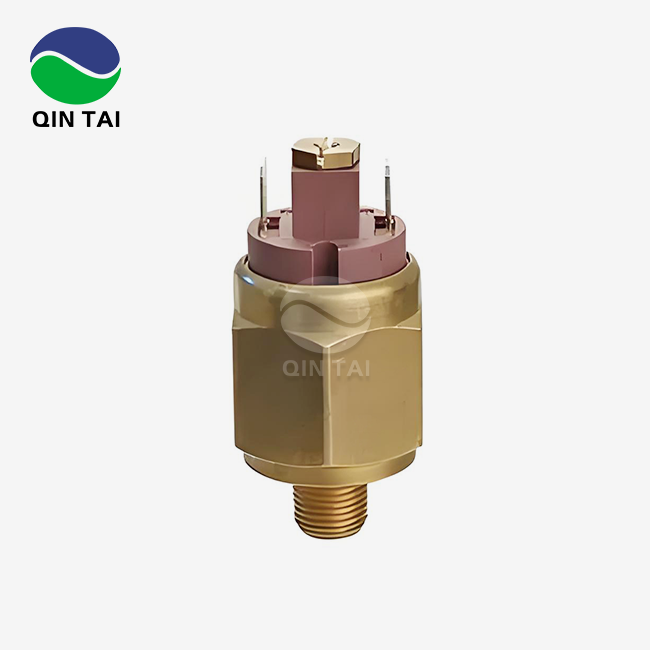
Xi'an Qintai Automotive Emission Technology Co., Ltd. Ltd is a technology firm with operations all throughout the nation dating back to 2001. We develop, manufacture, distribute and repair a wide variety of sensors for diesel engines with SCR aftertreatment. We look at one form of sensor called pressure sensors. Company has ISO 9001, IATF 16949, CMC, Ex, UL, CE, REACH, RoHS approval. We have also applied for 58 concept patents. In China we have the greatest share of the market. We sell to Yuchai Power, Quanchai Power, Weichai Power. Our products are sold to more than 60 nations and areas. Others are in South America, Europe and the Middle East.
Qintai Urea Pump Advantages
This is well done by the Qintai urea dosing pump for diesel SCR systems.
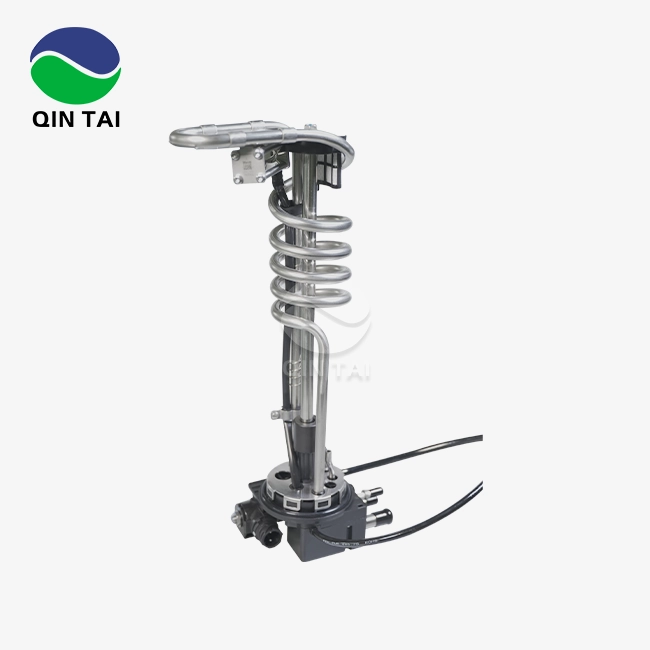
- Compact, integrated design: This water heater is single form and thin. The pump, filter and heater are all in one unit. And thus you won't have to acquire as many pieces and put them together and link them. It has a built in heater so you may use it even when it’s freezing outdoors. These pieces function nicely together in shops that mend items, manufacture new ones and work with fleets.
- Accurate dosage at all temperatures: Qintai has designed the pump to always measure AdBlue accurately. The pump/lines are freeze protected and have a built in purge mechanism thus it is safe for them to freeze. This way the SCR system may continue to inject the correct quantity of fuel after a cold start. This is vital for the task of winter in the North.
- Long service life, low energy use, and low noise: The pump is strong and will last a long time. It doesn't use a lot of power or make a lot of noise either. These qualities are helpful for cars with loud interiors and engines that run for a long time. Plus, they help keep costs down.
A lot of the time, SCR projects have issues with running costs, part count, and dosing in cold weather.
ECU Compatibility and OEM/ODM Support
The engine control unit can communicate with the Qintai urea dosing pump. The urea use is determined by the NOx flow, the NOx monitors, and the engine control unit while the engine is under a load. The people who build systems with that controller want to know how well our pump performs with the Bosch ECU for certain SCR control approaches. Other than that, we also provide OEM and ODM services. So we make the product and make a lot of it. You may also make adjustments that suit you and your customers. The people who work on our products are always trying to make them better. Then your specialists may discuss interfaces and settings with the parts guys.
What to Include in a Quotation Request?
"When you ask for everything it takes less time to get the right idea." Fluid type: Water, Voltage: 12VDC, Control signal: 4-20mA, Working temperature: 0-50°C, Size: 200x200x100mm, Links: www.example.com/product1, Duty cycle: Continuous, Amount utilized per year: 50 units, Location: Production floor, Certificates needed: CE, UL Among other things, you should ask about the data sheet, performance curves, material information, inspection records, warranty, drawings, sample pricing, tooling charges and lead times. This is the whole price including shipping, packaging, certification, additional parts and support from an expert. You may see various pricing. Also let us know what kind of engine or SCR technique you use. If you do this, our engineers can rapidly discover a pump that fits your system.
Conclusion
A decent assessment to locate the top urea dosing pump manufacturer would look at technical data, quality systems, manufacturing capacity, lead times, and customer service. This is because the correct manufacturer may determine how efficiently the SCR functions, the amount of NOx it converts, its uptime and how well it enables you to satisfy regulations such as EPA 2010 and Euro VI. Third-party, OEM and aftermarket vendors all have distinct demands. That choice will rely on the power and flow rate and pressure of the fluid, the control mechanism and the performance in a real-world system. To be safe, the pump and injector must be installed correctly, tested regularly and repaired in a certain sequence. To achieve this, Qintai devised a compact pump, filter and heating system. It also has clear function, freeze safety, ECU link, OEM/ODM service.
FAQ
Q1: What is the function of a urea pump?
A: That's when the urea dosing pump moves the AdBlue from the tank to the dose section. For SCR systems to work well, it's important to get the right amount of NOx into the system and keep the flow and pressure up.
Q2: What are the advantages of Qintai urea pumps?
A: They are small and have a heater, pump, and filter all in one. They also dose correctly at a range of temperatures, don't freeze, last a long time, don't use a lot of power, and don't make a lot of noise.
Q3: How is the urea pump controlled?
A: The NOx sensor tells the Engine Control Unit (ECU) how much to dose based on how much the engine is being used, how much exhaust is flowing, and what the ECU hears.
Q4: Does it comply with Bosch ECU?
A: Yes. For some SCR plans, the Bosch ECU and the Qintai urea dosing pump work together. So, our techs can test it with yours and see if it works.
Q5: How do I choose the right urea dosing pump?
A: Make sure the flow rate, pressure, control options, material compatibility, and upkeep are all right for the job. Then, before you buy a lot of the pump, ask for a performance curve, a manual, and a tester to make sure it works.
Request a Urea Dosing Pump Quote from Qintai for Your SCR Application
Qintai is certified by ISO 9001 and IATF 16949 to make Urea Dosing Pumps. Even when it's cold outside, our small pump, filter, and heater always give the right doses. Send an email to info@qt-sensor.com with the name of your SCR system, the flow, the pressure, the voltage, the control interface, the amount, and your sending address.
References
1. ISO 22241-1, Diesel engines — NOx reduction agent AUS 32 — Part 1: Quality requirements, 2019
2. U.S. Environmental Protection Agency, Control of Air Pollution from New Motor Vehicles: Heavy-Duty Engine and Vehicle Standards and Highway Diesel Fuel Sulfur Control Requirements, 2001
3. U.S. Environmental Protection Agency, Control of Emissions of Air Pollution from Nonroad Diesel Engines and Fuel, 2004
4. Regulation (EC) No 595/2009 of the European Parliament and of the Council (Euro VI), 2009
5. Twigg, M. V., Progress and Future Challenges in Controlling Automotive Exhaust Gas Emissions, Applied Catalysis B: Environmental, 2007
6. Heywood, J. B., Internal Combustion Engine Fundamentals, 2018

Our customers’ satisfaction speaks for our quality — contact us to experience the same reliable service.