- English
- French
- German
- Portuguese
- Spanish
- Russian
- Japanese
- Korean
- Arabic
- Greek
- German
- Turkish
- Italian
- Danish
- Romanian
- Indonesian
- Czech
- Afrikaans
- Swedish
- Polish
- Basque
- Catalan
- Esperanto
- Hindi
- Lao
- Albanian
- Amharic
- Armenian
- Azerbaijani
- Belarusian
- Bengali
- Bosnian
- Bulgarian
- Cebuano
- Chichewa
- Corsican
- Croatian
- Dutch
- Estonian
- Filipino
- Finnish
- Frisian
- Galician
- Georgian
- Gujarati
- Haitian
- Hausa
- Hawaiian
- Hebrew
- Hmong
- Hungarian
- Icelandic
- Igbo
- Javanese
- Kannada
- Kazakh
- Khmer
- Kurdish
- Kyrgyz
- Latin
- Latvian
- Lithuanian
- Luxembou..
- Macedonian
- Malagasy
- Malay
- Malayalam
- Maltese
- Maori
- Marathi
- Mongolian
- Burmese
- Nepali
- Norwegian
- Pashto
- Persian
- Punjabi
- Serbian
- Sesotho
- Sinhala
- Slovak
- Slovenian
- Somali
- Samoan
- Scots Gaelic
- Shona
- Sindhi
- Sundanese
- Swahili
- Tajik
- Tamil
- Telugu
- Thai
- Ukrainian
- Urdu
- Uzbek
- Vietnamese
- Welsh
- Xhosa
- Yiddish
- Yoruba
- Zulu
Urea Dosing Pump vs SCR Dosing Pump: What Is Different
A urea dosing pump moves or meters a urea solution such as AdBlue or diesel exhaust fluid (DEF). An SCR dosing pump is a urea pump built and configured for a Selective Catalytic Reduction system. The two terms overlap, but they do not always describe the same product. A urea dosing pump may serve a tank, a test bench, or an industrial process. An SCR dosing pump must also match engine control signals, pressure targets, heating, and purge logic. I compare function, control, materials, installation, maintenance, and buying criteria below to help you choose correctly.
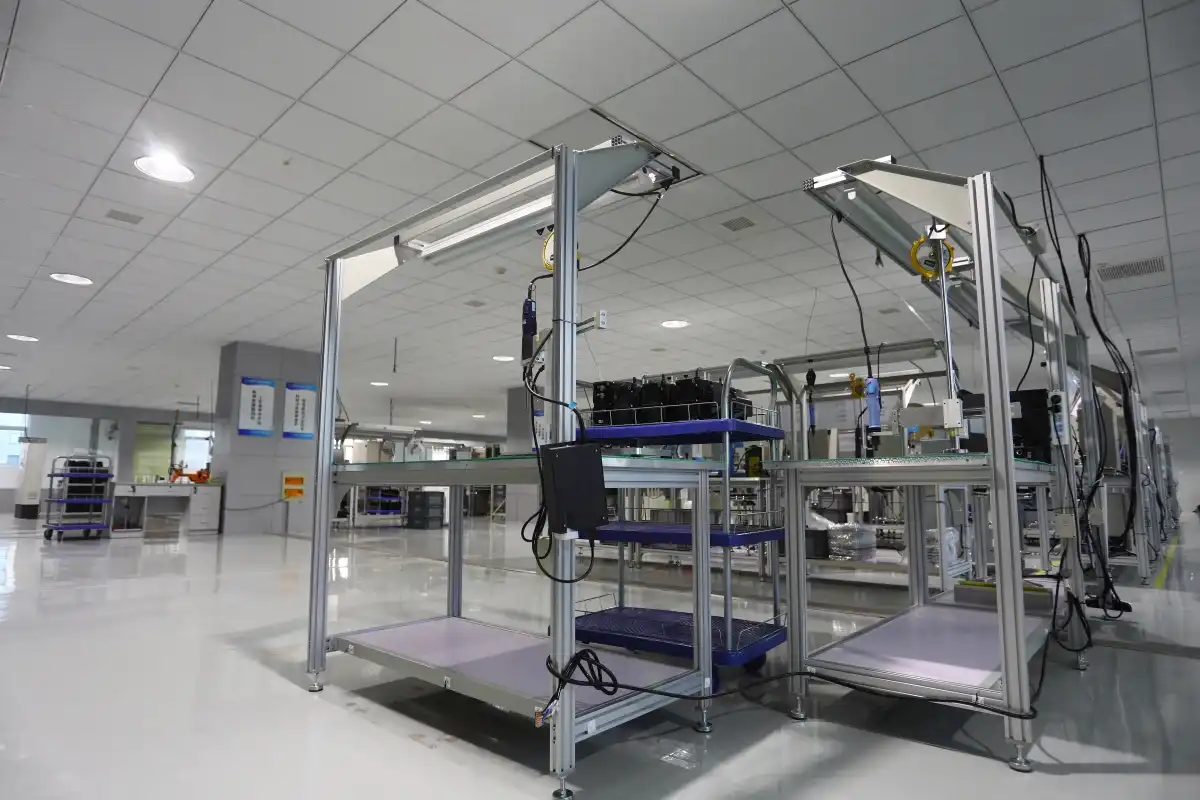
Urea Dosing Pump vs SCR Dosing Pump: Core Definition and Functional Difference
What a Urea Dosing Pump Does?
Let me start with a word that means more than one thing. This is taken care of by a urea dosing pump. A tank of urea and water is emptied, the pressure is raised, and a small amount is sent to a place where it can be used. It might also recover fluid or have trash lines if it was made right. An electric motor, a piston, a gear, or air pressure can be used to make these pumps. For a certain level of accuracy and pressure, each type works best. This simple form is often seen on heavy-duty dose skids, test equipment, and transfer stations. The reason for this is that there is already a driver, sensors, and lines around the pump. It only moves the right amount of fluid at the right time.
What an SCR Dosing Pump Adds?
What is an SCR dosing pump? It is a part of an emissions system. Urea is added to the hot exhaust when Selective Catalytic Reduction is used. Not long after it comes in touch with the NOx, it turns into ammonia. After that, this breaks down over a catalyst. US law says that 0.20 grams of NOx per brake horsepower-hour is the most that can be put into the air. EPA for fleets of heavy-duty trucks in 2010. To be safe, it's also important to be exact about when you dose for Euro VI and China VI. A pressure monitor, a heater, valves, and a transfer link are often parts of an SCR dosing pump that work together. There are also plans that use the controller. The pump doesn't work by itself anymore. The engine control unit (ECU) tells it what to do, and it tells the ECU about the pressure and how things are going.
Why a General-Purpose Pump May Not Fit SCR?
Even though it can move DEF, a transfer pump might fail an SCR job. A purge cycle is needed to clear the lines after an emissions system turns off. It is also important that the system doesn't freeze and that the pressure stays the same when the flow rate is low. If the ECU finds low pressure or a line that is blocked, it needs to be able to sound an alarm. In other words, they need tests. If a pump works well on a bench with no load, it might not work the same way when there is real back pressure and the temperature changes. I always tell engineers to make sure the pressure stays stable, the injectors work well, and the sensors can do their job before they use any urea dosing pump instead of an SCR dosing pump.
How Urea and SCR Dosing Pumps Work and Where They Differ Technically
Standalone Fluid Delivery
A set amount of solution is sent from the tank by the pump when it is used by itself. To move or measure this fluid, there is a urea dosing pump. The solution is filtered and the pressure is raised. Stress that stays the same is important in this case. There may be air in the line, cavitation, or the pump running dry, which could make it not work as well or for as long. Most of the time, speed, stroke, or an outside device tells workers how to set the flow. They use a regulated tank or flow meter to be sure they got the right answer. The pump doesn't know how much NOx the engine makes because this is an open-loop system. It goes with the setting. That works well for companies where work is always the same and loads are steady.
Closed-Loop SCR Control
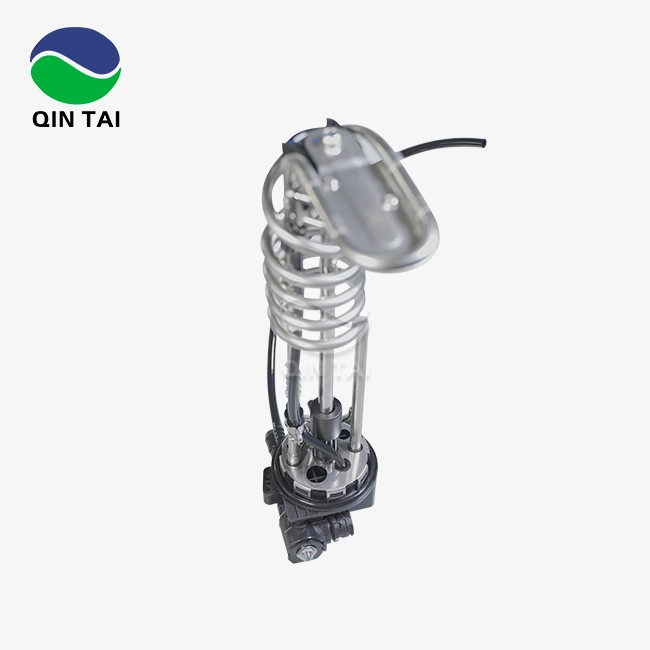
But that's not how an SCR system works. To figure out how much to inject, the ECU looks at the temperature, the NOx sensor input, the engine load, and the exhaust flow. From there, the dose processor runs the pump, injection, heater, and purge circuits all at the same time. This is how our Qintai urea dosing pump makes sense. It talks to the ECU to decide how much AdBlue to dose and sends the right amount from the tank to the dosing module. We also made it work with Bosch ECUs for some SCR control schemes. The way the pump responds to pressure is used by the ECU to rate it, so that match is important. If they don't meet, fault codes or bad NOx control may happen.
Flow, Pressure, and Electrical Interface
The two kinds of pumps are different in more than one way. In SCR, the flow is controlled by the job cycle, the amount of urea, the amount of NOx, the engine speed, the flow of waste mass, and the amount of urea. Make sure you know both the highest and lowest flow rates that you can handle. When low-flow treatment isn't steady, it's harder to control NOx. When there is no load, do not check the pressure. Instead, try it where the weather and back pressure are real. What kind of drive you have is also important. Tools that move around and electrical controls work well with an electric pump. For plants that need steady compressed air, a pneumatic unit is better. Know the power, current, PWM or analog data, CAN bus messages, link type, and how to fix problems before you buy. If the flow doesn't match, the pump can't talk to the processor.

Materials, Installation, and Maintenance for Dependable Dosing
Material Compatibility, Temperature, and Fluid Quality
ISO 22241 says that this DEF should be the best it can be. It is made of 32.5% urea in very pure water. Things that work in cold weather need room to expand, heat, and a way to slow down the melting process. It freezes at -11 °C (-12 °F). Parts that get wet, like O-rings, valve seats, tubes, fittings, and housings, need to be able to fight rust with urea. When tools are shared or the right filters are not used, the fluid can become dirty. This can happen if the containers are dirty. There is also the chance of getting harder. Urea builds up in the pumps, lines, and injectors when water disappears or cleaning doesn't work. Our urea dosing pump will not freeze and has a purge function built in. These take care of both cold starts and leftovers from shutting down.
Installation and Commissioning
As long as the fitting is good, the pump will last and the dosage will be right. The stand-alone unit needs hoses, seals, and fittings that work with it. Also, make sure the mounting is done right. Also, make sure the suction lines are short and stay away from high lift and sharp turns. Make sure the power lines are safe, the unit is properly grounded, and it doesn't get too wet or shake a lot. An SCR dosing pump also needs the heater, sensors, ECU, pressure line, and purge circuit. Do what the manufacturer says and flush and prime the system when it first turns on. Get rid of any extra air, check the flow and pressure, and make sure the stop purge worked. I think the usual facts should be put down on paper. This helps with upkeep, making sure the quality is good, and filing guarantee claims in the future.
Maintenance and Troubleshooting
If you check your stuff often, you can avoid low pressure, bad priming, leaks, and crystals. Check the hoses and fittings and change the filters as needed. Check the pressure and flow, and read the error codes. Also, make sure the electrical connections are good. The pump isn't always broken. Low power, worn diaphragms, broken seals, air locks, and problems with the controls are some of the other things that can go wrong. A tank or flow meter that has already been scaled should be used to set the duty cycle, voltage, pressure, and temperature. If you have SCR equipment, you need to test the driver, injector, sensors, and pump all at the same time. A new pump won't fix a NOx monitor that is broken or an injector that is clogged. Seeing the big picture helps keep trucks and service shops from breaking down and losing time.
How to Choose and Buy the Right Pump
Match the Pump to the Application
Talk about what the product is used for first, then the name of it. There should be information about the fluid, the flow range, the space, the vibrations, the duty cycle, the maximum pressure, the maximum flow rate, and the expected life. This kind of pump can handle different pressures and is useful for many tasks that need to do with dosing chemicals. Piston pumps are better at moving things precisely and with more force. Gear pumps keep the flow steady when there is a lot of pressure, and peristaltic pumps are good for thick fluids. After that, check out the source. Find out about the materials used, get certificates, look at test results, ask how to customize the product, see if you can make it yourself, and get help getting replacement parts. People who work for both OEMs and dealers should look at these records together.
Prepare a Clear RFQ
The service provider can help you find a pump that works for you and doesn't break the bank if you give them full details. Tell me about the voltage, temperature range, materials, control protocol, ports, sizes, annual volume, location, shipping needs, and the certificates and inspection papers. I also need to know how much fluid there is, how it flows, and how much pressure it has. We can send you a new unit, a urea dosing pump that can run on its own, or a full SCR dosing module. Just let us know. There are several things that can go wrong with the communication, filters, injectors, sensors, lines, and communication that can cause the pump to stop working. When managers buy things, they should not just look at the price. They should also look at things like paperwork, proof, warranty, packaging, wait time, and help after the sale.
Which One Should You Choose?
We know what to pick based on what the pump is used for. You can get systems that have their own controls, sensors, syringes, and pipes, or you can get a urea dosing pump that works on its own for moving fluids. For troubleshooting and to show that their emissions efficiency, your diesel engine should either have an SCR dosing pump or an integrated module. This will allow it to talk to the ECU and get information about pressure, heat, and purge. Pick a tool that can heat up and cool down if you have to work outside in the cold. Choose a module that will help you integrate faster. That's all there is to it. Just make sure that the new flow, pressure, size, electrical link, and control code are the same as the old ones. You can't make a mistake with this quick match.
Qintai Urea Pumps and Future Trends
About Qintai
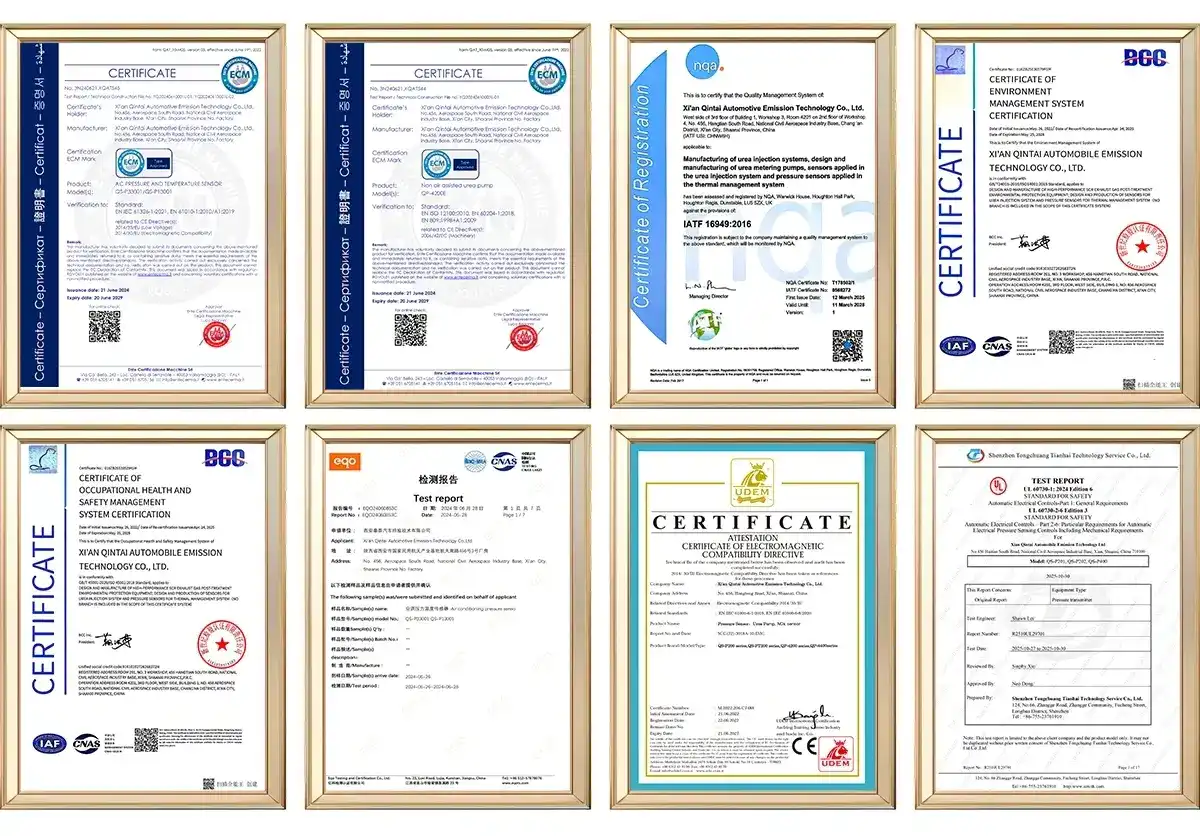
This is Qintai Automotive Emission Technology Co. in Xi'an. Ltd., a national high-tech business that has been around since 2001. The sensors we make, sell, and repair are used in diesel engines with SCR aftertreatment. We also do research and development on them. We work on pressure sensors in particular. You can find us approved by ISO9001, IATF16949, CMC, Ex, UL, CE, REACH, and RoHS. We have also put in for 58 idea patents. Our products keep getting better thanks to an outside R&D team. As a key provider, we work with Weichai Power, Yuchai Power, and Quanchai Power. Lots of places, in more than 60 countries, buy our goods.
Qintai Urea Pump Advantages
These great things about our urea dosing pump. Most of the time, OEMs, system integrators, and generator set builders complain that the output isn't stable, the generators are noisy, and they break down in cold weather. All of these issues are fixed by these features.
• Dependable operation and long service life
• Compact, integrated design with pump, filter, and heater
• Accurate dosing under all temperature conditions
• Built-in freeze protection and purge function
• Low energy consumption and low noise
We do more than just sell the product. We also offer OEM and ODM services, which include creating the product and making a lot of them. We can change the settings and links sometimes too.
Future Trends in Dosing Systems
Moving forward, dosing systems need to be able to figure out what's wrong and work together more. More and more often, people are putting together small units that have sensors, heaters, valves, controllers, and ways to talk to each other. This includes CAN transmission, adaptive flow control, digital pressure tracking, and repair that can be planned ahead of time. All of these can find issues and let you know about them before they cause an emissions fault or stop the power. When motors have better duty cycles and use less power, they can save power and make things take longer to fix. Boat engines, farm equipment, industrial boilers, making electricity, and treating wastewater are some of the other places where demand is high.
Conclusion
A urea dosing pump gives out urea solution, while an SCR dosing pump lets an emissions system change the pressure, heat, purge, fix problems, and talk to the ECU. How they are run has changed the most. A stand-alone pump doesn't change its setting based on the load on the engine, the flow of exhaust, or NOx input. An SCR dosing pump does. The dose and length of time depend on how well the system is set up, tested, and calibrated at the system level, as well as how well freeze and crystallization are managed. People who want to buy something should use the RFQ to choose what they want and list the flow, pressure, voltage, and process. The pump, injector, sensors, and controller should all be thought of as a single unit. A general-use transfer pump can be used for small amounts. You need a pump that works with the controller for SCR service, though.
FAQ
What is the function of a urea pump?
When the time is right, it moves the AdBlue from the tank to the dose module. This helps figure out the right amount to use to lower NOx and keeps the flow and pressure steady so the catalyst can do its job.
How is the urea pump controlled?
Yes, it can talk to the ECU. What the ECU knows about how much to dose depends on how much stress the engine is under and the flow of fumes.
Does the Qintai urea pump work with Bosch ECU?
When used with Bosch ECUs, Qintai urea dosing pumps can change how SCRs work in some ways. Then write down all the tools you need. Our techs will check them out and make sure they work with your system.
Can a standard transfer pump replace an SCR dosing pump?
No, most of the time you have to check. An SCR job might not need a transfer pump that can purge, respond quickly to control, and keep the pressure stable.
How can I reduce crystallization?
There should not be any dry glue inside the lines. Instead, use DEF that meets ISO 22241 and keep the lines closed. Pick a pump that can empty.
Request a Urea Dosing Pump Quote from Qintai
Want to find a urea dosing pump provider that knows what OEM needs? Qintai can make them. They are certified by ISO9001 and IATF16949. Send us information about the type of engine you have, the flow, the pressure, the voltage, the control interface, and the amount you pay each year. After that, our engineers will find a way to help you that works. Email us at info@qt-sensor.com.
References
1. ISO 22241-1: Diesel Engines – NOx Reduction Agent AUS 32 – Part 1: Quality Requirements, 2019
2. U.S. Environmental Protection Agency, Control of Air Pollution from New Motor Vehicles: Heavy-Duty Engine and Vehicle Standards and Highway Diesel Fuel Sulfur Control Requirements, 2001
3. U.S. Environmental Protection Agency, Control of Emissions of Air Pollution from Nonroad Diesel Engines and Fuel, 2004
4. Catalysis Today, Urea-SCR: A Promising Technique to Reduce NOx Emissions from Automotive Diesel Engines, 2000
5. Applied Thermal Engineering, Review of State of the Art Technologies of Selective Catalytic Reduction of NOx from Diesel Engine Exhaust, 2014
6. SAE International Journal of Engines, Vehicular Emissions in Review, 2016

Our customers’ satisfaction speaks for our quality — contact us to experience the same reliable service.