- English
- French
- German
- Portuguese
- Spanish
- Russian
- Japanese
- Korean
- Arabic
- Greek
- German
- Turkish
- Italian
- Danish
- Romanian
- Indonesian
- Czech
- Afrikaans
- Swedish
- Polish
- Basque
- Catalan
- Esperanto
- Hindi
- Lao
- Albanian
- Amharic
- Armenian
- Azerbaijani
- Belarusian
- Bengali
- Bosnian
- Bulgarian
- Cebuano
- Chichewa
- Corsican
- Croatian
- Dutch
- Estonian
- Filipino
- Finnish
- Frisian
- Galician
- Georgian
- Gujarati
- Haitian
- Hausa
- Hawaiian
- Hebrew
- Hmong
- Hungarian
- Icelandic
- Igbo
- Javanese
- Kannada
- Kazakh
- Khmer
- Kurdish
- Kyrgyz
- Latin
- Latvian
- Lithuanian
- Luxembou..
- Macedonian
- Malagasy
- Malay
- Malayalam
- Maltese
- Maori
- Marathi
- Mongolian
- Burmese
- Nepali
- Norwegian
- Pashto
- Persian
- Punjabi
- Serbian
- Sesotho
- Sinhala
- Slovak
- Slovenian
- Somali
- Samoan
- Scots Gaelic
- Shona
- Sindhi
- Sundanese
- Swahili
- Tajik
- Tamil
- Telugu
- Thai
- Ukrainian
- Urdu
- Uzbek
- Vietnamese
- Welsh
- Xhosa
- Yiddish
- Yoruba
- Zulu
What are common applications of capacitive pressure sensors?
Capacitive pressure sensors are now essential measuring tools in many industries because they provide accurate pressure tracking that is needed for legal compliance and operational efficiency. These gadgets find changes in pressure by picking up on changes in the electrical capacitance between electrodes that are split by a plate that can be shaped. They are used in medical tools and diesel engine emission control systems, so buying managers and R&D workers who need reliable, high-stability sensing solutions must have them. Knowing where these sensors work and how they work helps people who buy things find the best technologies that meet emission standards like China VI and Euro VI while also making sure they work the same way for a long time.
Introducing Capacitive Pressure Sensors: Principles and Advantages
Core Operating Mechanism
The basic idea behind how capacitive pressure sensors work is simple, but it works well. The device has a dielectric layer between the two electrodes, a bendable diaphragm that acts as an electrode that can be moved, and a set base electrode. The diaphragm changes shape and the distance between the electrodes when pressure from outside the device acts on it. The capacitance changes directly because of this physical change, using the formula C = ε₀εᵣA/d, where d is the gap distance and is the variable factor. When pressure lowers, the diaphragm returns, widening the gap between the electrodes. When pressure rises, the diaphragm returns, lowering the gap.
Material Selection and Construction
The material of the diaphragm has a big effect on how well the sensor works. Metal and silicon-based diaphragms last a long time and work the same way at all temperatures. The sensitivity and operating temperature limits are set by the dielectric layer, which is usually made of silicone, clay, or air. More advanced designs use curved structures or multiple diaphragm arrangements to improve bending efficiency. This is especially helpful for measuring low pressures where small changes need to be amplified.
Signal Processing Requirements
Changes in capacitance cause very small changes in electricity, which is why complex signal filtering circuits are needed. These small changes in capacitance are turned into voltage or current outputs by special integrated circuits. Capacitance-to-digital converters are used in modern sensors. They boost, linearize, and remove background noise like electromagnetic interference. Temperature compensation methods built into working circuits make sure that measurements are accurate even when the environment changes. The end output can be either analog signals (0-10V or 4-20mA) or digital standards (I²C, SPI), which can be used with programmable logic computers and industrial control systems.
Comparative Performance Benefits
When compared to piezoresistive, piezoelectric, and strain gauge technologies, capacitive pressure sensors are more stable over long periods of time and experience less shift. Because they are energy-efficient, they work well in battery-powered systems and for tracking systems that don't need to be serviced often. The technology does a great job of tracking both steady and dynamic changes in pressure with a high level of accuracy. It consistently meets the strict needs of industry.
Industrial Applications of Capacitive Pressure Sensors
Diesel Engine Emission Control Systems
To meet ever stricter pollution rules, modern diesel engines depend a lot on capacitive pressure sensors. These sensors keep an eye on the pressure of the exhaust gases going into selective catalytic reduction (SCR) systems and diesel particulate filters (DPF). They give real-time information that is needed for the best performance of aftertreatment systems. In SCR systems, pressure sensors measure the difference in pressure across catalyst surfaces. This lets engineers precisely control the rate at which urea is injected to get the best NOx reduction while also stopping ammonia slip. DPF uses use pressure readings to figure out how much soot is building up and then start regeneration processes at the right times to keep the filtration working well and keep the system from breaking.
Working with companies that make heavy trucks has shown us how important it is to have effective pressure sensors when it comes to meeting emission standards. Sensors have to work in exhaust conditions that are very rough, with temperatures over 600°C, toxic gases, and constant shaking. Ceramic capacitive pressure sensors have worked very well in these tough situations because they are very resistant to chemicals and don't change much when heated or cooled. Because they can accurately identify things, people who put together aftertreatment systems can make solutions that work well with a wide range of sensors and have settings that can be changed to fit different engine platforms.
Process Automation and Industrial Control
For tracking and managing important processes, manufacturing facilities rely on capacitive pressure sensor technology. In pipeline systems, these gadgets keep an eye on fluid pressure to find leaks, make sure pumps work at their best, and stop situations of too much pressure that could harm equipment or put people in danger. Chemical reactors use many pressure sensors to keep the reaction conditions just right, which protects both the quality of the output and the safety of the process. The sensors are small enough to fit in places with limited room, and they are durable enough to work for a long time in chemically aggressive settings.
Because they use little power, capacitive sensors are perfect for monitoring networks that are spread out across big industrial sites. Because they are stable, they don't need to be calibrated as often, which lowers upkeep costs and keeps production running smoothly. The accurate readings these sensors give over long periods of time are useful in many fields, from processing petrochemicals to making food and drinks.
Automotive and Transportation Systems
Capacitive pressure sensors are used in a variety of vehicle applications in addition to reducing diesel emissions. Tire pressure monitoring systems (TPMS) use tiny sensitive sensors to let drivers know when their tires aren't inflated enough. This saves fuel and makes driving safer. These sensors are used in fuel systems to precisely control the pumping pressure needed for the best burning efficiency and lower emissions. Monitoring the brake system makes sure that the hydraulic pressure stays within safe working limits, which helps the safety systems of the car.
Capacitive pressure sensor integration is a common practice among makers of construction and farming equipment. The sensors can work with a wide range of pressures, from low-pressure fluid systems to high-pressure hydraulic circuits. This makes them flexible parts that can be used in a variety of car situations. Their ability to withstand shock and vibration makes sure that mobile equipment that is always moving and on rough ground can work reliably.
Medical Device Applications
Healthcare equipment needs pressure sensors that are very accurate and reliable, and capacitive technology meets those needs well. Precise tracking of mouth pressure is needed for respiratory ventilators to help people breathe without hurting their lungs. Infusion pumps use pressure sensors to find blocked IV lines and make sure that the right amount of medicine is delivered at the right time. The biocompatibility of the materials used in medical-grade capacitive sensors keeps parts from reacting badly with body fluids.
Capacitive sensors can pick up on small changes in pressure, which is very important for patient safety. Their steady performance across temperature changes keeps measurements accurate even as devices warm up during use. Small sensor designs make it easier to add them to movable and wearable medical devices, which means that healthcare tracking can be done in places other than hospitals.
HVAC and Building Management Systems
Capacitive pressure sensor technology is used in climate control systems to improve air handling unit performance and keep room temperatures comfortable. Differential pressure readings across air screens show when they need to be replaced, so there is less movement and less energy waste. Monitoring duct pressure makes sure that air gets to all parts of buildings properly, which helps them run more efficiently.
Capacitive sensors use little power, so building management systems can keep an eye on things all the time without spending a lot of money on energy. Their long-term stability means that they need less upkeep in business buildings where sensors may not be easy to get to. Modern building management tools can be easily integrated, which makes tracking and controlling the whole system more efficient.
Selecting Capacitive Pressure Sensors for Your Business Needs
Matching Specifications to Application Requirements
When choosing capacitive pressure sensors, people who work in procurement have to look at a number of important factors. The measurement range should include all the expected pressures plus a small amount to account for short-lived spikes. Specifications for accuracy show how closely sensor readings match real pressure values. This is usually shown as a percentage of full-scale output. Applications that require high precision, like emission control systems that meet China VI or Euro VI standards, require sensor with accuracy scores of 0.5% or better.
When there are big changes in the environment, temperature steadiness is very important. Sensors that have full temperature adjustment stay accurate across their entire working range. This stops measurement drift that could affect process control. Response time affects the sensor's ability to track sudden changes in pressure, which is very important in dynamic situations like controlling a gas system or keeping an eye on how an engine is burning.
Environmental Considerations and Protection Ratings
The operating setting has a direct effect on the choice of sensor. Models that are waterproof and have the right ingress protection (IP) grades are good for outdoor setups or processes that involve fluids. Chemical resistance standards make sure that sensor parts can work with process media that might come into touch with them. In automotive and industrial settings, sensors often need to be able to handle a lot of shock and pressure without losing their effectiveness.
When there is a lot of electromagnetic noise around, electrical interference protection keeps measurements accurate. Sensors made for industrial areas have strong housing and link systems that keep the signal strong even in tough conditions. These changes to the environment make sensors last longer and lower the number of times they fail. This is especially helpful for setups where replacing sensors would require a lot of downtime or work.
Technology Comparison and Selection Strategy
When you look at capacitive sensors next to other technologies, you can see that they have clear pros and cons. Most of the time, piezoresistive sensors are cheaper at first, but they may be more sensitive to temperature changes and have more long-term drift. Piezoelectric sensors are great at tracking changes in dynamic pressure, but they can't keep track of changes in static pressure. Strain gauge methods can measure a lot of different pressures, but they tend to use more power and be more affected by changes in temperature.
For many industrial uses, capacitive technology strikes a good mix between efficiency and cost. The better long-term security lowers the total cost of ownership, even if the original purchase price is higher. When high volume production and steady performance are important, like they are for OEM diesel engine makers, capacitive sensors provide the dependability needed for high volume production with little quality difference.
Procurement Tips for Capacitive Pressure Sensors
Evaluating Supplier Credentials and Capabilities
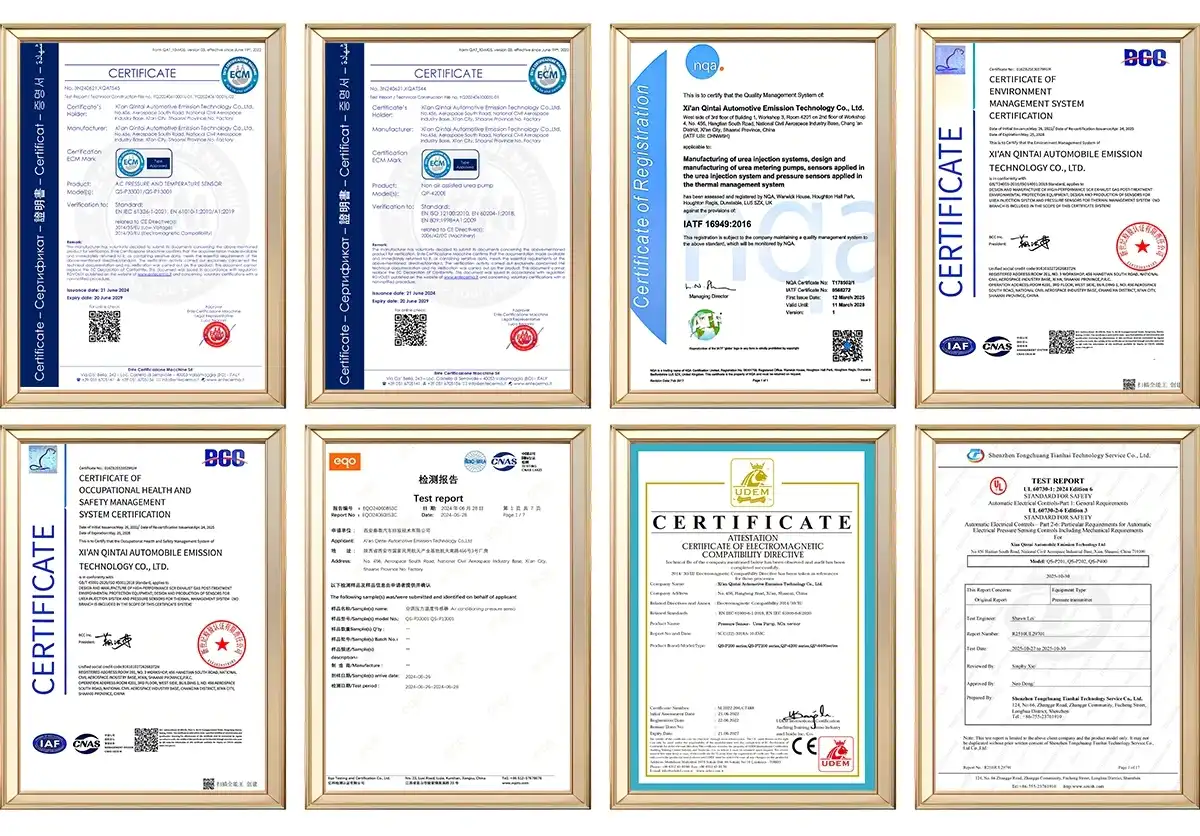
To make sure the quality of the product and the dependability of delivery, suppliers of pressure sensors need to be carefully evaluated. Companies that have been around for a while usually have the right certifications, like ISO9001 quality management and IATF16949 car quality standards. Industry-specific approvals, such as ATEX or UL, show that safety rules for dangerous settings are being followed. Looking at a supplier's list of certifications is a good way to make sure they can make sensors that meet your needs.
When buying sensors for high-volume uses, production ability is very important. Suppliers with a lot of manufacturing facilities can handle big orders and keep the standard of their products high. Their well-established supply lines make lead times less variable, which helps just-in-time manufacturing tactics. Working with suppliers that offer both standard goods and customization services lets you find the best sensor specs for each application while keeping costs low.
Managing Bulk Purchases and Custom Requirements
Pricing models that can be discussed can help you get the best deals on large purchases. Long-term supply deals are good for both buyers and sellers. Buyers get stable prices and a steady supply, and sellers get reliable production amounts. When talking about large purchases, be clear about how much you want to buy each year, when you need it delivered, and what quality you expect. Because of this, providers can make sure that production capacity is used well and prices are fair, which shows how valuable the relationship is.
Custom sensor creation is useful for situations where normal goods can't meet the needs. Suppliers who do their own research and development can change the way sensors work, the messages they send, or the way their products are packaged to meet specific needs. Customization usually includes making a prototype, trying it to make sure it works, and then slowly increasing the size of the prototype until it can be used in production. Make sure you give this development cycle enough time when unique sensors are part of the product launch schedule.
Quality Assurance and Performance Verification
Having strong incoming inspection processes in place keeps output from being affected by problems with sensor quality. Basic proof includes checking the item's size, electrical links, and the accuracy of all the paperwork that comes with it. Functional testing should make sure that the output signs work right when pressure is applied across the given range. When temperature changes are important to the application, temperature chamber testing confirms that the performance is stable.
Setting up calibration procedures makes sure that measurements are accurate for as long as the sensor is working. Many industrial uses need to be recalibrated on a regular basis, and this needs to be recorded in quality control systems. Knowing how to calibrate sensors and what tools is needed before buying them keeps problems from happening when the sensors are put in place. Long-term sensor management is easier when suppliers offer testing services or thorough instructions.

Automechanika Istanbul 2026 (19-22,May,2026)
We look forward to your visit,warmly welcome to our booth 11A-B117-5!
Get your free ticket online now:
https://www.automechanikaistanbulplus.com/register/en

SENSOR+TEST, June 9 – 11, 2026
We look forward to your visit,warmly welcome to our booth 1-634!
Get your free ticket online now:
https://www.sensor-test.de/service/ticket/?52790
Future Insights and Innovations in Capacitive Pressure Sensors
Integration with Industrial IoT Platforms
When pressure sensor technology and Industrial Internet of Things (IoT) systems come together, they open up new ways to do predictive maintenance and improve processes. Capacitive pressure sensors today have more and more digital communication methods built in, which lets them connect directly to cloud-based tracking systems. This connectivity lets distributed sensor networks send data in real time, which supports advanced analytics that find performance trends and predict problems before they happen.
Artificial intelligence programs look at trends in pressure data to automatically make the system work better. AI-enhanced monitoring connects pressure readings with emissions levels, fuel use, and part wear in diesel engines, offering changes that improve economy while still meeting regulatory requirements. These smart systems make operations better across groups of tools while reducing the work of engineers.
Miniaturization and Enhanced Sensitivity
The main goal of ongoing research and development is to make sensors smaller without affecting their efficiency. Smaller capacitive sensors can now be used in places where room is limited, which wasn't possible with older technology for tracking pressure. Wearable medical devices, small consumer goods, and tightly packed car systems can all benefit from sensors that don't take up much space but give accurate readings.
Better awareness lets you pick up on pressure changes that are getting smaller and smaller. This feature helps with tasks that need precise control, like making medicines where keeping the right forces is important for quality. With higher awareness, system problems can be found earlier, giving you more time to fix them before they become major problems that cost a lot to fix.
Sustainable Materials and Longevity Improvements
Environmental concerns drive the creation of sensors that use eco-friendly materials and production methods. Lead-free solders, housing materials that can be recycled, and less energy use during production are all in line with environmental rules and business sustainability goals. OEMs and big corporate buyers who want to reduce their impact on the environment while keeping product performance will be most interested in these new technologies.
Improvements to durability make sensors last longer, which means they don't need to be replaced as often and create less waste. Sensors can last longer in difficult settings thanks to better sealing technologies, coatings that are resistant to rust, and strong electrical links. A longer lifespan lowers the total cost of ownership and helps meet environmental goals by using less material over the course of an item's lifetime.
Conclusion
Capacitive pressure sensors are very important for measuring things in many different industries, from controlling the emissions of diesel engines to medical devices and building automation. Because they are more stable over time, use less energy, and measure more accurately, they are the best choice for situations where steady performance is needed in tough circumstances. When purchasing these sensors, people in charge should think about the unique needs of the application, such as accuracy, weather conditions, and the need for integration. They should also look at the capabilities of the provider in terms of certifications, customization services, and production capacity. Capacitive sensors will play a bigger part in smart industrial systems that need to reliably measure pressure as technology improves in areas like IoT integration, downsizing, and sustainability.
FAQ
Q1: Why do capacitive pressure sensors offer better accuracy than other sensor types?
A: Capacitive technology measures pressure by changing the distance between the electrodes. This is a physical feature that is less affected by changes in the material than resistance or voltage-based sense. Because the change in capacitance is directly related to the amount of pressure applied, the outputs are constant and don't need much signal adjustment.
Q2: Can capacitive pressure sensors safely work in places with very high or very low temperatures?
A: When used correctly, high-quality sensitive sensors work well across a wide range of temperatures. Ceramic diaphragm types can handle temperatures above 600°C, making them good for tracking exhaust gases. Temperature compensation algorithms fix the affects of temperature on capacitance readings, so they stay accurate even when the temperature changes in the environment.
Q3: What are the most important things to look for when buying a lot of industrial sensors?
A: Purchasing managers should look for certifications from suppliers that show they can handle quality (ISO9001, IATF16949), make enough products to meet volume needs, and offer customization options to meet unique application needs. The technical specs need to include information about the accuracy, pressure range, temperature stability, and how the output signal works with other control systems that are already in place.
Partner with Qintai for High-Performance Capacitive Pressure Sensor Solutions
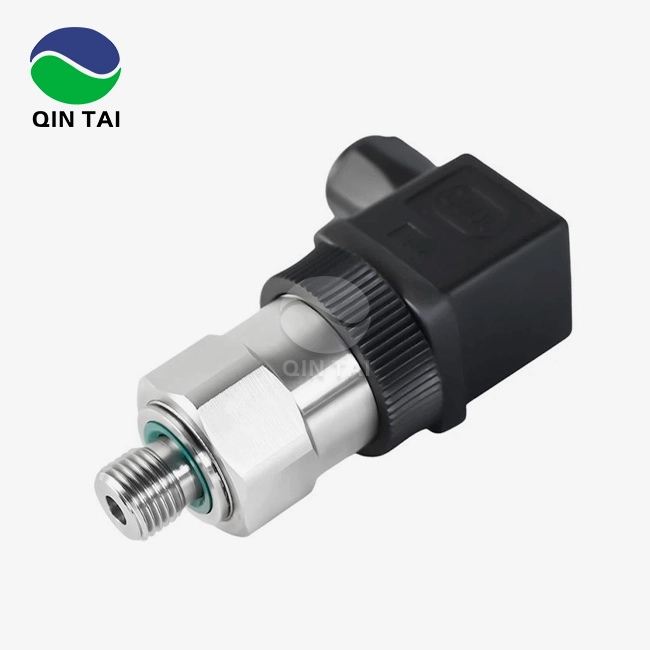
Qintai Automotive Emission Technology Co., Ltd. is the biggest company in China that makes capacitive pressure sensors. They provide accurate measurement services to diesel engine OEMs, aftertreatment system developers, and industrial equipment makers all over the world. Since we started in 2001, we've become very good at making sensors for SCR and DPF systems. This has made us the main seller to Weichai Power, Yuchai Power, and Quanchai Power. Our many certificates, including ISO9001, IATF16949, CMC, Ex, UL, CE, REACH, and RoHS, show that we are dedicated to quality standards that meet international rules.
Our independent research and development team has been awarded 58 invention patents and is always improving sensor technology to keep up with changing emission rules, such as the China VI and Euro VI standards. Our customization options are very broad, and we can change the specs of the sensors to fit your exact needs from the development of a pilot to mass production. Because we've worked with big diesel engine makers before, you can be sure that we understand how important stability, consistency, and cost control are to you when you're making buying choices.
Qintai offers full OEM and ODM services, along with quick expert help and dependable support after the sale. Email our tech team at info@qt-sensor.com to talk about your unique sensing needs, get product samples, or look into ways to work together. You can look through our full catalog of sensors at qt-sensor.com and learn how our capacitive pressure sensor options can meet the needs of your uses for accuracy, durability, and value.
References
1. Chen, W., & Zhang, L. (2022). "Capacitive Pressure Sensors: Design Fundamentals and Industrial Applications." Journal of Sensor Technology and Applications, 18(3), 245-267.
2. Martinez, R., Thompson, K., & Patel, S. (2023). "Performance Comparison of Pressure Sensing Technologies in Automotive Emission Control Systems." International Journal of Automotive Engineering, 41(2), 112-135.
3. Williams, D. (2021). "Signal Processing Methods for High-Precision Capacitive Sensors in Industrial Environments." IEEE Transactions on Industrial Electronics, 68(7), 6234-6248.
4. Anderson, J., & Kumar, P. (2023). "Emerging Trends in Pressure Sensor Technology for Diesel Engine Aftertreatment Systems." SAE International Journal of Engines, 16(4), 589-608.
5. Roberts, M., Lee, H., & Schneider, F. (2022). "Material Selection and Environmental Durability of Capacitive Pressure Sensors." Sensors and Actuators A: Physical, 337, 113-128.
6. European Commission Joint Research Centre (2023). "Sensor Technologies for Heavy-Duty Vehicle Emission Compliance: Technical Assessment Report." Publications Office of the European Union, Luxembourg.
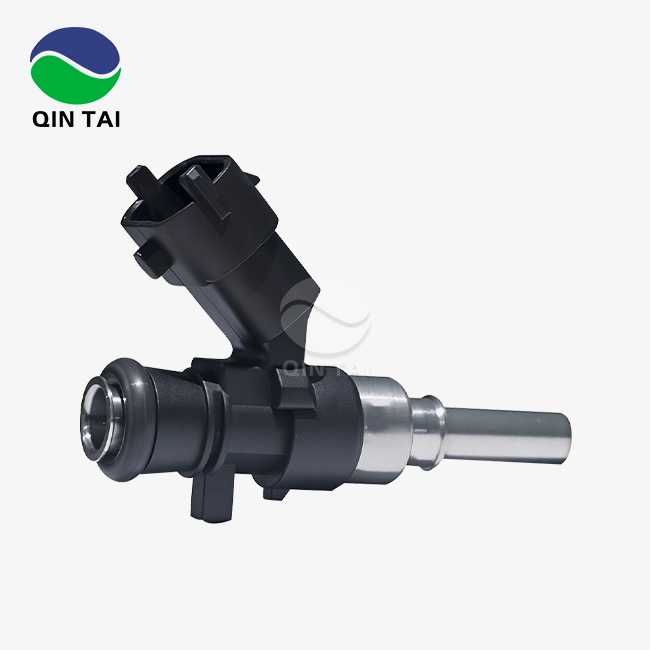
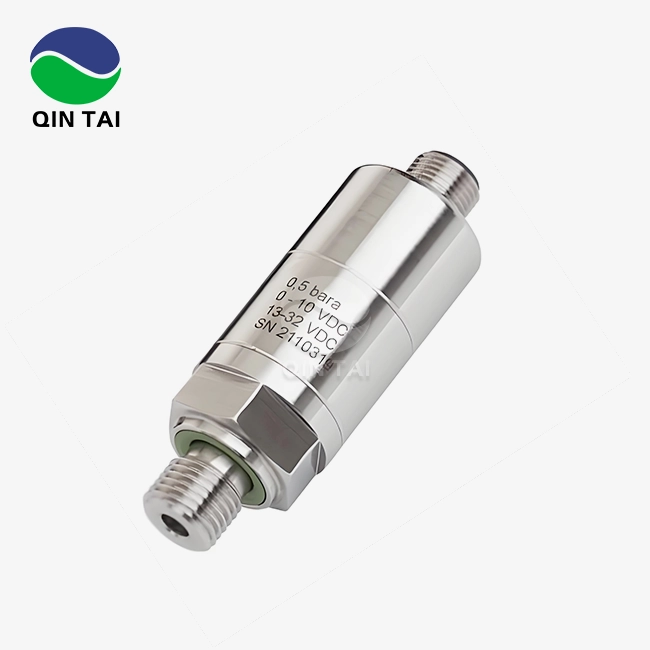
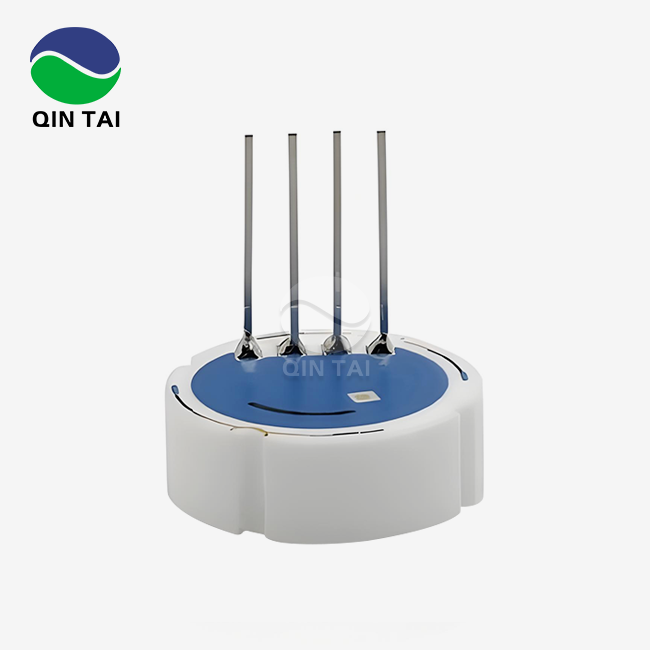

Our customers’ satisfaction speaks for our quality — contact us to experience the same reliable service.