- English
- French
- German
- Portuguese
- Spanish
- Russian
- Japanese
- Korean
- Arabic
- Greek
- German
- Turkish
- Italian
- Danish
- Romanian
- Indonesian
- Czech
- Afrikaans
- Swedish
- Polish
- Basque
- Catalan
- Esperanto
- Hindi
- Lao
- Albanian
- Amharic
- Armenian
- Azerbaijani
- Belarusian
- Bengali
- Bosnian
- Bulgarian
- Cebuano
- Chichewa
- Corsican
- Croatian
- Dutch
- Estonian
- Filipino
- Finnish
- Frisian
- Galician
- Georgian
- Gujarati
- Haitian
- Hausa
- Hawaiian
- Hebrew
- Hmong
- Hungarian
- Icelandic
- Igbo
- Javanese
- Kannada
- Kazakh
- Khmer
- Kurdish
- Kyrgyz
- Latin
- Latvian
- Lithuanian
- Luxembou..
- Macedonian
- Malagasy
- Malay
- Malayalam
- Maltese
- Maori
- Marathi
- Mongolian
- Burmese
- Nepali
- Norwegian
- Pashto
- Persian
- Punjabi
- Serbian
- Sesotho
- Sinhala
- Slovak
- Slovenian
- Somali
- Samoan
- Scots Gaelic
- Shona
- Sindhi
- Sundanese
- Swahili
- Tajik
- Tamil
- Telugu
- Thai
- Ukrainian
- Urdu
- Uzbek
- Vietnamese
- Welsh
- Xhosa
- Yiddish
- Yoruba
- Zulu
What Is the Difference Between Pressure Sensors and Transmitters?
When we discuss pressure measurement in industrial environments, the terms "pressure sensor" and "transmitter" often appear interchangeable. However, understanding their technical distinctions matters significantly for procurement decisions. A pressure sensor is the core sensing element that responds to pressure changes by converting physical force into an electrical signal, typically outputting millivolt-level signals. A pressure transmitter, in contrast, integrates this sensing element with signal conditioning circuitry to produce standardized outputs like 4-20 mA analog signals or digital protocols, making the measurement suitable for long-distance transmission and control system integration. This fundamental distinction affects installation complexity, system compatibility, and ultimately, your operational efficiency and cost structure.
Introduction
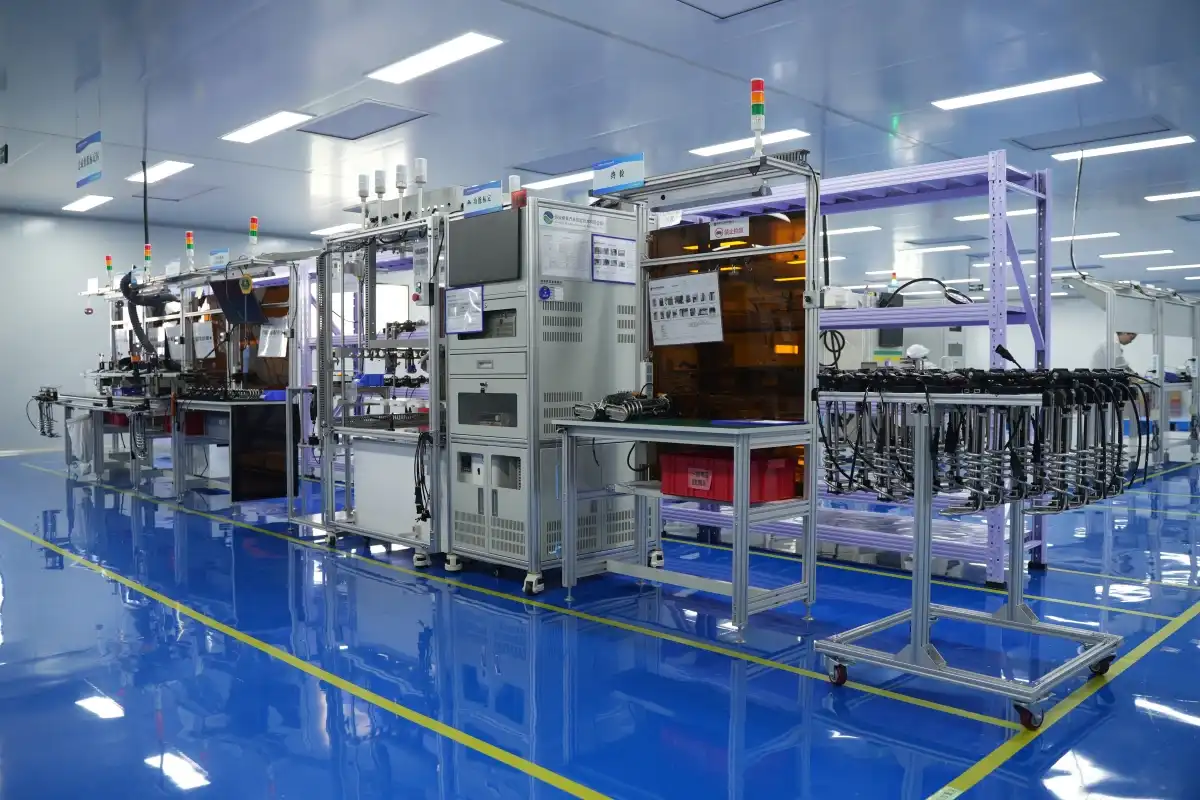
Pressure measurement is essential to industrial process control in automotive, power generating, and construction equipment, affecting safety and product quality. We have seen how choosing the wrong pressure measuring equipment causes diesel engine emissions control issues, heavy truck aftertreatment issues, and generator set downtime.
Differentiating pressure sensors and transmitters is crucial for procurement managers assessing vendors and R&D engineers creating emission-compliant systems. China VI and Euro VI emission requirements need accurate exhaust gas recirculation monitoring and selective catalytic reduction control, which this distinction affects. This paper covers technological architectures, application scenarios, and procurement methodologies to help you choose the best solution. This article provides practical insights specific to your operating goals and budget for integrating components into SCR/DPF systems, purchasing aftermarket parts for repair shops, or specifying sensors for mining generators.
Understanding the Basics: What Are Pressure Sensors and Transmitters?
The Core Function of Pressure Sensors
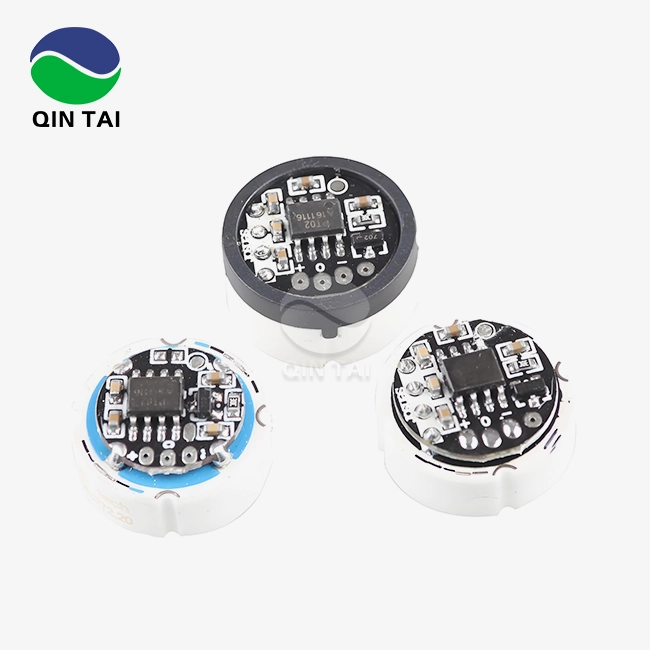
Basic pressure sensors translate mechanical pressure into electrical impulses. Piezoelectric crystals create charge under stress, capacitive components change dielectric spacing with pressure, and strain gauge designs change resistance with deformation. Alumina ceramic diaphragms deform under pressure, altering capacitance between fixed and moveable plates in ceramic capacitive pressure sensors, used in automotive applications. Sensors with microvolts to millivolts output are appropriate for short-distance connections to neighboring devices. Oil pressure, fuel rail pressure, and intake manifold conditions are monitored using automobile pressure sensors. Their tiny size and direct measuring capacity make them ideal for integrated circuits at the measurement spot.
How Pressure Transmitters Add Value?
Pressure transmitters hold the sensor element and complex signal processing circuitry in one container. This comprehensive method amplifies weak sensor signals, adjusts for temperature changes, linearizes nonlinear sensor responses, and provides industry-standard measurements. The 4-20 mA current loop is the primary analog interface because current signals withstand electrical noise across hundreds of meters of wire. Modern transmitters use microprocessors for HART, Profibus, or Modbus digital communication. Remote configuration, diagnostics, and analog-digital output are possible with this intelligence. The signal conditioning electronics in transmitters require frequent verification beyond sensor element calibration, making calibration more complicated.
Critical Performance Parameters
Many specifications impact the appropriateness of either technique. The accuracy specification, usually a percentage of full scale, indicates measurement uncertainty under reference conditions. The drift of measurements over time is important for applications that require long-term stability without recalibration. Response time impacts dynamic pressure measurement in fast-changing settings like diesel engine exhaust gas pulsations.
Environmental resilience includes media compatibility, vibration tolerance, and operational temperature range. Corrosive exhaust gases, temperature fluctuations over 200°C, and severe vehicle vibration must be considered by SCR aftertreatment system integrators. These environmental conditions and installation distance from control systems typically determine sensor or transmitter selection.
Key Differences Between Pressure Sensors and Transmitters
Signal Output Characteristics
The main difference is output signal characteristics and conditioning. Pressure sensors provide millivolt signals proportionate to observed pressure. Shielded cables, short transmission lengths, and low-level signal amplification circuits are needed for these transmissions. This architecture works effectively in engine control modules at pressure measurement places where measuring electronics and sensors are closely integrated.
Reliable, standardized transmitter transmissions are electrically interference-proof. The 4-20 mA current loop standard provides cable lengths of 1,000 meters without signal loss for centralized control room monitoring. Standardization streamlines system integration with programmable logic controllers, distributed control systems, and supervisory control and data acquisition platforms and allows manufacturer interchangeability.
Installation and Integration Complexity
Installation needs vary greatly. Sensors require more careful electromagnetic compatibility, grounding, and cable routing to avoid noise coupling. Excitation voltage, signal amplification, and custom scaling to convert power to engineering units are required by the receiving device. Self-contained transmitters ease installation. These current loop outputs simply need power supply connections and normal wiring. Configuration may be done with portable communicators or digital interfaces without installation site calibration. This simplicity reduces commissioning time and trained personnel needs, especially for aftermarket providers supplying repair shops with different technical competence.
Maintenance and Calibration Needs
Technology calibration frequency and processes vary. Two possible drift causes exist when sensors are calibrated: the sensing element and the signal conditioning circuitry. Sensor elements age quickly in severe automotive and industrial applications due to temperature cycling and vibration. Without regular modification, transmitters with integrated compensation algorithms retain accuracy throughout greater temperature ranges. Their self-diagnostic features warn operators of drift, wiring issues, and sensor deterioration before measurement mistakes influence process control. Quality capacitive pressure transmitters retain accuracy within specifications for 12-18 months in demanding applications, compared to 6-12 months for simple sensor designs needing separate conditioning.
Cost Considerations for Procurement
Initial purchase price reveals sensors cost 30-50% less than transmitters. Total cost of ownership estimates lead to varied results. Signal conditioning modules, wires, and perhaps more complicated installation work are needed for sensors. When evaluating choices, system integrators must consider these auxiliary components. Two-wire 4-20 mA transmitters minimize wiring, circuitry, and panel space by eliminating signal conditioners. Transmitters minimize installation costs and increase system dependability for generator set makers buying dozens of pressure monitoring points for scattered installations. Extended calibration periods minimize maintenance downtime and lifetime expenses.

How to Choose Between Pressure Sensors and Transmitters for Industrial Applications?
Assessing System Architecture Requirements
Your control infrastructure strongly determines the best option. Systems using programmable logic controllers and 4-20 mA analog input modules benefit from transmitters that connect directly without intermediary devices. Arduino-based bespoke control systems or engine control unit microcontrollers may directly incorporate sensors using on-board analog-to-digital converters and signal processing. Control equipment and measurement locations are far apart, limiting practicality. Transmitters overcome signal loss over lengthy wire lines when control cabinets are far from process equipment. Sensors provide cost-effective, high-performance solutions in small machines with electronics near measurement places.
Application-Specific Selection Criteria
Different industries have different needs. Pressure sensors must resist 800°C exhaust temperatures and retain 1% accuracy for regulatory certification for diesel engine manufacturers adopting exhaust gas recirculation systems for emission compliance. Automotive pressure sensors utilizing microelectromechanical systems technology and temperature correction algorithms are preferred.
Extreme-environment construction machinery needs IP67 enclosures, wide temperature ranges, and shock and vibration tolerance. Integrators of aftertreatment systems have specified transmitters with diagnostic capabilities that convey sensor health to telematics systems for predictive maintenance before breakdowns. Generator set manufacturers stressing long-term reliability for unmanned distant deployments benefit from improved drift transmitters. Premium transmitters employ ceramic capacitive pressure sensor technology for long-term durability, with operating lifespans of 15 years in well-maintained installations.
Evaluating Compatibility and Integration
Communication protocol needs influence selection. Traditional analog control systems generally accept 4-20 mA signals, making transmitters ideal. Smart transmitters provide bidirectional communication, remote setup, and enhanced diagnostics beyond pressure monitoring in HART, Foundation Fieldbus, and industrial Ethernet digital systems. Electrical certification varies by use and region. Sensor and transmitter selection depends on intrinsically safe or explosion-proof ratings for hazardous equipment. Certification documentation should meet target market UL, CE, ATEX, and IECEx installation criteria, according to purchasing managers.
Real-World Implementation Scenarios
For diverse client demands, commercial vehicle aftermarket vendors carry both systems. Repair shops choose direct-replacement sensors that meet OEM specs for easy installation without system reconfiguration. Fleet maintenance operations moving to centralized monitoring systems require transmitters with digital outputs for telemetry systems to track vehicle health across scattered operations. Industrial exhaust treatment system designers use several pressure measuring locations to monitor filter differential pressure, catalyst bed conditions, and reagent injection systems. These applications optimize each measurement point for its function by combining sensors for tightly integrated local control loops with transmitters for supervisory monitoring and data logging.
Market Overview: Leading Brands and Innovation in Pressure Sensors and Transmitters
Established Industry Leaders
Honeywell's portfolio includes simple sensors to complex transmitters, with a focus on aerospace-derived industrial technology. With decades of reliable engineering, their pressure measuring devices are a safety-critical standard. Bosch uses automotive industry volume to provide cost-effective, environmentally friendly mobile equipment and transportation solutions.
Emerging Technologies and Innovations
Wireless pressure transmitters save wiring costs and allow flexible installation due to Industry 4.0 efforts. These gadgets use process heat or long-life batteries for 5-10 years of maintenance-free operation. The method is ideal for retrofits when wiring is impracticable or too costly. With microelectromechanical systems, pressure may be measured in smaller places. Silicon-based variable capacitance pressure sensors with industrial precision and package sizes < 5mm.
This advancement assists automobile applications that require small engine compartment solutions. Smart sensors have inbuilt computing for temperature adjustment, nonlinearity correction, and predictive diagnostics. These features identify progressive performance loss, enabling condition-based maintenance to prevent unexpected breakdowns. This integration matches with predictive maintenance approaches spreading throughout industries.
Regional Manufacturing Capabilities
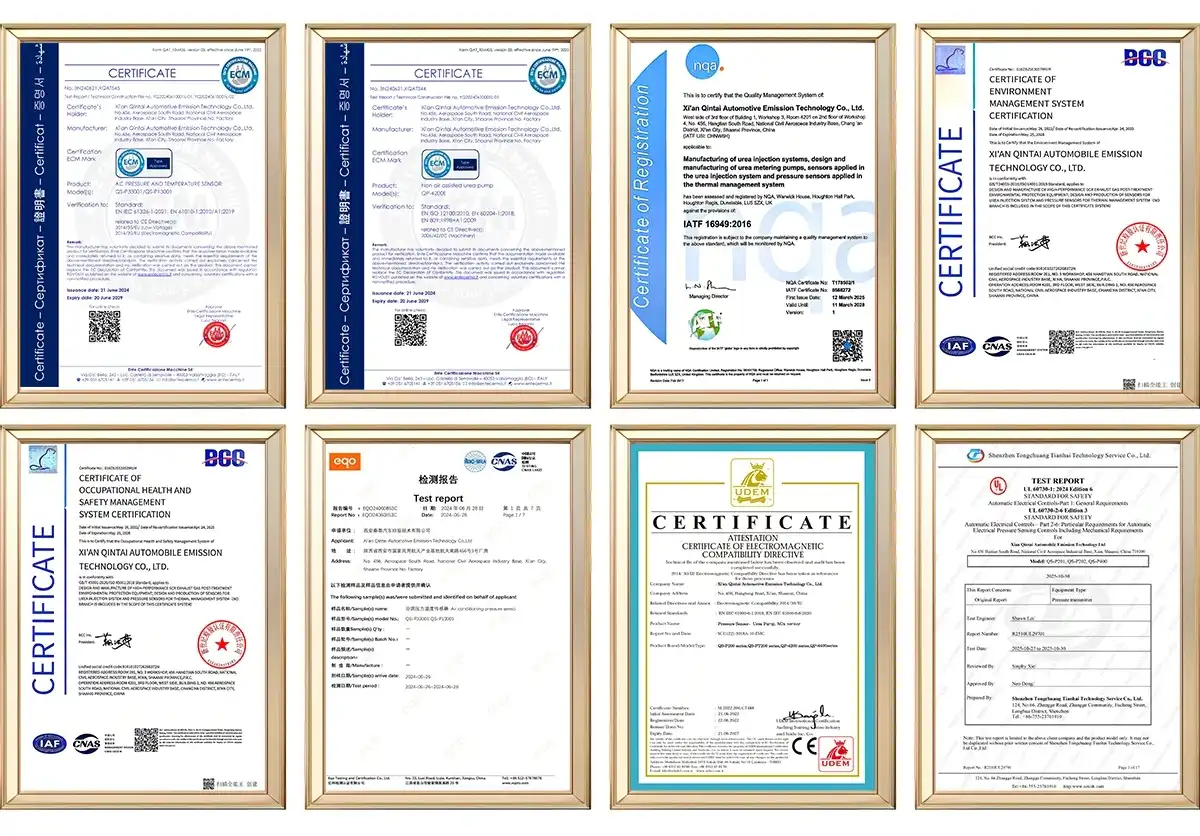
With IATF16949 certification, top Chinese manufacturers like Xi'an Qintai provide Weichai, Yuchai, and Quanchai diesel engine makers, demonstrating quality improvements. OEM clients seeking cost reduction without compromising quality may find these suppliers intriguing due to their reasonable pricing, customization options, and rapid technical assistance. European vendors stress precise engineering and extensive certification paperwork for regulatory compliance. American manufacturers combine performance and affordability with excellent applications engineering support.
Procurement Guidance: Where and How to Buy Pressure Sensors and Transmitters?
Supplier Qualification Criteria
Supplier assessment relies on certification and quality management. ISO9001 certification shows fundamental quality management skills, whereas IATF16949 covers automotive supply chain needs such advanced product quality planning, manufacture part approval, and statistical process control. Purchasing managers should verify certification status, not marketing promises. Measurement accuracy fulfills standards with calibration traceability. Reliable providers give calibration certifications traceable to national standards laboratories. Ask for patent portfolios and R&D investment to demonstrate technological competency. Qintai, with 58 innovation patents, prioritizes constant development above affordability.
Evaluating Technical Documentation
Complete datasheets show product capabilities and limits. Long-term stability, burst pressure ratings, accuracy at reference circumstances, and accuracy deterioration over the operating temperature range are important characteristics. Missing standards frequently suggest low-tier items unsuitable for demanding applications. Technical bulletins and application notes show supplier skill beyond product manufacture. Suppliers who offer installation, troubleshooting, and application-specific suggestions decrease integration risk and add value.
Pricing Models and Volume Considerations
Order volume greatly affects unit pricing. Aftermarket inventory purchases in small quantities cost 40-60% more than OEM manufacture. Distributors offer numerous brands at low prices for small amounts, but they add margin that direct manufacturer purchasing removes at sufficient volume. Price stability and supply assurance benefit both parties in long-term supply agreements. OEM clients with yearly quantities get better pricing and production planning information to boost efficiency.
After-Sales Support Requirements
Precision measurement is maintained by calibration services throughout product lifecycles. In stable settings, transmitters need calibration every 12-24 months, whereas sensors in demanding automotive applications need verification every 6-12 months. Quality management system periodic verification is simplified by calibration suppliers. Technical support responsiveness impacts system integration and dependability. We value providers that provide application engineering throughout specification and design. Warranty periods show manufacturer confidence, with premium items often offering up to 60-month coverage.

SENSOR+TEST, June 9 – 11, 2026
We look forward to your visit,warmly welcome to our booth 1-634!
Get your free ticket online now:
https://www.sensor-test.de/service/ticket/?52790
Conclusion
Knowing the difference between pressure sensors and transmitters helps you choose based on technical needs and budget. For short-distance, integrated applications with independent signal filtering, sensors are cost-effective. Transmitters provide reliable, standardized outputs for scattered systems with lengthy wire runs, remote monitoring, and easier installation. Your choice should weigh upfront prices against total ownership costs such installation, calibration, and upkeep. Transmitters are justified by regulatory compliance, extended stability, and hard environment operation despite greater initial cost. High-volume manufacturing with integrated electronics uses cheaper sensors without losing performance.
FAQ
Q1: Can pressure sensors work effectively without separate transmitters in industrial applications?
A: Pressure sensors work independently within 3-5 meters of measuring electronics. Integrating engine control modules, embedded systems, and small equipment is possible with this arrangement. Transmitters with sensing and conditioning in ruggedized packaging for distributed deployment are useful for remote monitoring, uniform interfaces, and extreme environmental isolation.
Q2: How frequently should pressure transmitters undergo calibration to maintain accuracy?
A: Application severity and accuracy determine calibration intervals. Stable manufacturing processes with mild circumstances allow 18-24 month quality transmitter calibration cycles. Temperature cycling, vibration, and pollution in automotive applications need 6-12 month verification. Applications for regulatory compliance should follow manufacturer guidelines in quality management systems, with interval modification based on historical drift data showing real performance.
Q3: Do environmental factors significantly affect pressure measurement device longevity and performance?
A: Environmental factors greatly affect sensor accuracy and longevity. Extreme temperatures accelerate electronic component deterioration and compromise zero and span calibration. Chemicals damage diaphragms and electrical connections. Mechanical stress and electrical interruptions result from vibration. Quality devices use hermetic sealing, conformal coating, and adjusted designs to restrict operation. Choosing equipment rated above real exposure conditions ensures long-term dependability and consistent performance.
Partner with Qintai for Reliable Pressure Sensor Solutions
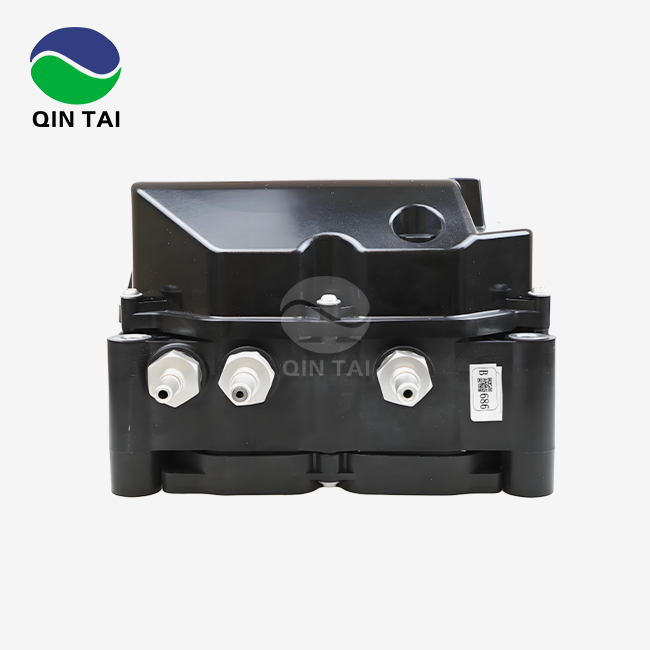
Qintai Automotive Emission Technology Co. Ltd. provides precise pressure measuring systems for diesel engine emissions and industrial applications. Since 2001, we have been the main OEM supplier of pressure sensors and transmitters to Weichai Power, Yuchai Power, and Quanchai Power in China. Our ISO9001 and IATF16949-certified factories make stable, environmentally resilient ceramic capacitive pressure sensors. Custom SCR aftertreatment systems and generator set monitoring solutions are available through independent research and development and 58 innovation patents.
We provide flexible customization, rapid technical support, and competitive volume production prices to worldwide OEMs and distributors. With logistics that guarantee delivery, we serve over 60 countries in Europe, the Middle East, and South America. Technical teams assist application engineers throughout specification, integration, and commissioning. Qintai provides performance, compliance, and cost-effective solutions for aftermarket inventory or bespoke pressure sensor manufacturer collaborations. Contact our engineering team at info@qt-sensor.com to discuss your requirements.
References
1. Bonfig, K.W. (2018). Industrial Pressure, Flow and Level Measurement. Springer International Publishing, Berlin.
2. Johnson, C.D. (2016). Process Control Instrumentation Technology (8th ed.). Prentice Hall, Upper Saddle River.
3. Liptak, B.G. (2017). Instrument Engineers' Handbook: Process Measurement and Analysis (5th ed.). CRC Press, Boca Raton.
4. Webster, J.G. & Eren, H. (2019). Measurement, Instrumentation, and Sensors Handbook: Spatial, Mechanical, Thermal, and Radiation Measurement (2nd ed.). CRC Press, Boca Raton.
5. Morris, A.S. & Langari, R. (2020). Measurement and Instrumentation: Theory and Application (3rd ed.). Academic Press, Cambridge.
6. Fraden, J. (2016). Handbook of Modern Sensors: Physics, Designs, and Applications (5th ed.). Springer, New York.
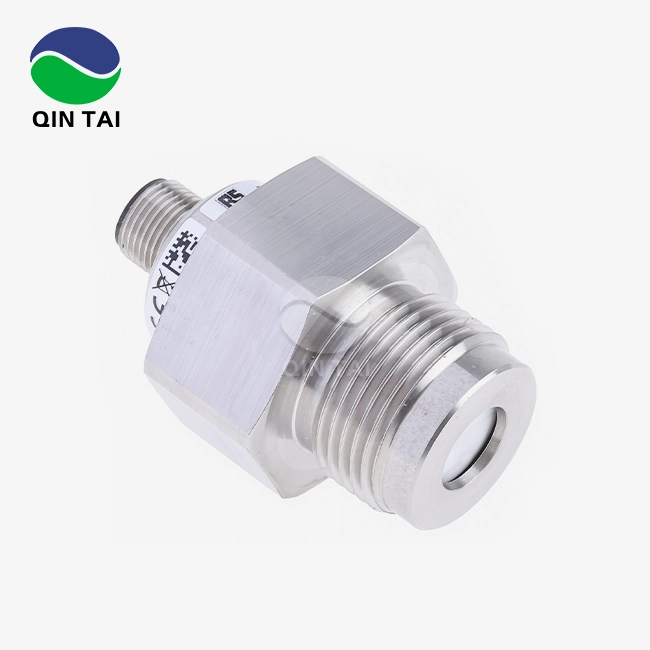
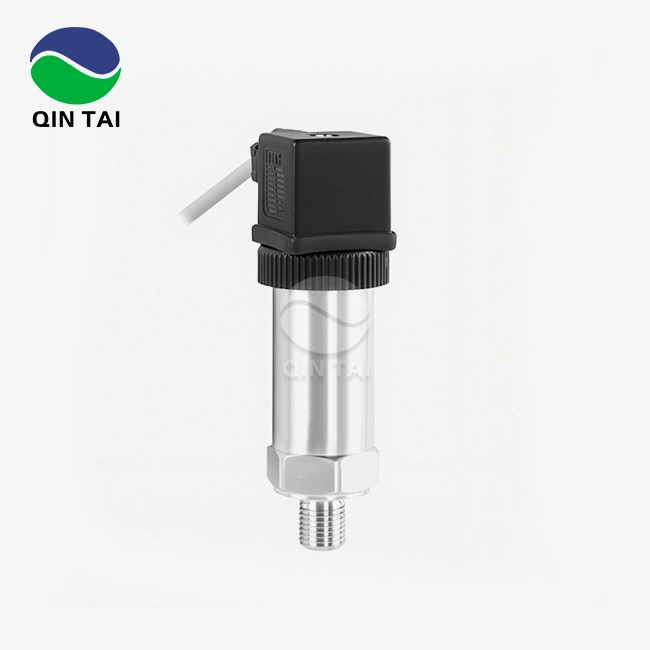

Our customers’ satisfaction speaks for our quality — contact us to experience the same reliable service.