- English
- French
- German
- Portuguese
- Spanish
- Russian
- Japanese
- Korean
- Arabic
- Greek
- German
- Turkish
- Italian
- Danish
- Romanian
- Indonesian
- Czech
- Afrikaans
- Swedish
- Polish
- Basque
- Catalan
- Esperanto
- Hindi
- Lao
- Albanian
- Amharic
- Armenian
- Azerbaijani
- Belarusian
- Bengali
- Bosnian
- Bulgarian
- Cebuano
- Chichewa
- Corsican
- Croatian
- Dutch
- Estonian
- Filipino
- Finnish
- Frisian
- Galician
- Georgian
- Gujarati
- Haitian
- Hausa
- Hawaiian
- Hebrew
- Hmong
- Hungarian
- Icelandic
- Igbo
- Javanese
- Kannada
- Kazakh
- Khmer
- Kurdish
- Kyrgyz
- Latin
- Latvian
- Lithuanian
- Luxembou..
- Macedonian
- Malagasy
- Malay
- Malayalam
- Maltese
- Maori
- Marathi
- Mongolian
- Burmese
- Nepali
- Norwegian
- Pashto
- Persian
- Punjabi
- Serbian
- Sesotho
- Sinhala
- Slovak
- Slovenian
- Somali
- Samoan
- Scots Gaelic
- Shona
- Sindhi
- Sundanese
- Swahili
- Tajik
- Tamil
- Telugu
- Thai
- Ukrainian
- Urdu
- Uzbek
- Vietnamese
- Welsh
- Xhosa
- Yiddish
- Yoruba
- Zulu
What OEM Buyers Look for in Urea Dosing Pumps
OEM buyers look for Urea Dosing Pump parts that combine legal compliance, operational dependability, and long-term cost efficiency when choosing an Urea Dosing Pump for SCR systems. The right pump must give precise AdBlue injection to lower NOx pollution and stay durable in a range of working situations. Before agreeing to a seller, purchasing managers and R&D experts look at technical certifications, dosing accuracy, material compatibility, and the supplier's ability to integrate. Understanding these objectives helps companies make sure their goods meet the needs of the market and sets the stage for successful business-to-business relationships in the diesel aftertreatment sector.
Understanding the Core Principles of Urea Dosing Pumps
How SCR Systems Depend on Precise Urea Injection?
Using AdBlue to help chemical processes happen, Selective Catalytic Reduction technology changes dangerous nitrogen oxides into safe nitrogen and water vapour. The def Urea Dosing Pump is the most important part of this system. It takes diesel exhaust fluid from holding tanks and sends it to the dosing module at the right pressure. Dosing correctly affects how well NOx is converted—not enough urea leads to incomplete reactions, and too much fluid causes ammonia to slip and catalyst contamination. Modern systems can pump precisely within ±5% of the target temperature, which means they can work in temperatures ranging from -40°F to 185°F and still meet EPA emission guidelines.
Based on input from temperature sensors, NOx sensors, and exhaust gas flow rates, the Engine Control Unit is always figuring out the best amount of urea to use. This closed-loop control changes the dosage in real time as the engine loads change when the car is speeding up, idling or pulling a big trailer. Heavy truck makers really like pumps that keep working well even when they're put through extreme operating rounds.
Operational Advantages Over Alternative Technologies
When compared to systems that use ammonia, Urea Dosing Pumps are much safer and easier to set up. AdBlue products are still non-toxic and non-flammable, so they don't need to be handled safely, which makes shipping and storage more difficult. Because urea solutions have a stable chemical makeup, they keep pump parts and dosing lines from rusting. This means that in industrial settings, repair times can be 200,000 miles or more.
OEMs of agricultural equipment like how current Urea Dosing Pumps have freeze safety built in. Built-in heating elements keep the fluid from crystallising when the engine is cold, and automatic purge features remove any remaining fluid from the feed lines when the engine is turned off. These features cut down on calls for field service and keep the system ready in places where winters are hard.
Essential Features OEM Buyers Prioritize in Urea Dosing Pumps
Dosing Accuracy and Flow Rate Control
Engineers in R&D need pumps that can give flow rates between 0.5 and 15 litres per hour accurately even when the back pressure changes. Being able to change dose rates within 50 milliseconds of ECU orders makes sure that the SCR catalyst gets the right amount of urea even when the engine load changes quickly. Construction equipment goes through a lot of rounds of speeding up and slowing down, which test how quick the pumps are. Positive displacement systems keep fluid away from moving parts in diaphragm pump designs, which makes them more accurate.
The choice of material affects the accuracy of doses in the long run. Even after being exposed to urea's slightly alkaline properties for a long time, pump housings and seals made of corrosion-resistant plastics and stainless steel stay the same size. When purchasing managers look over technical datasheets, they give more weight to pumps that have been approved to meet ISO 22241 AdBlue quality standards.
Reliability and Maintenance Considerations
Generator set makers who use their machines in remote mines need Urea Dosing Pump diesel systems that have been tested and proven to last more than 10,000 hours. Compact combined designs that put the pump, filter, and heater all in one unit make installation easier and lower the number of places where something could go wrong. During planned maintenance, technicians can change whole modules in less than 30 minutes, which cuts down on the time the generator isn't working.
Expected service life is directly related to the quality of the parts. Bearing systems made of ceramic materials don't get worn down by urea crystallisation, and EPDM seals stay flexible after thousands of heat cycles. A warranty that covers everything for three years or 300,000 miles gives buying teams faith in their total cost of ownership calculations. After-sales support networks that offer fast delivery of new parts keep equipment from breaking down for long periods of time, which can throw off project schedules.
Regulatory Compliance and Energy Efficiency
To meet the emission guidelines for China VI and Euro VI, pumps must be able to be calibrated and support various dosing strategies. Tech managers like systems that can easily talk to Bosch and Delphi ECU platforms using CAN bus standards. The car homologation process is sped up by certification paperwork like EPA verification reports and CARB executive orders. This speeds up the time it takes for new engine platforms to reach the market. Low energy use has a direct effect on how much fuel business cars use. These days, electric pumps use less than 5 amps of power when they're working, which keeps generator systems from having to deal with extra loads. Noise levels below 55 decibels keep the cabin as quiet as possible, which is what you'd expect from high-end building tools.
Comparison of Top Urea Dosing Pump Brands and Models for OEMs
Leading Manufacturers and Their Market Positions
On the global market, there are both well-known European providers and new Asian companies that are making affordable alternatives. Grundfos pumps are the most popular in industrial settings because they are designed to work continuously in power plants and give reliable performance in fixed equipment settings. Their digital dosing controllers work with SCADA systems so that tracking can be done from afar.
ProMinent specialises in chemical metering systems that can be changed to fit the needs of each location. Because they are modular, people who put together aftertreatment systems can choose the mounting arrangements, electrical connections, and communication methods that work with the way vehicles are built. This gives engineers more freedom, which speeds up merging times and lowers engineering costs.
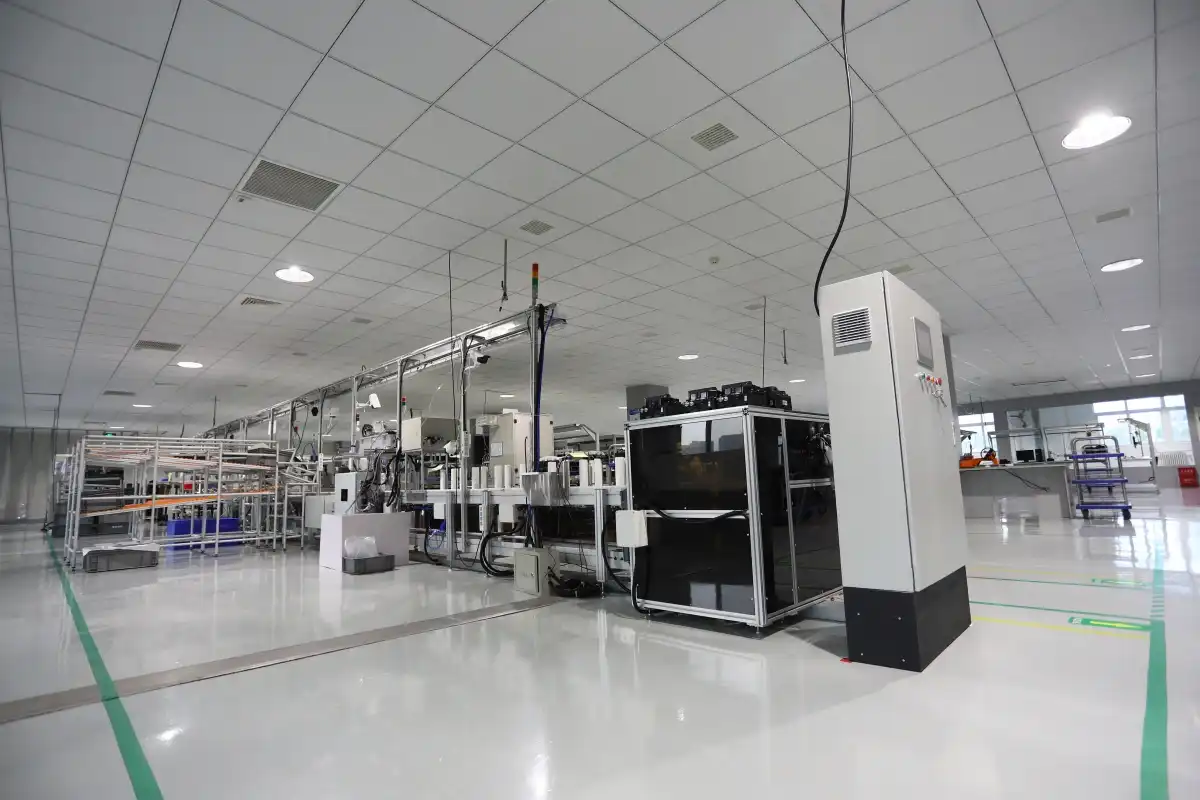
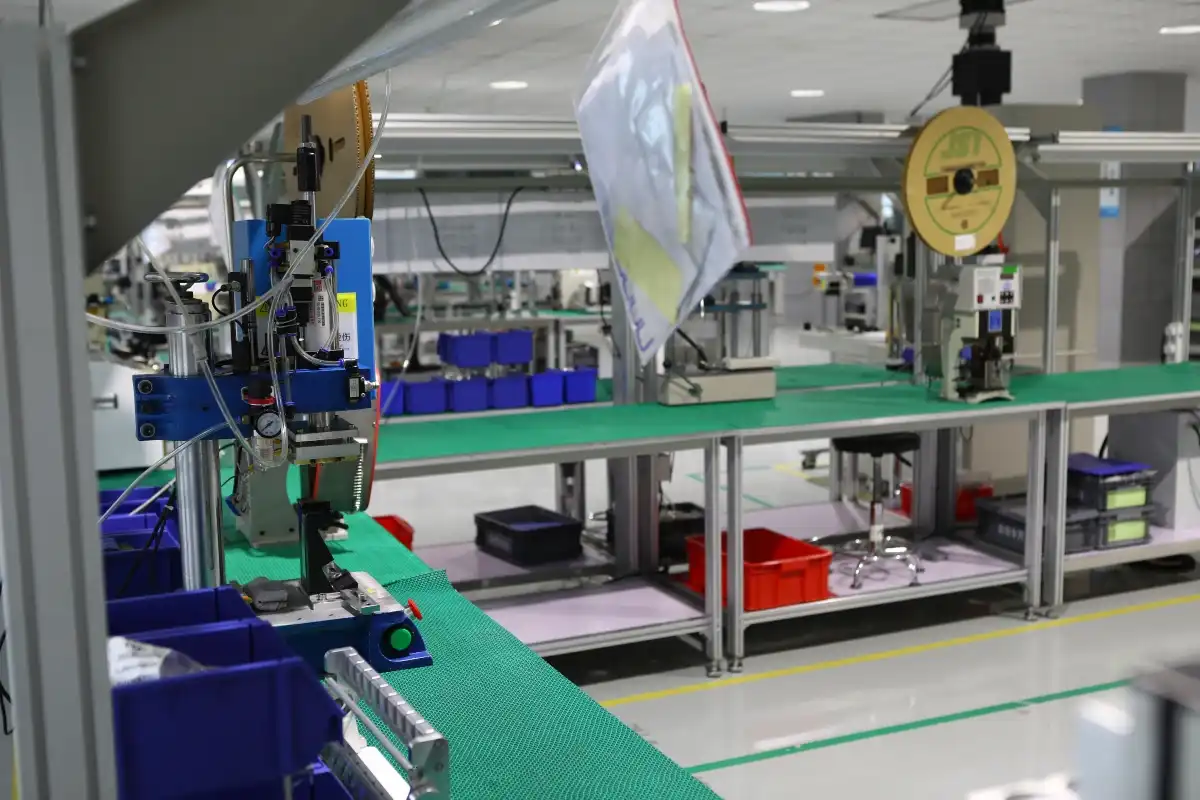
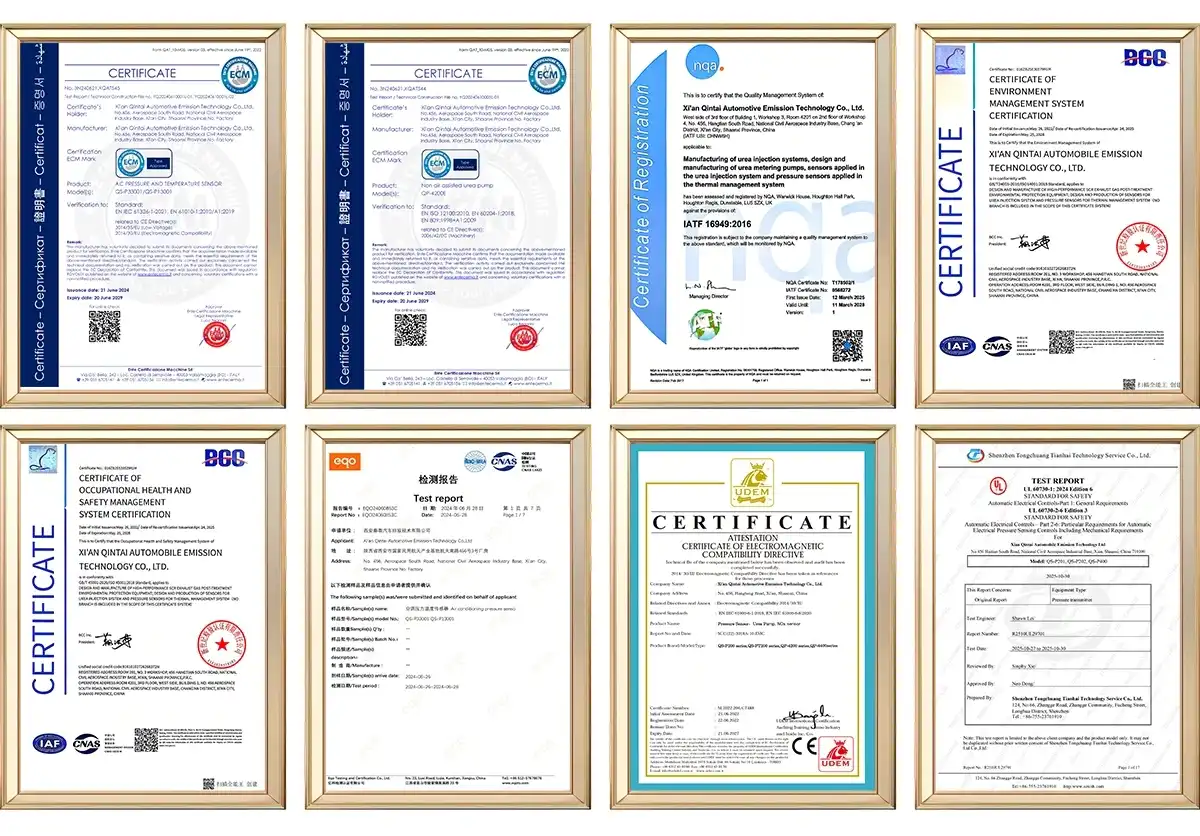
Asian sellers, like Qintai, have a big part of the market thanks to their low prices and ability to make a lot of products at once. As the main provider to Weichai Power, Yuchai Power, and Quanchai Power, China's top diesel engine makers, Qintai has a track record of reliability in high-volume OEM uses. Their IATF 16949 certification shows that their quality management systems meet the needs of the car business, and their 58 invention patents show that they are still investing in research and development.
Technology Comparison: Electric vs. Pneumatic Systems
Electric Urea Dosing Pumps are the most common type used in mobile uses because they are easy to install and come in small packages. It is perfect for big trucks and farm tractors because brushless DC motors work consistently and don't need to be fuelled by compressed air. Solid-state control electronics allow for exact changes in doses and diagnostic tools that help with planned maintenance.
Pneumatic pumps are still the best choice in places where explosion-proof gear is needed or where there is already a system for compressed air. Pneumatic designs are used in chemical processing plants and mines to get rid of electrical sources of fire near burning materials. Air-operated diaphragm pumps are easy to maintain in tough industrial settings because they are mechanically simple.
Gear pumps are an option for situations where high pressure needs to be sent to specific dose nozzles. Because they have a constant flow, they work well in fixed generator setups where pulsation dampening is not as important. Because the materials are compatible with high amounts of industrial-grade urea, they can be used in environmental protection equipment that deals with exhaust gas cleaning systems.

Procurement and Transaction Considerations for OEM Buyers
Identifying Qualified Suppliers and Distribution Channels
Supply chain managers give more weight to companies that have a history of working with Tier 1 automakers. Authorised partner networks offer local technical help and stock, which speeds up the development of prototypes and the start of mass production. Checking the quality standards of suppliers, such as ISO 9001 and CMC compliance, makes sure that the rules in the manufacturing process are working properly and that each batch is the same.
For high-volume OEM relationships, working directly with manufacturers can be helpful. By agreeing to buy in bulk, you can get lower prices and make sure there is enough production capacity during times of high demand. Customisation features let engineering teams choose the best mounting bracket designs, electrical harness setups, and software settings for each car platform. Qintai's OEM/ODM services help with product development from the first idea to mass production, and they can be customised to fit the needs of any application.
Lead Times and Logistics Management
Most standard Urea Dosing Pump types are shipped within two weeks from major distribution centers that are carefully placed in industrial areas. Custom-engineered models need 8–12 weeks of lead time to make the tools and test them for quality. To avoid inventory carrying costs or production delays, procurement teams make sure that shipping plans and ramp-up timelines for the vehicle assembly line work together.
Total landing costs are affected by the mechanics of international shipping. Seasonal changes in container freight rates from Asian manufacturing hubs make long-term supply deals with set prices helpful for planning budgets. To avoid delays in clearance, buying offices and customs agents need to work together on import duty classifications and compliance paperwork.
Pricing Trends and Warranty Terms
A study of the market shows that prices for well-known Urea Dosing Pump technologies are stable. Standard electric models cost between $180 and $450, based on their flow rate and number of features. Prices go up by 20 to 30 percent for premium versions that have improved diagnostics and longer temperature ratings. Project procurement experts look at the total cost of ownership, which includes how often upkeep needs to be done, how easy it is to get replacement parts, and how long the warranty lasts.
During the validation stages of a product, comprehensive warranty plans that cover flaws in both the materials and the work reduce the risk. Optional extended coverage protects against sudden problems in the field during the important first year after a production car goes on sale. Technical troubleshooting help from responsive after-sales support teams cuts down on testing time and keeps failure modes from being wrongly found.
Making the Final Decision: Criteria and Best Practices for OEM Buyers
Evaluating Suppliers Against Technical Requirements
By making weighted decision matrices, engineering teams can compare Urea Dosing Pump options accurately across a number of performance variables. For applications that need to meet strict emission laws, dosing accuracy specifications are very important. On the other hand, service life expectations drive choices about which generator sets to buy. Integration problems that cause certification plans to slip are avoided by checking compatibility with current ECU hardware.
Supplier capability assessments extend beyond product specifications to measure manufacturing capacity, quality control methods, and financial security. Site audits check the calibration and tracking systems of production tools to help find the root cause of problems that happen in the field. Potential for a long-term relationship depends on providers showing ongoing efforts to improve and technology roadmaps that are in line with changing emission standards.
Future-Proofing Through Scalable Designs
Planning ahead for changes in the rules makes sure that Urea Dosing Pump choices stay legal as emission limits get stricter. With modular designs, firmware patches and hardware changes can be made without having to replace the whole pump. IoT-enabled diagnoses let fleet managers see how healthy systems are through telematics platforms. This lets them plan repair ahead of time, which cuts down on unplanned downtime. When automakers offer different trim levels with different emission control system specs, they can use customisation to help them divide the market into smaller groups. When suppliers can deliver pump groups that share similar parts, it makes inventory management easier while still allowing technical differences between product lines.
Conclusion
In conclusion, when OEMs choose Urea Dosing Pumps, they have to make sure that the provider is reliable while also balancing technical performance, legal compliance, and total cost of ownership. Dosing accuracy, material longevity, and compatibility with current vehicle designs are all important parts of good buying strategies. Long-term relationships are built by judging providers based on their certifications, ability to produce in large quantities, and customer service after the sale. As emission rules change around the world, picking pumps with designs that can be expanded and customised saves investments against future compliance needs. Using skilled manufacturers who offer full technical help shortens the time it takes to make a product and lowers the risks of field service.
FAQ
Q1: What is the primary function of a urea pump in diesel engines?
A: The Urea Dosing Pump moves AdBlue from the tank to the dosing module at the right pressures. This makes sure that SCR systems have accurate doses for reducing NOx. While reacting to ECU orders that change dosing based on engine conditions, it keeps the flow and pressure at the right levels for the catalyst to work well.
Q2: How is the urea pump controlled in modern SCR systems?
A: The Urea Dosing Pump talks to the Engine Control Unit using CAN bus standards to control the amount of dose that happens based on the load on the engine, the flow rate of exhaust, and feedback from NOx sensors. This closed-loop control lets changes be made in real time that get the best drop in emissions while stopping ammonia slip.
Q3: What advantages do Qintai urea pumps offer OEM buyers?
A: Qintai Urea Dosing Pumps are very reliable and last a long time because the pump, filter, and heater are all built into a small, combined design. With built-in freeze protection and purge features, they give exact dosing at all temperatures. They are perfect for business vehicles because they make little noise and use little energy.
Q4: Does Qintai's pump comply with major ECU platforms?
A: Qintai Urea Dosing Pumps work well with Bosch ECU systems for certain SCR control methods. This makes it easy to connect them to well-known engine management platforms used by diesel engine makers around the world.
Partner with a Leading Urea Dosing Pump Manufacturer
Qintai Automotive Emission Technology brings over two decades of specialized expertise to OEM partnerships seeking reliable SCR system components. Our position as China's No. 1 OEM supplier reflects proven performance supporting Weichai Power, Yuchai Power, and Quanchai Power with mass production capabilities exceeding 500,000 units annually. Comprehensive certifications including IATF 16949, ISO 9001, and EPA compliance documentation streamline your product validation timelines.
Our independent R&D team continuously advances pump technology through 58 invention patents, delivering innovations in freeze protection, dosing accuracy, and diagnostic capabilities. We support flexible customization from initial design through full-scale production, accommodating unique mounting requirements and communication protocols specific to your vehicle platforms. Technical support teams provide responsive assistance throughout product integration and field deployment phases.
Connect with our engineering specialists to discuss your Urea Dosing Pump diesel requirements. Contact info@qt-sensor.com to request technical datasheets, certification documentation, and custom quotations. Discover why OEMs across 60 countries trust Qintai as their preferred aftertreatment system supplier.
References
1. Johnson, M. (2023). "Advances in SCR System Technologies for Heavy-Duty Diesel Engines," Society of Automotive Engineers International Journal of Engines, Volume 16, Issue 4, pp. 412-428.
2. Environmental Protection Agency (2024). "Heavy-Duty Engine and Vehicle Standards: Emission Certification Guidelines," EPA Office of Transportation and Air Quality Technical Report EPA-420-B-24-001.
3. Schmidt, H. & Weber, K. (2023). "Material Compatibility and Service Life Analysis of Urea Dosing Pumps in Commercial Applications," International Journal of Automotive Technology, Volume 24, Number 3, pp. 671-685.
4. Chen, L. (2024). "Market Analysis of Diesel Aftertreatment Components: Global Trends and Regional Dynamics," Automotive Industry Research Institute Annual Report, Beijing.
5. Thompson, R. (2023). "Maintenance Best Practices for SCR Systems in Off-Highway Equipment," Construction Equipment Magazine Technical White Paper Series, March 2023 Edition.
6. ISO 22241-1:2019. "Diesel engines—NOx reduction agent AUS 32—Part 1: Quality requirements," International Organization for Standardization Technical Committee ISO/TC 28.

Our customers’ satisfaction speaks for our quality — contact us to experience the same reliable service.